








C0 DWR Adoption and Breathability Variations
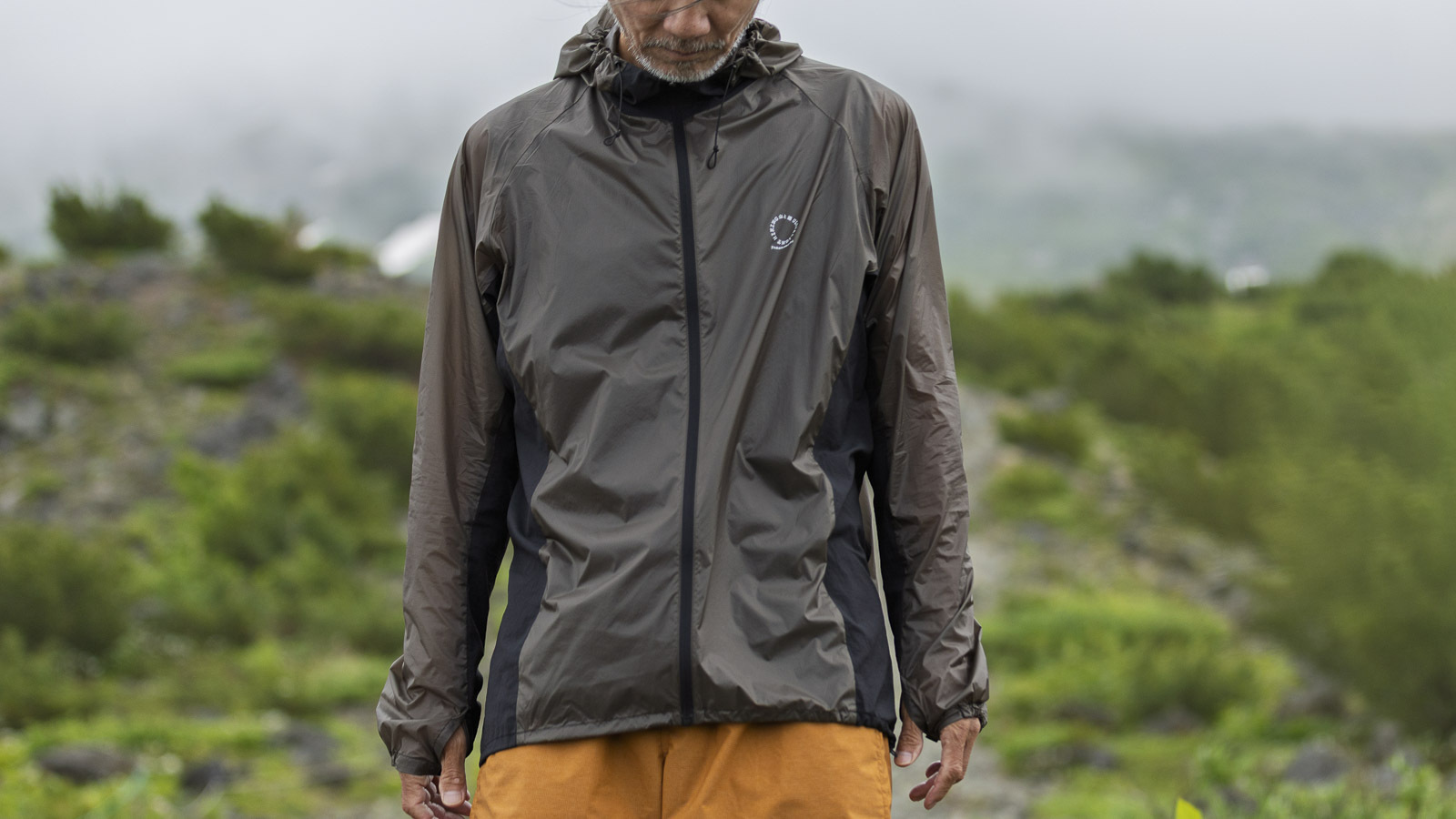
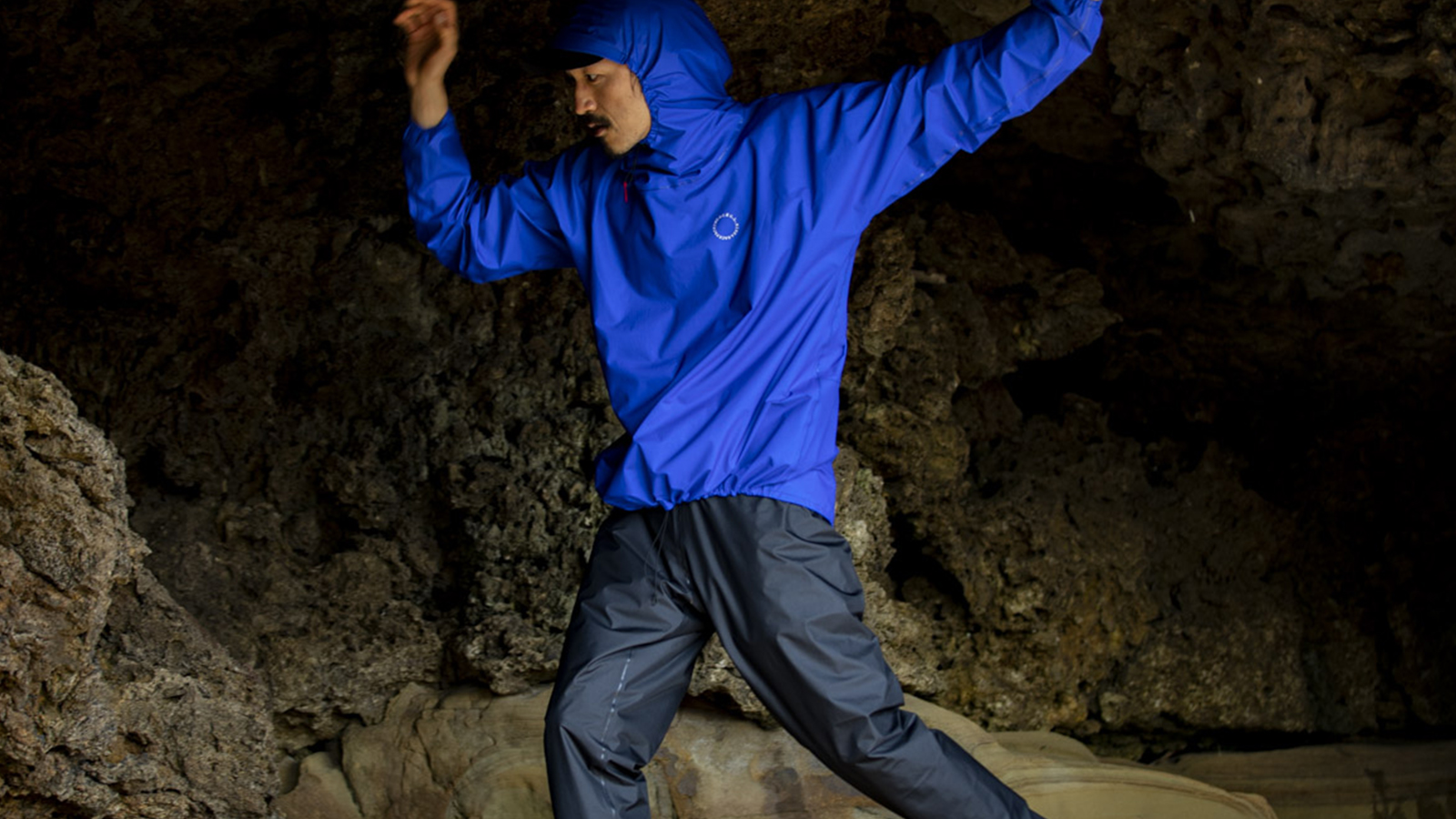
Starting with the Fall/Winter 2025 season, Yamatomichi is switching the DWR finish on the Pertex Quantum Air fabric used in the Light Alpha Vest/Jacket, Alpha Anorak, and Light Alpha Only Hood from C6 DWR to the more environmentally friendly C0 DWR.
Our shift to C0 DWR and what It means for breathability
The former C6 DWR finish contains small amounts of perfluoroalkyl substances (PFAS), which are resistant to degradation in nature and can persist long-term in soil and other environments. C0 DWR, on the other hand, does not use PFAS and therefore has a lower environmental impact.
However, compared to C6 DWR, the C0 treatment tends to penetrate deeper into the fabric, which can result in variations in air permeability and perceived wind resistance.
Although prototypes demonstrated sufficient breathability, air permeability measurements conducted during mass production revealed noticeable differences between color batches.
Through this testing, we confirmed that products made with Pertex Quantum Air treated with C0 DWR may exhibit individual variations in breathability.
Setting an internal breathability standard
Based on the Pertex Quantum Air used in the first-generation Alpha Anorak—which had an air permeability of 33 cc/cm²·s—we set our internal benchmark at 33 cc/cm²·s or higher, as this level provides a strong balance of breathability and warmth.
Fabrics that fall below this benchmark are sold separately at a 20% discount.
Even so, these lower-rated fabrics still average 26.5 cc/cm²·s, which is generally considered highly breathable. Less breathability also brings slightly better heat retention, which can be preferable in certain conditions.
This process has helped us better understand the characteristics of the material and has led to improvements in our inspection system and internal standards.
Future challenges
While C0 DWR offers clear environmental benefits, our evaluation revealed challenges in maintaining consistent air permeability during mass production. For this reason, we are reassessing our fabric options for 2026 and beyond, including whether to continue with C0 DWR or return to C6 DWR, with product quality remaining our top priority. We will continue to evaluate materials carefully and thoughtfully, always placing performance at the forefront of our decisions.