





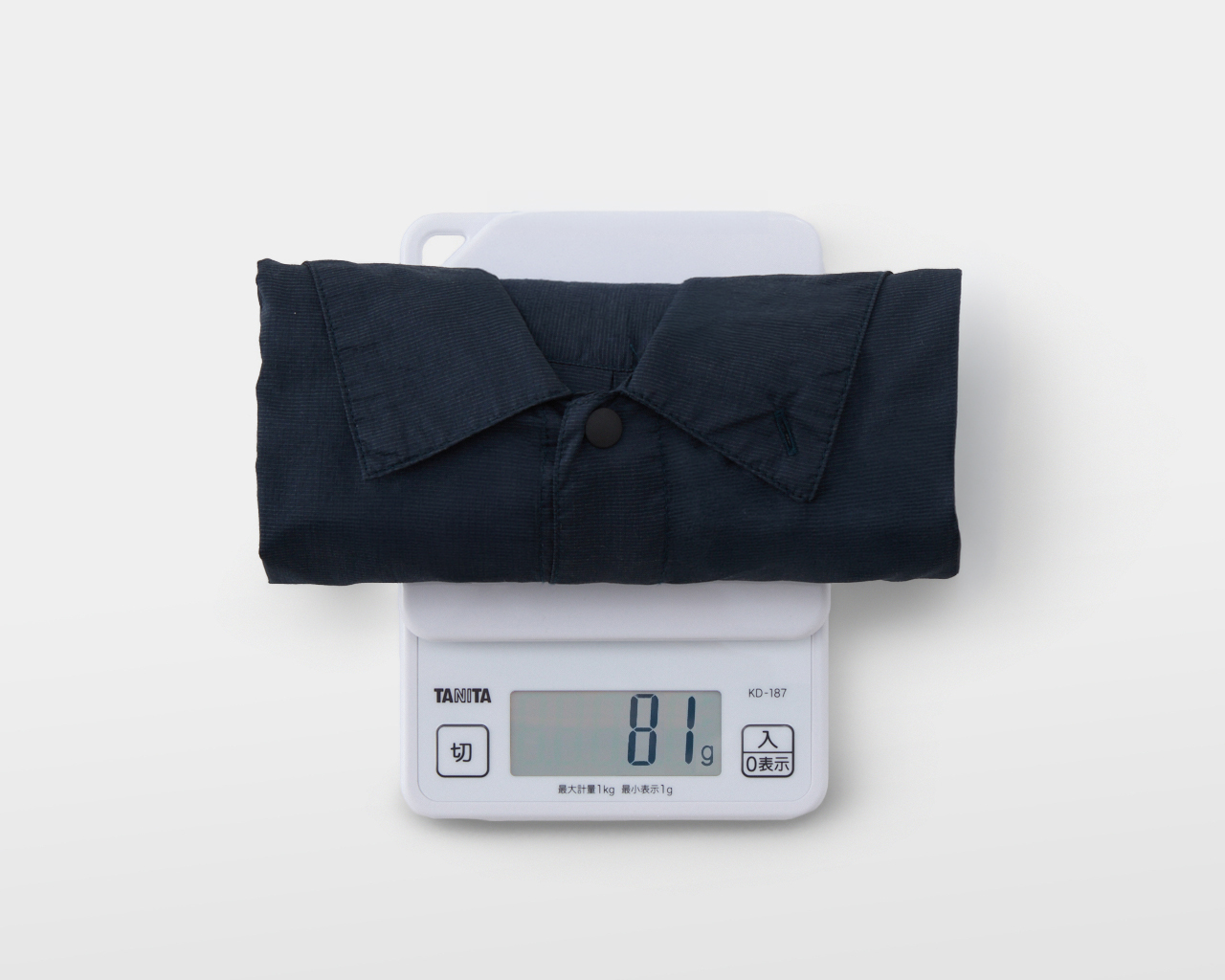
77g (Size S)
81g (Size M)
86g (Size L)
94g (Size XL)
- Introduction
- Washi paper?
- Product story
- Rethinking the hiking shirt
- Form and function
- When lightness becomes function
- Thin, but not see-through
- Washi’s natural odor control
- Cooler than the numbers suggest
- Why we hike in button shirts
- Trail Shirt series comparison
- Review
- From 2°C to 35°C
- A technical alternative to the usual wind shell
- A dry, airy feel unlike any other shirt
- Material
- Washi Nylon
- Why washi “breathes”
- KJF-PPX: a hybrid fabric using the strengths of washi and nylon
- Structure of Washi Nylon yarn
- Size guide
- About sweat/UV fading and tear strength
- Instructions
- Care instructions
- Repair
Introduction
Washi paper?
The Kami Shirt is made from a blend of Japanese washi paper and nylon.
Paper might sound strange for a hiking shirt, but that is what makes it interesting. Washi is light, dry to the touch, and good at absorbing and releasing moisture. Nylon adds softness, strength, and easy movement.
The result is a shirt that feels barely there, but still works hard in heat. It does not cling when you sweat, does not feel heavy, and dries quickly.
At just 81g in size M, it is one of the lightest shirts we have ever made. Simple, dry, and easy to wear — built for long days on the trail.
Washi Nylon may fade from sweat and UV exposure, developing changes in color and texture over time. For details, please see the Production Note and Material: Washi Nylon.
Product story
Rethinking the hiking shirt
When we first encountered Washi Nylon, there was no hesitation. What stood out was not only the weight, but the feel of the fabric itself: light, dry, slightly crisp.
Natural materials have qualities that become more useful the longer you stay in the mountains. They help regulate moisture, reduce odor, and keep clothing comfortable over multiple days of use. Less odor means less washing, fewer changes of clothes, and a lighter pack.
We had already seen this through materials like merino wool and bamboo, each bringing something synthetic fabrics could not offer.
That is why we kept looking for another natural material — one that could bring those benefits into a lighter, drier hiking shirt.
But it was never easy. Some materials had good qualities but were too heavy. Others were difficult to stabilize as fabric. Washi Nylon was the first material that felt light enough, dry enough, and practical enough to build a hiking shirt around.
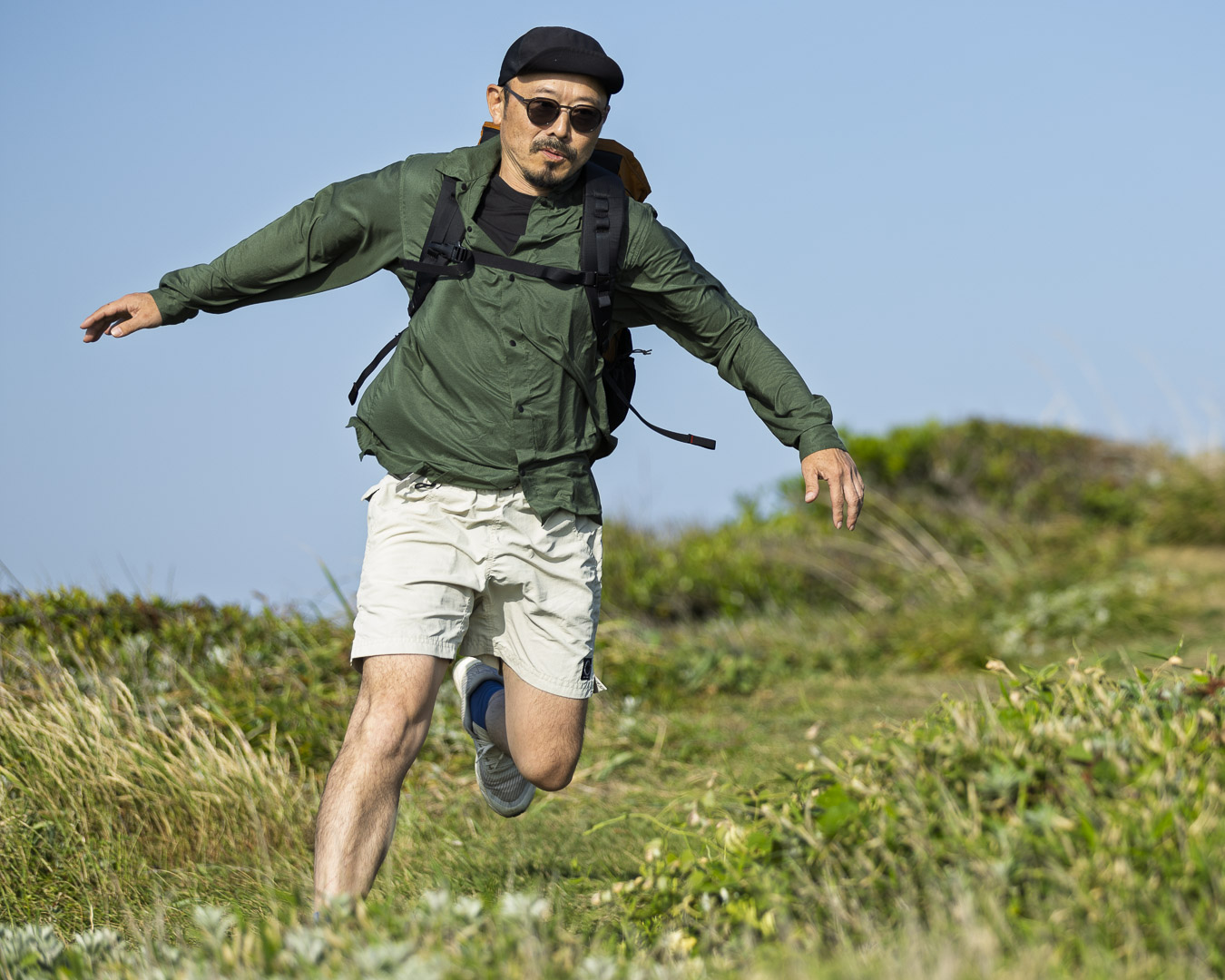
Kami Shirt is not simply a lighter version of an existing trail shirt. It sits somewhere between a wind shell and a base layer: light enough to forget, dry enough to keep wearing, and comfortable enough for hot, sweaty conditions.
Its lightness became clear in midsummer testing. Even after absorbing sweat, the fabric did not feel heavy. It did not cling to the skin, and with the front buttons opened, it vented easily. That made it possible to keep wearing the shirt even in heat, instead of constantly taking it on and off.
There was also something interesting about the fabric itself. When packed, the shirt wrinkles. But once you put it on and start walking, many of those wrinkles naturally ease out. A quick pull by hand is often enough to smooth it. Small details like this made the shirt feel different from ordinary clothing.
The more we tested it, the clearer the shirt’s value became. But the same qualities that make Washi Nylon interesting also come with limits.
Because it uses washi paper yarn, the fabric changes with use. Sweat, UV exposure, and friction will gradually fade the color, and because the fabric is so light, it needs more care than a heavier shirt.
We spent a lot of time discussing how to present that change. Should it be treated as a weakness, or as part of the material’s character? In the end, we chose the latter.
Using the dyeing knowledge we had developed through the Bamboo Shirt, we refined the process to slow fading as much as possible. Still, the shirt will change over time. Like cotton or linen, it will age differently depending on how it is used.
Kami Shirt is not meant to stay perfect forever. It is meant to be worn, changed, repaired, and used in the mountains.
Form and function
When lightness becomes function
At 81g in size M, the Kami Shirt is closer to an ultralight wind shell than a typical hiking shirt.
It stays light with sweat, does not drag on your movement, and dries quickly as you keep walking.
Less weight, less stickiness, less getting in the way.
Thin, but not see-through
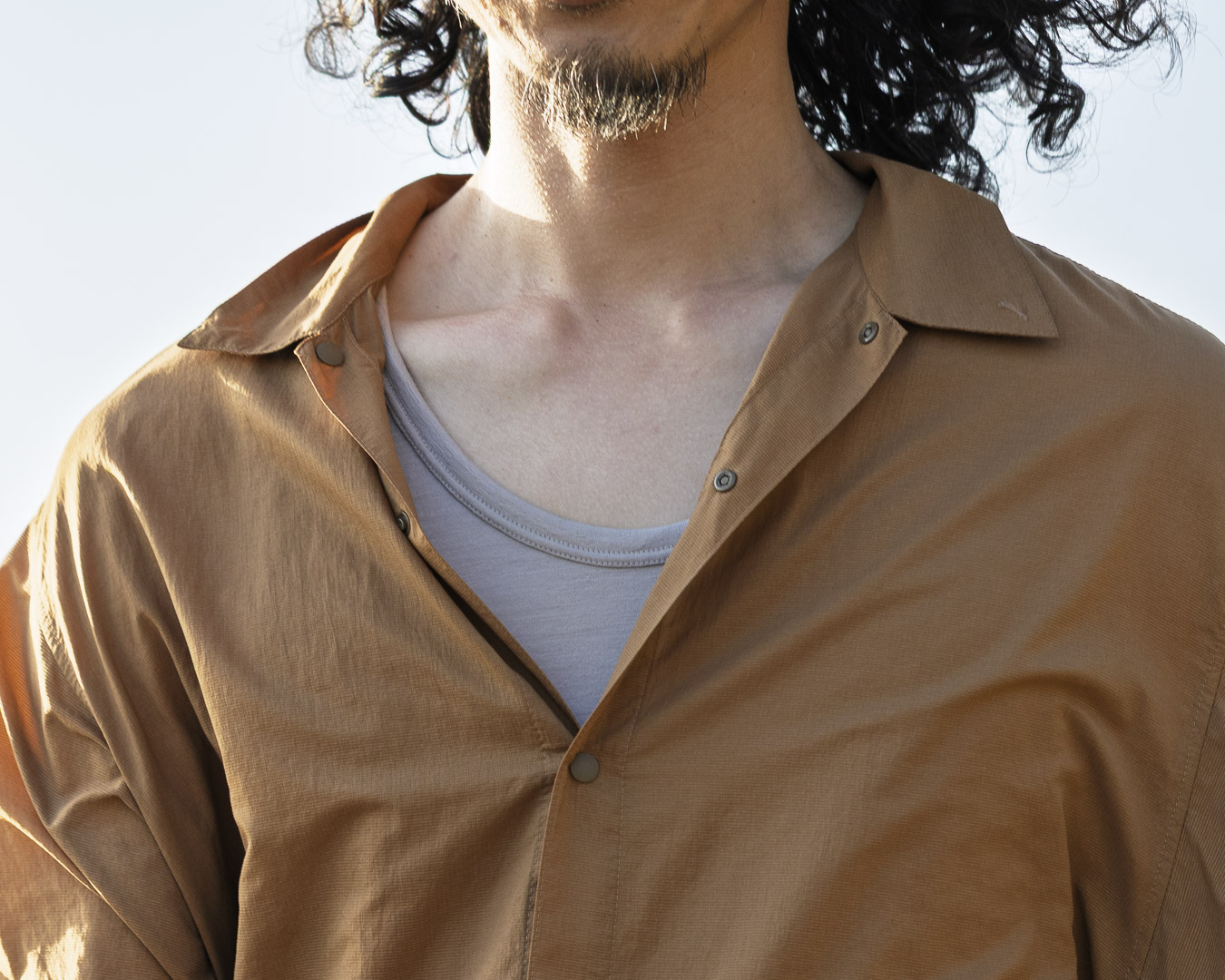
The fabric is extremely thin, but designed to help keep skin and underlayers from showing through.
Washi yarn is lighter than nylon, so each yarn can have more volume at the same fabric weight. It is also made by twisting 0.9mm strips of washi paper, creating tiny uneven surfaces that scatter light.
That structure gives Washi Nylon its unique balance: ultrathin, ultralight, but not awkwardly transparent.
Washi’s natural odor control
Washi has countless microscopic pores inside its fibers. As it absorbs moisture, it also physically traps odor-causing components.
That helps the shirt stay fresh over multiple days of hiking without relying on chemical treatments. Not bad for paper.
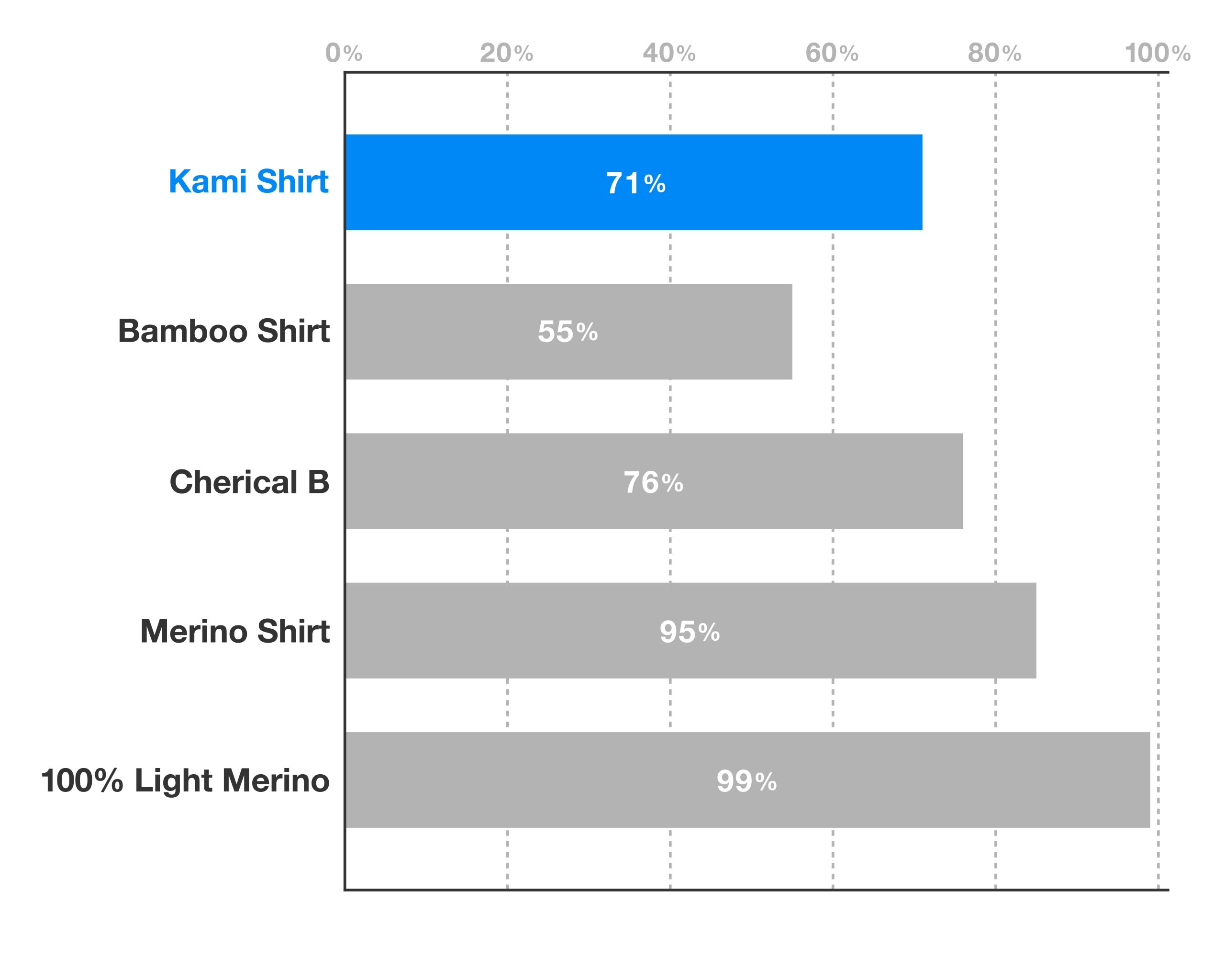
※Odor control comparison chart: reduction rate of ammonia after 24 hours
Cooler than the numbers suggest
On paper, the Kami Shirt is less breathable than the UL Shirt: 24cc compared to 34cc. But many people who try it on say the Kami Shirt actually feels cooler.
That comes from how Washi Nylon handles moisture. Washi absorbs humidity and releases it outward, while the fine texture of the ultrathin 46g/㎡ fabric reduces contact with the skin.
It does not just let air through. It keeps the fabric dry, less sticky, and cooler against the body.
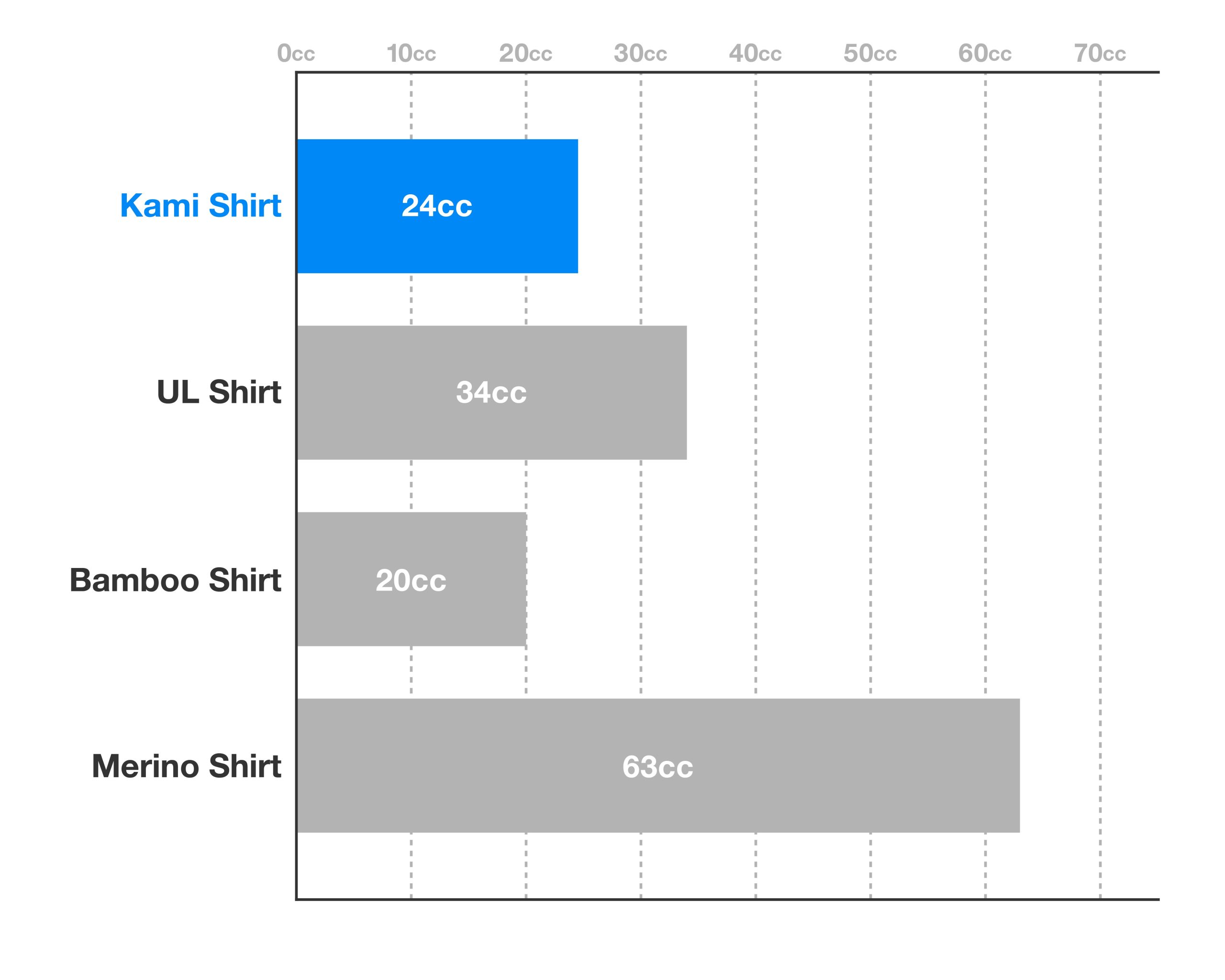
※Air permeability: the amount of air that passes through a fabric sample under fixed pressure. Higher numbers indicate higher breathability.
Why we hike in button shirts
We hike in button-front shirts because they are easy to adjust while moving. Close the front when the wind picks up. Open it when you heat up. Simple, but it works.
The other reason is the weave. Most shirts use woven fabric, which has a tighter structure than knit fabric. At the same weight and material, woven fabric generally offers better wind resistance, faster drying, and higher durability.
The Kami Shirt takes that basic trail shirt idea and rebuilds it with ultrathin Washi Nylon, adjusting the fit and details to match the fabric.
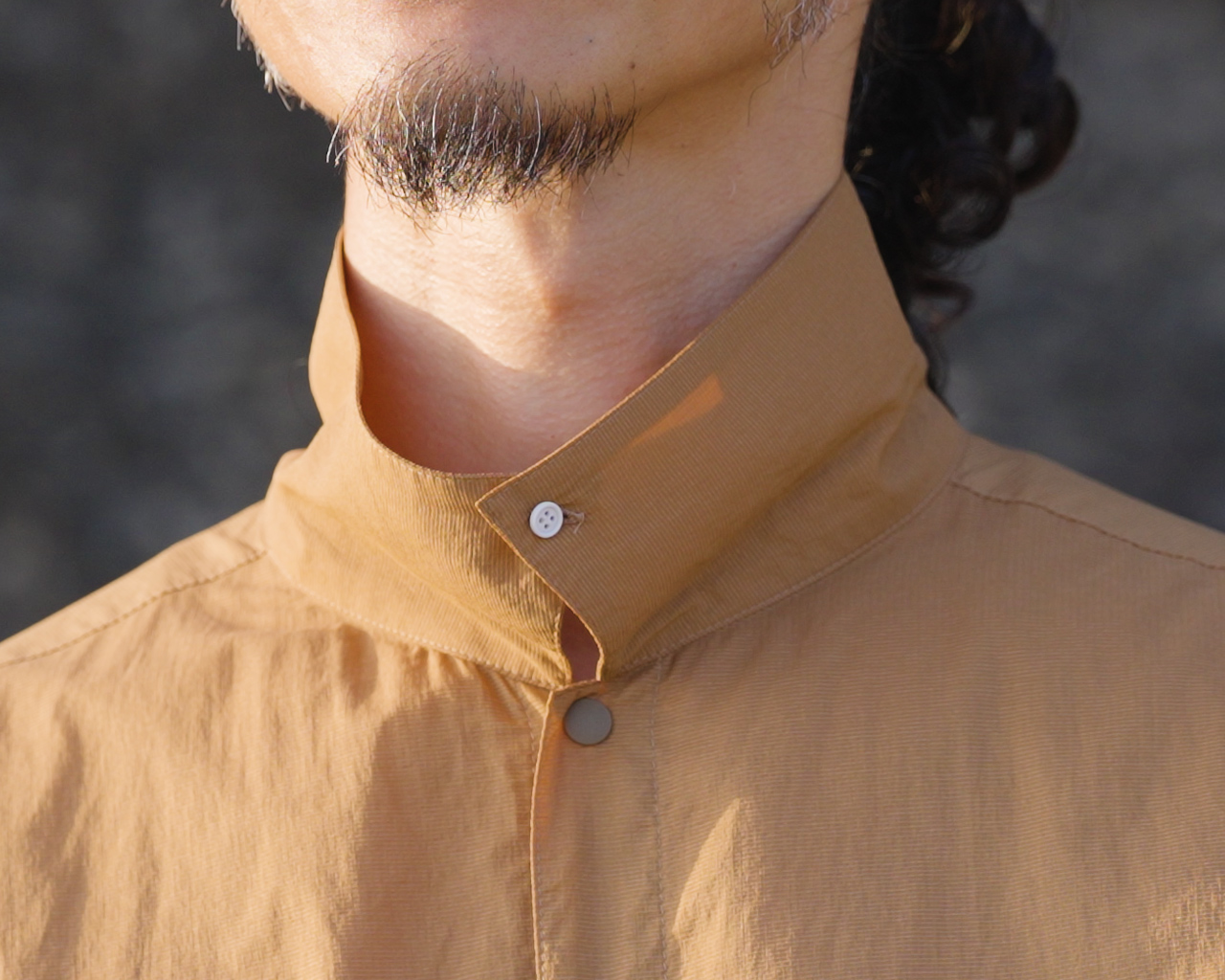
The collar can be worn up and buttoned in place for wind, warmth, and sun protection around the neck.
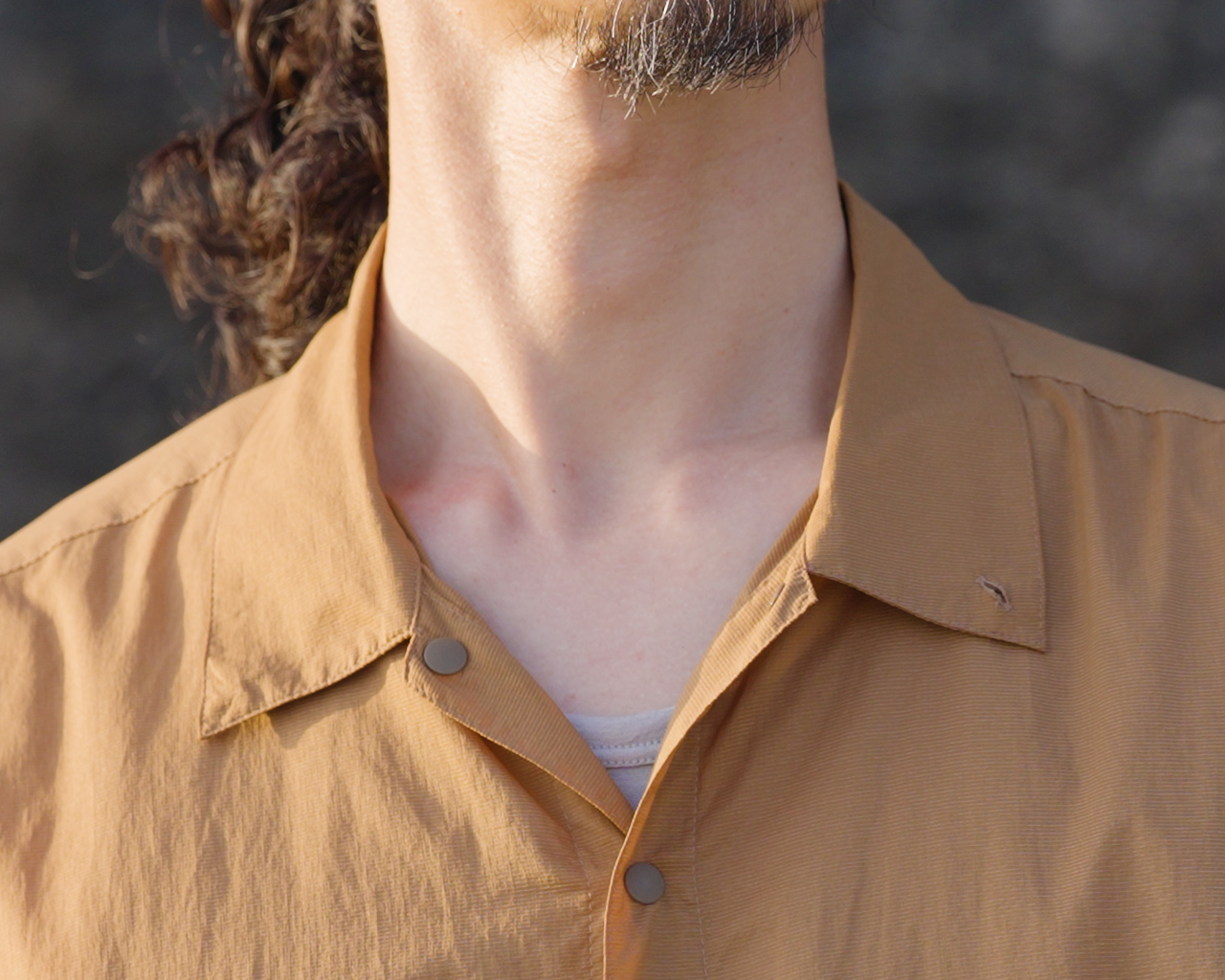
The open collar keeps heat from building up around the neck.
Snap buttons allow for speedy opening and closing while on the move.
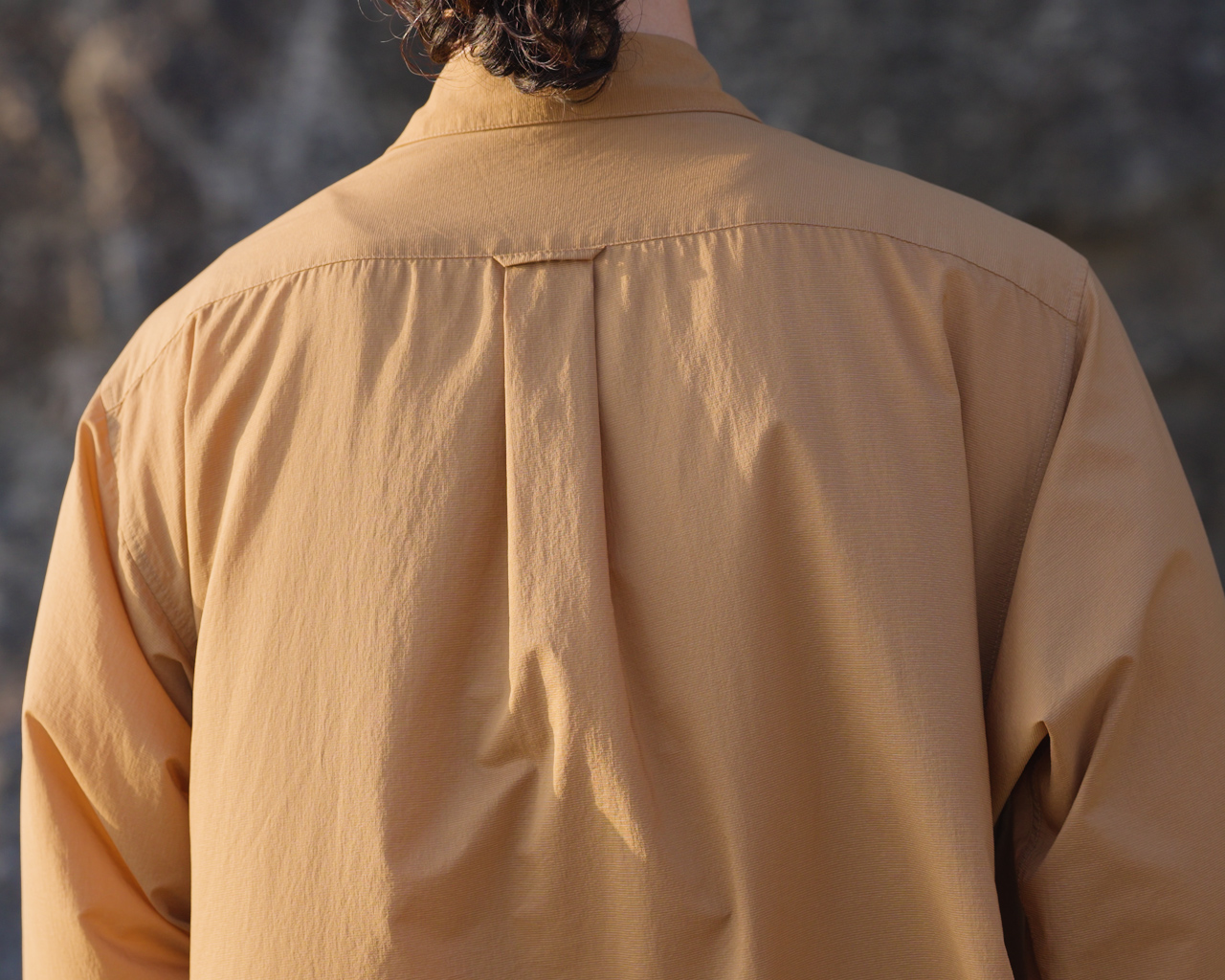
The back is pleated for easier arm movement, while a loop on the inside allows it to be hung for drying.
Pivot sleeve construction extends the armholes under the arms for easier movement.
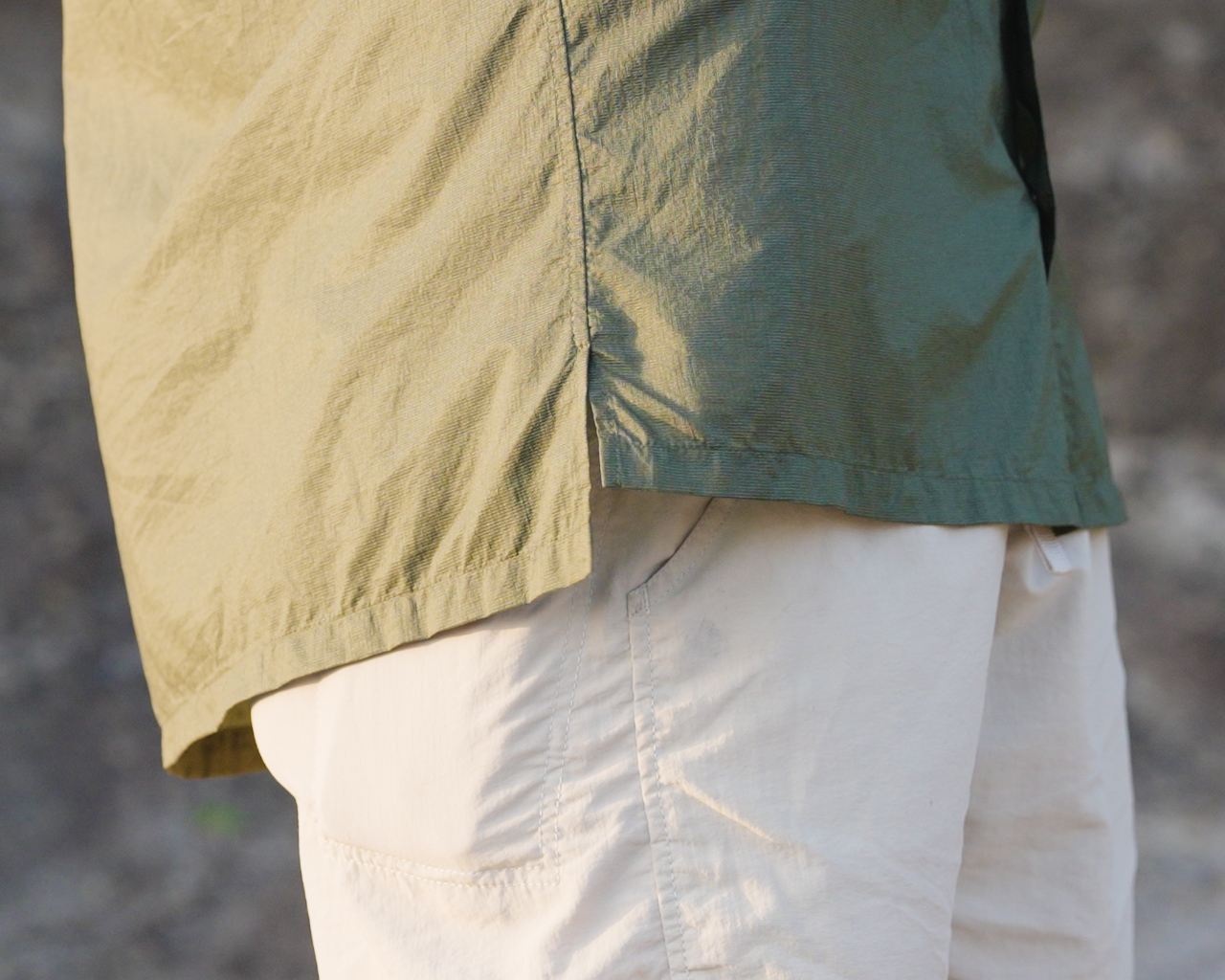
Side slits and a slightly longer back hem help keep the shirt from riding up under a backpack.
Trail Shirt series comparison
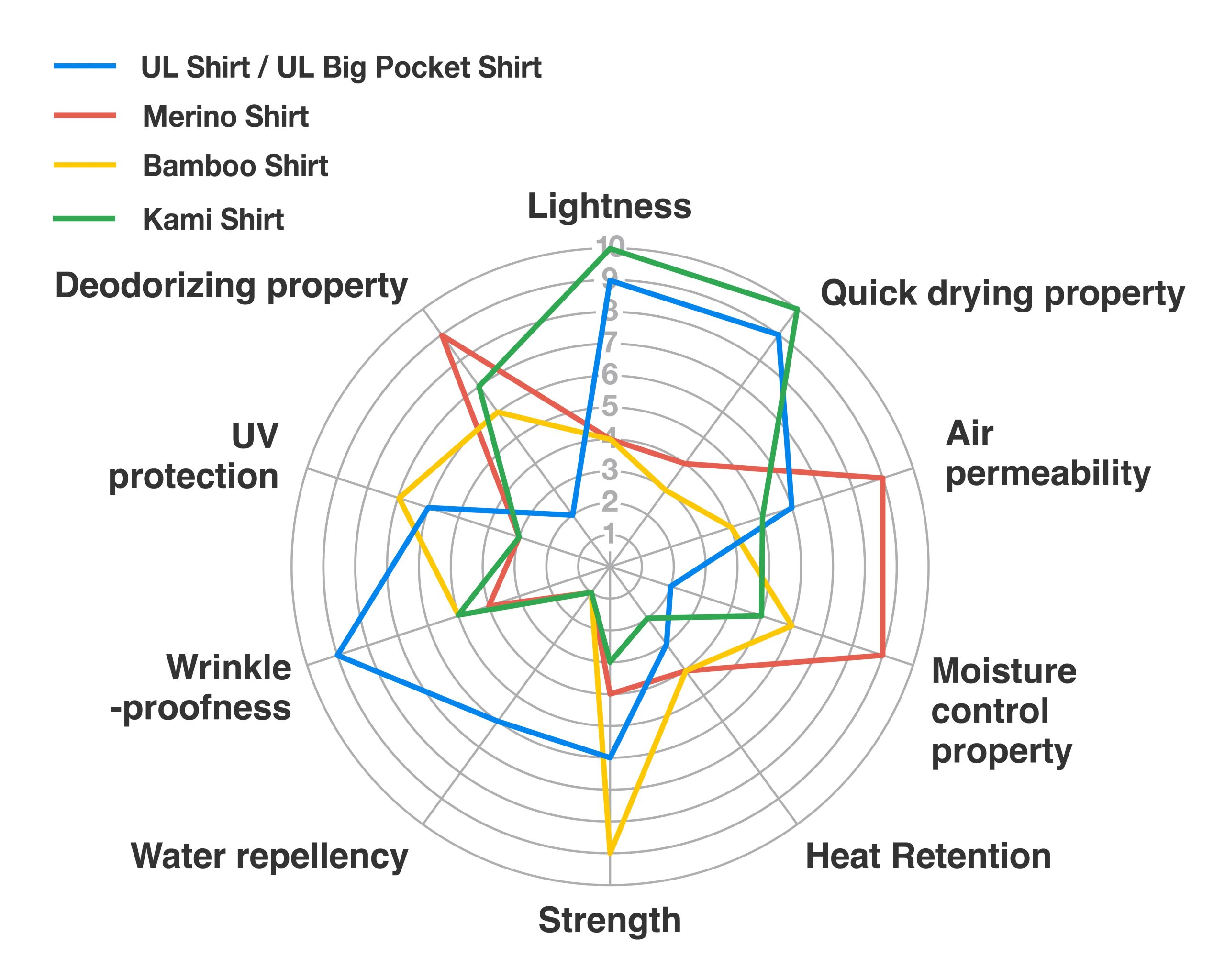
- Moisture control: The property of keeping the humidity inside the garment at a constant level, dry when it’s damp, while moist when it’s too dry.
- Breathability: Higher means better ventilation, while lower means it is more wind-protective.
- UV protection: Ability to block the sunlight’s ultraviolet rays.
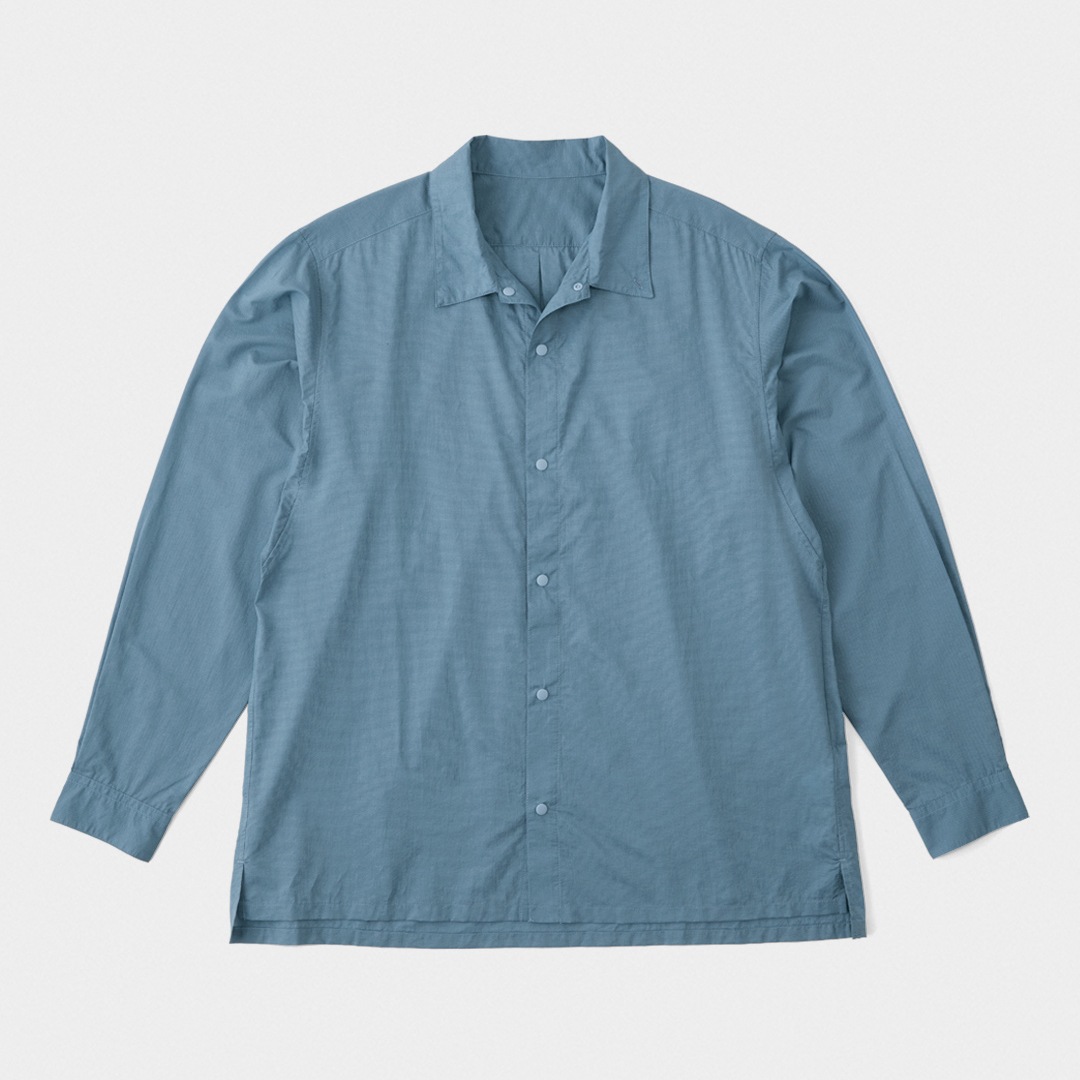
Kami Shirt
Washi Nylon(72% Recycled Nylon / 28% Washi)
Lightest and fastest-drying
The lightest and fastest-drying shirt in the lineup. Washi helps regulate humidity inside the shirt, while the thin fabric dries quickly after absorbing sweat. Its low-contact fabric structure keeps it dry and cool in summer. Just handle it with care — this fabric is delicate.
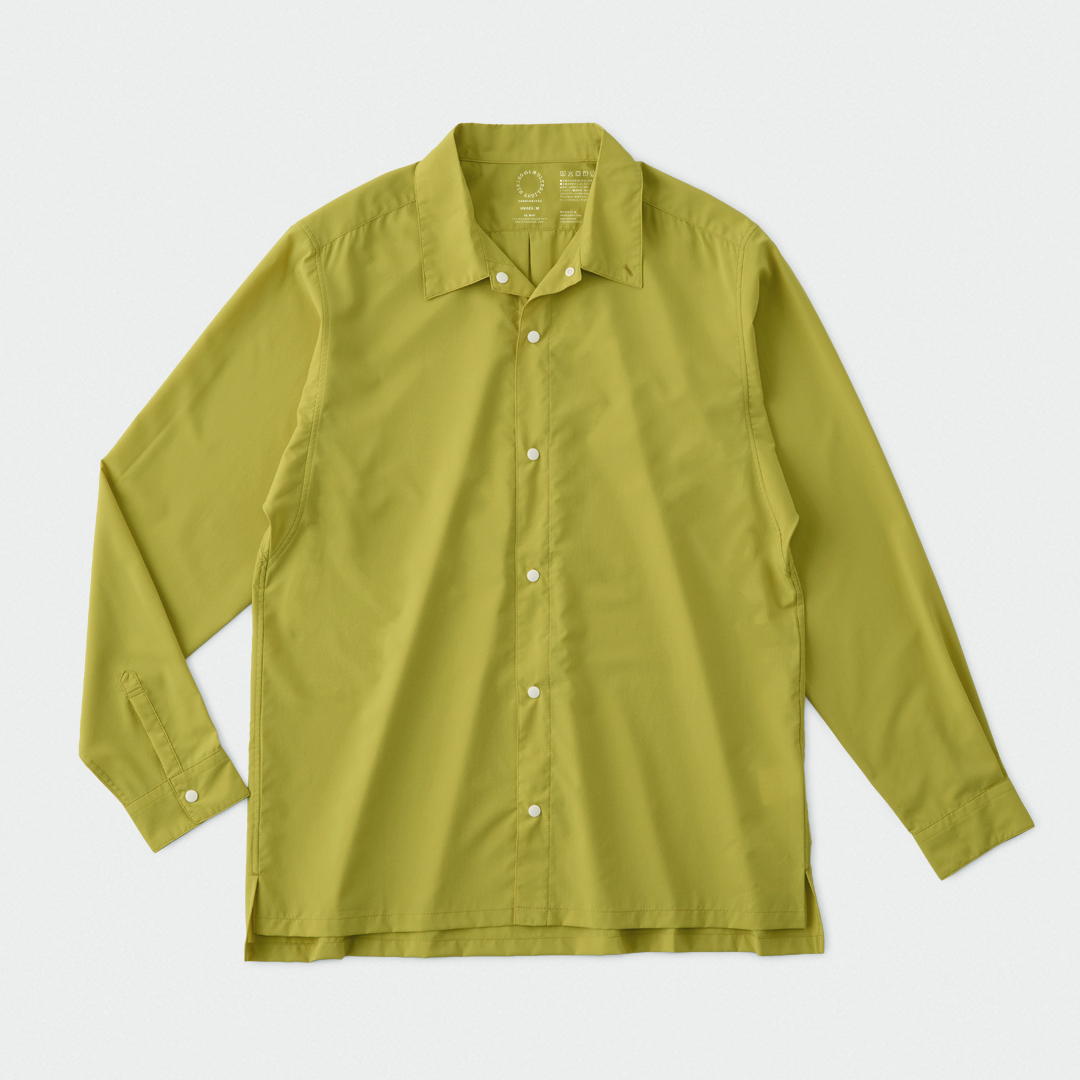
UL Shirt
Shadow Rip(100% Polyester)
Extremely lightweight, resistant to wrinkling, and highly portable, making it versatile as both activewear and change of cloth. It offers excellent usability and has a soft texture.
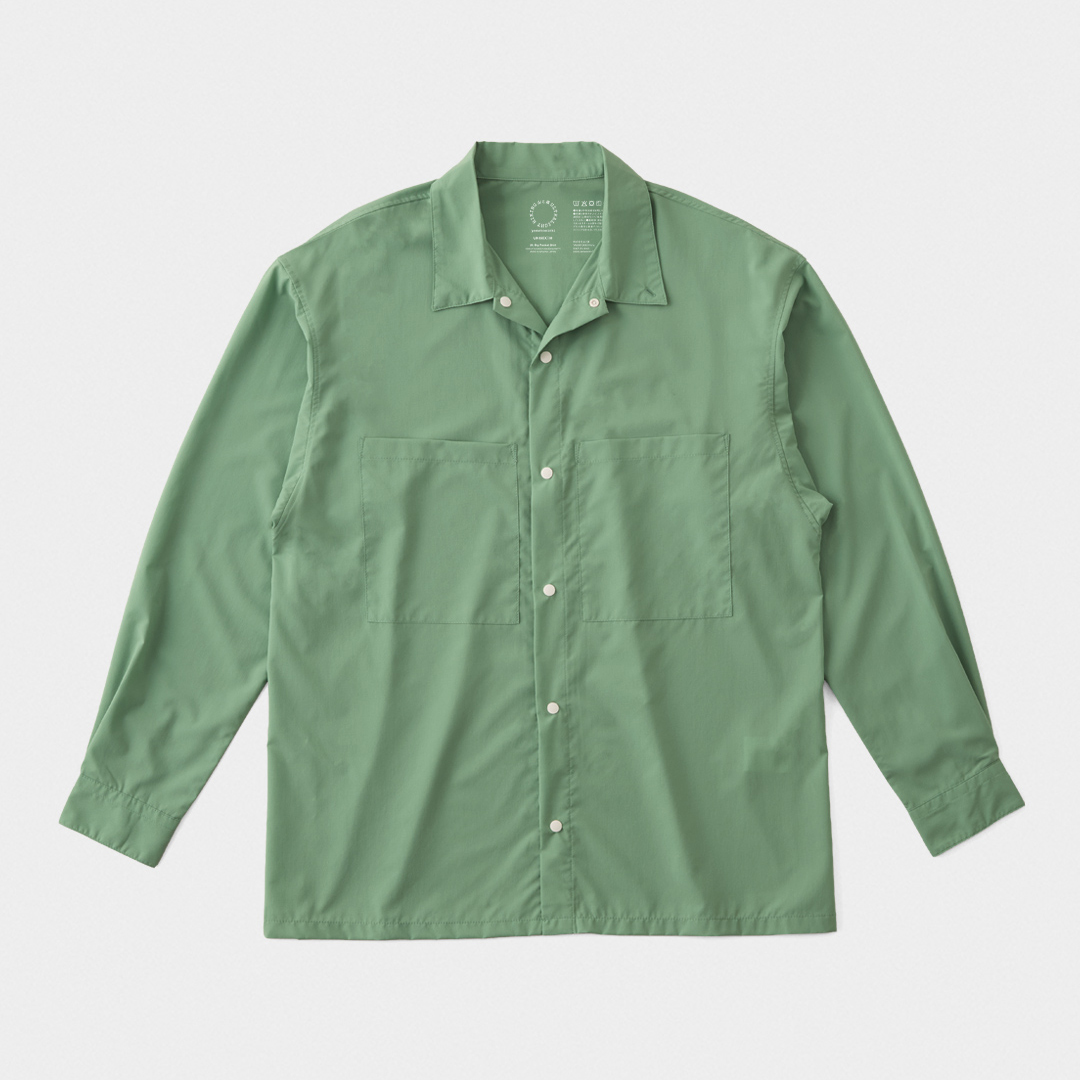
UL Big Pocket Shirt
Shadow Rip (100% Polyester)
Retaining the same light weight and soft feel of the UL Shirt, this version adds two large chest pockets. The cut gives extra room through the shoulders and arms, creating a wide yet balanced silhouette that stays clean even under a backpack.
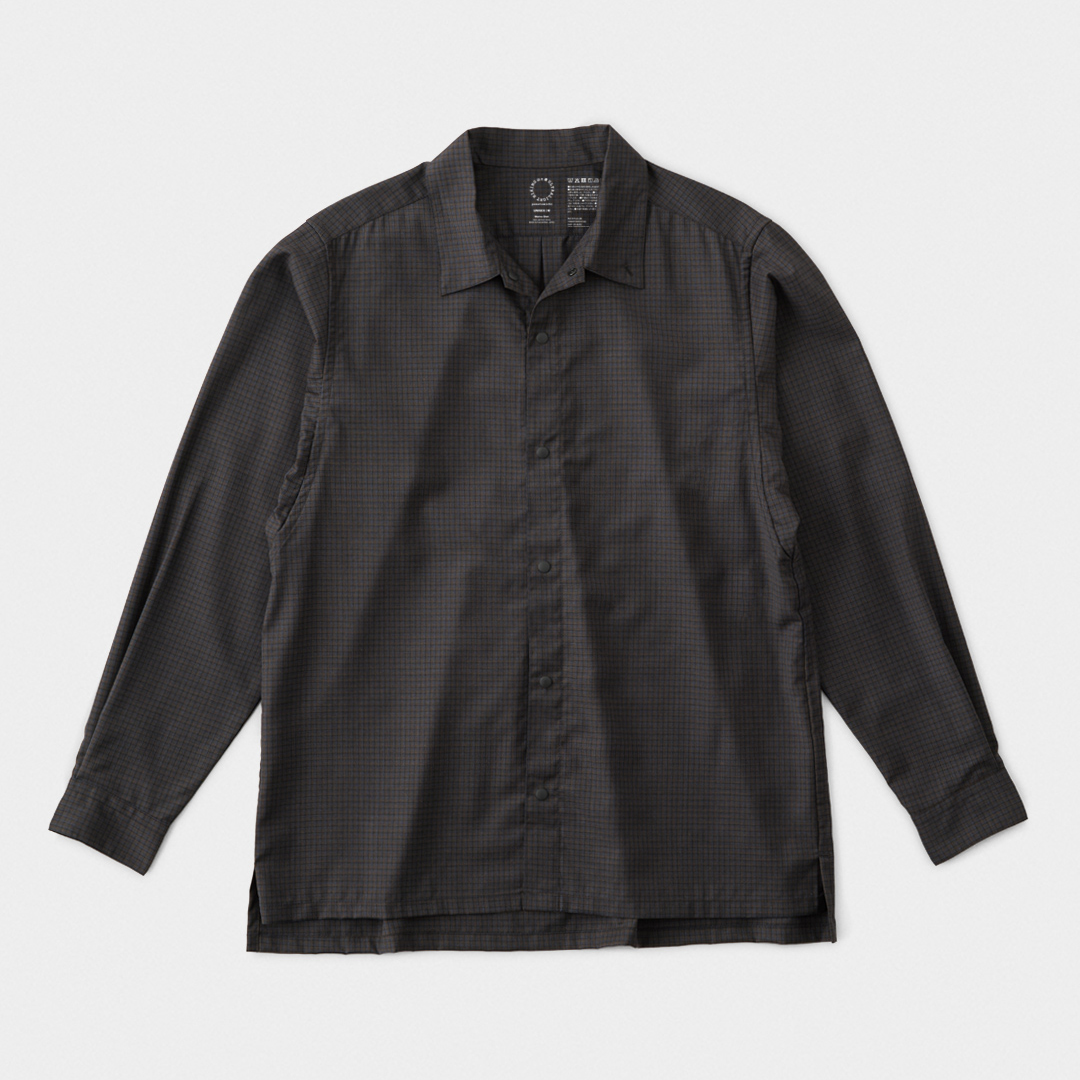
Merino Shirt
100% Merino Wool
Thanks to its high breathability and excellent thermoregulation and moisture-wicking capabilities, it maintains a comfortable environment within. However, in hot enviroments, it may feel warm. It has a slightly firmer texture similar to linen.
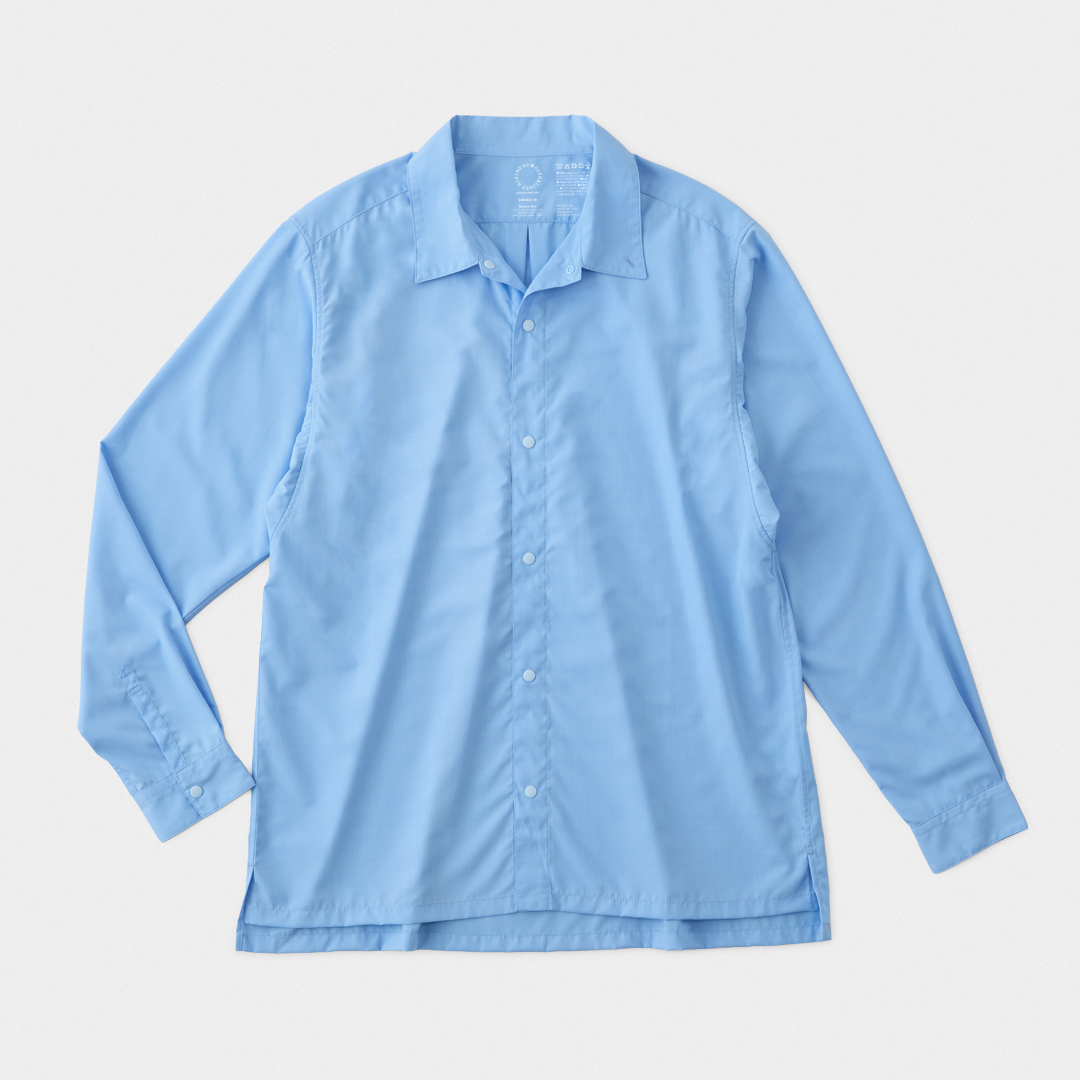
Bamboo Shirt
Bamboo Polyester (50% Rayon, 50% Polyester)
Bamboo Polyester combines the odor-neutralizing and moisture-wicking functions similar to wool with the functionality of polyester (synthetic fiber). Smooth to the touch and excels in sweat absorption compared to the other two products. The shirt becomes more unique in texture and appearance with use.
Kami Shirt
Washi Nylon(72% Recycled Nylon / 28% Washi)
Lightest and fastest-drying
The lightest and fastest-drying shirt in the lineup. Washi helps regulate humidity inside the shirt, while the thin fabric dries quickly after absorbing sweat. Its low-contact fabric structure keeps it dry and cool in summer. Just handle it with care — this fabric is delicate.
UL Shirt
Shadow Rip(100% Polyester)
Extremely lightweight, resistant to wrinkling, and highly portable, making it versatile as both activewear and change of cloth. It offers excellent usability and has a soft texture.
UL Big Pocket Shirt
Shadow Rip (100% Polyester)
Retaining the same light weight and soft feel of the UL Shirt, this version adds two large chest pockets. The cut gives extra room through the shoulders and arms, creating a wide yet balanced silhouette that stays clean even under a backpack.
Merino Shirt
100% Merino Wool
Thanks to its high breathability and excellent thermoregulation and moisture-wicking capabilities, it maintains a comfortable environment within. However, in hot enviroments, it may feel warm. It has a slightly firmer texture similar to linen.
Bamboo Shirt
Bamboo Polyester (50% Rayon, 50% Polyester)
Bamboo Polyester combines the odor-neutralizing and moisture-wicking functions similar to wool with the functionality of polyester (synthetic fiber). Smooth to the touch and excels in sweat absorption compared to the other two products. The shirt becomes more unique in texture and appearance with use.
Review
Our staff tested the Kami Shirt in three very different places: Washington State, the Annapurna Circuit in Nepal, and TDS, one of the toughest trail races in the Alps.
From 2°C to 35°C
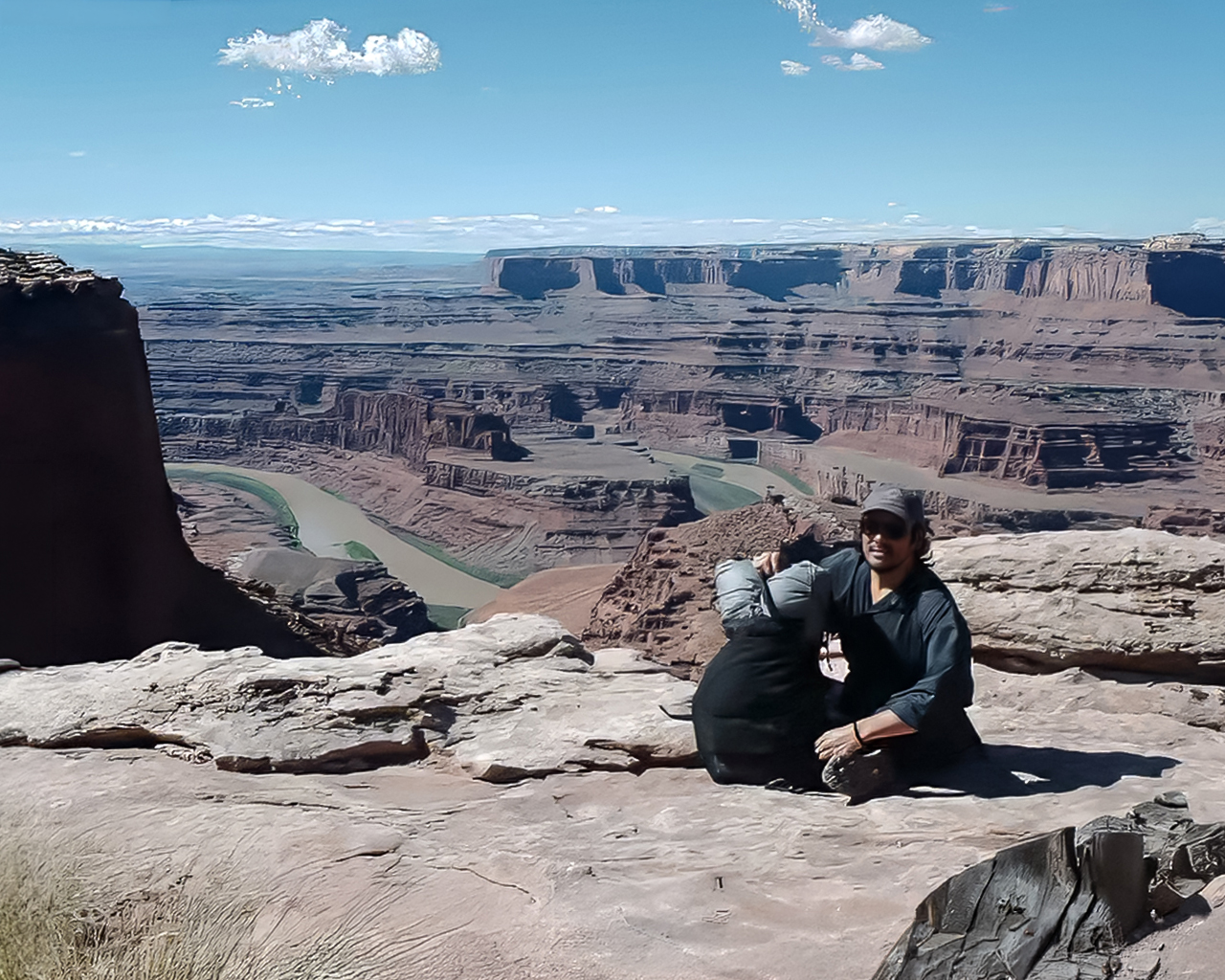
Daisuke Ito: Yamatomichi Kyoto Staff
Drawn overseas by a love of travel, Daisuke became deeply interested in outdoor culture through canoe touring in Canada and trekking in Alaska. He later hiked the PCT and CDT in the U.S. and the Camino de Santiago in Spain. The ultralight culture he encountered on those journeys eventually led him to Yamatomichi. He is still exploring what “traveling in his own way” means.
In August 2025, I hiked for six days in Washington State, covering around 200km. The route ranged from 400m to 2,408m in elevation, with temperatures from 2°C to 35°C. While hiking, it was mostly between 8°C and 35°C, with low humidity around 15–50%. It was generally dry, so I was never drenched in sweat.
I wore the Kami Shirt over a Chemical B Pocket T-shirt, and it worked extremely well as an active layer in warm conditions. It blocks more wind than the UL Shirt, but because the fabric is so thin, it never felt hot or stuffy. With the front buttons closed, it cut the wind well, which made it a good match for this trip’s wide temperature range.
On a clear 30°C day with 30% humidity, I wore it for sun protection. Even with almost no wind, it did not feel too hot. I also kept it on while hiking uphill at around 20°C, so I think it will work well for summer hiking in Japan too.
I kept wearing it on later hikes without washing it and brought it home with almost no odor. It also felt less sticky than the UL Shirt, probably because of the way the fabric absorbs moisture and feels against the skin.
A technical alternative to the usual wind shell
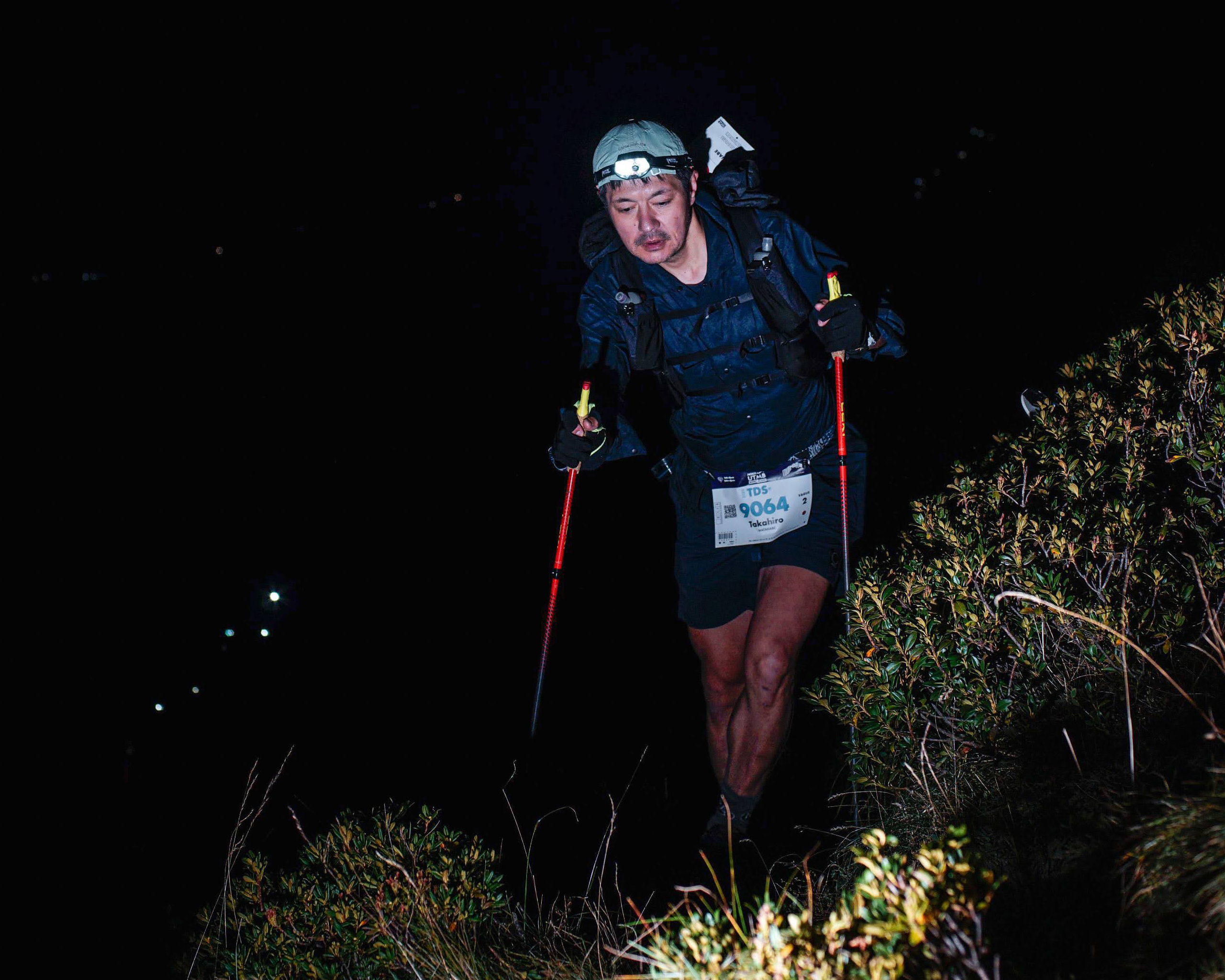
Takahiro Watanabe: Yamatomichi R&D Manager
Takahiro works on product planning and research, covering everything from outdoor gear materials to market trends. Outside Yamatomichi, he works in data analysis and marketing support, while also taking on travel-related projects. His mountain style is mainly fastpacking, with the occasional road race or trail race.
In August 2025, I raced TDS in the European Alps. The weather was expected to be unstable, with big temperature swings and possible rain, so I wore the Kami Shirt over a Chemical B.
I was worried that a normal wind shell would feel wet and sticky during high-output sections, or when cold mist rolled in. So I went straight into the race with the Kami Shirt, relying on its moisture absorption and quick-drying performance. No test run. Slightly reckless, but it worked.
It turned out to be exactly the right choice. The shirt released sweat well, felt comfortable even when damp from night mist, blocked enough wind, and never caused me to overheat. While other runners were putting shells on in strong wind and taking them off again at lower elevations, I was able to keep moving without stopping.
During the hot daytime sections, I even soaked it in a stream to use evaporative cooling. It dried almost too fast under the strong sun, so the effect did not last long, but it felt great for a while. That is something you would never do with a water-repellent shell.
It may look like a classic button shirt, but it works as a technical layer you can actively use in wet conditions. For me, it is a unique mountain tool that sits apart from a traditional wind shell.
A dry, airy feel unlike any other shirt
Hiroki Kimura: Yamatomichi HLC Staff / Sales
Before joining Yamatomichi, Hiroki worked in digital fabrication education for children, helping launch stores and manage regional operations. His love of travel began with trips with his father as a child, and later grew into journeys to remote parts of the world and desert marathons. Through Yamatomichi, he hopes to help build a hiking community where everyone can feel comfortable being themselves.
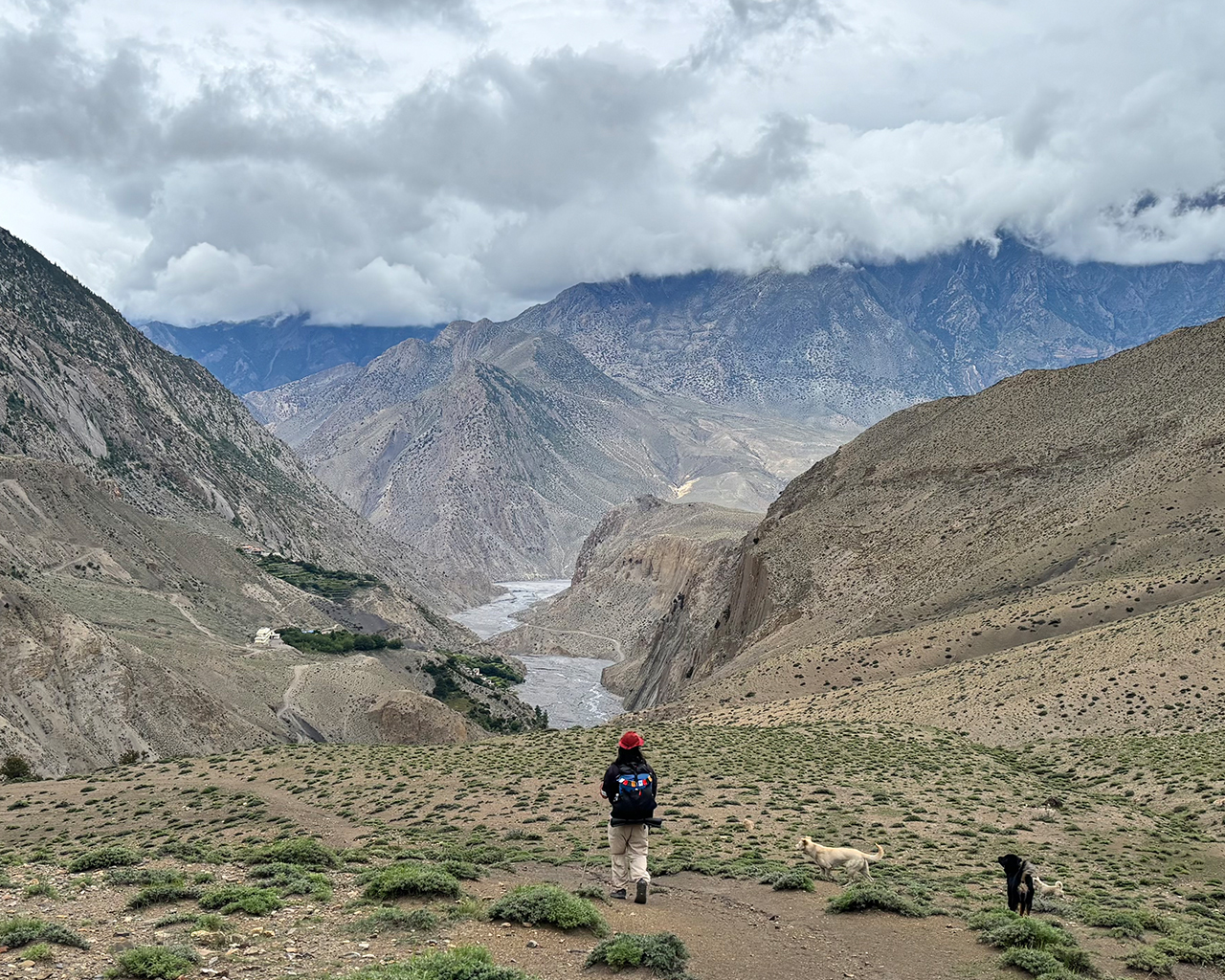
I hiked the Annapurna Circuit in Nepal over 10 days, from 2,500m to 5,400m. Temperatures ranged from 0°C to 20°C, with a mix of cloudy and sunny weather. I wore the Kami Shirt over a 100% Light Merino Long Sleeve the entire time.
The first thing I noticed was how light it felt — even lighter than the UL Shirt. It also had a good balance of breathability and wind protection. Since it blocks more wind than the UL Shirt, it felt reassuring in strong wind.
The thin fabric and slight crispness gave it a unique feel I had not experienced in our other trail shirts. Dry to the touch, but with a soft, airy feel. Strange in a good way.
There were a few things I noticed too. Around day five, the upper part of the shirt started to fade.* The areas covered by my backpack shoulder straps did not change, so UV exposure seemed to be a major factor. It also wrinkles more easily than the UL Shirt. The wrinkles ease out as you keep wearing it, but some people may notice them.
*This review was based on a sample made before the dye was updated. The finished product has been improved, but fading may still occur over time with use.
Material
Washi Nylon
Washi Nylon is a hybrid fabric woven from yarn that twists together traditional Japanese washi paper and fine, flexible nylon.
Washi brings moisture control, quick drying, and odor resistance. Nylon adds lightness and strength. By combining both in a single yarn, the Kami Shirt gets a feel unlike any shirt we have made before.
Why washi “breathes”
Washi has been used in Japan for about 1,500 years, from letters, shoji screens, fusuma, folding screens, and room dividers to ink painting, scrolls, and picture scrolls.
Its strength as a fabric comes from its structure. Wood fibers are naturally porous, and washi has more open space than ordinary paper. That gives it excellent moisture absorption, quick drying, and a dry feel that helps reduce stuffiness and stickiness inside clothing.
Those tiny pores also physically trap odor-causing components such as ammonia, giving washi lasting odor control without chemical treatments.
Because the structure is full of open space, washi is also less than half the weight of cotton at the same mass.
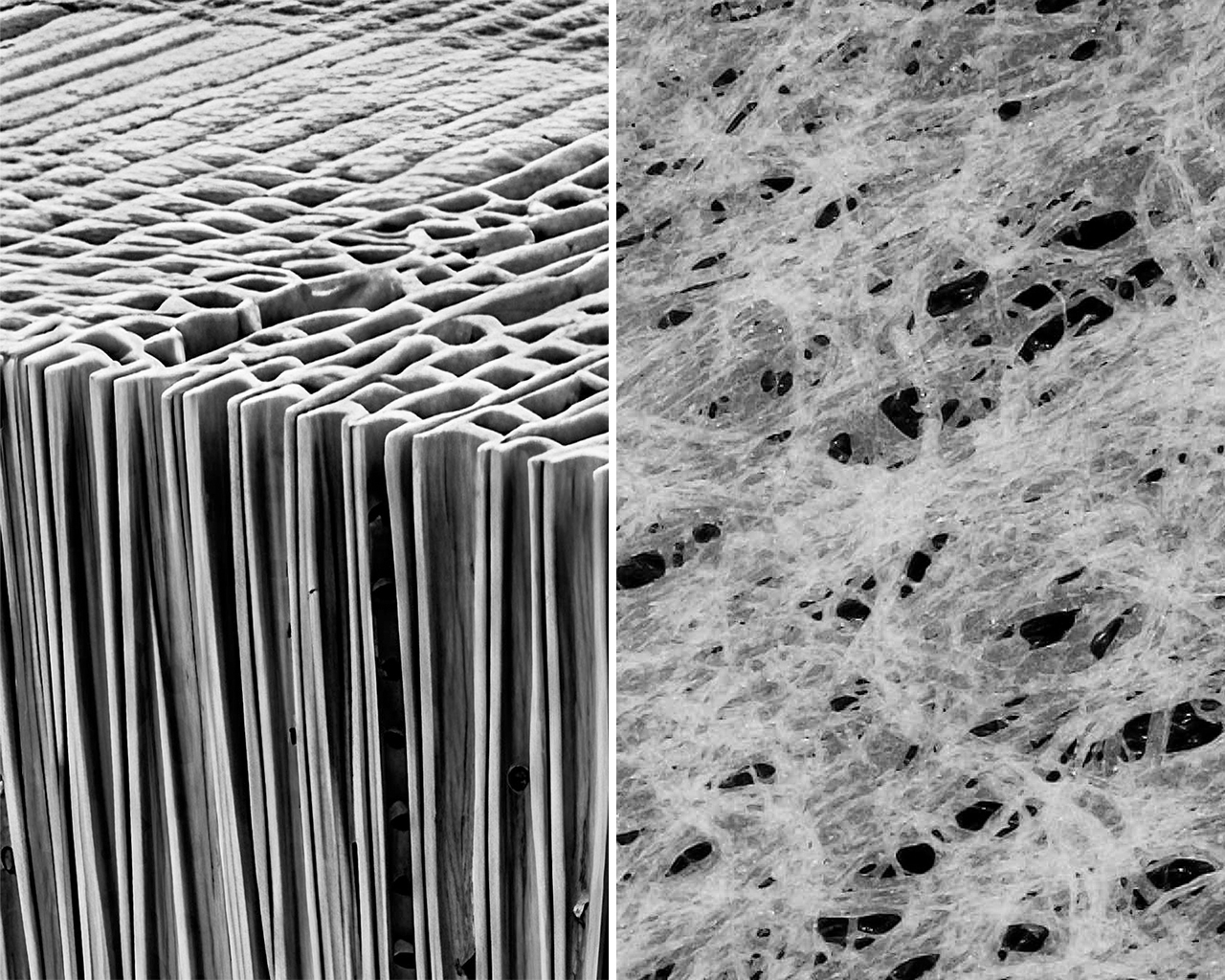
Left: CG illustration of softwood structure at microscopic scale. Wood is actually porous and full of tiny spaces.
Right: Microscopic photo of washi. The fibers are not tightly compressed, leaving plenty of open space between them.
KJF-PPX: a hybrid fabric using the strengths of washi and nylon
KJF-PPX, also known as Kajif Paper Cloth, is a new fabric made with Washi Nylon yarn, which combines traditional Japanese washi paper with nylon.
It keeps the natural benefits of washi — lightness, moisture control, quick drying, and odor resistance — while nylon adds strength and durability. The result is a functional material with a natural feel, made for hot, humid weather and long hours of activity.
For the Kami Shirt, we used a three-layer yarn made with washi strips narrowed from the previous 2mm to just 0.9mm, then wove it with 15d nylon. This helps achieve the fabric’s extreme lightness and comfort.
The difference in thickness between the fine 15d nylon and the Washi Nylon yarn creates subtle texture on the fabric surface, giving it its unique feel and excellent separation from the skin.
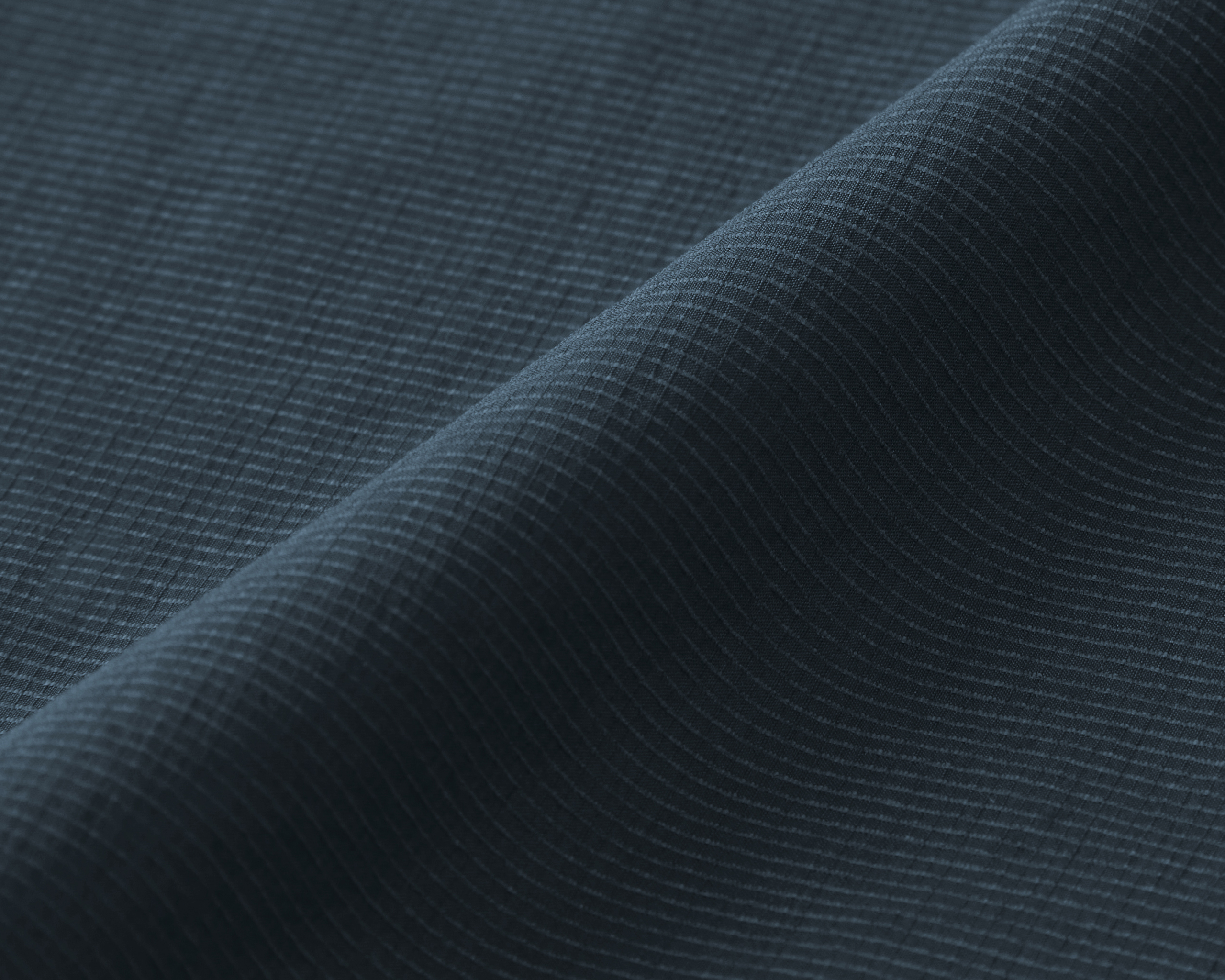
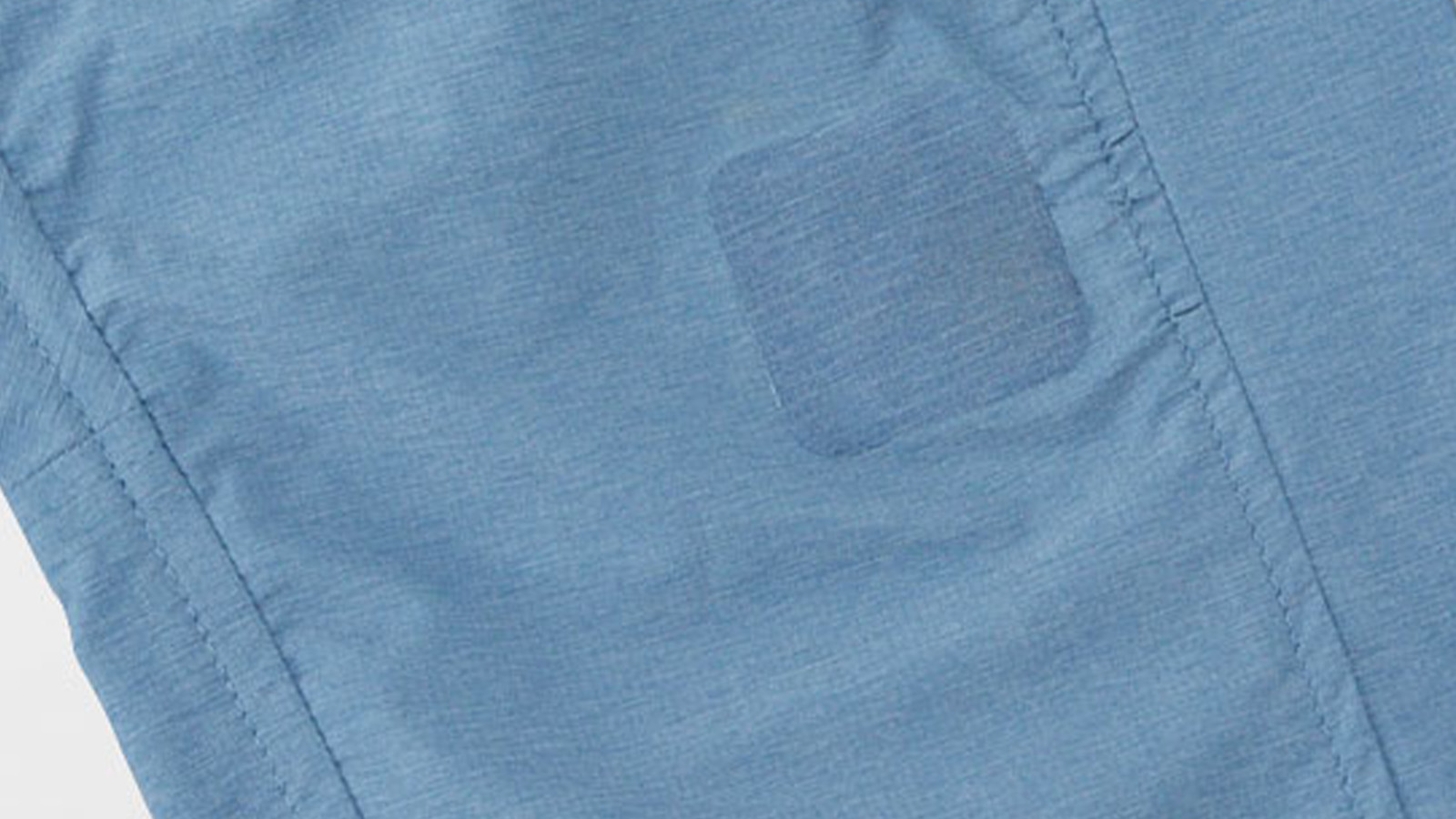
The difference in how the Washi Nylon yarn (white) and nylon yarn (blue) take dye creates a heathered look on the surface, along with a natural, lightly wrinkled texture.
Structure of Washi Nylon yarn
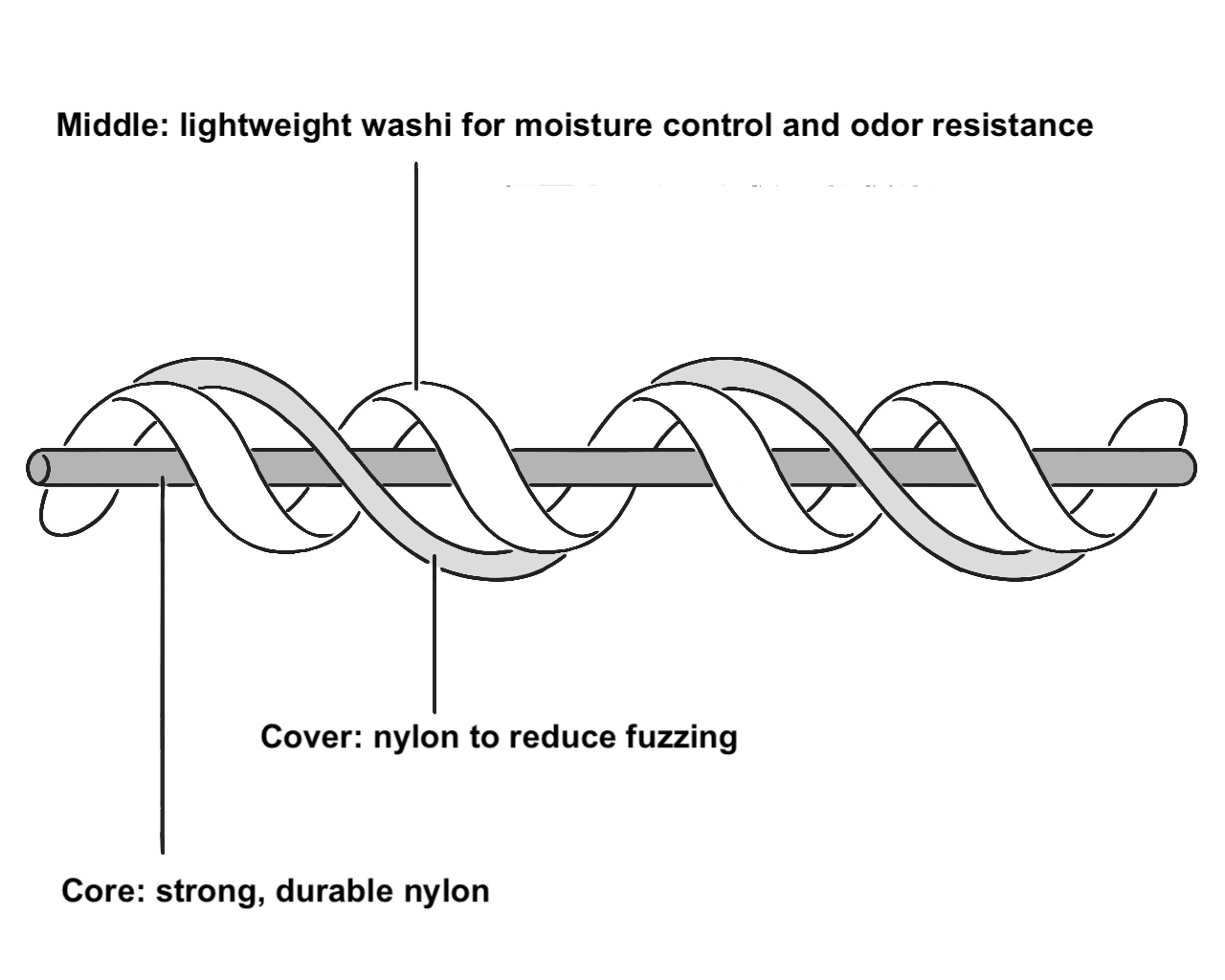
Washi Nylon yarn used in KJF-PPX has a three-layer structure made from washi and nylon. Thinly slit washi yarn provides moisture control and odor resistance, while nylon reinforces strength and durability. Together, they create a comfortable, practical yarn built for outdoor use.
Washi Nylon yarn used in KJF-PPX has a three-layer structure. A nylon core provides strength and durability, slit washi yarn adds moisture absorption/release and odor resistance, and nylon covering yarn helps keep the washi from fuzzing. Together, they create a comfortable, practical yarn built for outdoor use.
Size guide
Size chart
| Size | XS | S | M | L | XL |
|---|---|---|---|---|---|
| Weight (kg) | 42~52 | 50~60 | 57~67 | 64~77 | 74~85 |
| Chest (cm) | 78~84 | 80~88 | 84~95 | 92~102 | 100~110 |
Product dimensions
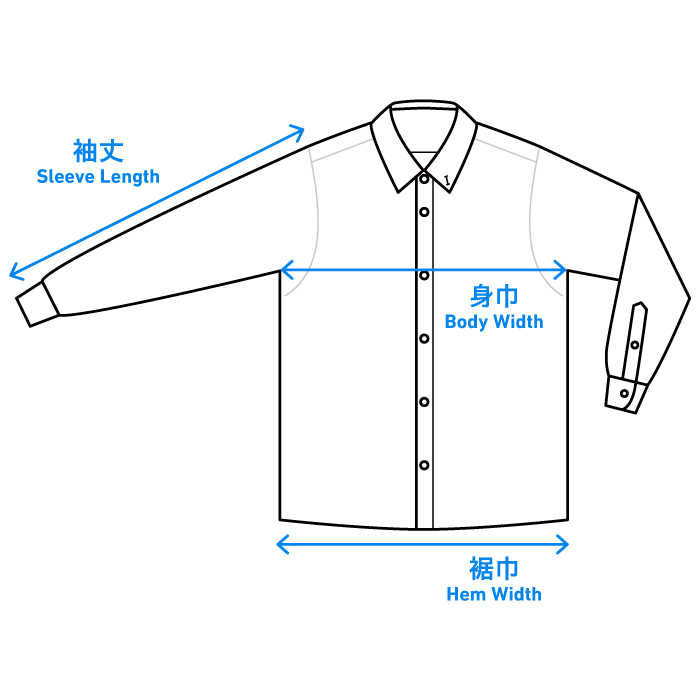
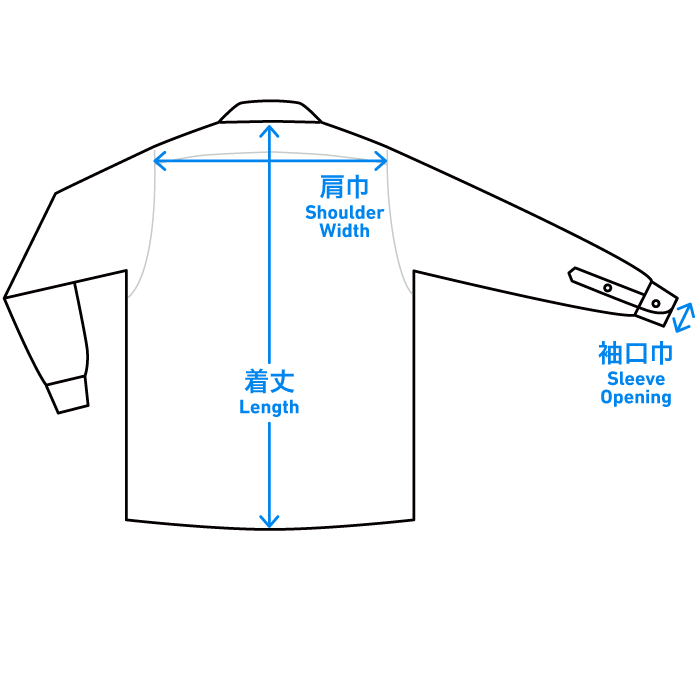
Unit: cm
| Size | XS | S | M | L | XL |
|---|---|---|---|---|---|
| Length | 68.5 | 72 | 74 | 76 | 78 |
| Shoulder width | 40 | 43 | 45 | 48 | 52 |
| Body width | 54 | 59 | 62 | 66 | 70.5 |
| Hem width | 50 | 55 | 57.5 | 64.5 | 66.5 |
| Sleeve length | 55.5 | 61 | 62 | 63.5 | 65 |
| Sleeve opening | 9.5 | 10 | 10.5 | 11 | 11.5 |
※Actual measurements may vary slightly due to fabric stretch and sewing tolerances.
※Sizes may change over time as the fabric can shrink with wear and washing.
Fitting (Men)
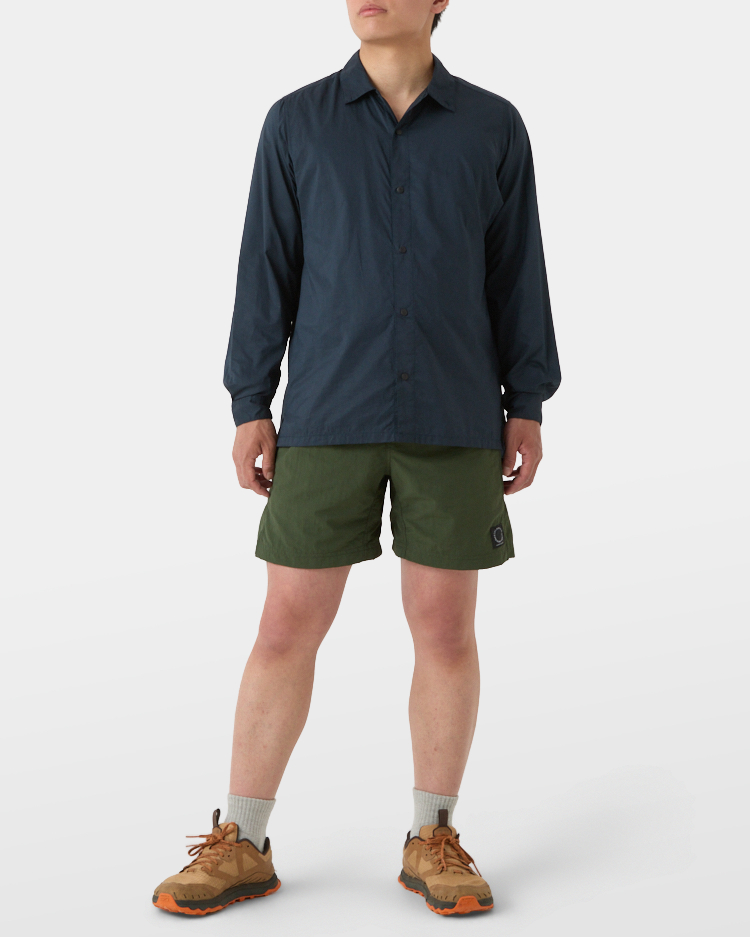
Size S 164cm 54kg
Navy (Daiki)
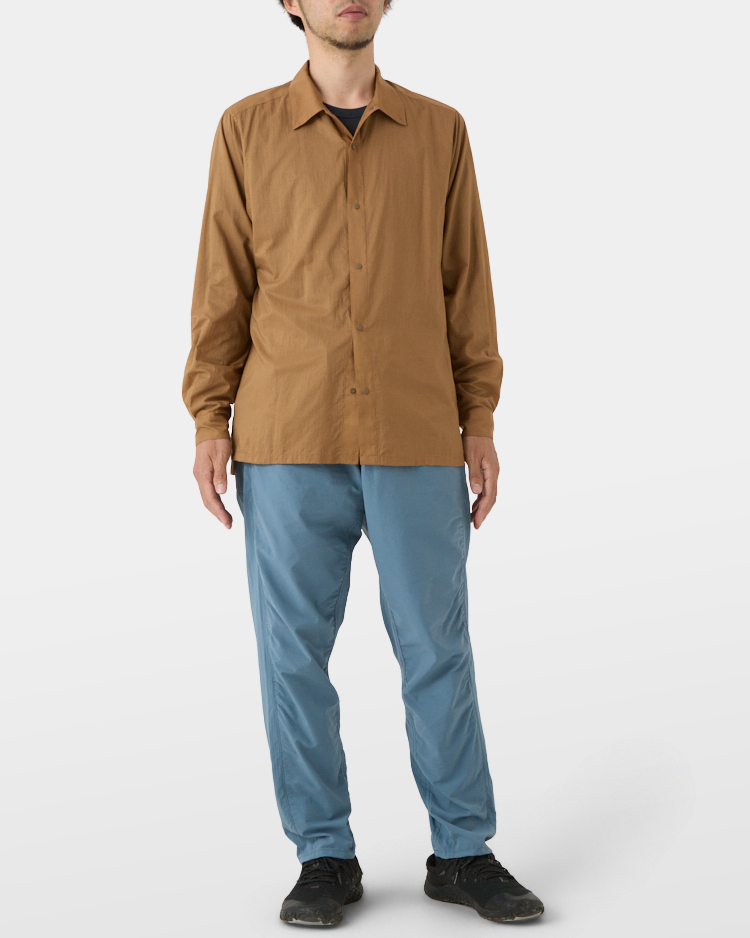
Size M 169cm 63kg
Brown Sugar (Beyonce)
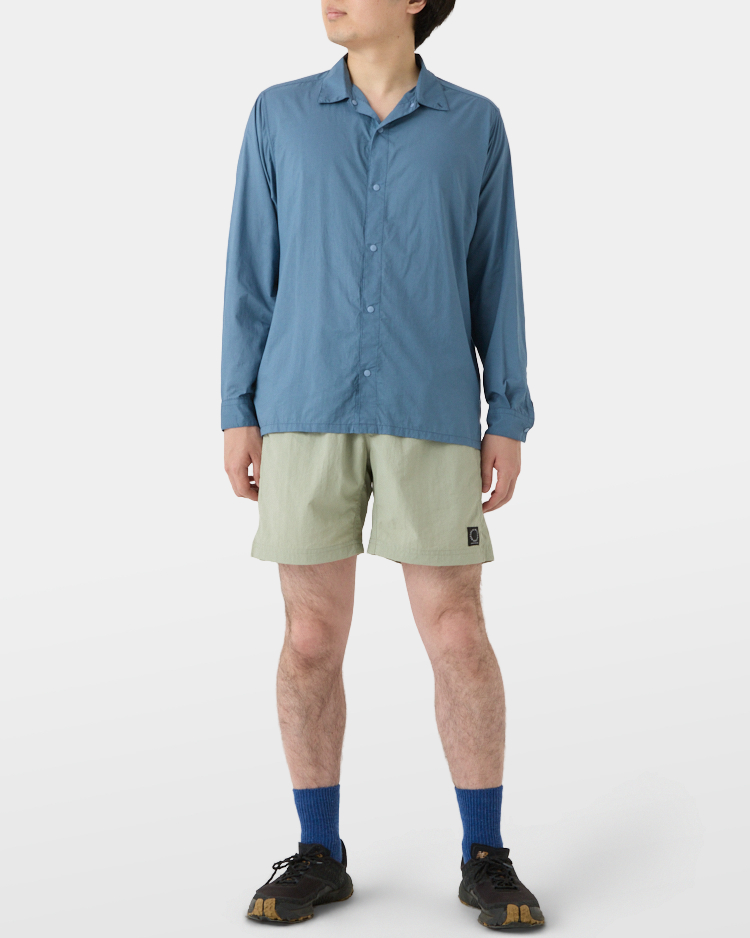
Size L 177cm 73kg
Blue Gray (Seiichi)
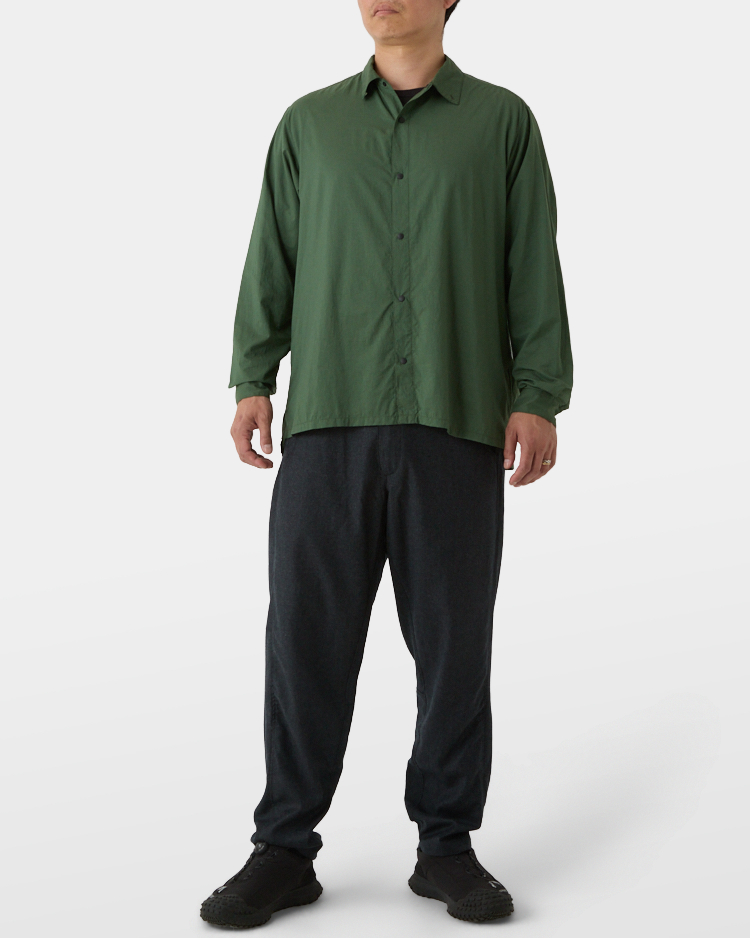
Size XL 183cm 77kg
Pine Green (Kenken)
Size S 164cm 54kg
Navy (Daiki)
Size M 169cm 63kg
Brown Sugar (Beyonce)
Size L 177cm 73kg
Blue Gray (Seiichi)
Size XL 183cm 77kg
Pine Green (Kenken)
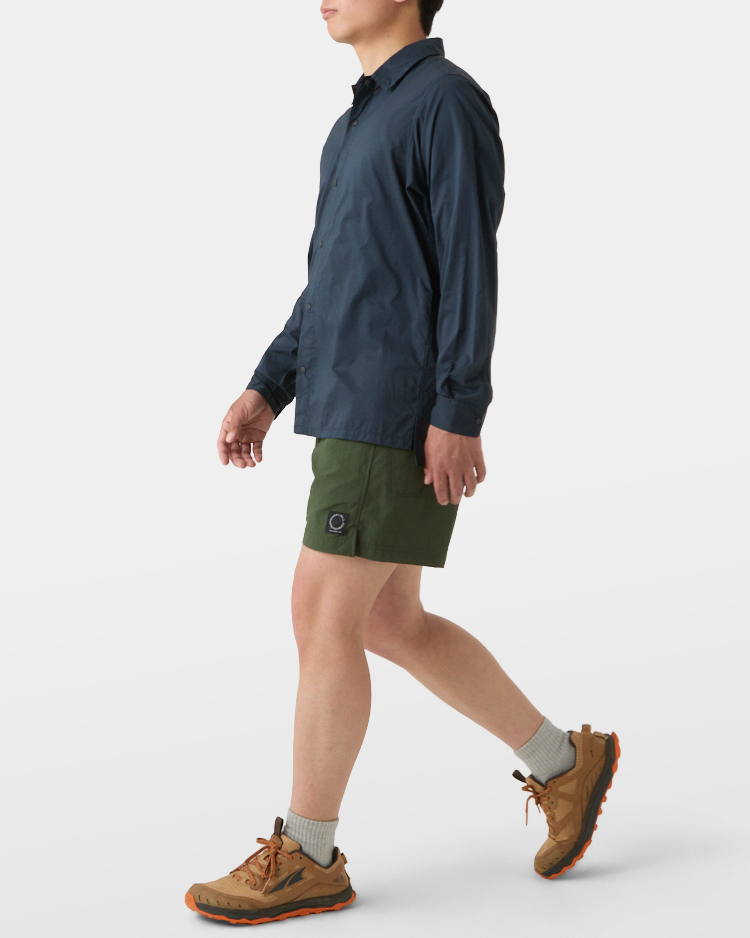
Size S 164cm 54kg
Navy (Daiki)
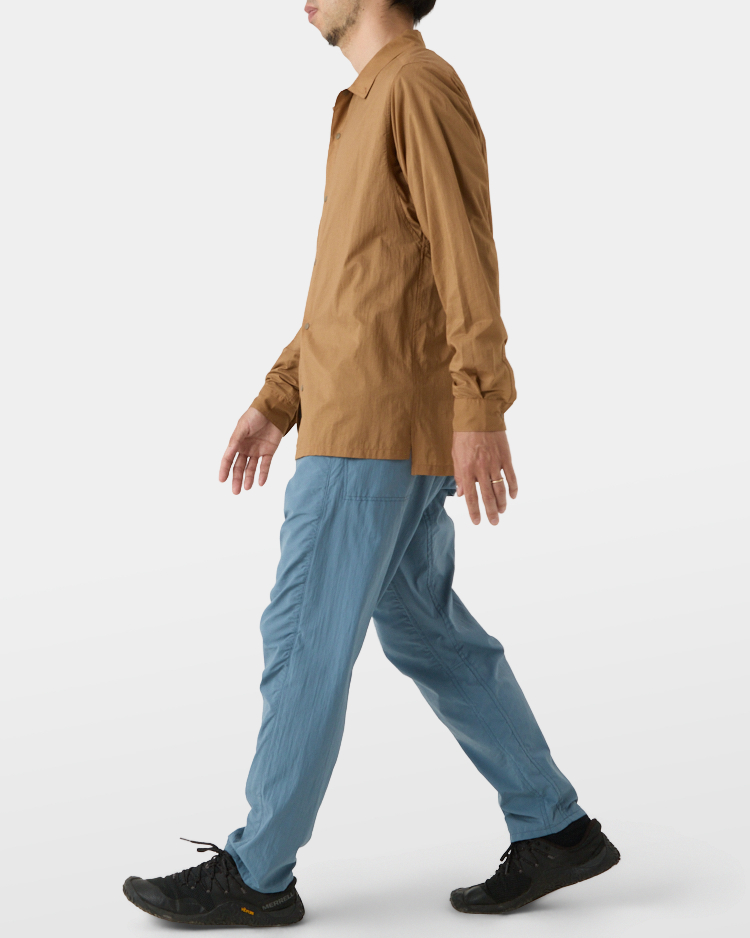
Size M 169cm 63kg
Brown Sugar (Beyonce)
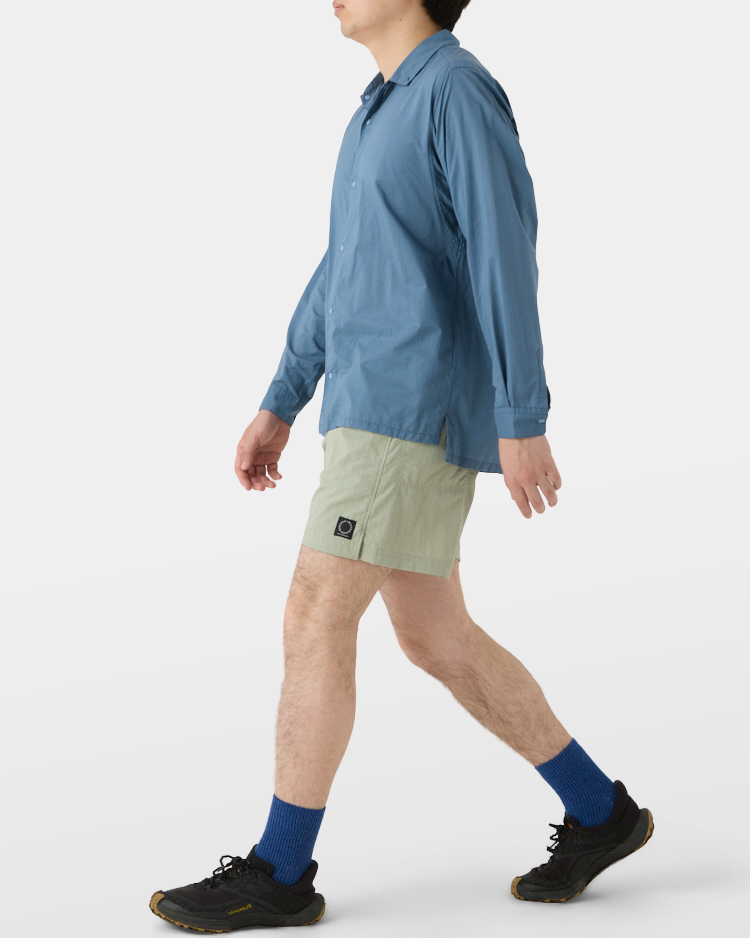
Size L 177cm 73kg
Blue Gray (Seiichi)
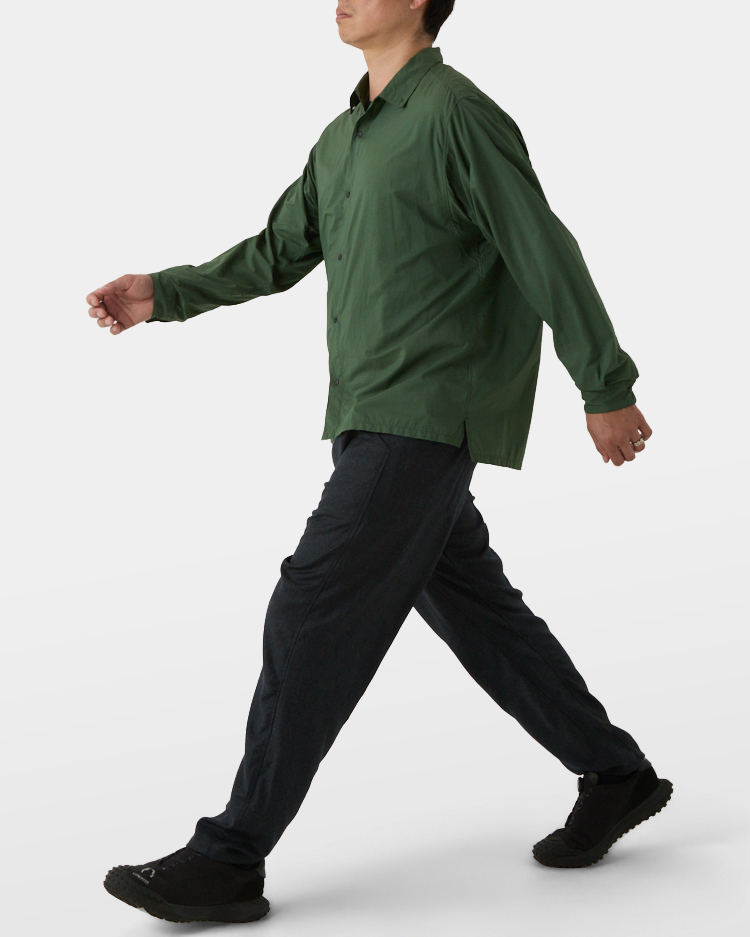
Size XL 183cm 77kg
Pine Green (Kenken)
Size S 164cm 54kg
Navy (Daiki)
Size M 169cm 63kg
Brown Sugar (Beyonce)
Size L 177cm 73kg
Blue Gray (Seiichi)
Size XL 183cm 77kg
Pine Green (Kenken)
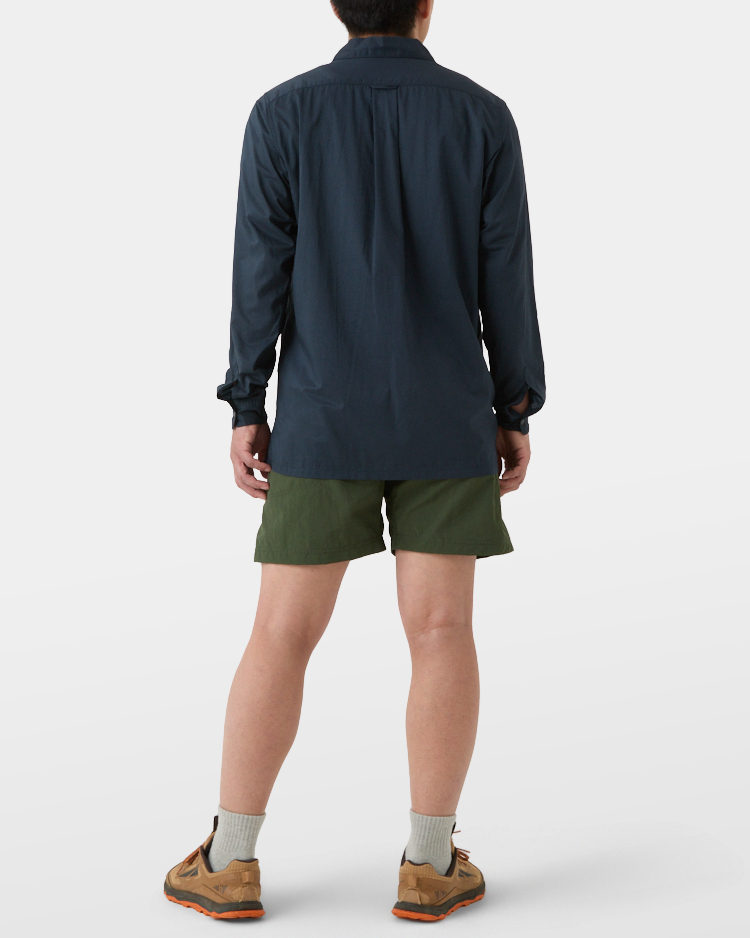
Size S 164cm 54kg
Navy (Daiki)
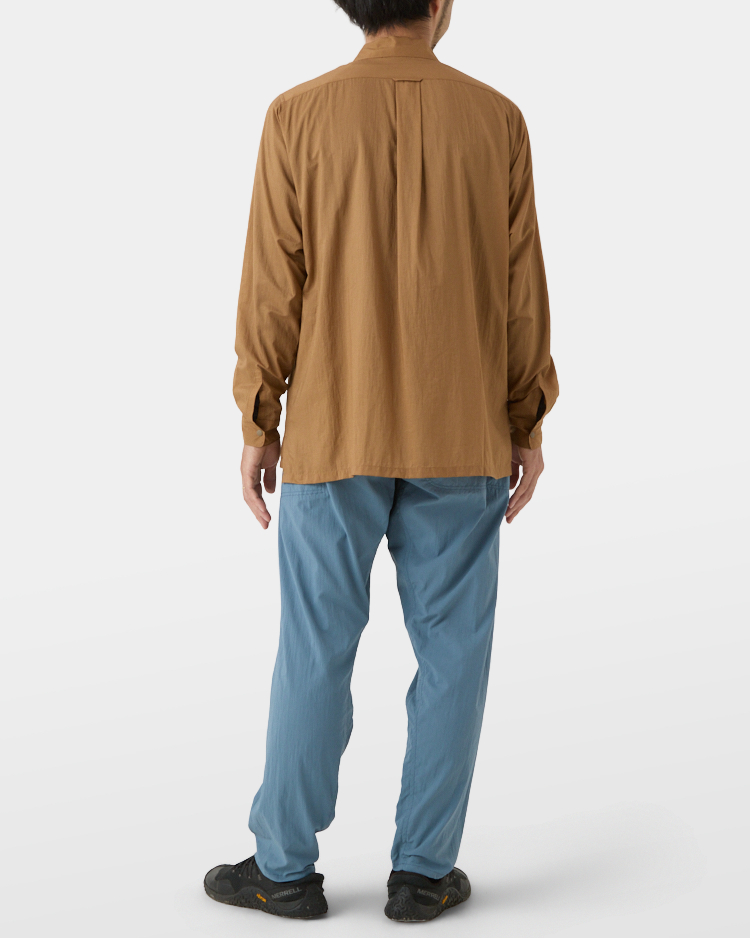
Size M 169cm 63kg
Brown Sugar (Beyonce)
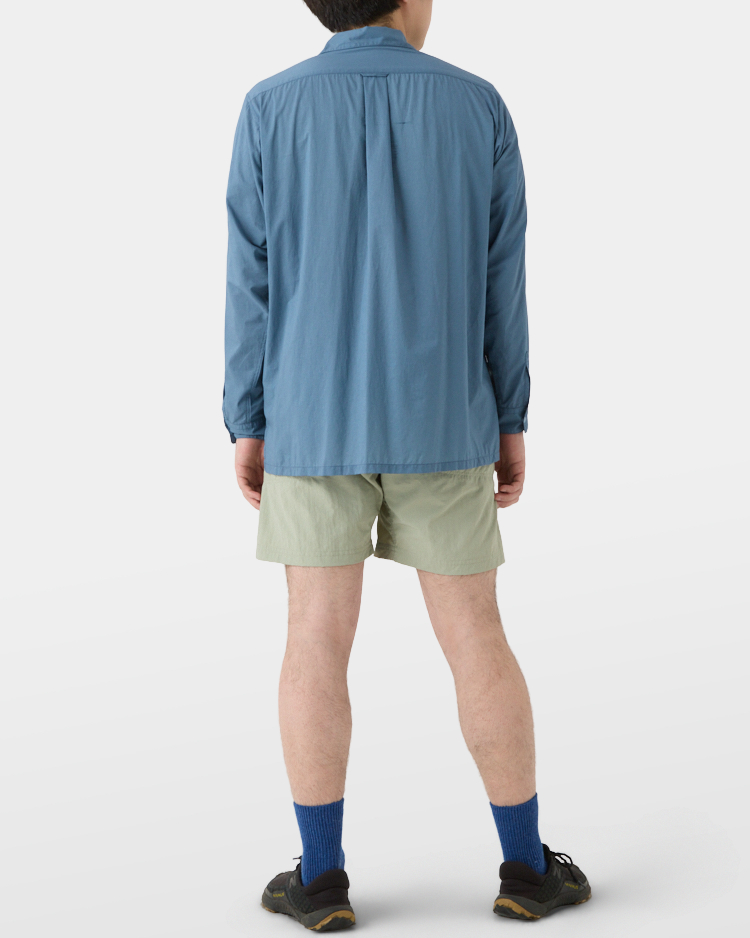
Size L 177cm 73kg
Blue Gray (Seiichi)
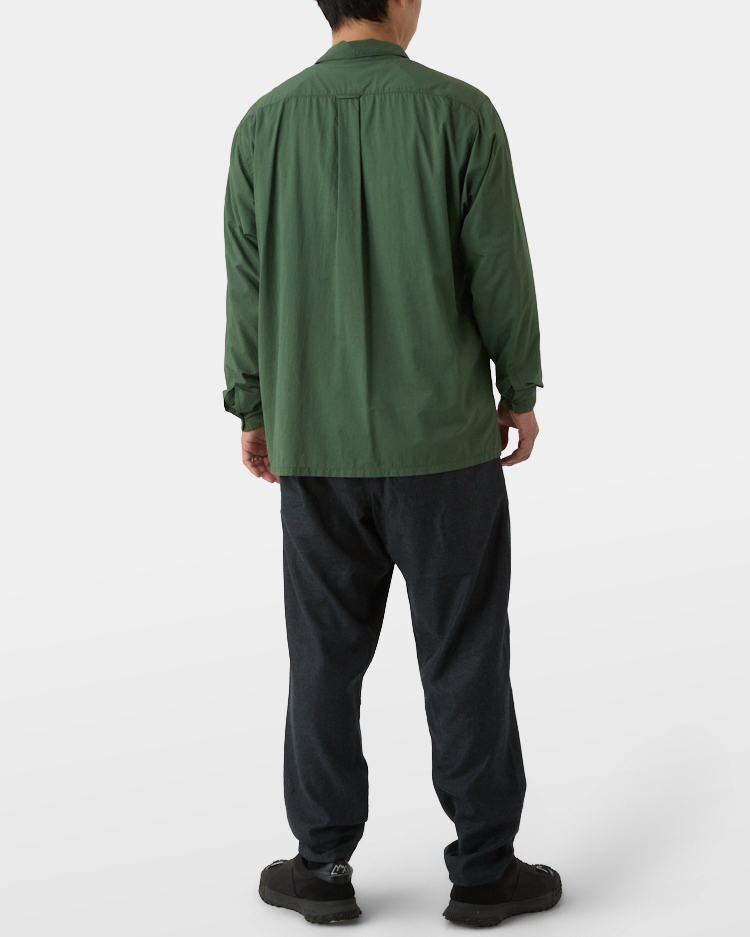
Size XL 183cm 77kg
Pine Green (Kenken)
Size S 164cm 54kg
Navy (Daiki)
Size M 169cm 63kg
Brown Sugar (Beyonce)
Size L 177cm 73kg
Blue Gray (Seiichi)
Size XL 183cm 77kg
Pine Green (Kenken)
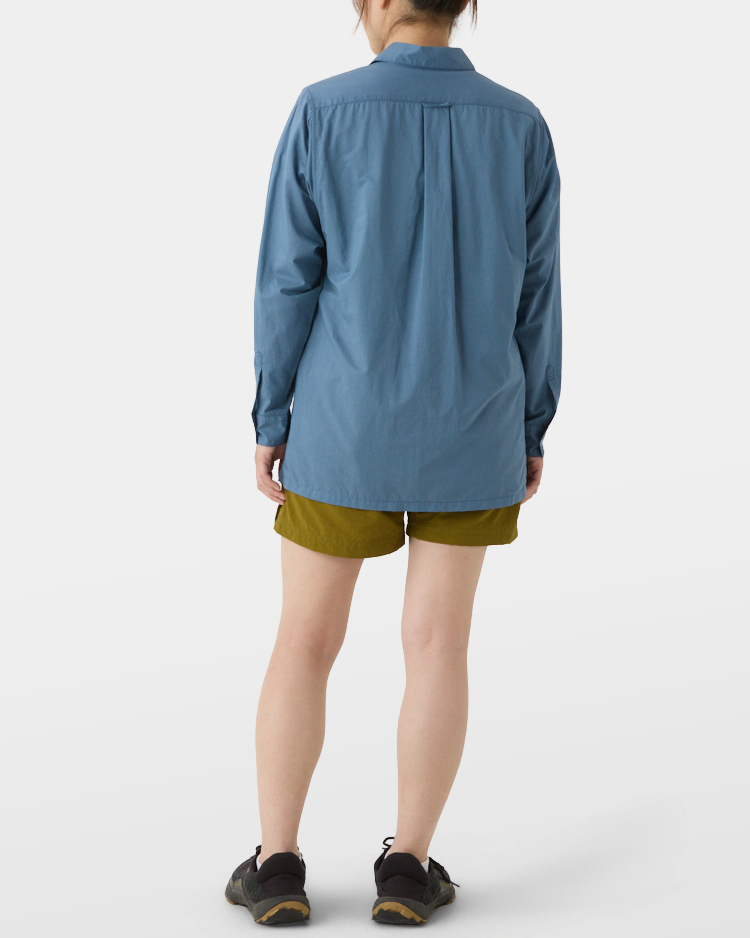
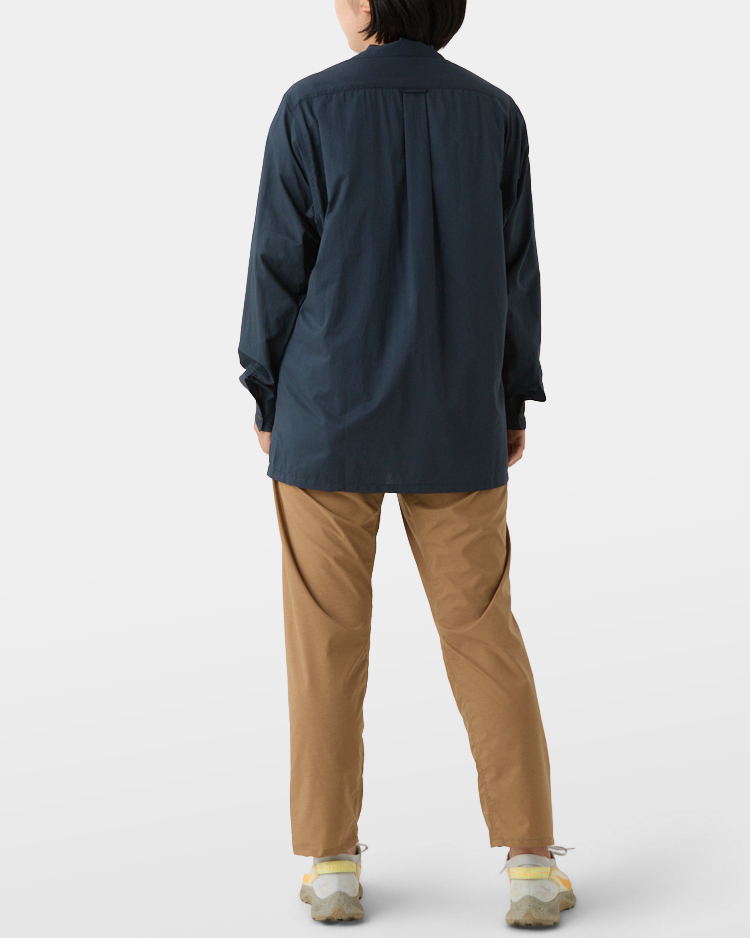
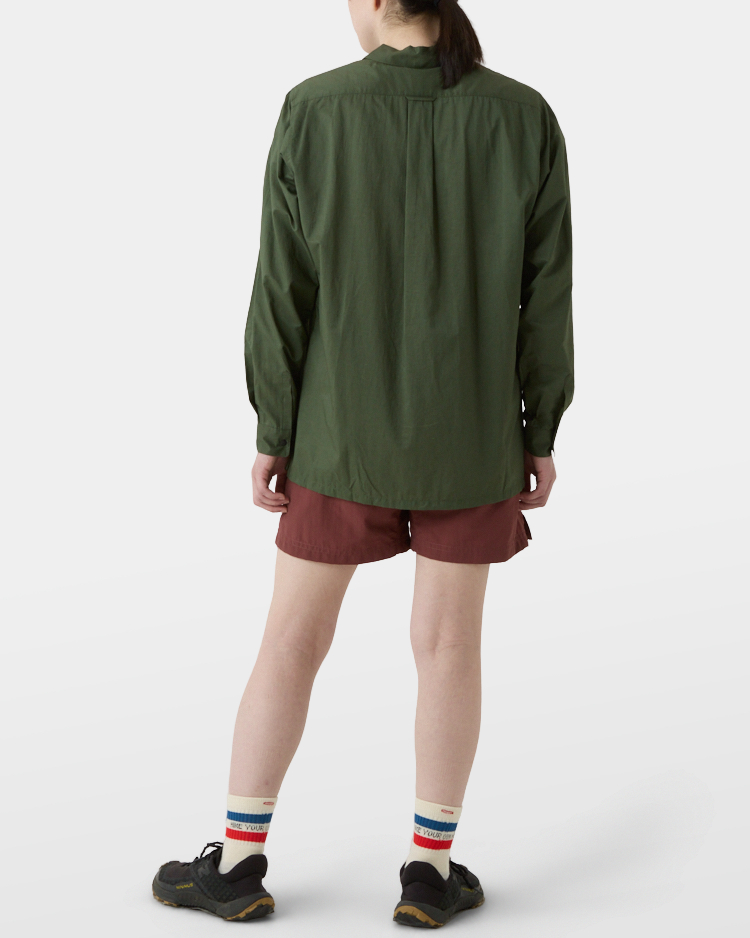
Fitting (Woman)
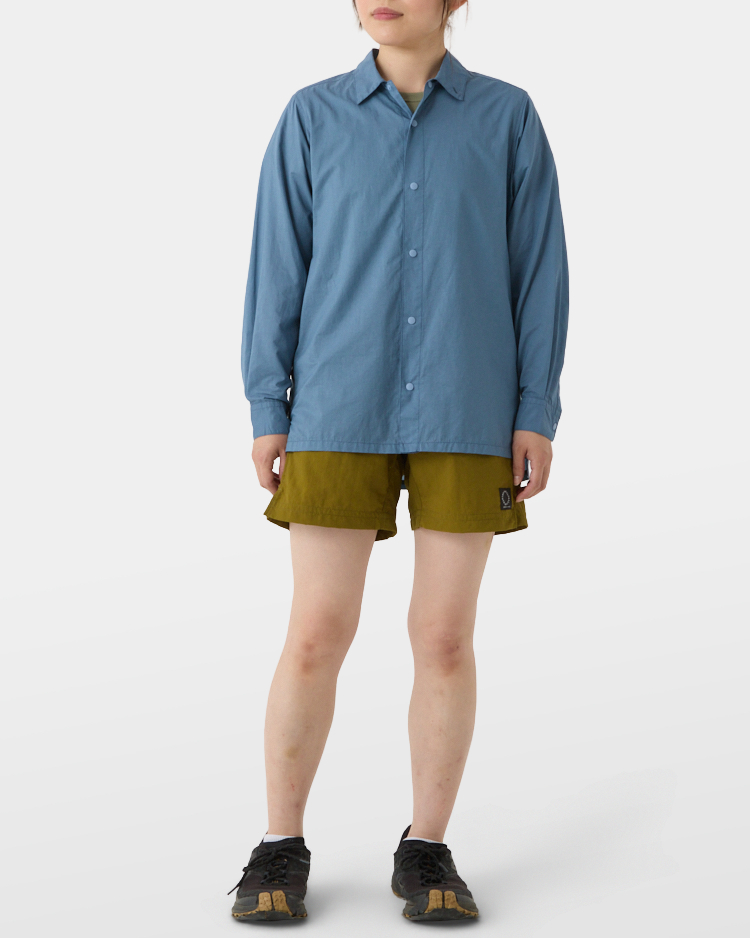
Size XS 153cm 44kg
Blue Gray (Kotomi)
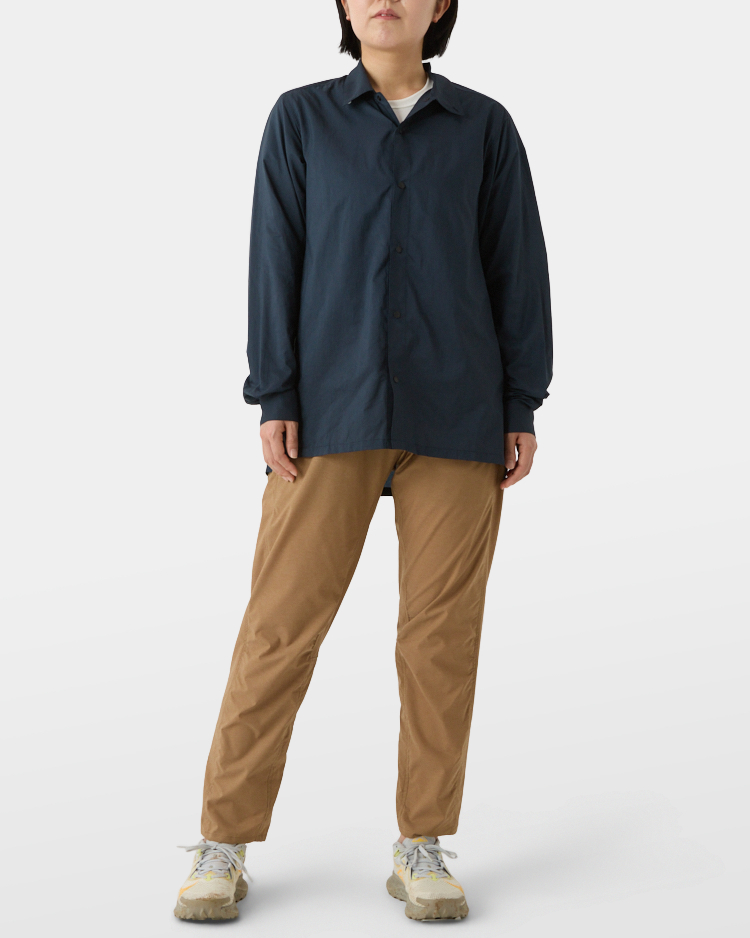
Size M 163cm 54kg
Navy (Oto)
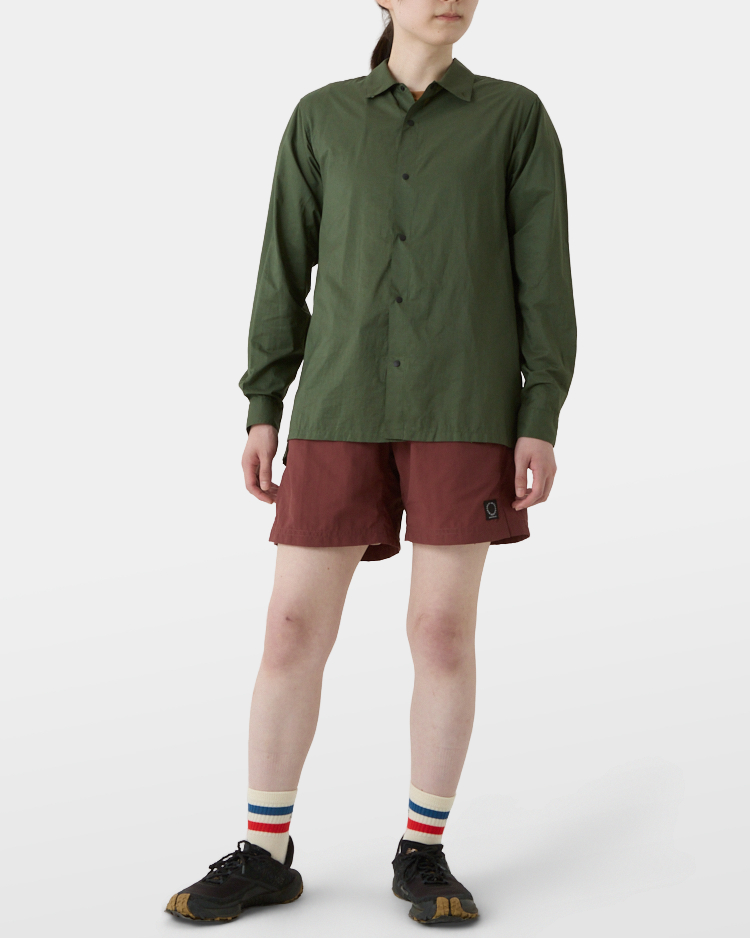
Size M 172cm 60kg
Pine Green (Miwa)
Size XS 153cm 44kg
Blue Gray (Kotomi)
Size M 163cm 54kg
Navy (Oto)
Size M 172cm 60kg
Pine Green (Miwa)
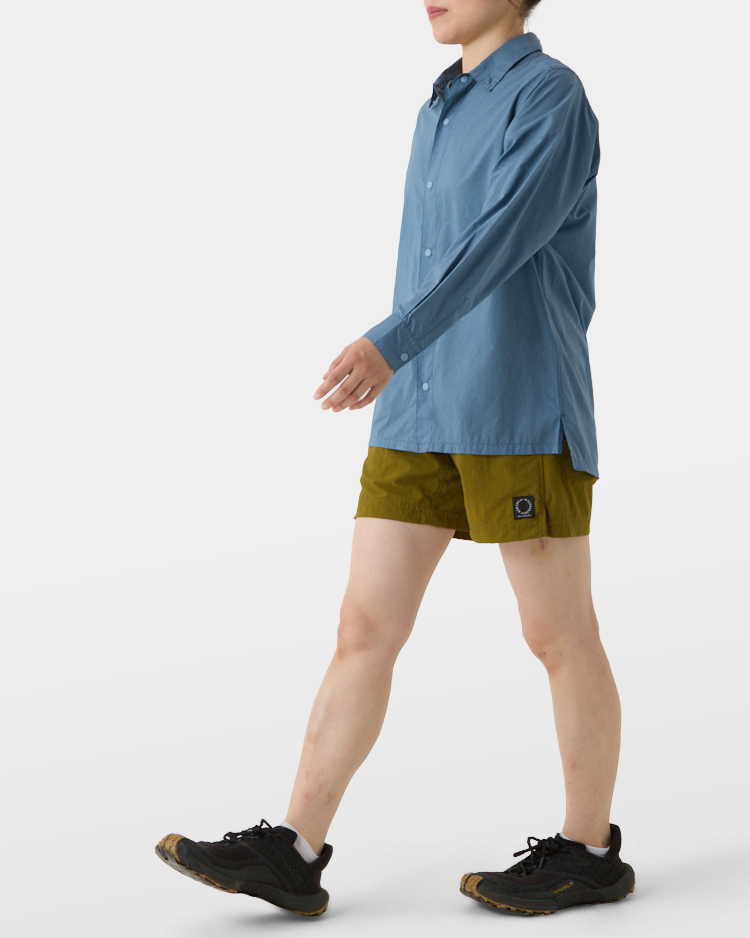
Size XS 153cm 44kg
Blue Gray (Kotomi)
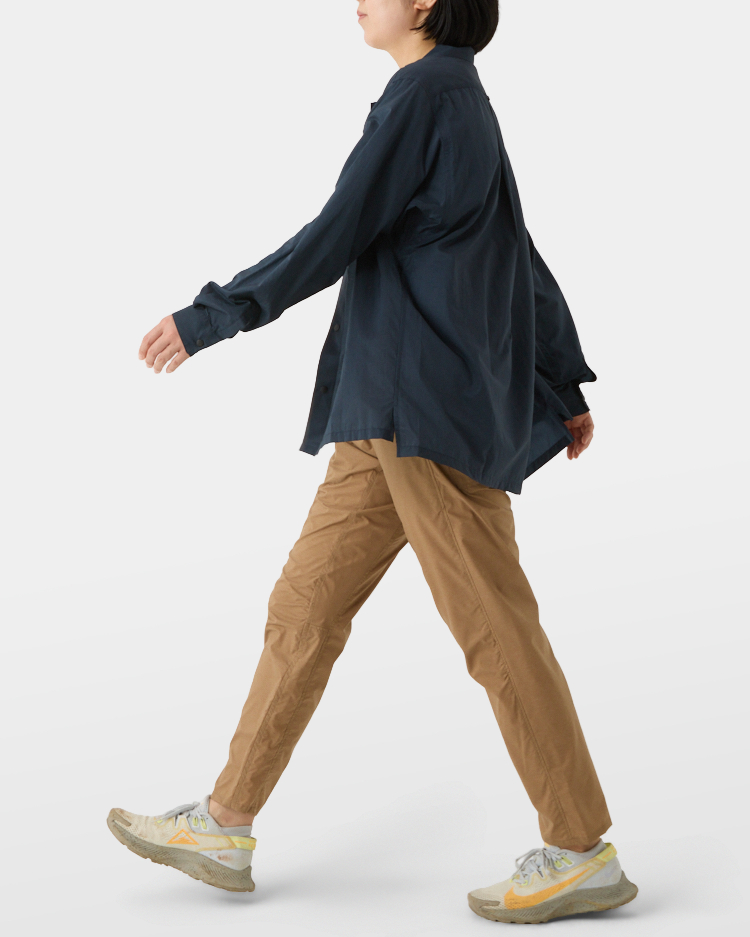
Size M 163cm 54kg
Navy (Oto)
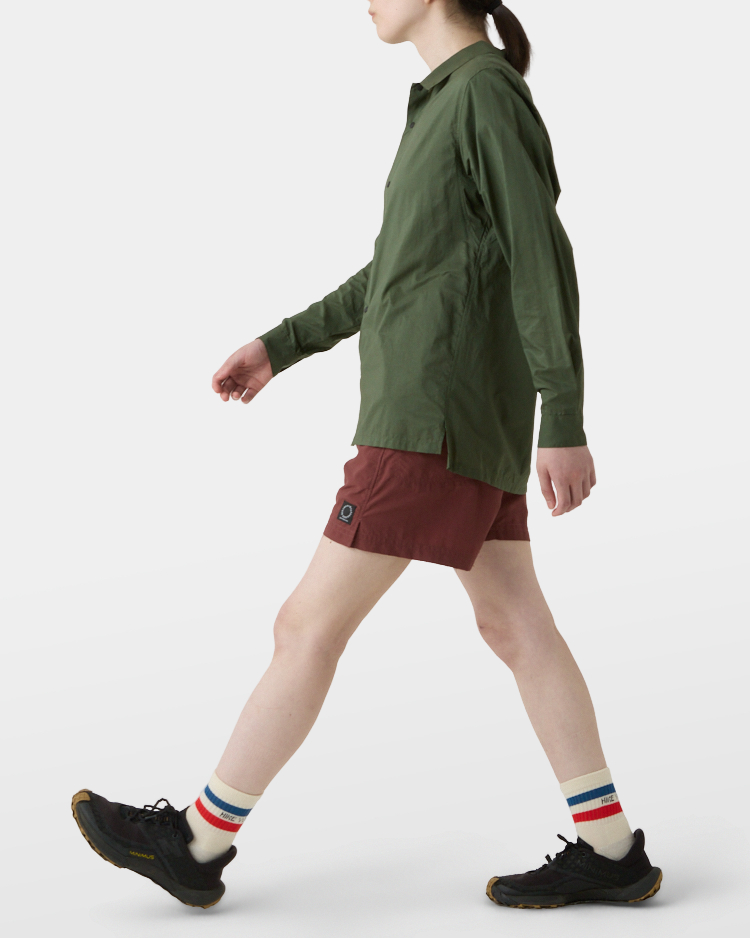
Size M 172cm 60kg
Pine Green (Miwa)
Size XS 153cm 44kg
Blue Gray (Kotomi)
Size M 163cm 54kg
Navy (Oto)
Size M 172cm 60kg
Pine Green (Miwa)
Size XS 153cm 44kg
Blue Gray (Kotomi)
Size M 163cm 54kg
Navy (Oto)
Size M 172cm 60kg
Pine Green (Miwa)
Size XS 153cm 44kg
Blue Gray (Kotomi)
Size M 163cm 54kg
Navy (Oto)
Size M 172cm 60kg
Pine Green (Miwa)
About sweat/UV fading and tear strength
This fabric combines washi yarn and nylon yarn, which age differently due to their material properties. Because washi yarn comes from natural fibers, it is more affected by sweat, UV exposure, and friction than nylon, and its color may change more easily.
With use, the washi yarn may gradually turn whitish, especially in areas exposed to friction. This is a natural change caused by the material itself, and should be understood as part of the fabric’s character as it ages.
Please also note that the fabric does not have high tear strength, especially in the horizontal direction at around 0.4kg, so handle with care when wearing.
Instructions
Care instructions
- Wash with neutral detergent in water at or below 40°C.
- Tumble dry on low heat, up to 60°C.
- Line dry in the shade.
- Do not use fabric softener or bleach.
- Iron on low heat without steam.
- Do not iron directly over snap buttons or printed areas.
Care page
For detailed tips on how to wash, store, and take care of your gear, visit our Care page page.
Payment
- We only accept payment by credit card for orders from overseas.
- Bank transfer is available only to customers with a Japanese bank account.
- We accept the following credit cards: Visa, Mastercard, American Express, and JCB.
- To download your receipt, please click the link included in the dispatch notice email, which will be sent once your order has been shipped.
Delivery
- You will receive an order confirmation email after completing your purchase.
- Orders paid by 15:00 JST on weekdays or 13:30 JST on weekends and Japanese public holidays will be shipped the same day. Orders paid after these times will be shipped the following day.
- Shipping and delivery may be delayed due to holiday periods, natural disasters, severe weather, high order volumes, additional order verification, or other logistical issues.
- You will receive a shipping confirmation email once your order has been shipped.
- Orders placed separately cannot be combined for shipping.
Shipping Within Japan
When purchasing this product on its own, Yamato Transport’s lower-cost Nekopos service is available.
Shipping: ¥250
- Your order will be delivered to your mailbox or parcel box.
- Loss or damage is not covered.
- Delivery usually takes one to two days after dispatch, though some areas may take longer.
- Tracking is available.
- Delivery dates and times cannot be specified.
Orders containing two or more items will be packed together in a paper bag or cardboard box and shipped by Yamato Transport.
Shipping: ¥500 / ¥950 to Okinawa
International Shipping
- Orders to North America, Oceania, and Europe are shipped via DHL. Orders to Asia, the Middle East, Central and South America, and Africa are shipped via EMS (Express Mail Service). We are currently unable to ship to Russia due to Japanese postal restrictions.
- Shipping fees and delivery times vary depending on the destination and the size and weight of your order. To check the exact shipping fee, add your desired items to your cart and enter your shipping address.
Packaging Options
When purchasing this product on its own, you can choose your preferred packaging for all shipping methods other than Nekopos, including international shipping.
- Standard Packaging: The shipping label is attached directly to the product packaging. We recommend this option to reduce waste.
- Protective Packaging: The product packaging is placed inside a paper bag or cardboard box. Choose this option if you do not want the shipping label attached directly to the product packaging.
Size exchange
Choosing the right size online can be difficult. To make your purchase easier, Yamatomichi offers a size exchange program for eligible items. To request a size exchange, please use our size exchange form here. Please review the conditions below before submitting your request.
- We only accept exchanges when the item is unused (except for fitting).
- If you would like to exchange your item for a different size, please contact us within seven days of receiving your order.
- Exchanges are available only for the same color in a different size.
- If your preferred size is out of stock, we may suggest a different color instead.
- If the product is no longer available, we may need to return the original item to you.
- All shipping costs are the responsibility of the customer.
- We will send the exchanged item after receiving payment for the return shipping cost via PayPal.
- Please note that some countries may charge customs duties depending on the value of the item.
- We are unable to advise on local customs regulations. Please contact your local customs office directly.
Repair
We accept repairs for all of our Yamatomichi products. For inquiries on repair services including patching the holes, repairing with extra components, or fixing the items damaged over time, please feel free to contact us from the “Repair” section of the SUPPORT page.