





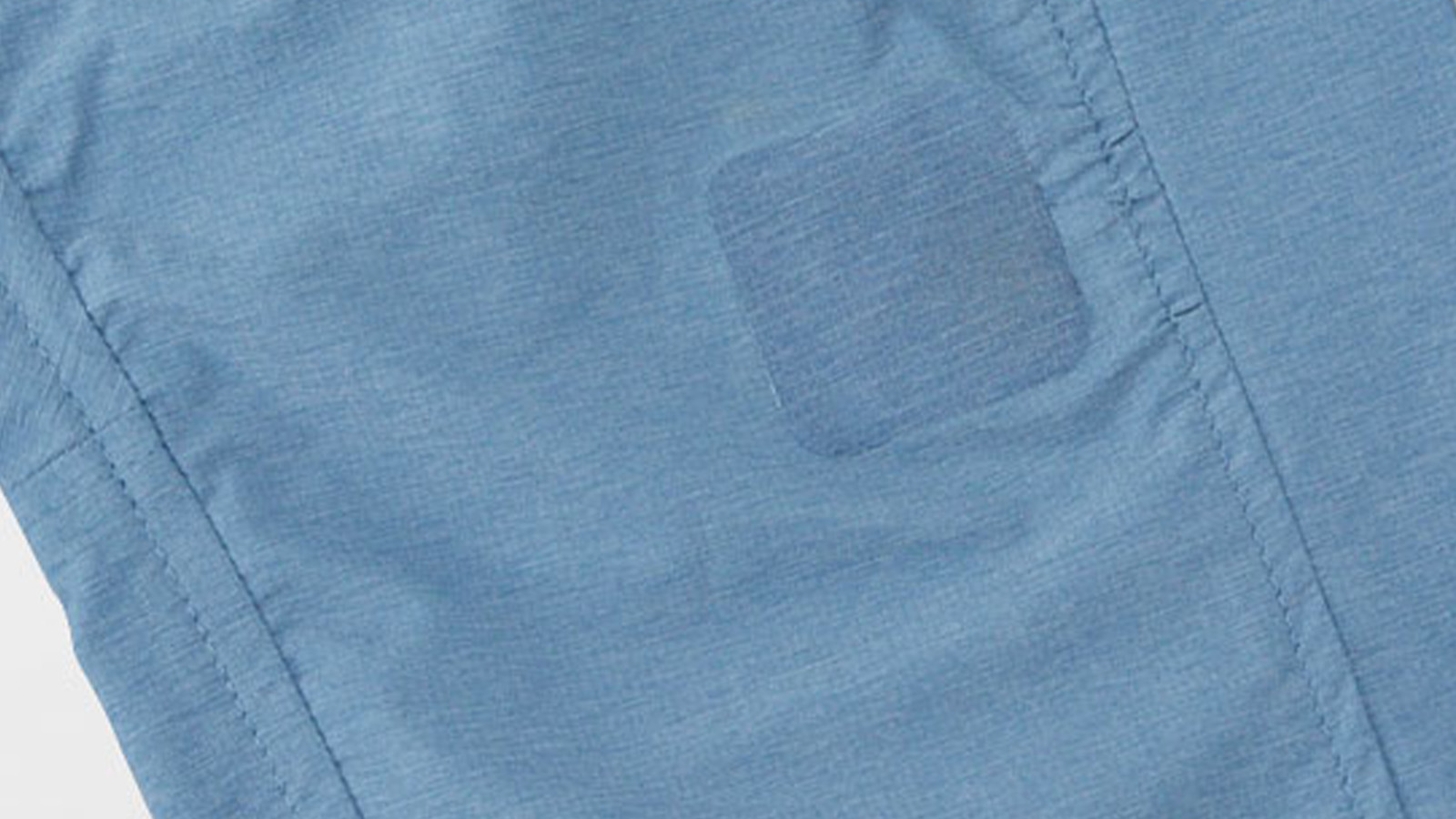
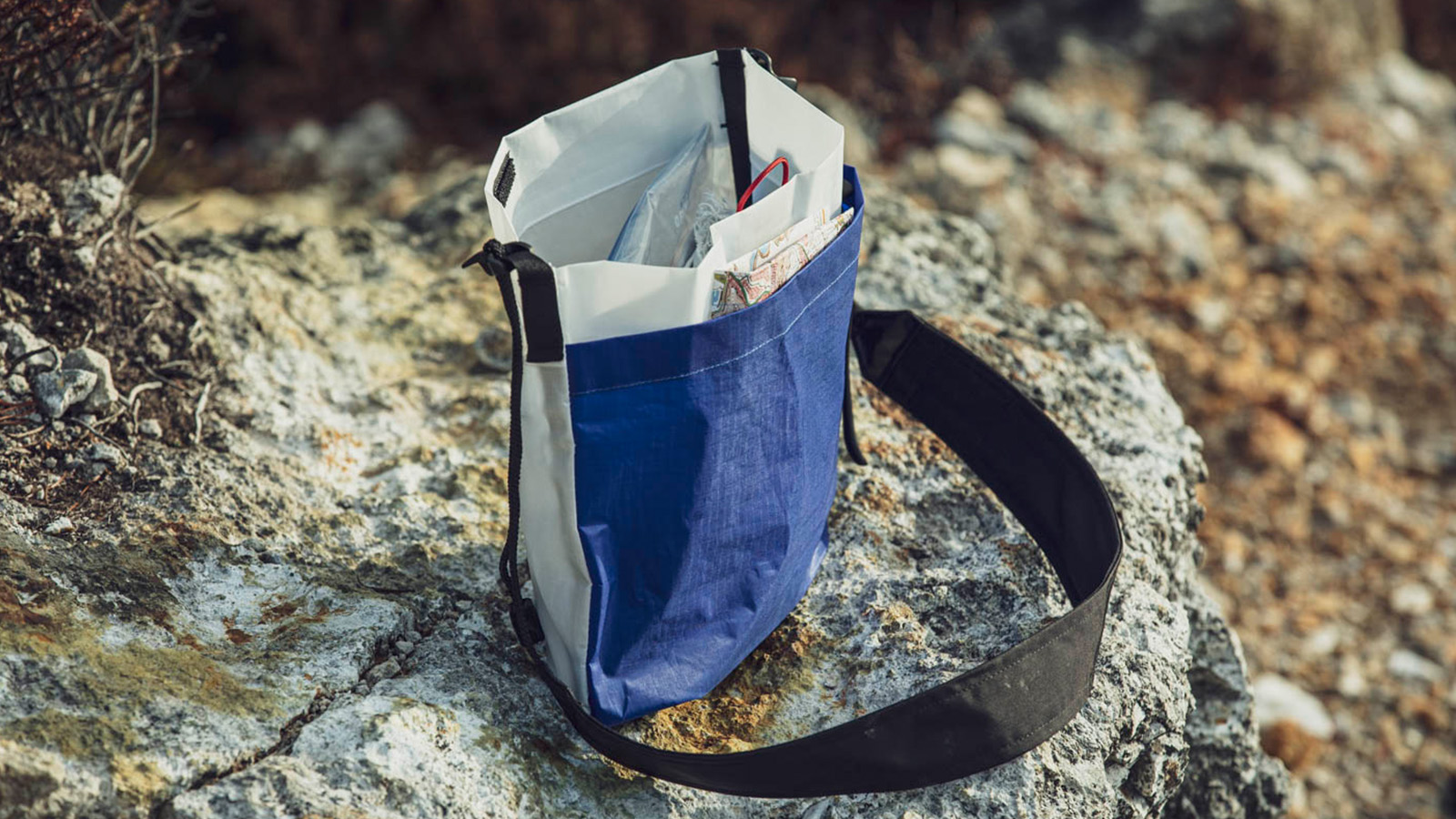

C6 DWR
142g (Size M)
156g (Size L)
168g (Size XL)
- Introduction
- Whatever the Weather
- Product story
- Intriguing new gear
- Form and function
- All-weather Activewear: a novel product category
- Comparison with general mountaineering rainwear
- Overwhelming breathability
- Rainwear for shorts
- Only 130g
- Relaxed fit
- Side slits for pocket access
- Advanced ultrasonic welding
- Details
- UL All-weather series
- Precautions
- Layering methods
- Related Yamatomichi Journals
- Yamatomichi Lab Special Issue: All-weather Activewear #1-3
- Material
- The Pertex Shield Air
- Size guide
- Instructions
- Care instructions
- Repair
Introduction
Whatever the Weather
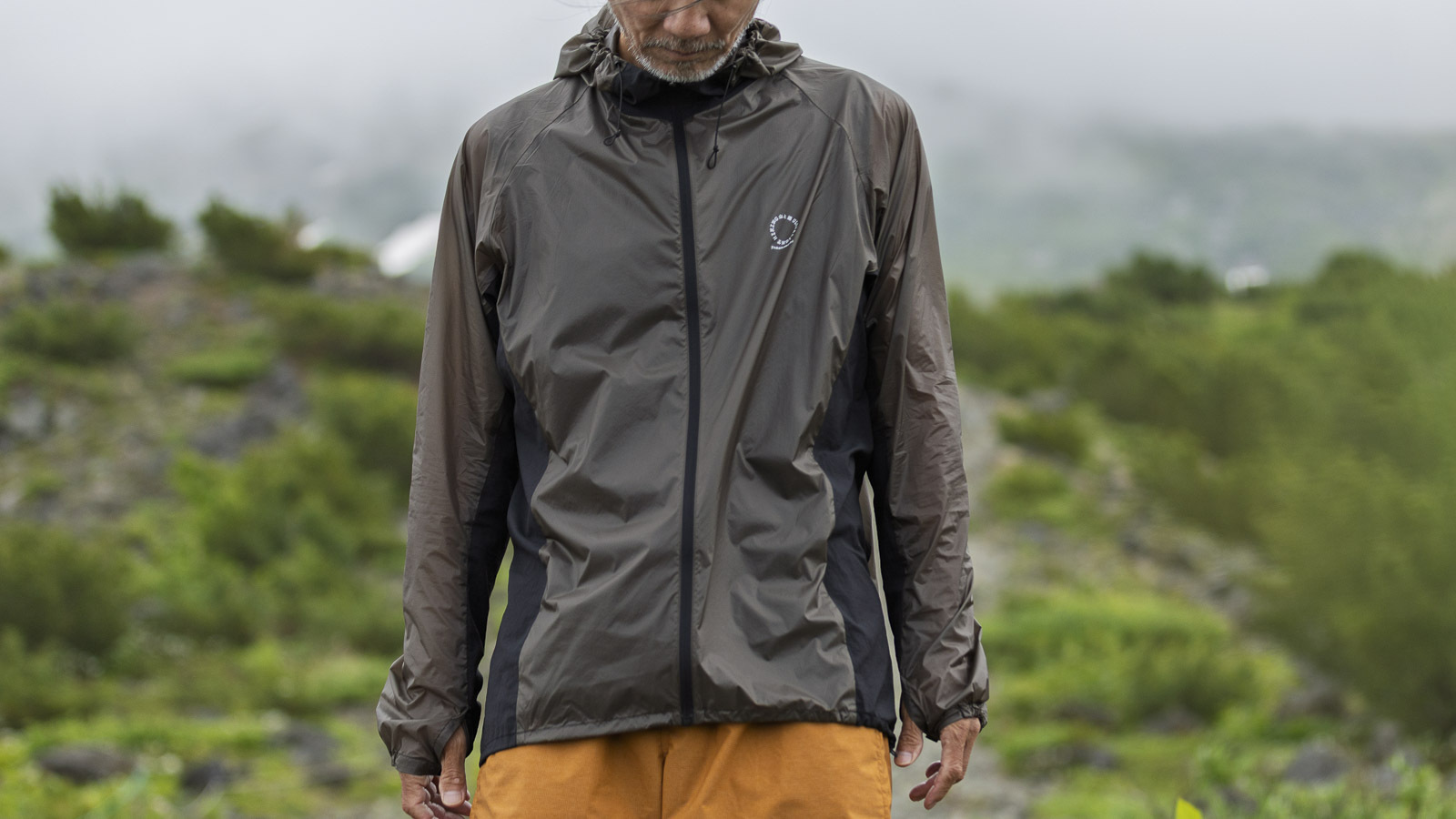
From sweaty climbs and windswept ridgelines to pouring rain, the UL All-weather Long Hoody keeps you moving without stopping to change layers.
Made entirely from Pertex Shield Air, it is significantly lighter and more breathable than conventional air-permeable waterproof shells. The airflow is so exceptional that it feels more like a fully waterproof wind shell than traditional rainwear.
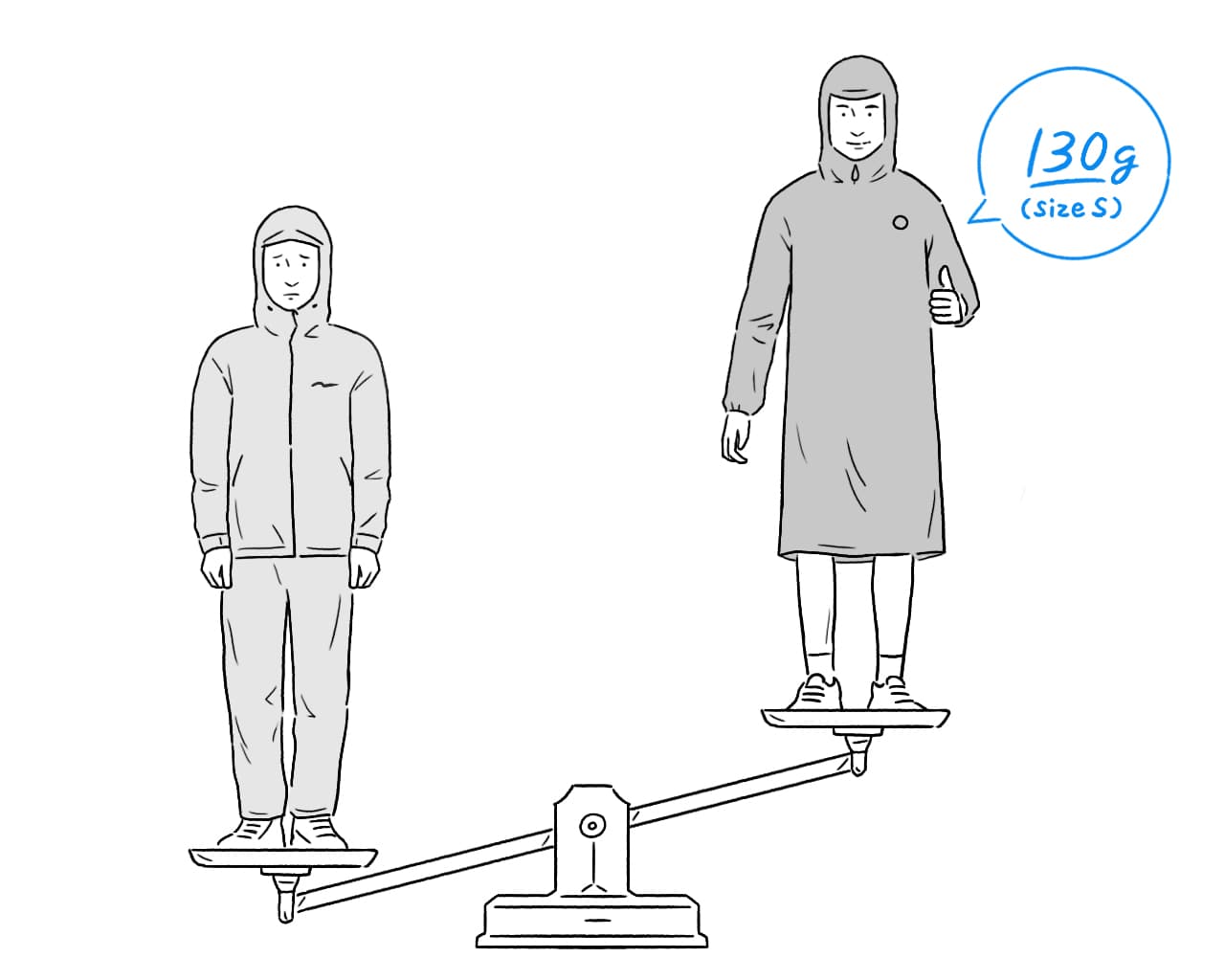
At just 130g in Size S—less than half the weight of a typical rain jacket and pants combined—its relaxed fit provides an open, unrestricted feel, bringing a new sense of freedom to hiking in the rain.
Product story
Intriguing new gear
The UL All-weather series is quite different from your regular rainwear.
It’s best to think of it as a new category of gear altogether. Some caution is needed when using, but if used right it will take you even further.
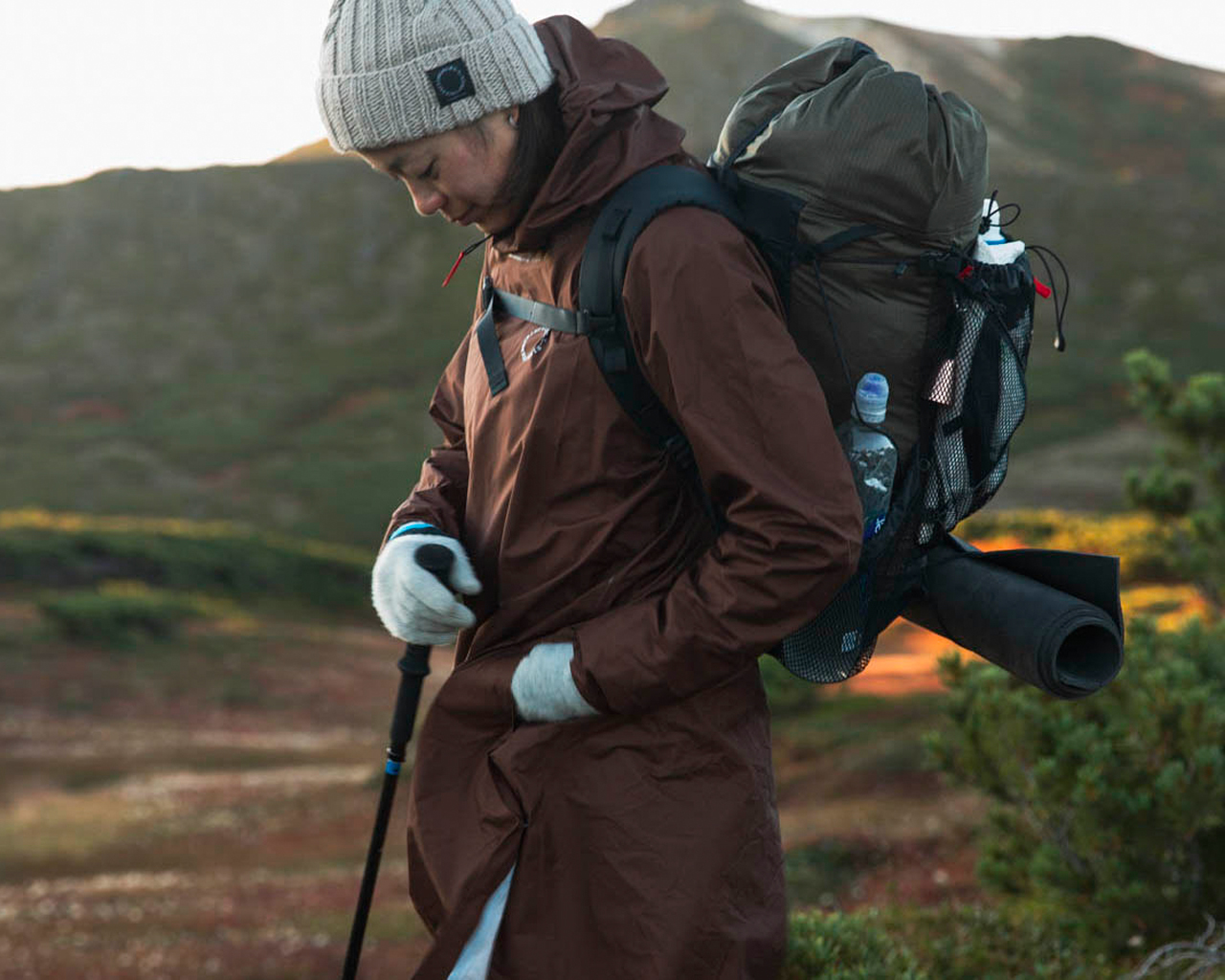
Shiori Maehara, wearing the 2023 version Friar Brown color.
With proper use, it will bring you overwhelming comfort and joy on your next hike.
I first heard about Pertex Shield Air, the material adopted for the UL-All-weather series, about three years ago. At the time, we were conducting research on rainwear at the Yamatomichi Lab. Interested in our research results, Pertex contacted us and provided us with sample fabrics of the Pertex Shield Air before it was officially released.
Initially, I thought that with Pertex Shield Air I could make new rainwear that was simply lighter and more breathable than the NeoShell (an air/moisture-permeable waterproof fabric).
However, the potential for the fabric was far more profound than that. During a field test I conducted at Taisetsuzan Hokkaido at the end of August, I realized that there was a need to differentiate this amazing fabric from traditional rainwear.
There are no trees on the ridges of Taisetsuzan in Hokkaido, and no place to take refuge. In this environment, with strong winds and light rain, I wore a prototype jacket using Pertex Shield Air and was pleased with the comfort and dryness it provided in active situations. However, I noticed that my body heat was immediately ventilated outside during my breaks.
Rainwear is usually known to protect you from the wind and is able to somewhat retain body heat. The All-weather series is different. It is as if the jacket is telling you “Don’t stop moving!” We can’t deny the benefits it brings in terms of dryness, and breathability, but we also cannot deny the lack of heat retention when resting. In other words, it is difficult to keep warm with this garment alone, especially in bad weather.
To be honest, I was a bit worried. I thought that if the wearer used this fabric without knowing its flaws, it could be truly dangerous.
For ages, I have been wishing for rainwear that could be worn at all times, and rainwear that had a little bit more breathability. I went as far as thinking that fabrics that weren’t breathable were no good. But that was not the case. Excellent breathability will vent the heat out but will lead to less heat retention in bad weather. On the contrary, rainwear with high thermal insulation tends to trap heat and become stuffy during activities.
While it excites me that the gear I wanted to take shape, I also worried at times. I’ve come to realize that the Pertex Shield Pro, the fabric used for our UL Rain series, has a good balance of warmth and breathability.
But in the end, I decided to release this product because I was thrilled that the answer I had been seeking for many years had finally taken shape and because I truly felt from the bottom of my heart that this fabric would make very interesting gear.
Choosing the right gear may differ depending on its purpose. There is no doubt that this is a garment that active hikers and trail runners have been on the lookout for many years, but it may not be the best fit for those who are not looking to stay highly active while hiking.
To conclude, I could have used a lighter material, but since I decided to use the name “All-weather,” I wanted to maintain a certain level of durability and strength, as well as a sense of elasticity, so I was particular about the combination of outer and inner fabrics for the garment. Ultrasonic welding has also evolved.
At first glance, you may think, “What’s changed from the UL Rain series?”
But trust me, they are very different.
(June 2021)
Form and function
All-weather Activewear: a novel product category
The UL All-weather Long Hoody offers overwhelming breathability compared to conventional rainwear. It has evolved into a new product category we call “All-weather Activewear” equally suitable for sunny and rainy days.
Its excellent ventilation performance lets the heat out and keeps you dry when running or going uphill, even when normal rainwear is too humid and warm to wear. The 10,000mm water pressure resistance will protect you from getting wet in case of sudden rain.

Comparison with general mountaineering rainwear
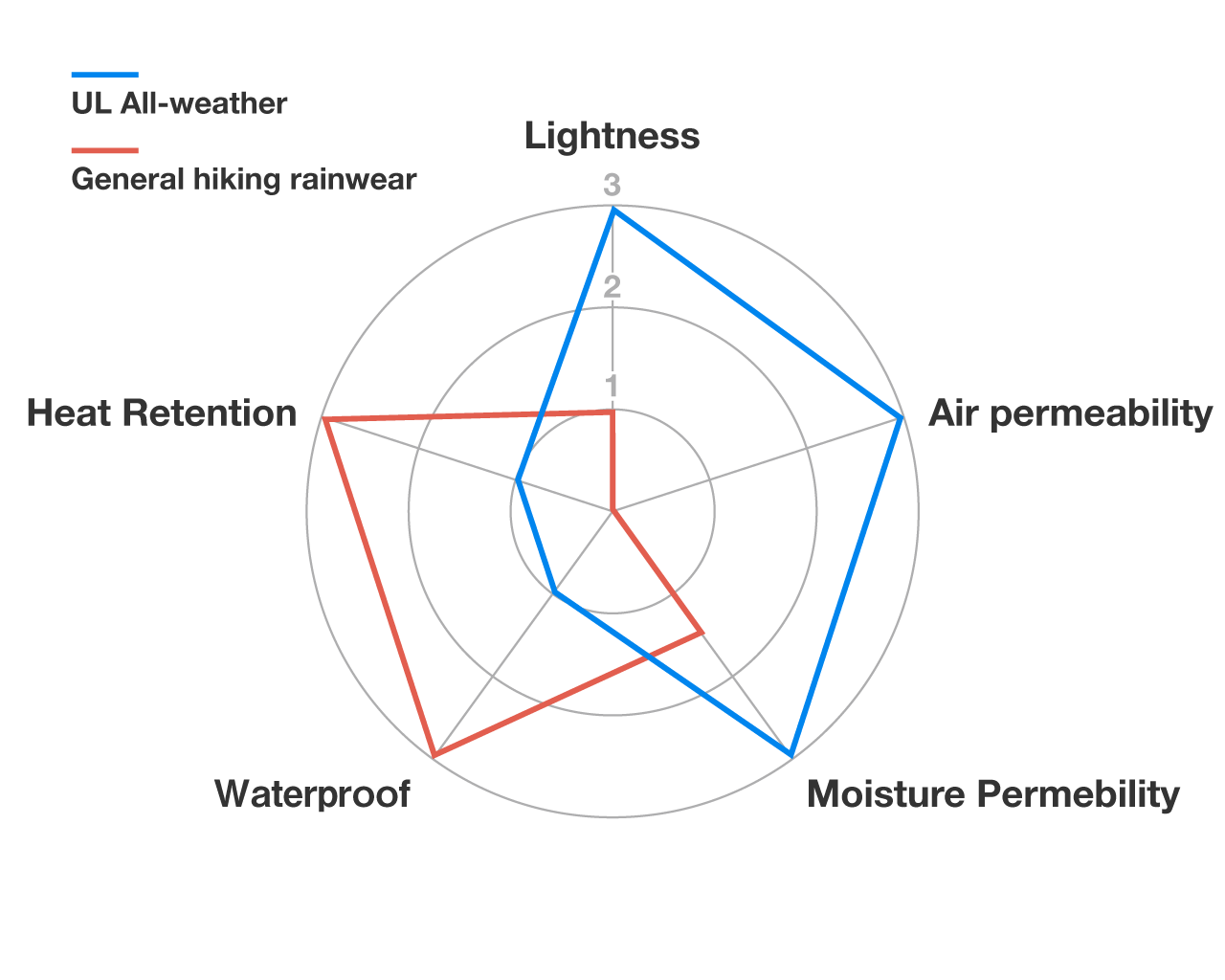
The chart below shows a comparison between the UL All-Weather Series and general mountaineering rainwear (assumed to be products weighing 200-300g that use breathable waterproof membranes such as Gore-Tex).
General rainwear tends to have excellent insulation, but poor breathability and a tendency to trap heat. However, the UL All-Weather Series is lightweight, highly breathable, and does not trap heat even during intense activity.
However, due to its high breathability, the UL All-Weather Series may sometimes make the wearer feel cold in strong winds. Therefore, proper layering is necessary when using it to ensure warmth.
Overwhelming breathability
What sets Pertex Shield Air apart from conventional waterproof-breathable fabrics is that it does more than allow moisture vapor to escape—it lets air pass directly through the fabric. This movement of air creates Shield Air’s exceptional airflow.
The secret lies in its nanofiber structure. While conventional waterproof-breathable membranes are typically film-based, Shield Air consists of ultrafine fibers layered into a web-like structure. The countless microscopic gaps between these fibers create pathways for air, allowing built-up heat to escape.
This unique structure delivers the ventilation needed to keep moving comfortably in any weather.
We compared the airflow of Pertex Shield Air with Pertex Shield, a conventional nonporous waterproof-breathable fabric. Each fabric was placed between water above and pressurized air below. Air passing through the fabric creates bubbles in the water—the more bubbles, the greater the airflow. Pertex Shield produced no bubbles, while Shield Air produced many, clearly demonstrating its air permeability.
Rainwear for shorts
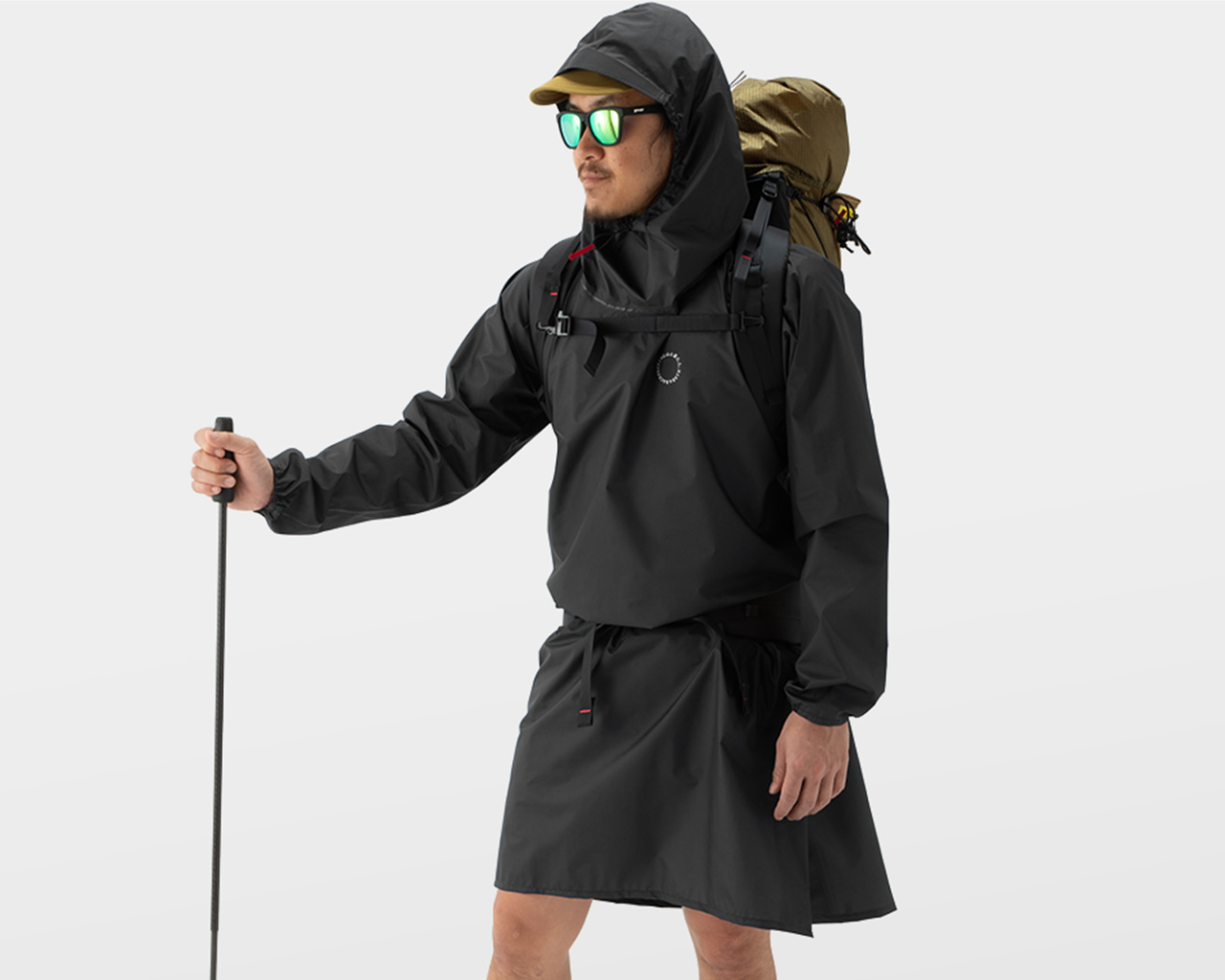
The UL All-weather Long Hoody is designed for hikers who love shorts.
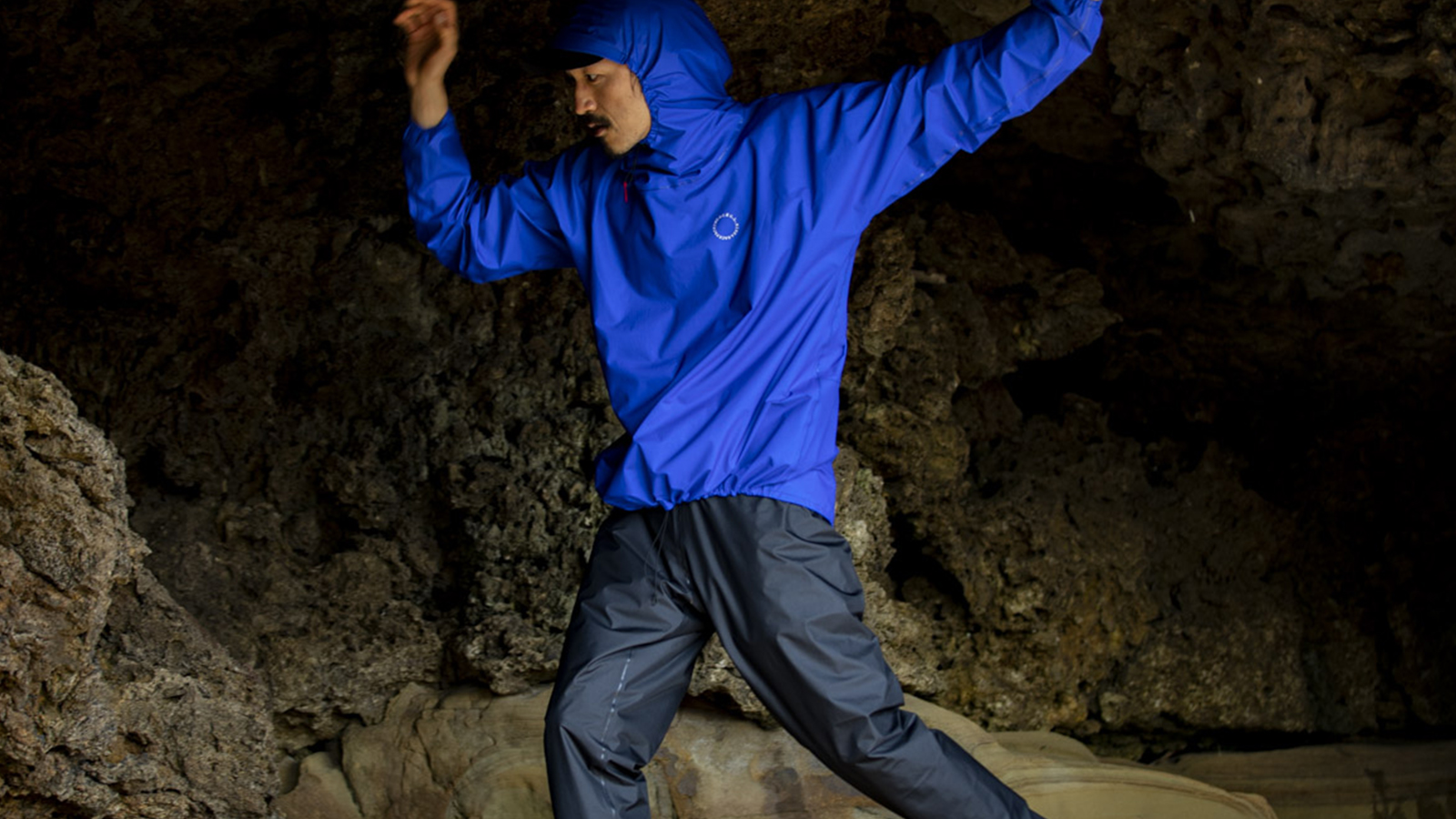
It is long enough to wear without rain pants, and its relaxed fit achieves unparalleled comfort. It is like a paper-thin, flexible layer gently covering you and your shorts.
The area around the neck part is nice and spacious and the side slits are added for ease of wearing and for easy access to your pockets.
Only 130g
Weighing only 130g in size S, the Long Hoody is about half the weight of a normal set of rain jacket and rain pants, making your backpack lighter and more compact.
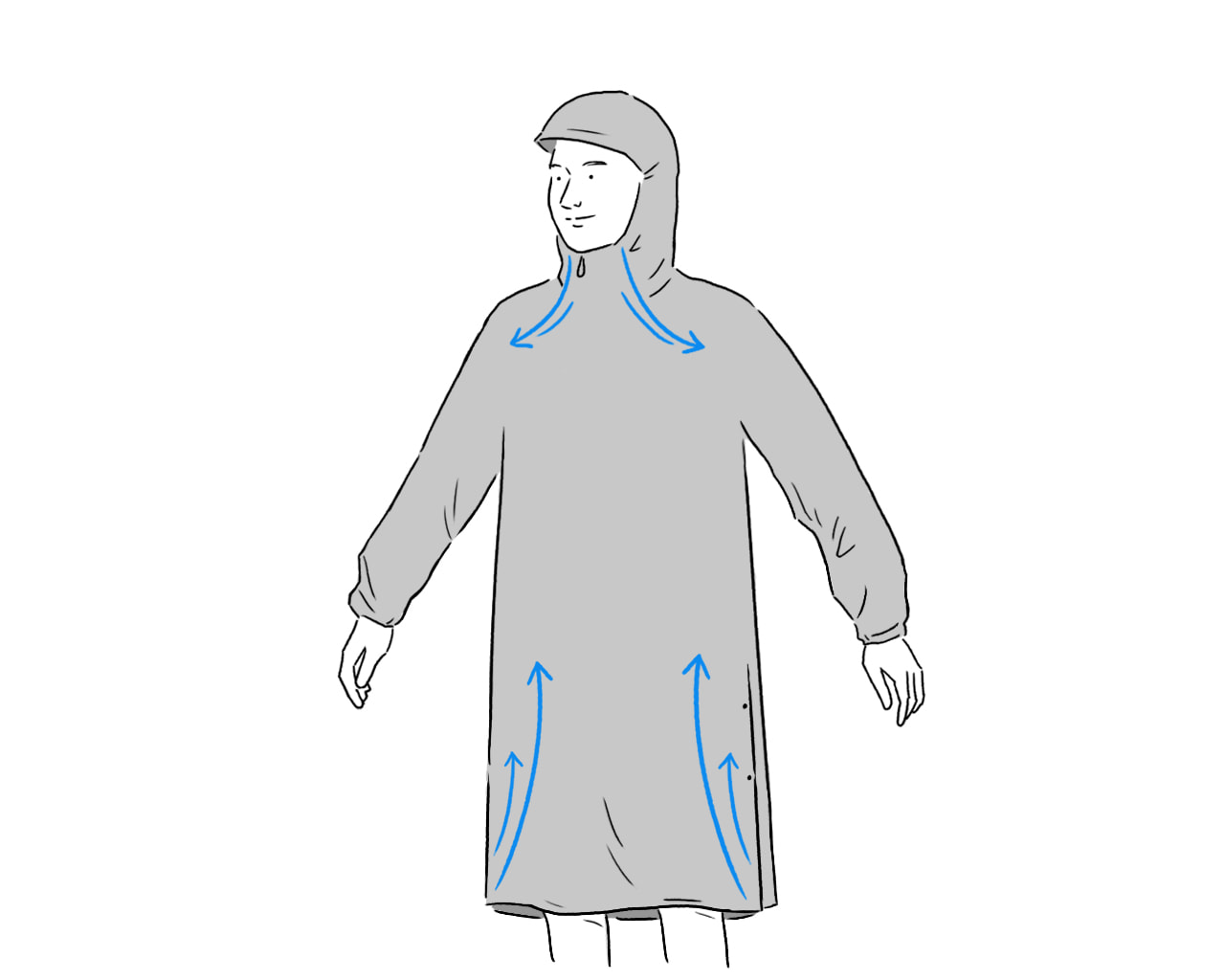
Relaxed fit
A relaxed fit through the body and around the neck allows heat and moisture to escape efficiently while moving.
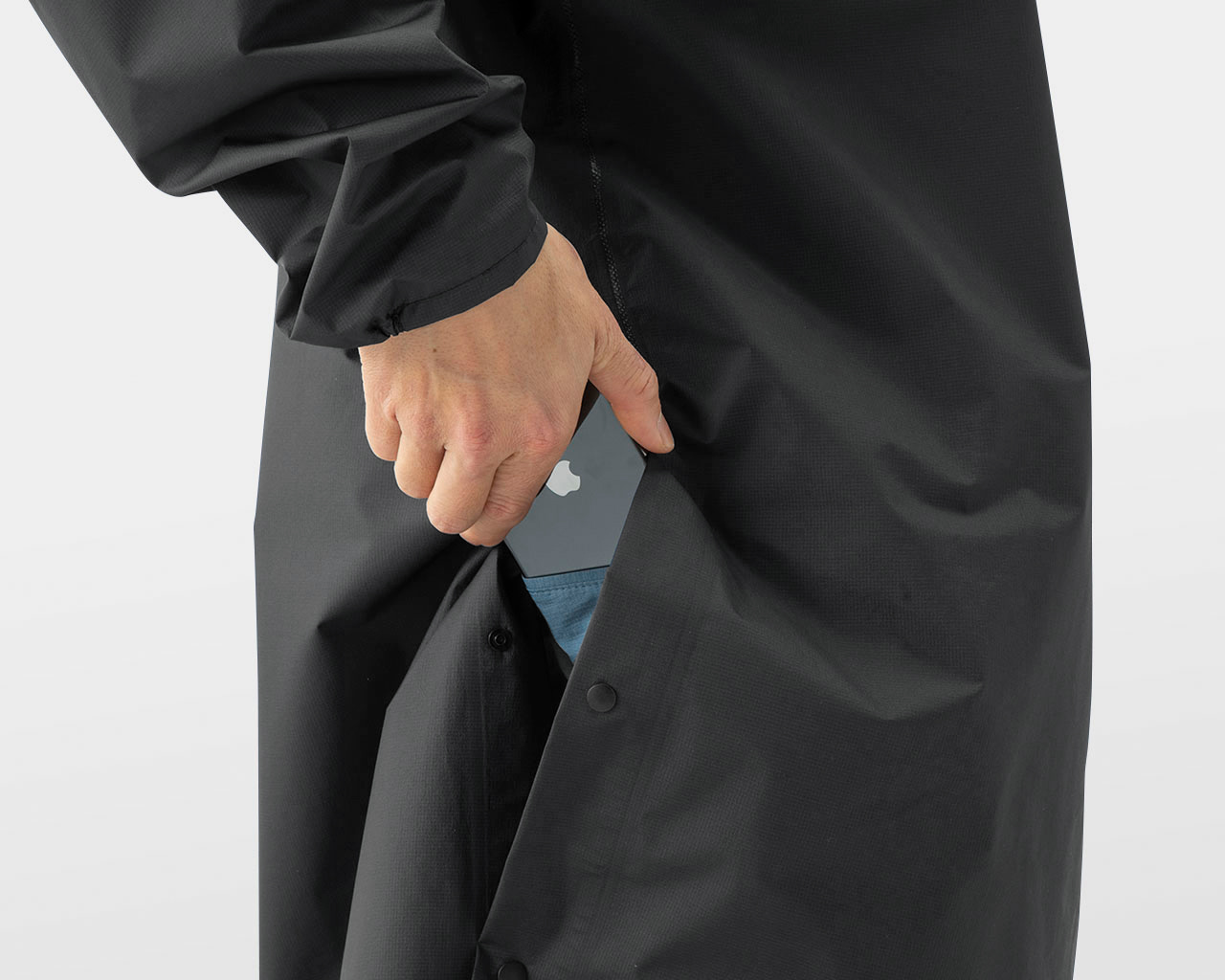
Side slits for pocket access
Both sides have deep slits for easy wearing, which allow for direct access to your pants/shorts pockets.
The Long Hoody is especially convenient if worn together with our 5-pocket series pants/shorts, and all five pockets can be directly accessed from the slits.
Advanced ultrasonic welding
Usually, the stitching of the rainwear is seam-taped from the back to prevent water penetration. However, seam tape lacks durability, and water may seep through seams due to deterioration over time.
The UL All-weather series adopts ultrasonic welding, the latest technology that melts and welds the fabrics together by the heat of ultrasonic vibration. This method creates no stitch holes with less damage to the fabric, minimizing the risk of water penetration from the seams due to deterioration with age.
Yamatomichi has teamed up with one of a few craftsmen and factories in Akita Prefecture that are capable of ultrasonic welding and is developing new technologies to make better products.
New technology allows the fabric to be layered and then welded together, making it even more durable, stronger, and waterproof than its predecessor, the UL Rain series.
Details
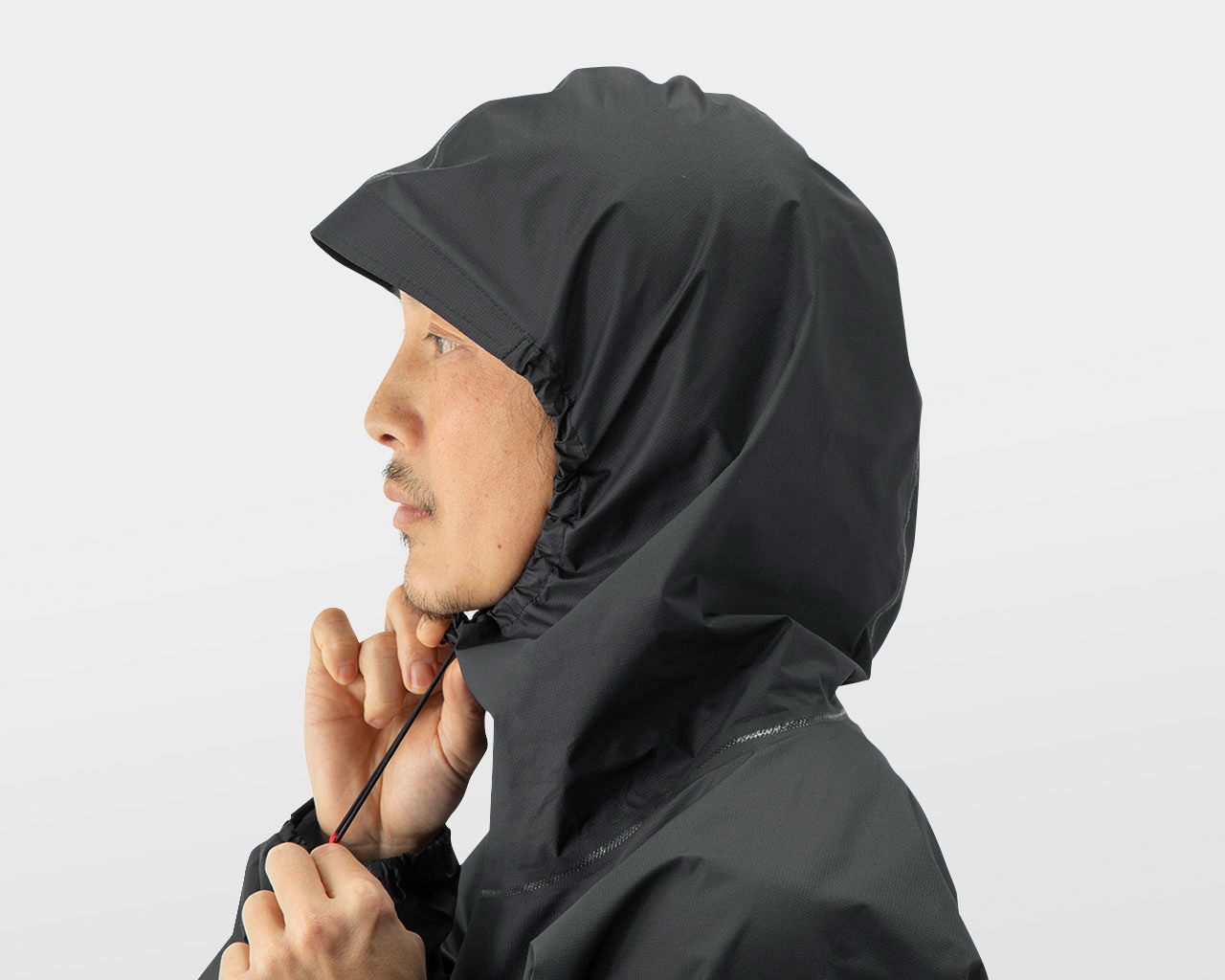
Wear the hood with the adjuster under your chin to help prevent rain from entering the shell.
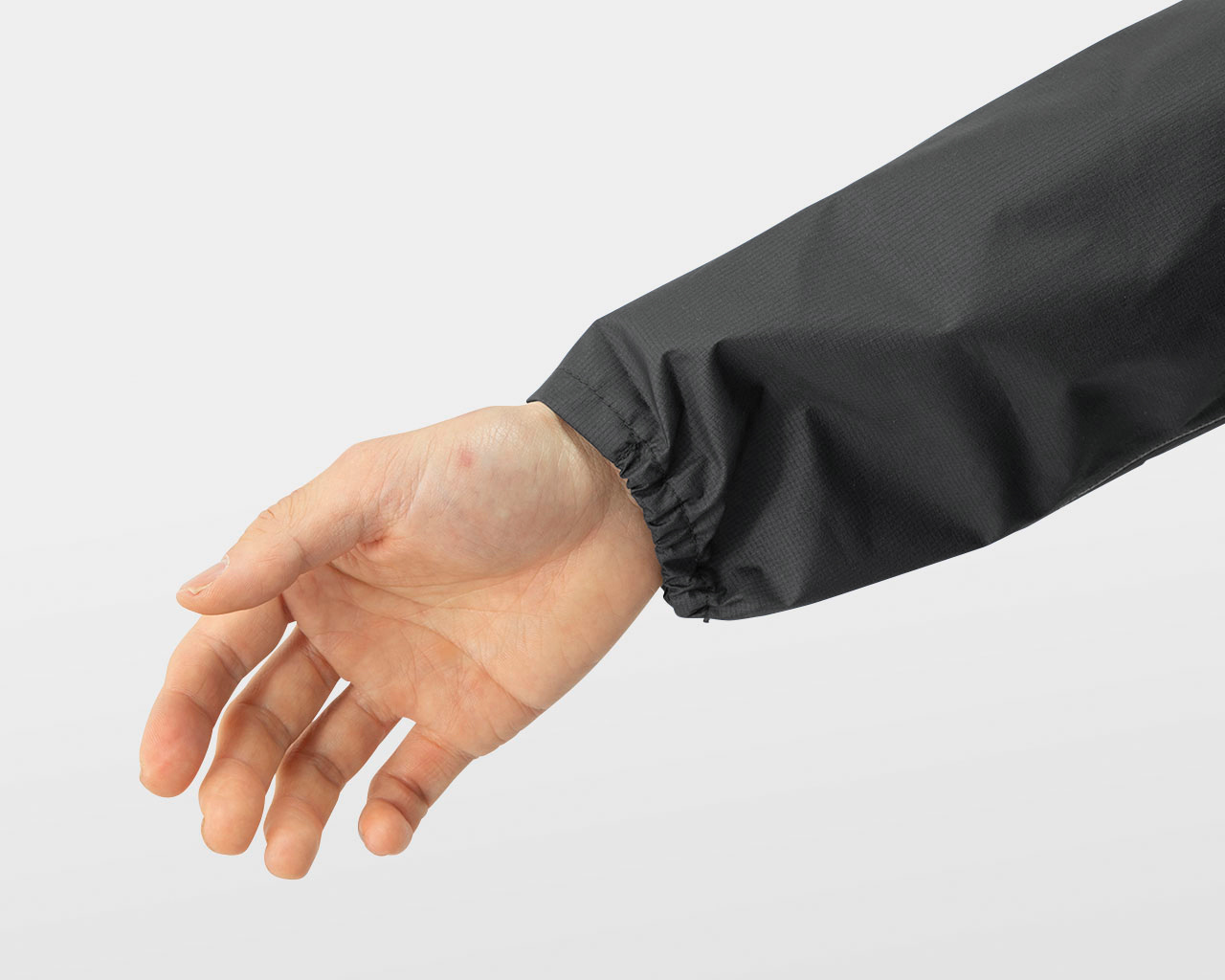
Minimal use of elastic at the wrist to keep the weight down.
UL All-weather series
The UL All-weather series offers a range of rainwear options to match how you move on the trail. Whether you want the lightest setup possible, flexible ventilation with pit zips and double zippers, extended coverage, or easy adjustment while on the move, the lineup lets you choose the balance that works best for your style.
The UL All-weather Hoody 2025 and Pants 2025 are previous-generation Pertex Shield Air models. They are still highly capable pieces of trail rainwear, and are now available at a reduced price.
The UL All-weather Long Hoody and Coat will continue to use Pertex Shield Air exclusively.
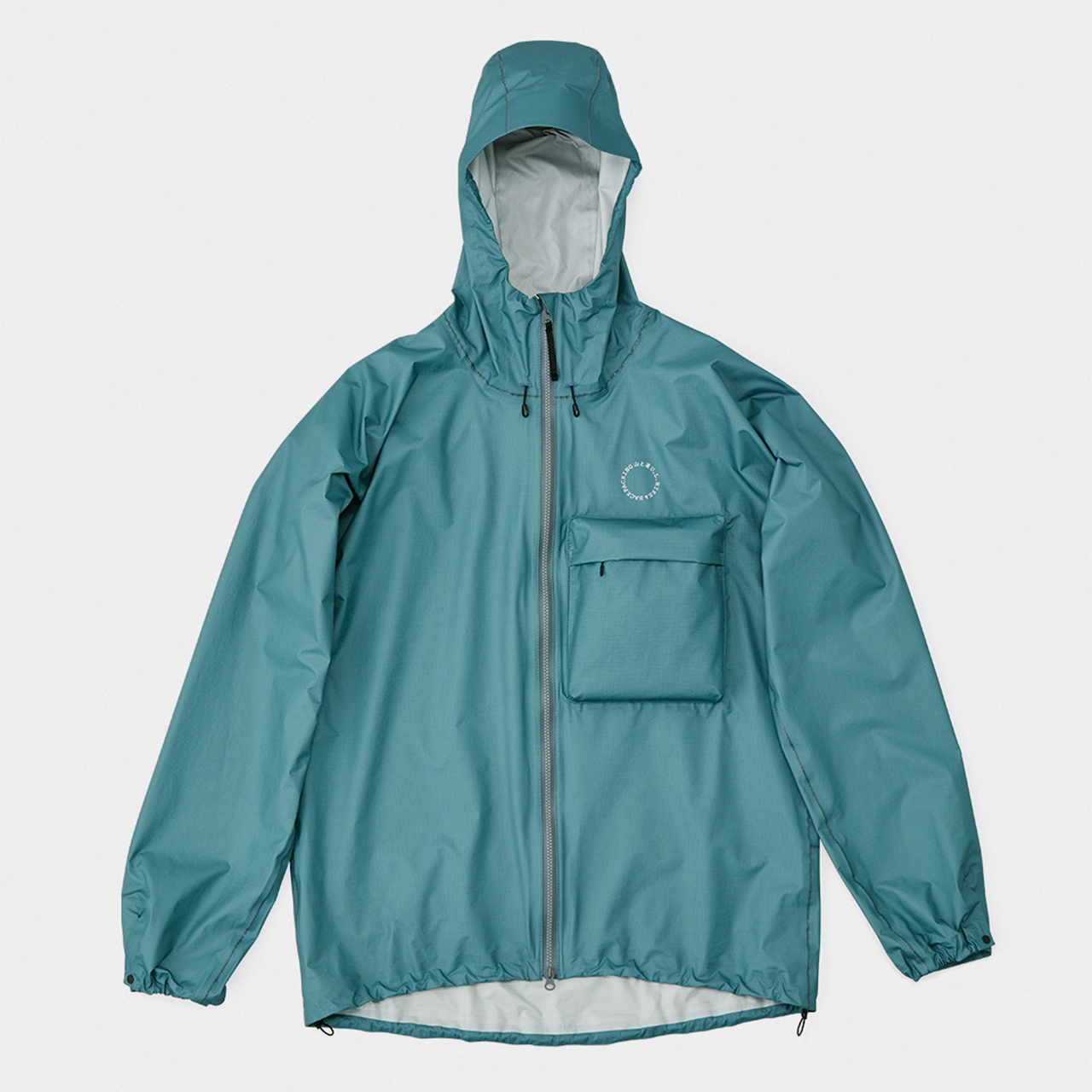
Weight: 144g (Size XS)
Features: Double-zipper allows for easy ventilation and taking off/putting on
Applicaion: Trail running, fast-packing.
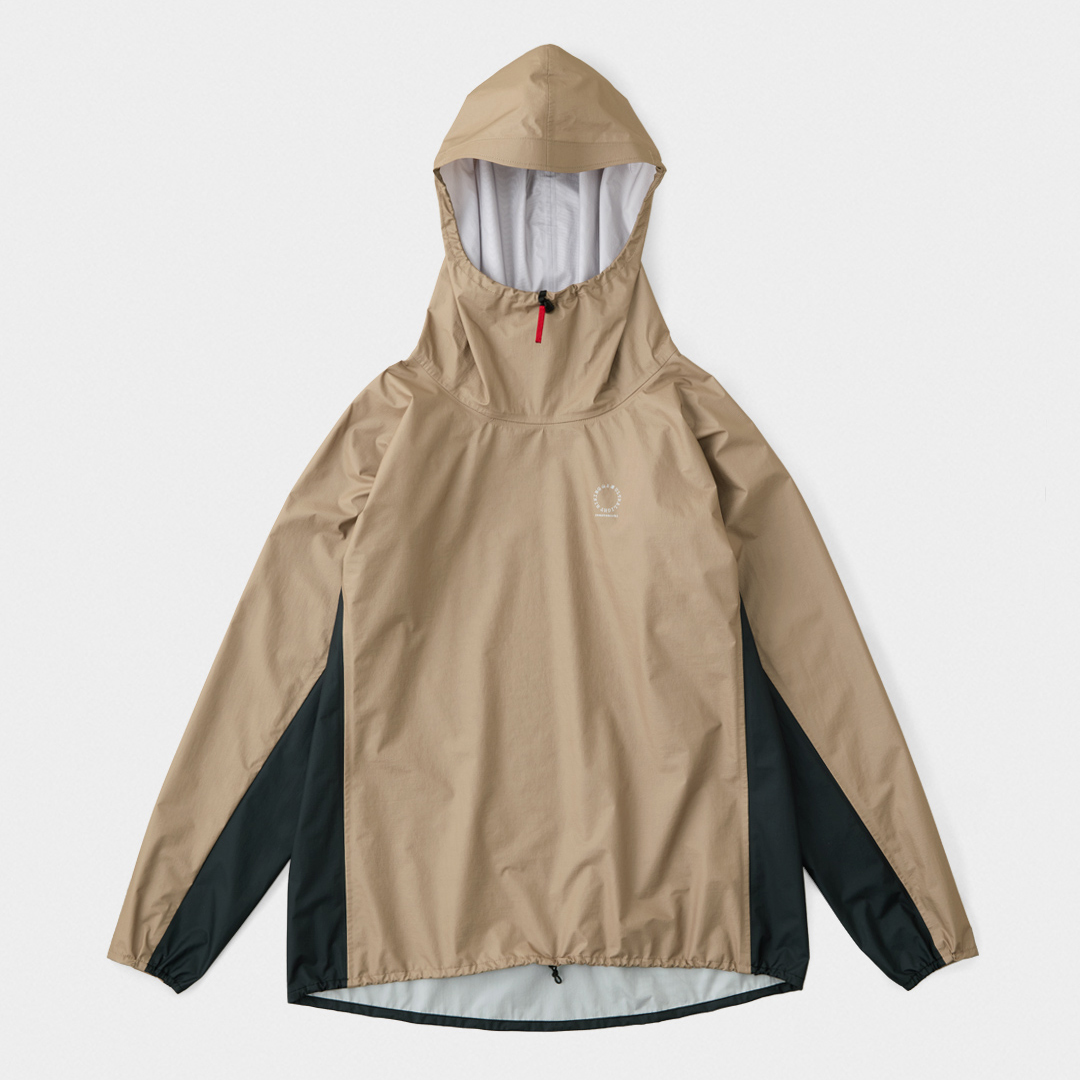
Weight 120g (Size S)
Features The simplest shell in the lineup, built without a front zipper. Different waterproof-breathable fabrics are used in areas that take direct rain and areas prone to heat and moisture buildup, balancing breathability and weather protection. For hikers who want to keep their kit as minimal as possible.
*Hybrid construction using Pertex Shield Air and Pertex Shield Pro.
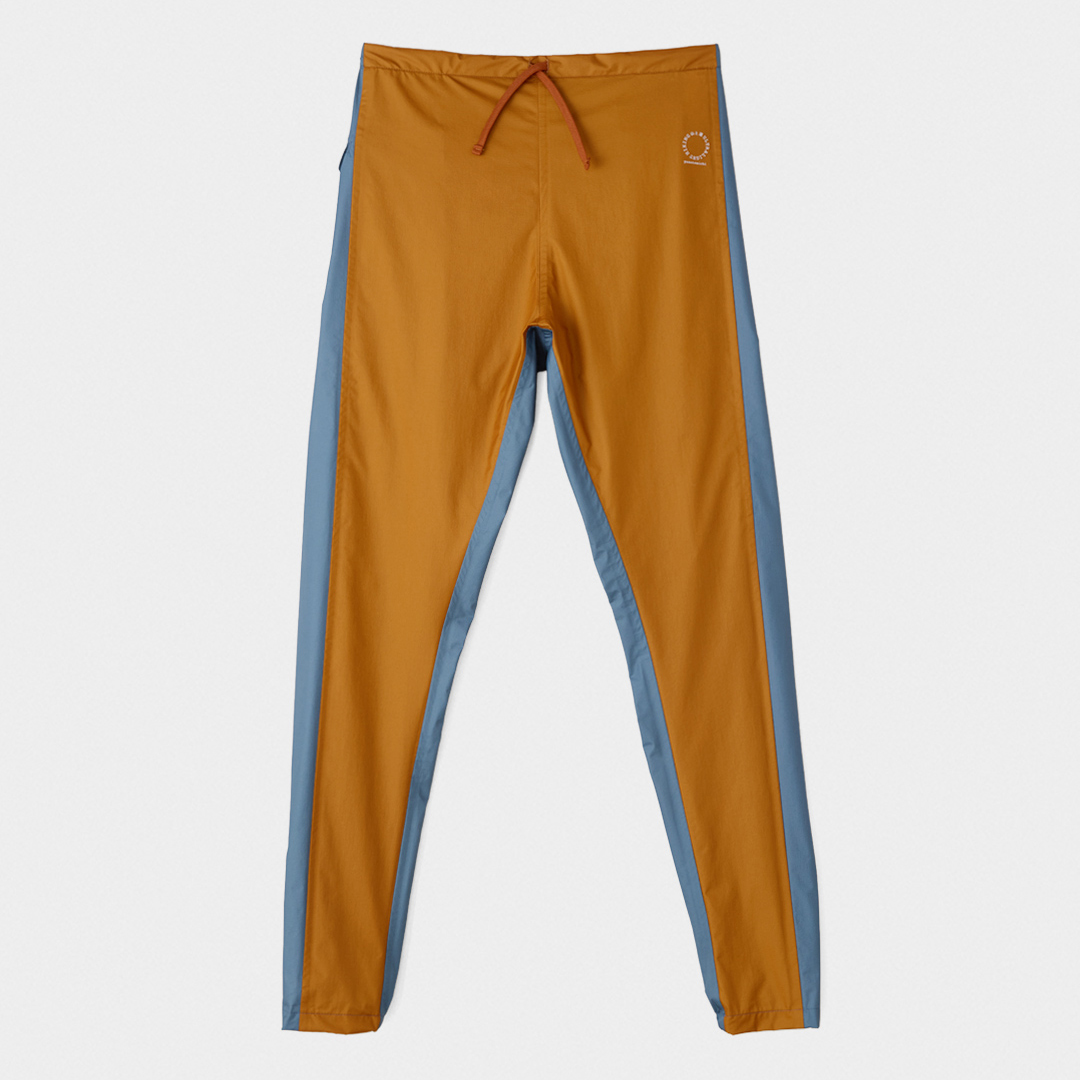
Weight 98g (Size XS)
Features A clean, slim silhouette with drawcord-adjustable hems and a smartphone pocket at the right waist. Different waterproof-breathable fabrics are used on the front and back to balance breathability and weather protection. Though built as rain pants, they can also be worn like wind pants.
*Hybrid construction using Pertex Shield Air and Pertex Shield Pro.
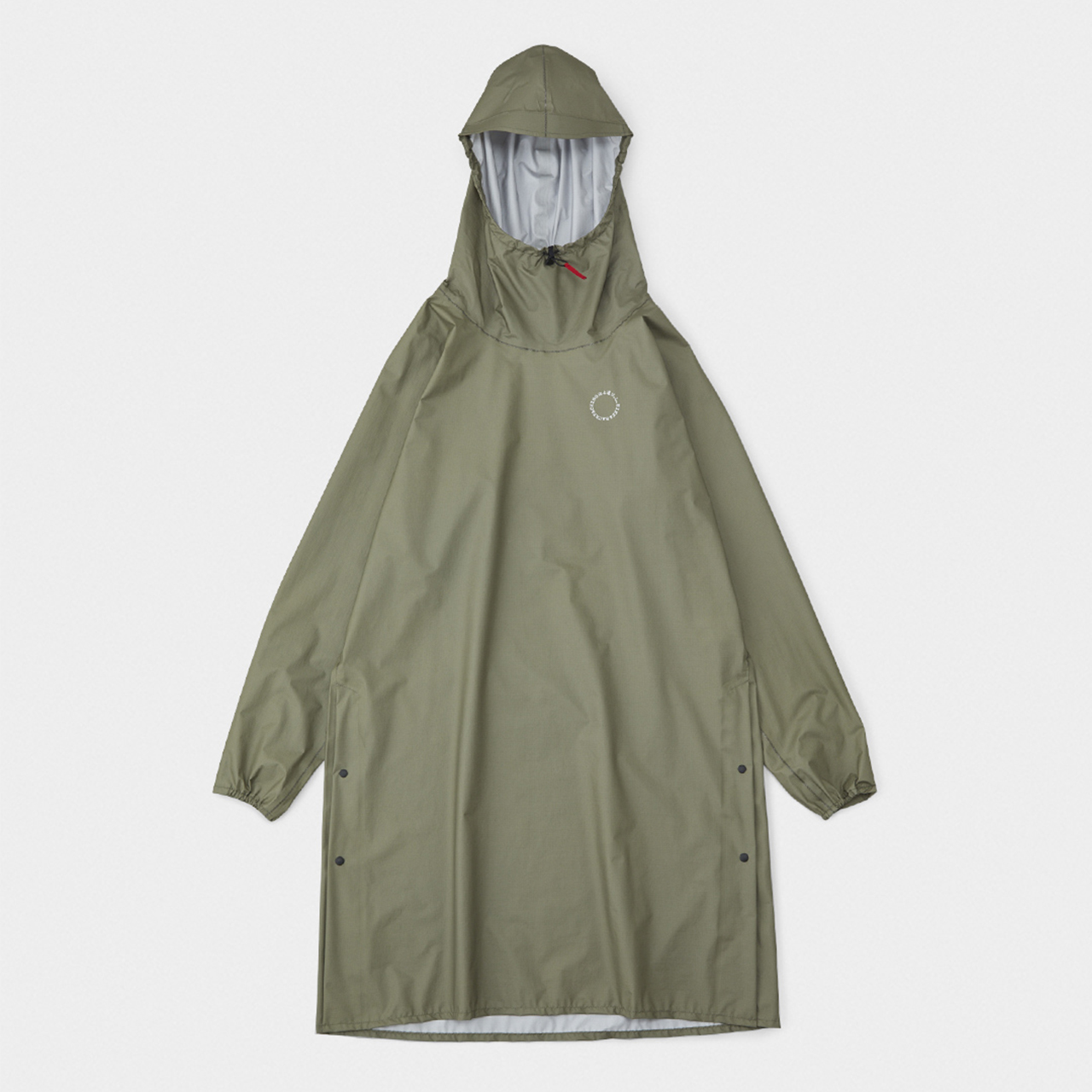
Weight: 130g (Size S)
Features: Much lighter than the set of rain jacket and pants. Long enough to wear without rain pants, offering a sense of freedom around the legs.
Application:
Ultralight hiking. The length makes it difficult to see your feet, so use it with caution on rocky ridges.
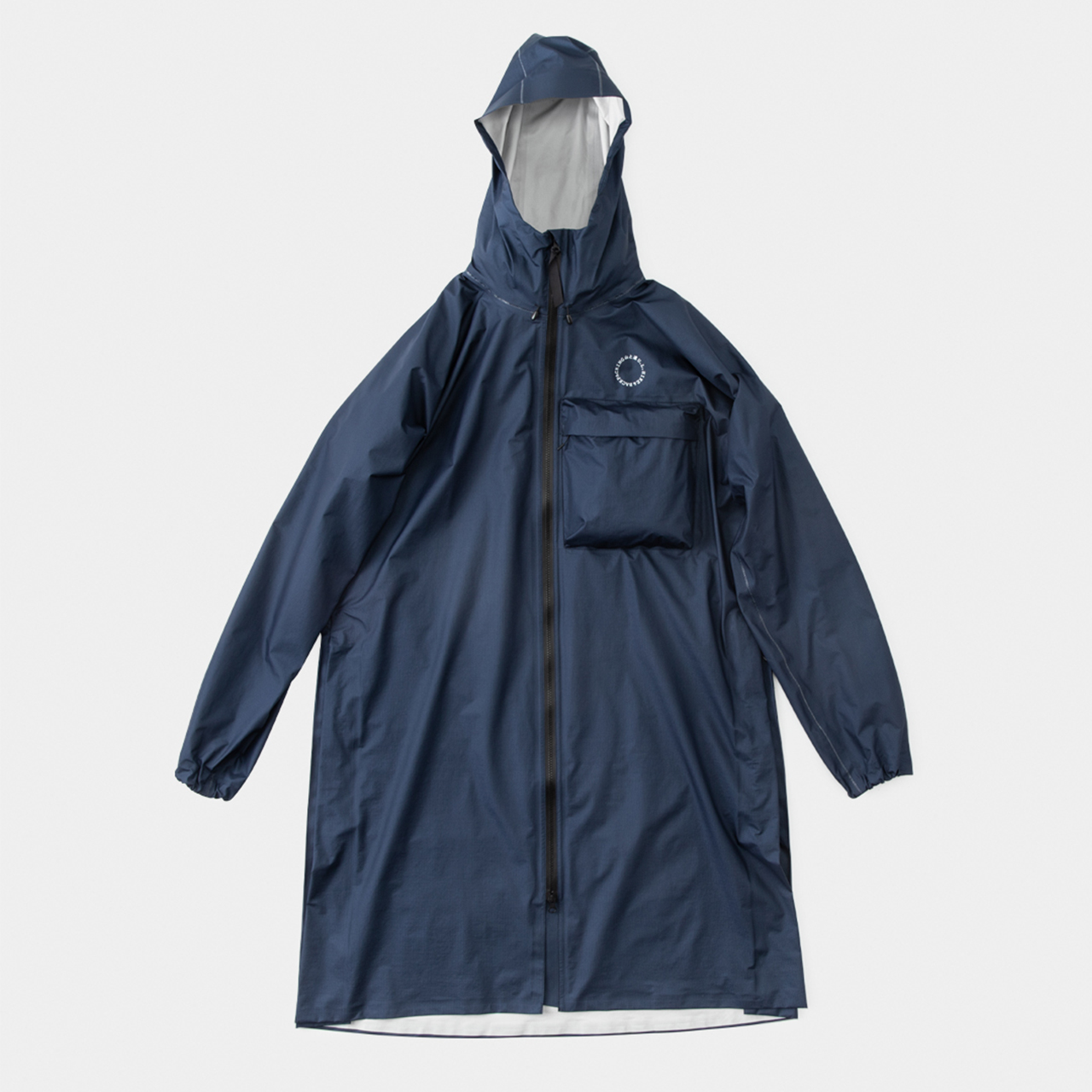
Weight: 192g (Size XS)
Features: Packable with large front pocket. Waterproof Vislon zipper.
Application: Daily use. Ultralight hiking. The length makes it difficult to see your feet, so use it with caution on rocky ridges.
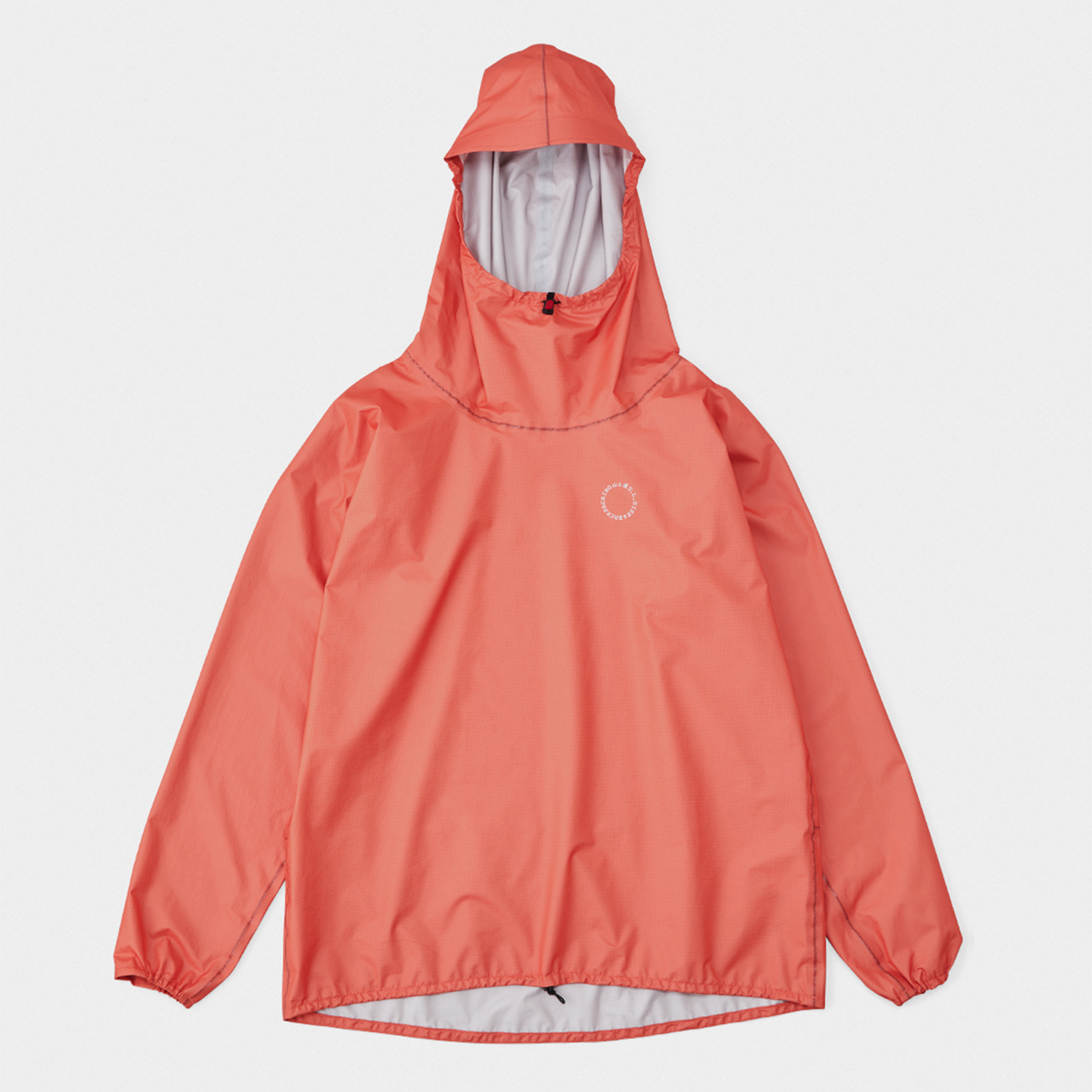
Weight: 106g (Size S)
Features: The lightest among the series. No-zipper design allows for lightness and comfort.
Application: UL Hiking
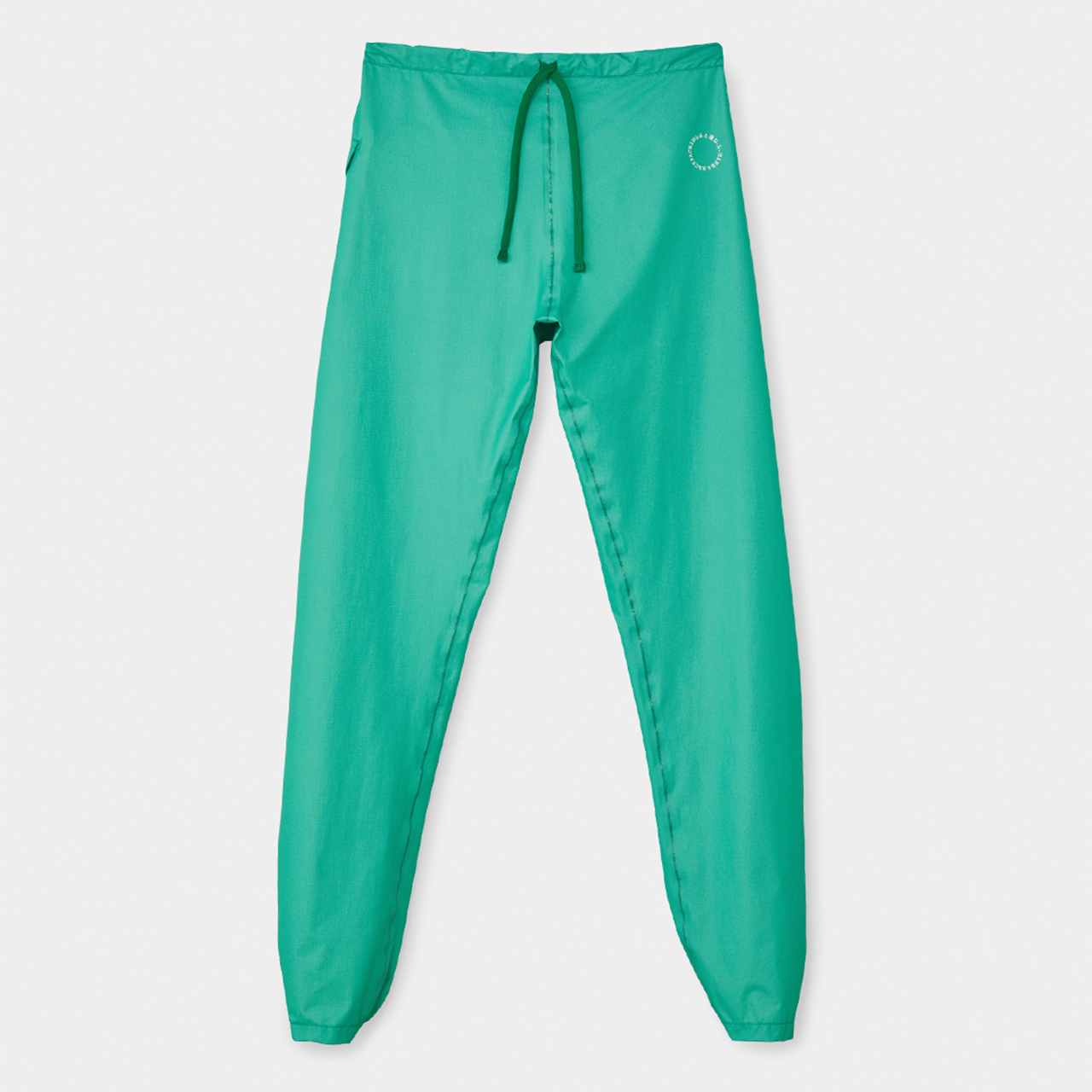
Weight: 80g (Size XS)
Features: Waterproof yet air-permeable. Can be worn on the move even when sunny.
Application: Ultralight hiking. Trail running. Fast-packing.
Weight: 144g (Size XS)
Features: Double-zipper allows for easy ventilation and taking off/putting on
Applicaion: Trail running, fast-packing.
Weight 120g (Size S)
Features The simplest shell in the lineup, built without a front zipper. Different waterproof-breathable fabrics are used in areas that take direct rain and areas prone to heat and moisture buildup, balancing breathability and weather protection. For hikers who want to keep their kit as minimal as possible.
*Hybrid construction using Pertex Shield Air and Pertex Shield Pro.
Weight 98g (Size XS)
Features A clean, slim silhouette with drawcord-adjustable hems and a smartphone pocket at the right waist. Different waterproof-breathable fabrics are used on the front and back to balance breathability and weather protection. Though built as rain pants, they can also be worn like wind pants.
*Hybrid construction using Pertex Shield Air and Pertex Shield Pro.
Weight: 130g (Size S)
Features: Much lighter than the set of rain jacket and pants. Long enough to wear without rain pants, offering a sense of freedom around the legs.
Application:
Ultralight hiking. The length makes it difficult to see your feet, so use it with caution on rocky ridges.
Weight: 192g (Size XS)
Features: Packable with large front pocket. Waterproof Vislon zipper.
Application: Daily use. Ultralight hiking. The length makes it difficult to see your feet, so use it with caution on rocky ridges.
Weight: 106g (Size S)
Features: The lightest among the series. No-zipper design allows for lightness and comfort.
Application: UL Hiking
Weight: 80g (Size XS)
Features: Waterproof yet air-permeable. Can be worn on the move even when sunny.
Application: Ultralight hiking. Trail running. Fast-packing.
Precautions
Layering methods
Most rainwear provides a certain level of heat retention by allowing moisture to build up inside of the garment. However, the UL All-weather series has overwhelming breathability, and the heat generated by the body is always ventilated outside the garment. Keep in mind that you will need to be creative with your layering if you want to focus on keeping warm when resting.
Tomoya Tsuchiya’s (Hiker’s Depot) layering
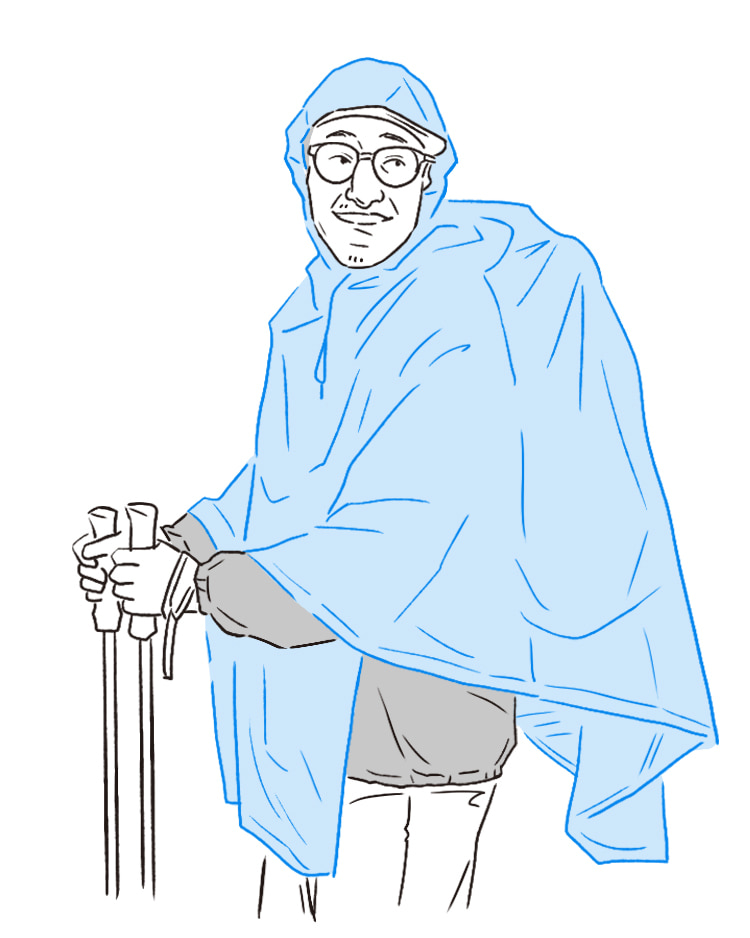
+Sil-Poncho (Trail Bum Gnu Cape)
A ultralight hiker’s classic, a sil-nylon poncho but not as rain gear, but as an extra layer to improve warmth. The combination of rain gear and rain gear may seem odd at first glance, but it is a rational layering that uses the lightweight poncho to compensate for the lack of warmth of the highly-breathable All-weather jacket.
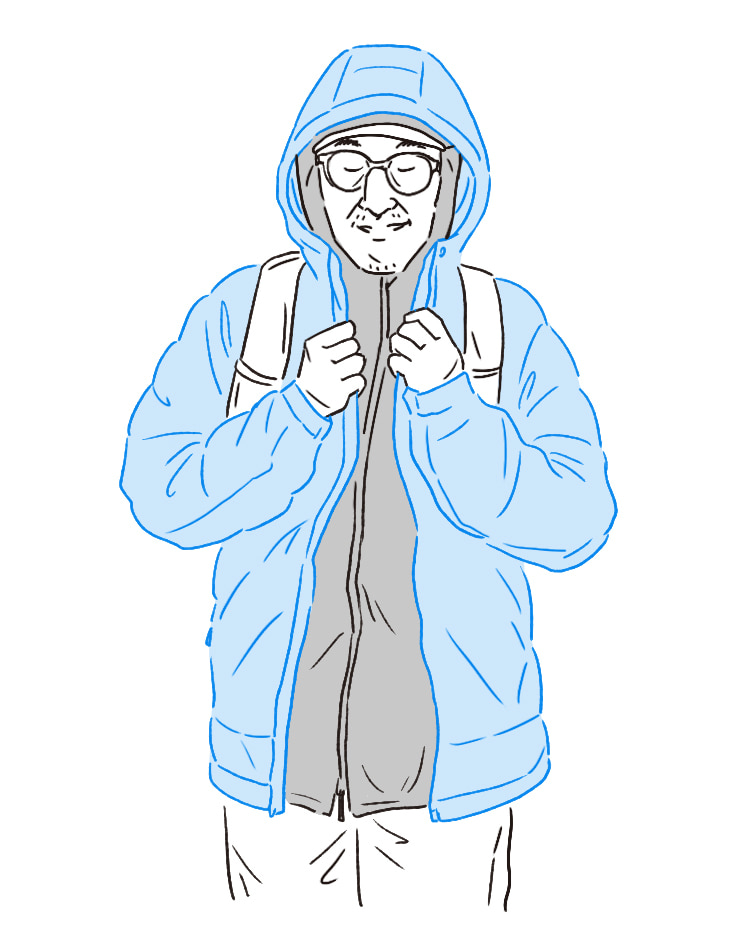
+Synthetic Insulation (Trail Bum Boaster Jacket)
A synthetic fiber insulation, worn like a belay jacket. The synthetic fiber cotton will not lose its warmth even if it gets a little wet, and it is windproof with few cold spots.
Kei Kuwahara’s (Run boys! Run girls!) layering
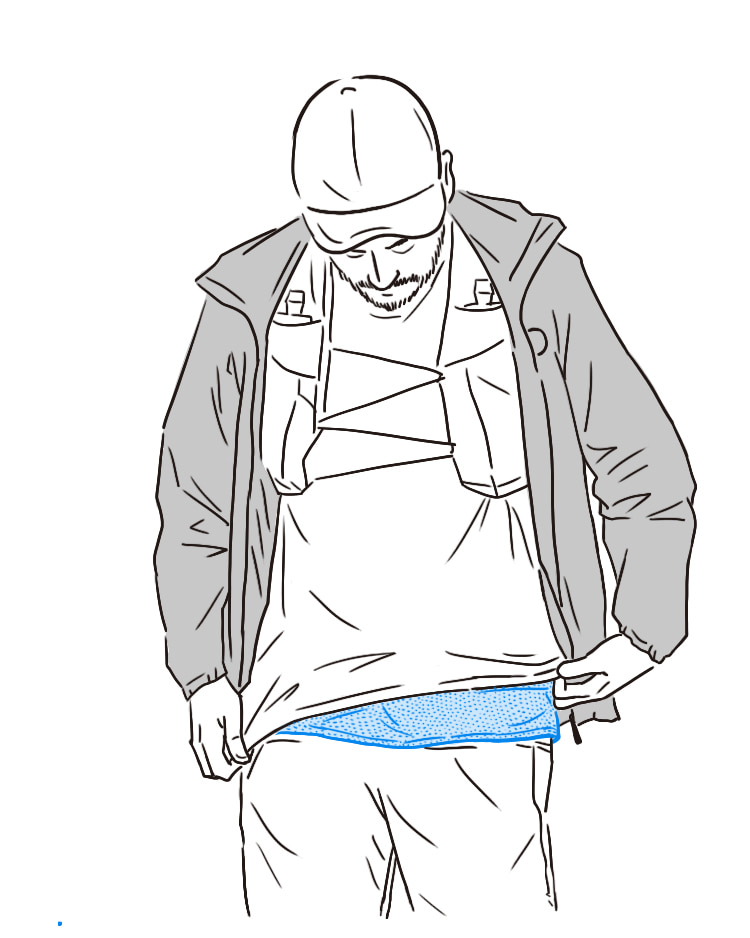
+First Layer (Onyone Breath Tech PP)
In running, the sweat you produce during exercise tends to lower your body temperature during when not moving. By wearing a hydrophobic first layer under your base layer, you can prevent sweat from adhering to the surface of your skin, which in turn prevents cold sweats.
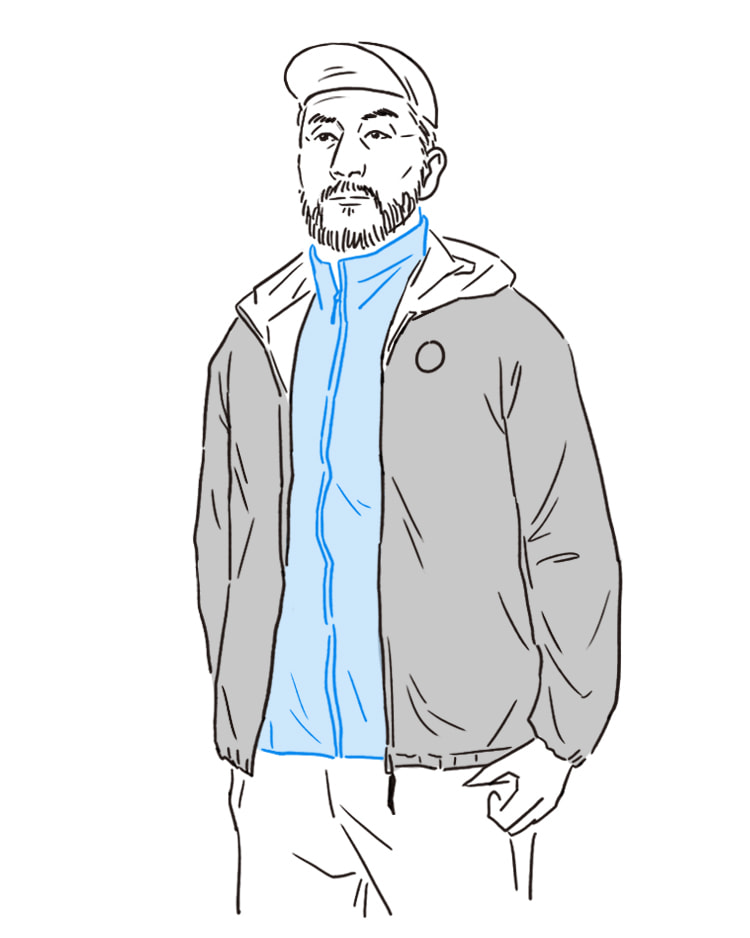
+Lightweight insulation (The North Face VENTRIX Trail Jacket)
Kuwabara’s idea for layering was based on what would fit in his trail running bag. He chose a 150g lightweight trail running insulation jacket, A windshell binded with thin insulation, to go with the All-weather to keep his body warm when not moving.
Akira Natsume’s (Yamatomichi) layering
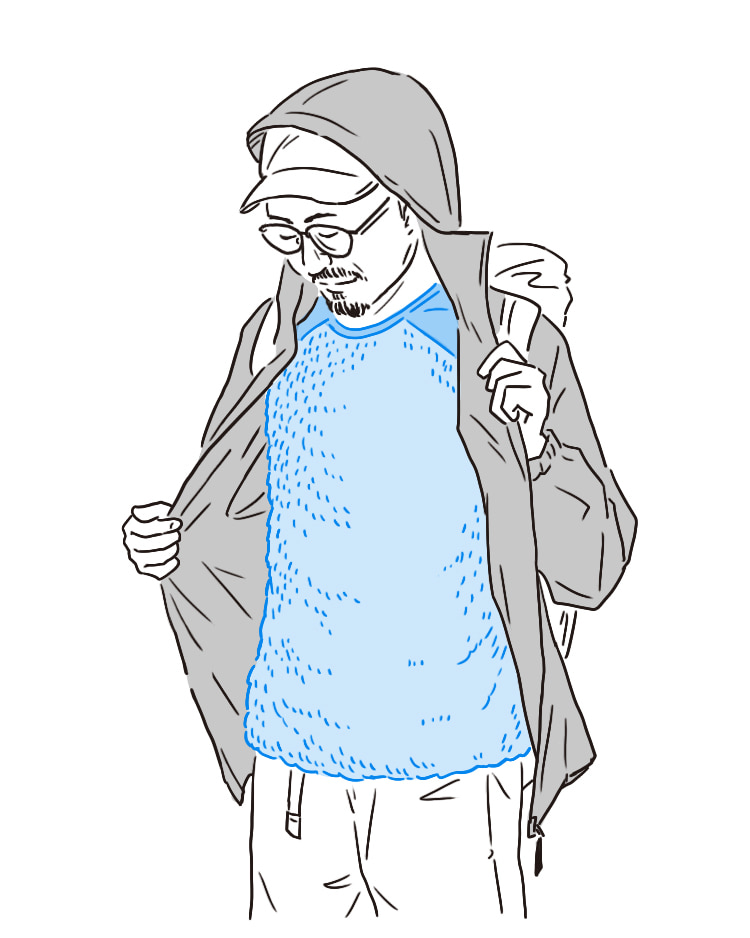
+Active Insulation (Yamatomichi Alpha Vest)
The founder and director Akira, layered a Polartec Alpha Vest from Yamatomichi, which will be released this upcoming fall. The highly breathable All-weather and the equally breathable active insulation are a perfect match.
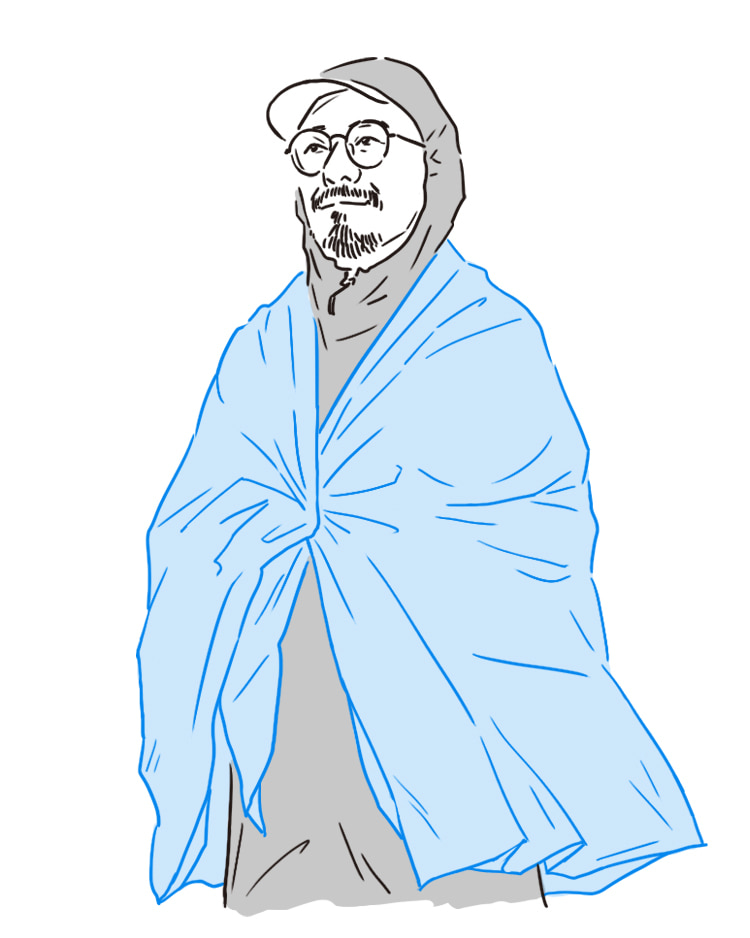
+Emergency Blanket (SOL Survival Blanket)
An emergency blanket that doubles up as groundsheet and a blanket. The fundamentals in reducing weight is to have multi functional gear. UL hikers who want to do The emergency blankets are ultralight and surprisingly great at retaining heat.
Takahiro Watanabe’s (Yamatomichi Lab) layering
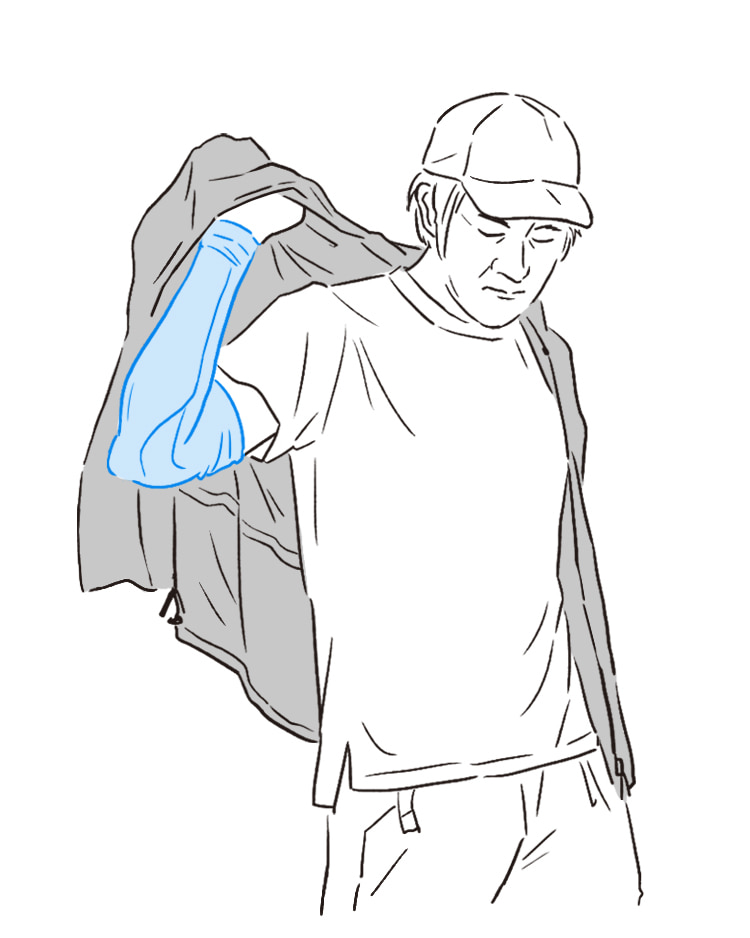
+Sleeves (C3 Fit Inspiration Arm Sleeves)
Watanabe is a runner who likes high-intensity trail running. When layering over short sleeves, no matter how breathable the all-weather material is, the arms that are in direct contact with the bare skin can feel uncomfortable and cold due to sweat clinging to them, which can be eliminated by wearing arm covers.
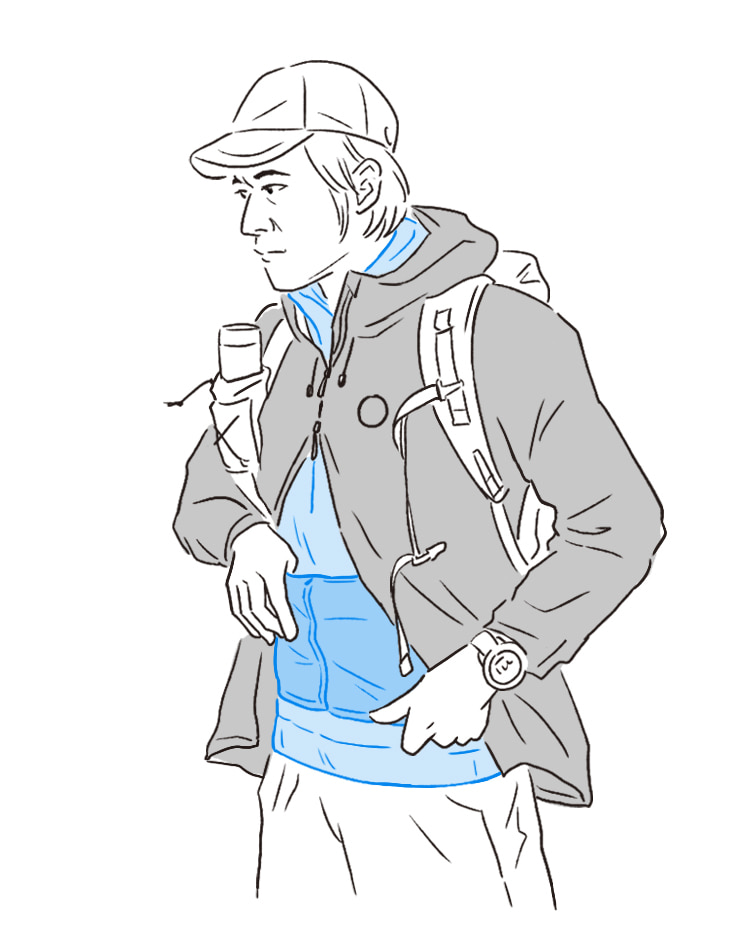
+Merino & Haramaki (Yamatomichi Alpha Haramaki & 100% Merino Hoody)
The moisture-wicking Yamatomichi Merino Hoody as an inner layer, combined with the breathable Polartec Alpha Haramaki wrapped around the stomach, allows you to prevent overheating, while also preventing cold sweats, especially at night or in bad weather.
Related Yamatomichi Journals
Yamatomichi Lab Special Issue: All-weather Activewear #1-3
Yamatomichi Journals featured the All-weather Activewear in a series of three articles.
In the first part of a three-part series on rainwear, we will review the technological improvements of waterproof, moisture-permeable fabrics such as Pertex Shield Air, etc. In the second part, we will highlight each fabric through our in-house gear test. And finally, in the last part, we invite Mr. Tomoya Tsuchiya of Hikers Depot and Mr. Kei Kuwahara of “Run boys! Run girls!” to discuss the current situation of rainwear. Don’t miss it!
Material
The Pertex Shield Air
Pertex Shield Air pushes nanofiber membrane technology further, improving water resistance, wash durability, and overall consistency.
Its hydrophobic polyurethane resin is layered into a fine, web-like structure. Unlike conventional waterproof-breathable materials, it does more than let moisture vapor escape—it allows air itself to move through. That physical airflow is what creates its exceptionally open, airy feel.
To make the most of this breathability, Yamatomichi uses 15-denier outer fabric with a 40-denier ripstop grid, and a 7-denier lining. The result is an exceptionally light shell with outstanding airflow, even compared with shells made from other nanofiber materials.
Size guide
Recommended size
| Size | S | M | L | XL |
|---|---|---|---|---|
| Weight (kg) | 42~60 | 57~67 | 64~77 | 74~85 |
| Chest (cm) | 78~88 | 84~95 | 92~102 | 100~110 |
Product size
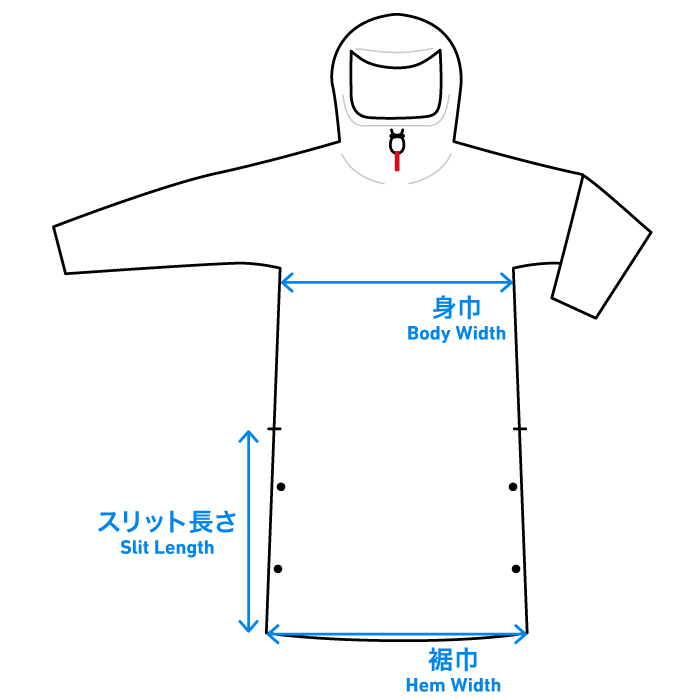
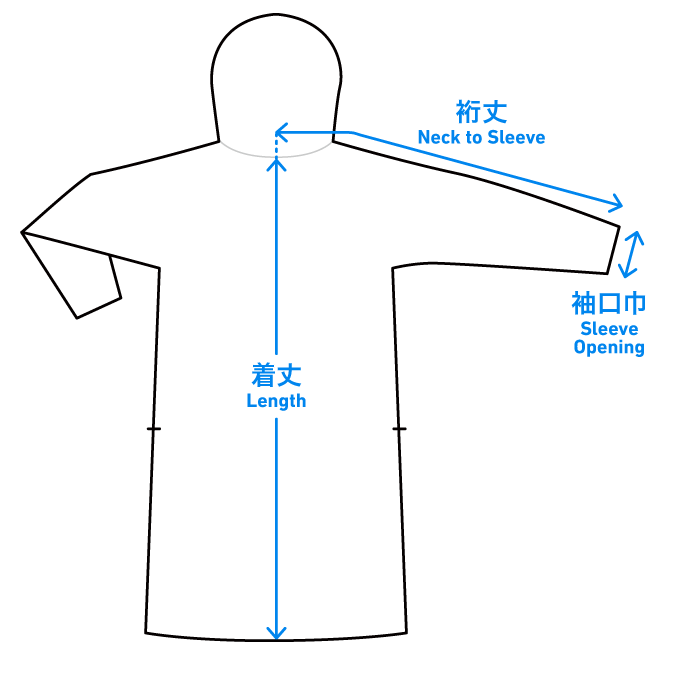
Unit:cm
| Size | S | M | L | XL |
|---|---|---|---|---|
| Length | 96 | 101 | 106.5 | 112 |
| Body Width | 57 | 61 | 66 | 72 |
| Hem Width | 61.5 | 66 | 71.5 | 78 |
| Neck to Sleeve | 84.5 | 87 | 89 | 93.5 |
| Sleeve Opening | 10 | 10.2 | 10.5 | 10.7 |
| Slit Length | 41.5 | 45.9 | 50 | 54 |
Fitting
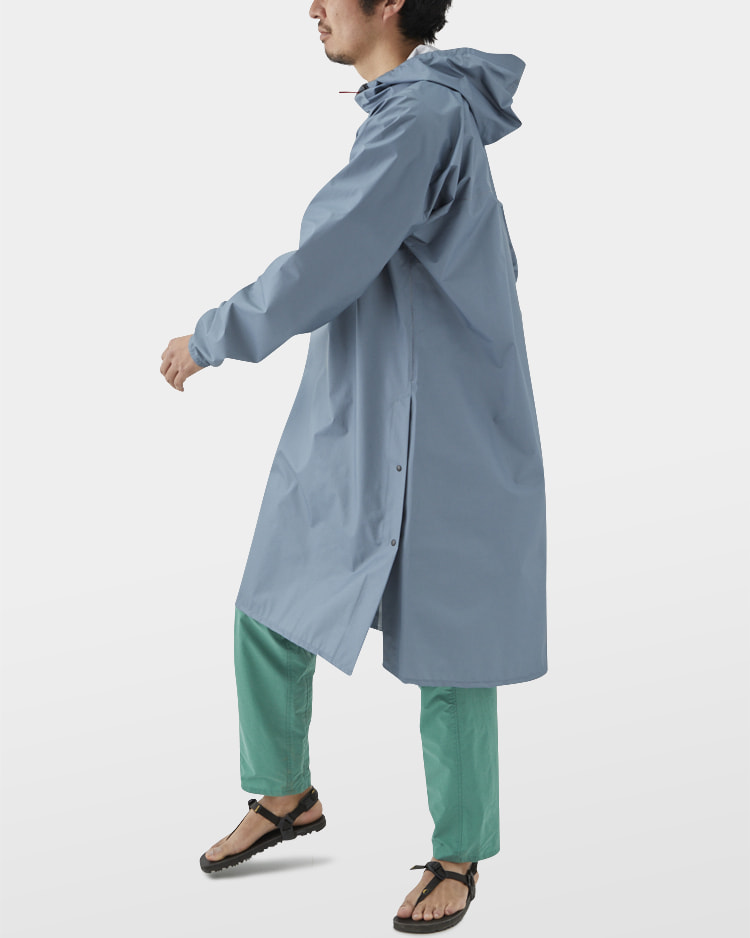
Hide 178cm-68kg
Size L (Blue Gray 2022)
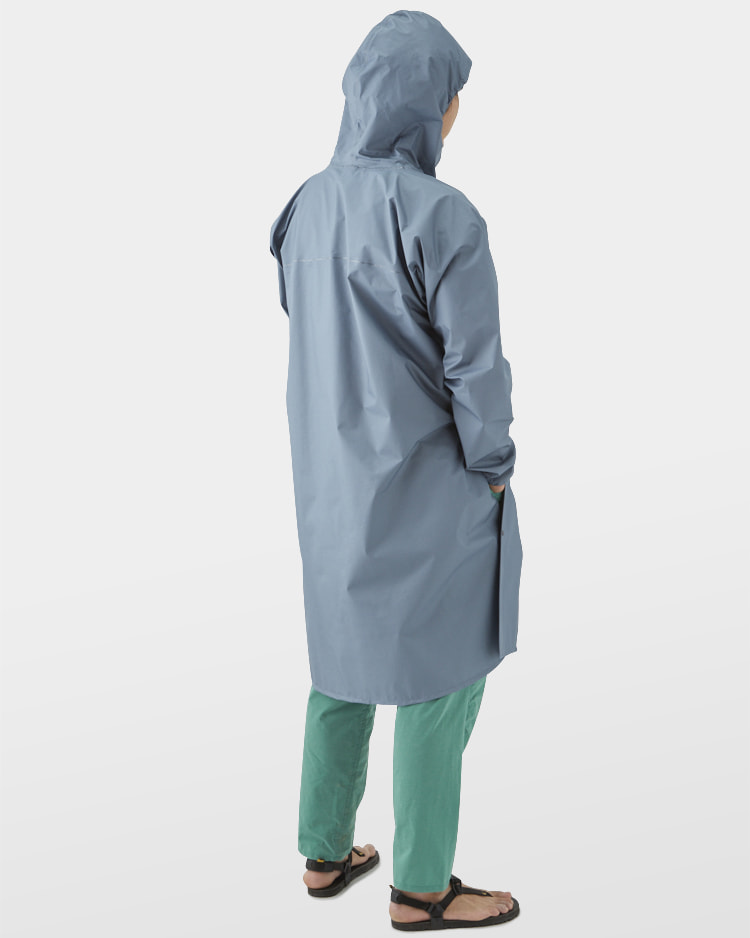
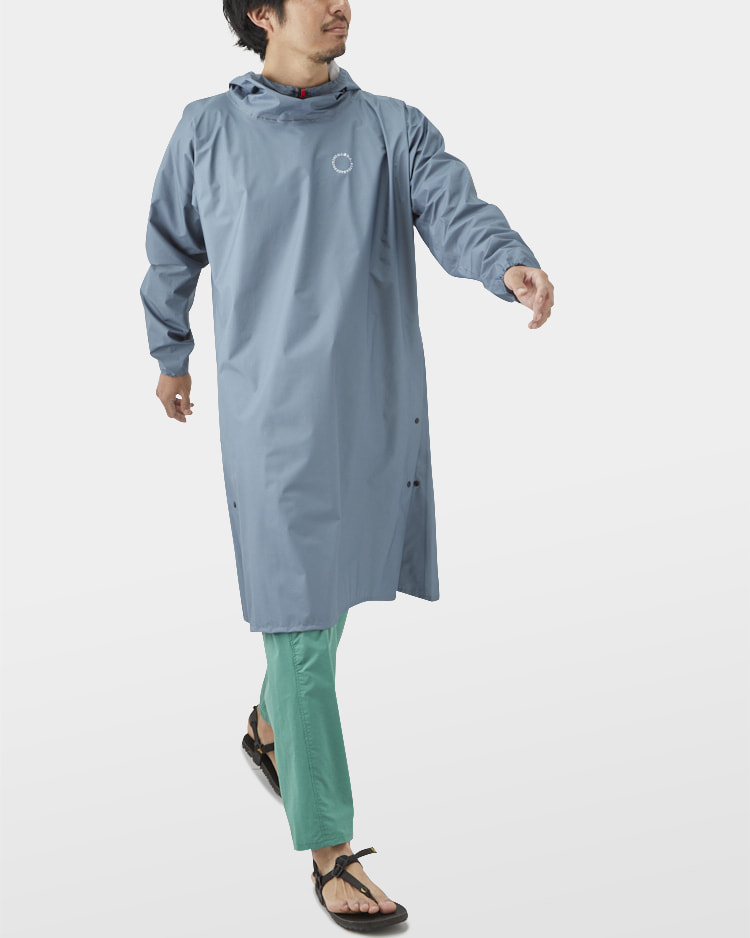
Hide 178cm-68kg
Size L (Blue Gray 2022)
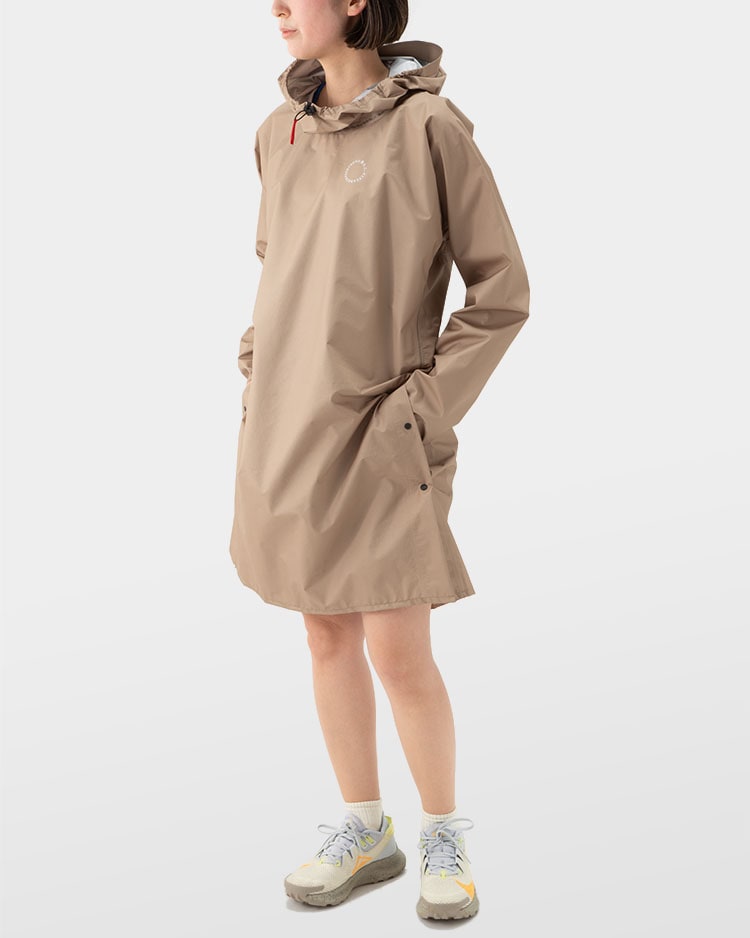
Hikari 163cm-49kg
Size S (Nomad 2022)
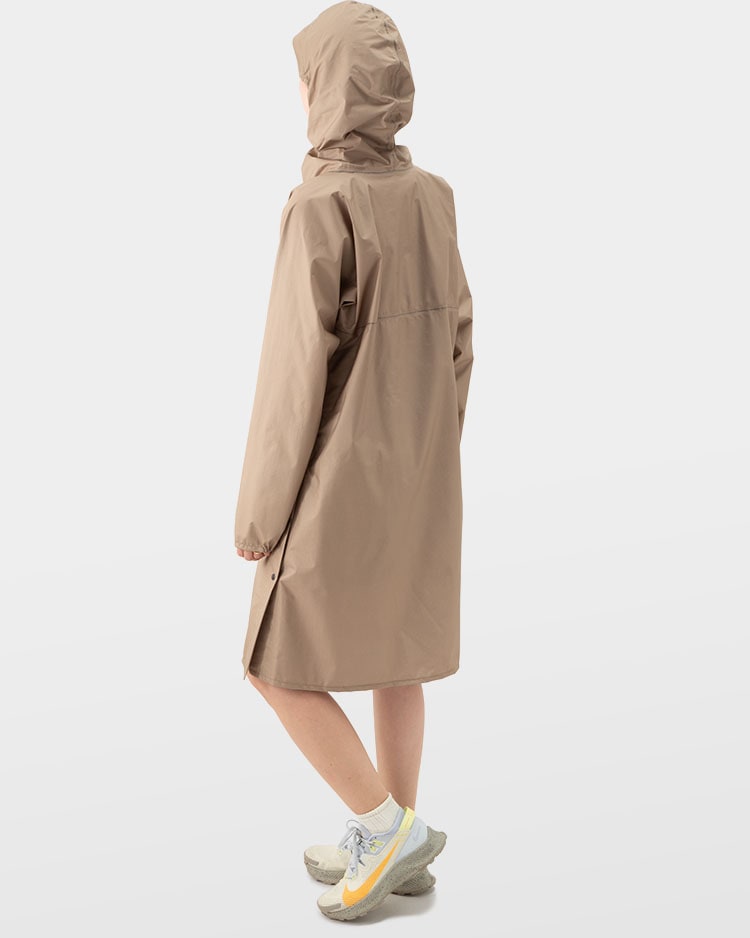
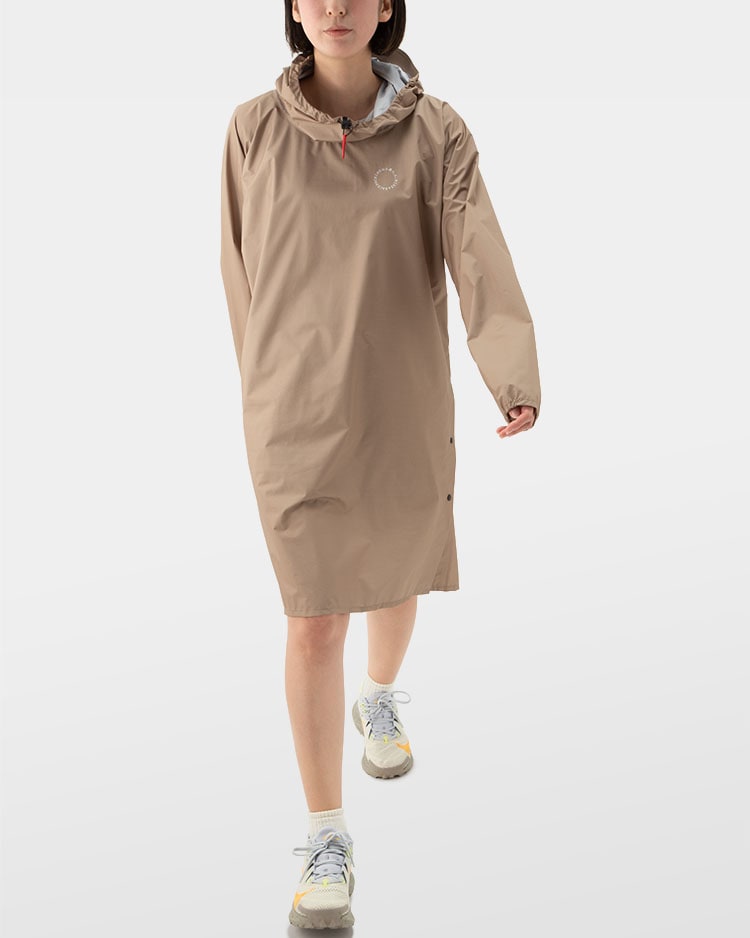
Hikari 163cm-49kg
Size S (Nomad 2022)
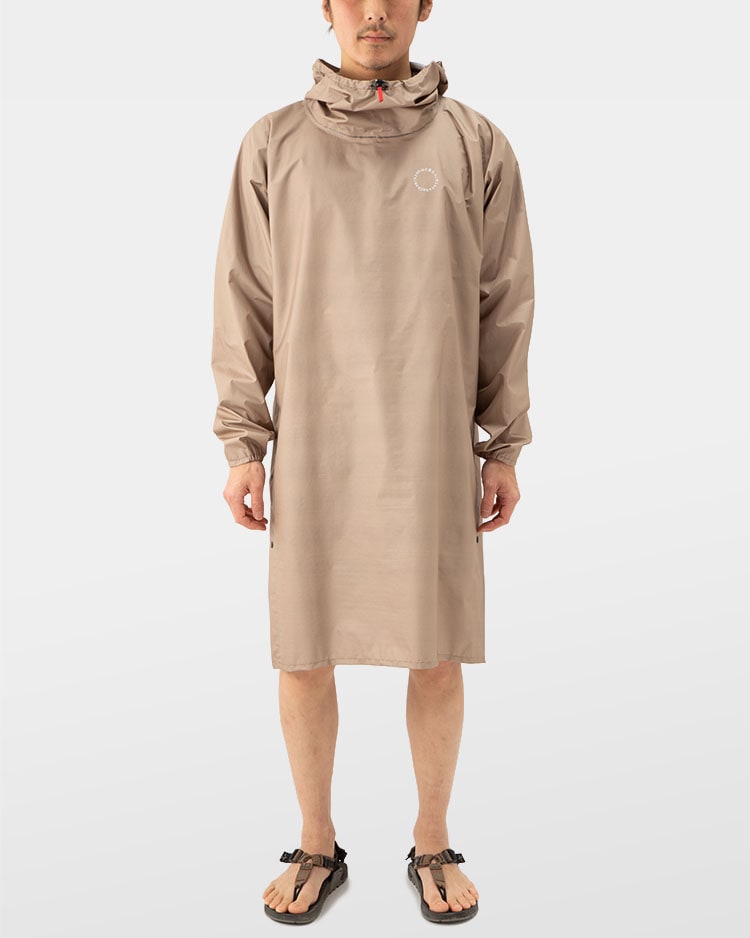
Ichiro 170cm-56kg
Size M (Nomad 2022)
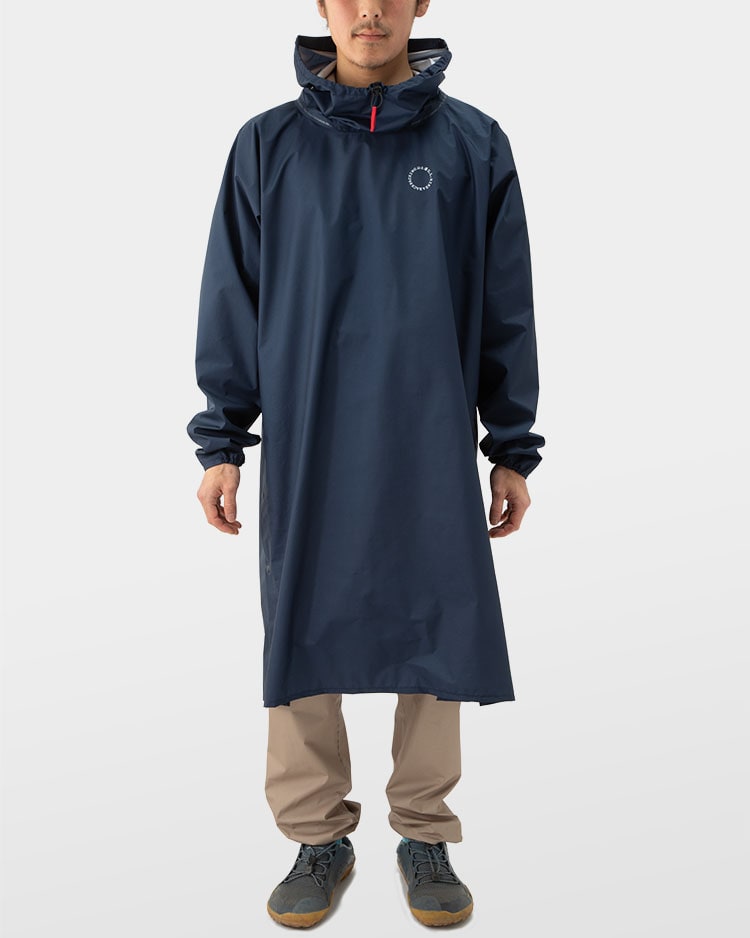
Ichiro 170cm-56kg
Size L (Navy 2021)
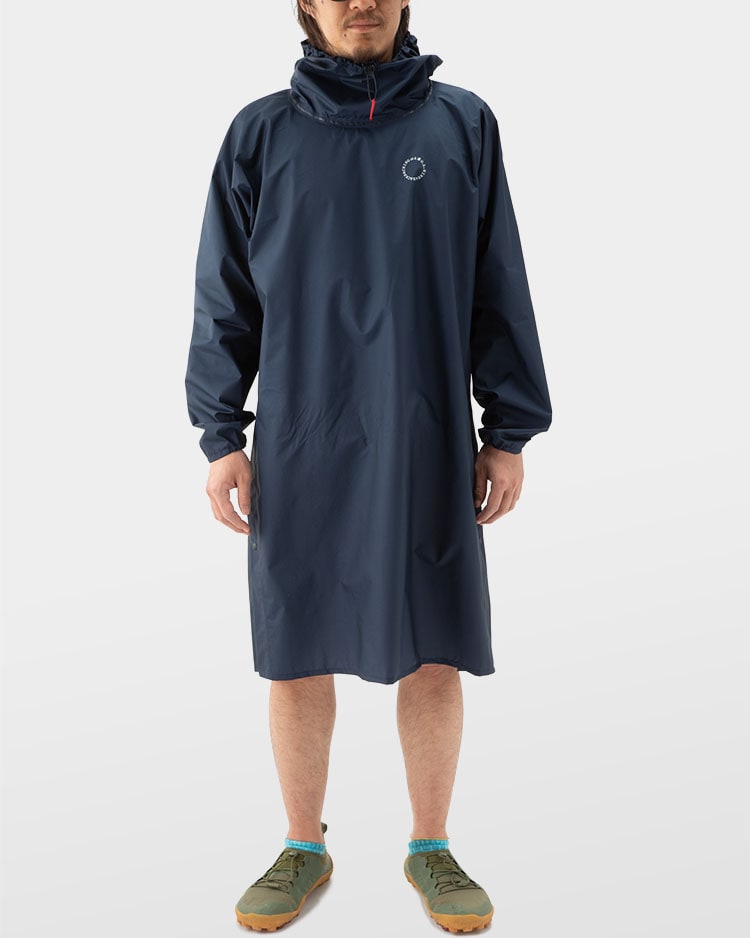
Kim 175cm-71kg
Size L (Navy 2021)
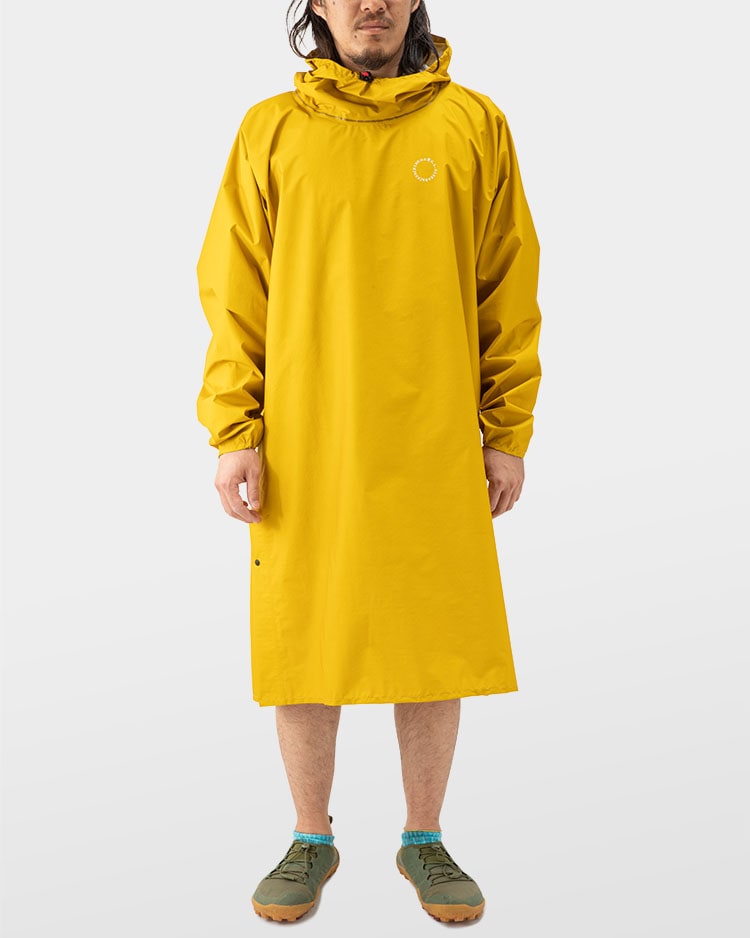
Kim 175cm-71kg
Size XL (Mustard 2021)
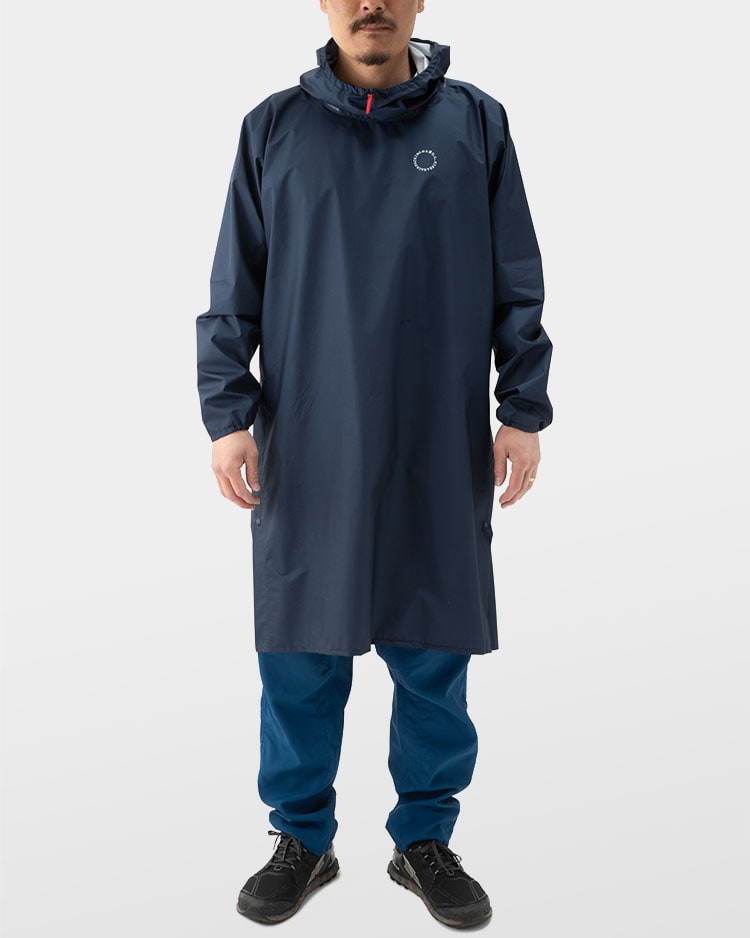
Nacho 180cm-68kg
Size L (Navy)
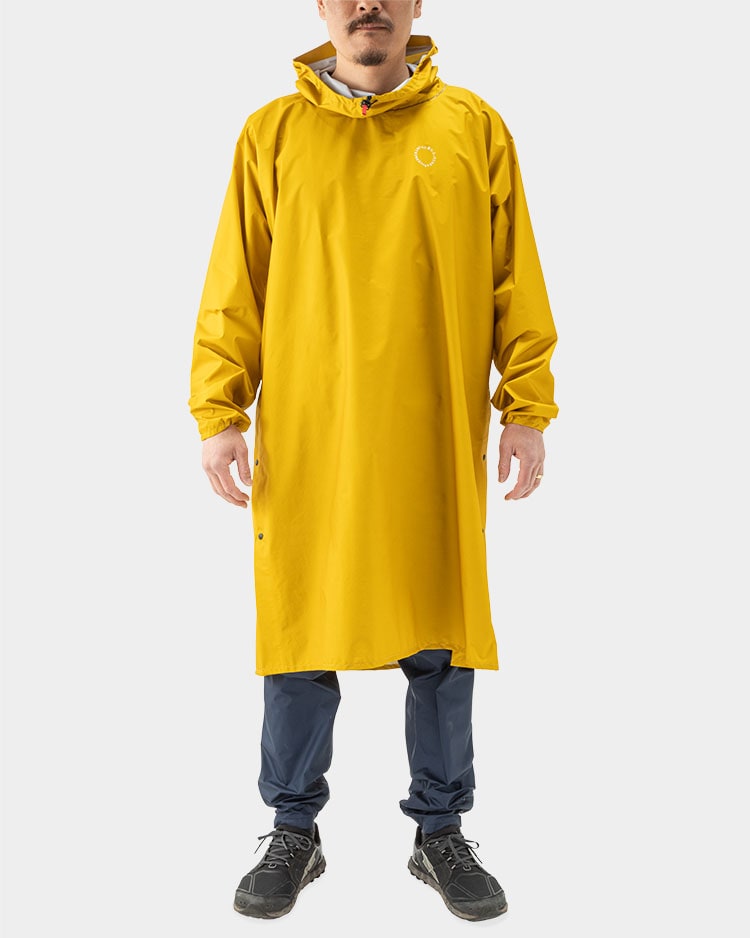
Nacho 180cm-68kg
Size XL (Mustard 2021)
Ichiro 170cm-56kg
Size M (Nomad 2022)
Ichiro 170cm-56kg
Size L (Navy 2021)
Kim 175cm-71kg
Size L (Navy 2021)
Kim 175cm-71kg
Size XL (Mustard 2021)
Nacho 180cm-68kg
Size L (Navy)
Nacho 180cm-68kg
Size XL (Mustard 2021)
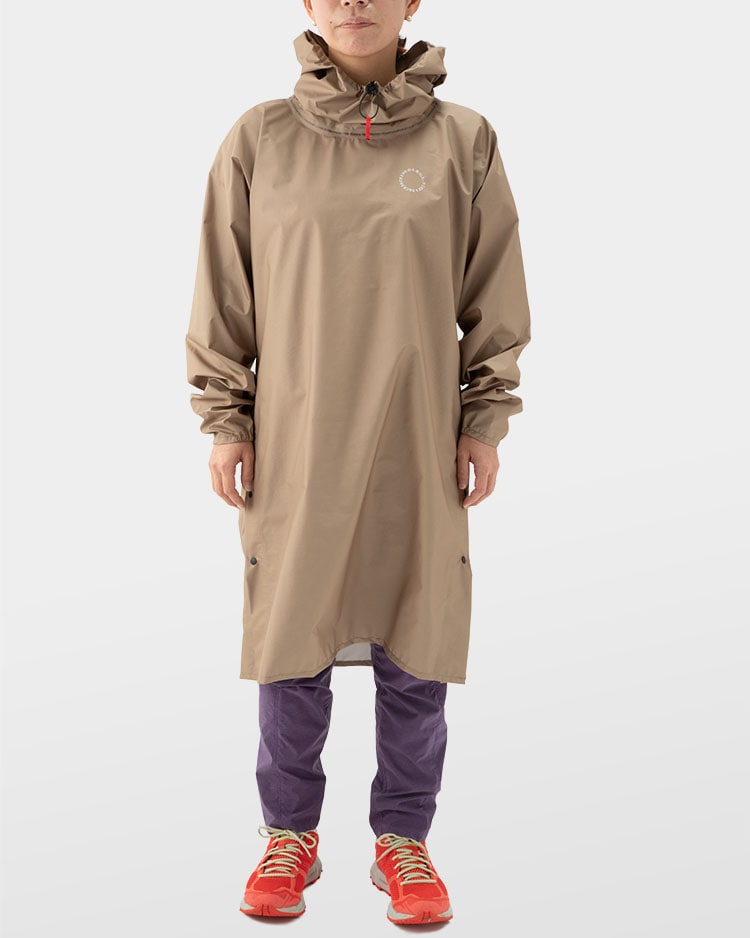
Yukari 153cm-47kg
Size S (Nomad 2022)
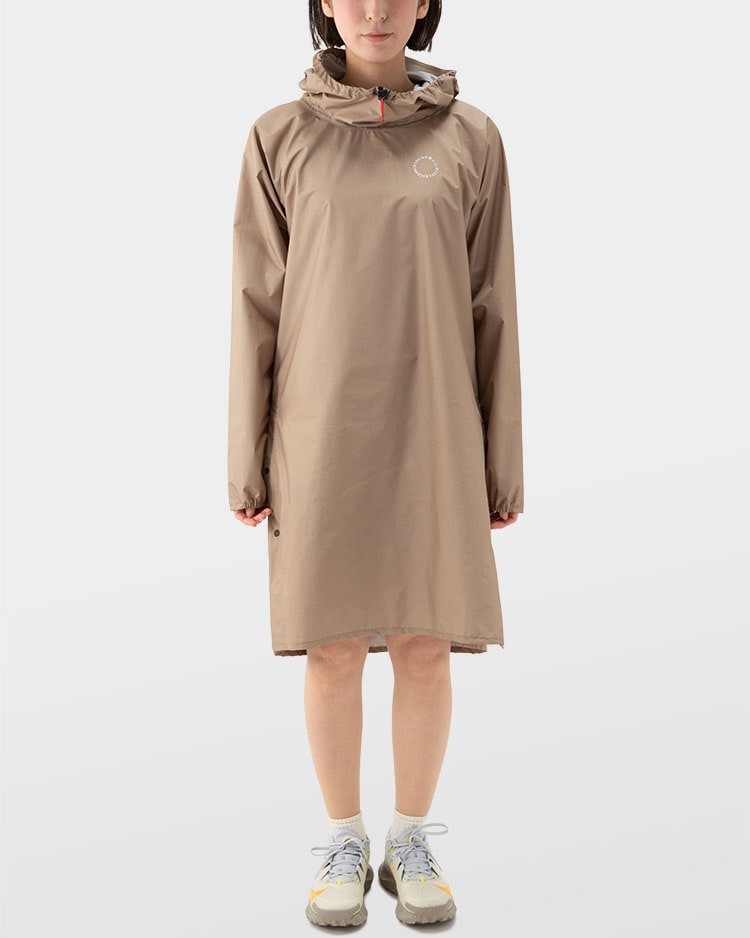
Hikari 163cm-49kg
Size S (Nomad 2022)
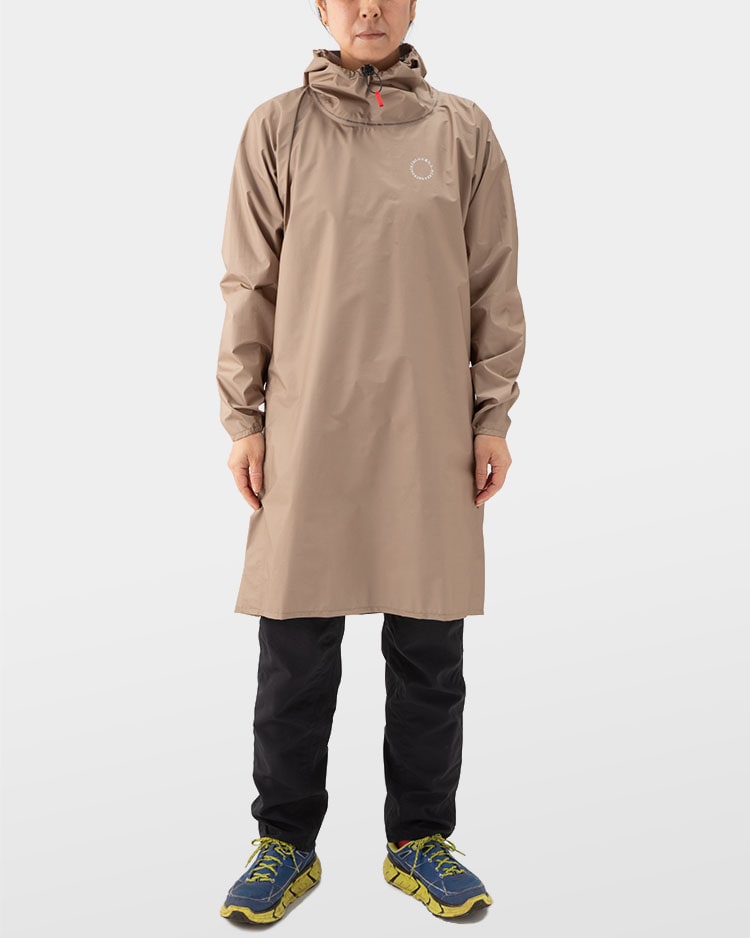
Yumiko 170cm-60kg
Size M (Nomad 2022)
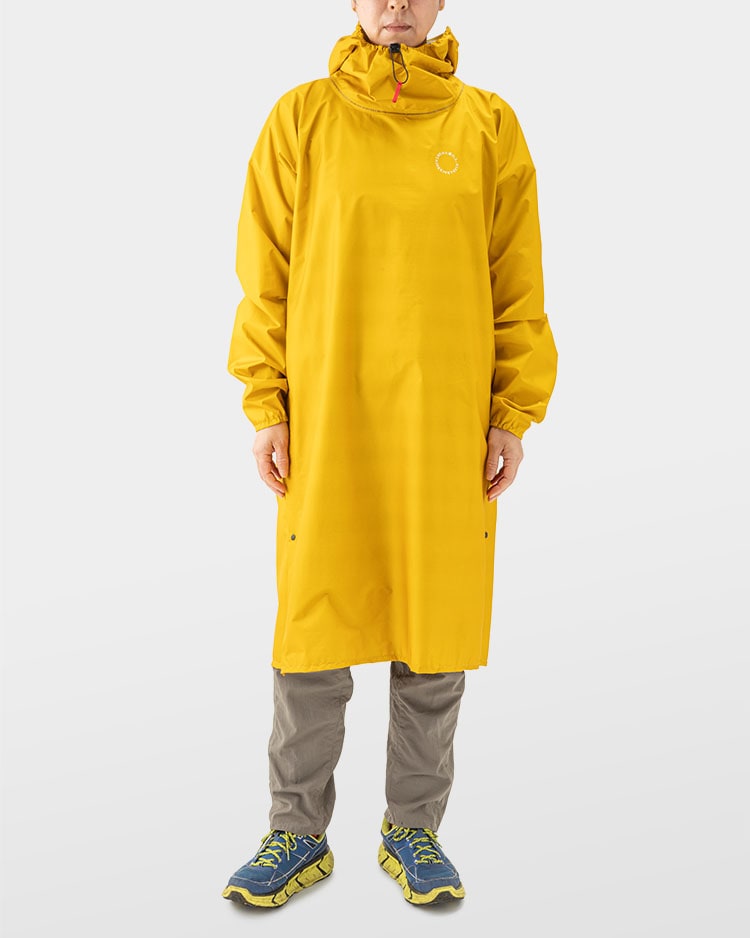
Yumiko 170cm-60kg
Size L (Mustard 2021)
Yukari 153cm-47kg
Size S (Nomad 2022)
Hikari 163cm-49kg
Size S (Nomad 2022)
Yumiko 170cm-60kg
Size M (Nomad 2022)
Yumiko 170cm-60kg
Size L (Mustard 2021)
Instructions
Care instructions
- Machine wash, gentle at 30°C.
- Use rainwear-specific detergent or a neutral detergent that does not contain bleaching, softening, or brightening agents.
- Wash separately or use a laundry net bag.
- Apply detergent diluted with water and wash with a soft sponge if badly stained. Do not scrub the surface joints or the seam tape on the back.
- If necessary, tumble dry the garment at a upper limit of 60°C to restore water repellency.
- Do not bleach and do not use fabric softener.
- Iron on low. Do not steam.
- Do not dry-clean.
- Vaseline, insect repellent, and ethanol-containing substances such as hair creams, cosmetics and sunscreens may stain the fabric. They may also hinder the water-permeability of the fabric.
Care page
For detailed tips on how to wash, store, and take care of your gear, visit our Care page.
Payment
- We only accept payment by credit card for orders from overseas.
- Bank transfer is available only to customers with a Japanese bank account.
- We accept the following credit cards: Visa, Mastercard, American Express, and JCB.
- To download your receipt, please click the link included in the dispatch notice email, which will be sent once your order has been shipped.
Delivery
- You will receive an order confirmation email after completing your purchase.
- Orders paid by 15:00 JST on weekdays or 13:30 JST on weekends and Japanese public holidays will be shipped the same day. Orders paid after these times will be shipped the following day.
- Shipping and delivery may be delayed due to holiday periods, natural disasters, severe weather, high order volumes, additional order verification, or other logistical issues.
- You will receive a shipping confirmation email once your order has been shipped.
- Orders placed separately cannot be combined for shipping.
Shipping Within Japan
When purchasing this product on its own, Yamato Transport’s lower-cost Nekopos service is available.
Shipping: ¥250
- Your order will be delivered to your mailbox or parcel box.
- Loss or damage is not covered.
- Delivery usually takes one to two days after dispatch, though some areas may take longer.
- Tracking is available.
- Delivery dates and times cannot be specified.
Orders containing two or more items will be packed together in a paper bag or cardboard box and shipped by Yamato Transport.
Shipping: ¥500 / ¥950 to Okinawa
International Shipping
- Orders to North America, Oceania, and Europe are shipped via DHL. Orders to Asia, the Middle East, Central and South America, and Africa are shipped via EMS (Express Mail Service). We are currently unable to ship to Russia due to Japanese postal restrictions.
- Shipping fees and delivery times vary depending on the destination and the size and weight of your order. To check the exact shipping fee, add your desired items to your cart and enter your shipping address.
Packaging Options
When purchasing this product on its own, you can choose your preferred packaging for all shipping methods other than Nekopos, including international shipping.
- Standard Packaging: The shipping label is attached directly to the product packaging. We recommend this option to reduce waste.
- Protective Packaging: The product packaging is placed inside a paper bag or cardboard box. Choose this option if you do not want the shipping label attached directly to the product packaging.
Size exchange
Choosing the right size online can be difficult. To make your purchase easier, Yamatomichi offers a size exchange program for eligible items. To request a size exchange, please use our size exchange form here. Please review the conditions below before submitting your request.
- We only accept exchanges when the item is unused (except for fitting).
- If you would like to exchange your item for a different size, please contact us within seven days of receiving your order.
- Exchanges are available only for the same color in a different size.
- If your preferred size is out of stock, we may suggest a different color instead.
- If the product is no longer available, we may need to return the original item to you.
- All shipping costs are the responsibility of the customer.
- We will send the exchanged item after receiving payment for the return shipping cost via PayPal.
- Please note that some countries may charge customs duties depending on the value of the item.
- We are unable to advise on local customs regulations. Please contact your local customs office directly.
Repair
We accept repairs for all of our Yamatomichi products. For inquiries on repair services including patching the holes, repairing with extra components, or fixing the items damaged over time, please feel free to contact us from the “Repair” section of the SUPPORT page.