







The Making of a Yamatomichi Factory, Part 2: Ramping Up Production in Toyooka
Additional photos: Hikaru Otake
The Making of a Yamatomichi Factory, Part 2: Ramping Up Production in Toyooka
Additional photos: Hikaru Otake
Yamatomichi is forging ahead with plans to build a factory in Kamakura that’s integrated into its headquarters. In the past, Yamatomichi had a workshop for small-scale production. This time, it will be different: We will attempt to run our own full-scale manufacturing facility. By building a factory in the same place as our research and development, sales and communications units, we want to position making things and craftsmanship at the heart of what we do at Yamatomichi. We also want to create a lifestyle that’s connected to manufacturing through sewing ー and to encourage and inspire a younger generation to improve on and pass on the technical skills. The first step was to set up a training factory in Toyooka, Hyogo prefecture, to learn techniques from Takaaki Co., our long-time partner and bag manufacturer. We left off with Yamatomichi’s dispatching two staff members to Toyooka.
A year on, five new members have been hired to work at Yamatomichi’s Toyooka factory. We continue Yamatomichi Journal editor-in-chief Masaaki Mita’s conversation with Takahiro Nakagawa and Ichiro Kitajima ー the Yamatomichi staffers who moved to Toyooka ー and wrap things up with an updated Q&A with President Takahiro Shukunami of Takaaki.
① Overcoming production obstacles in Toyooka
Interviews with staffers Takahiro Nakagawa and Ichiro Kitajima
Staffers Takahiro Nakagawa and Ichiro Kitajima relocated to Toyooka, launched Yamatomichi’s Toyooka factory, and continue to lead the project. We look back at the many challenges they have faced over the past year.
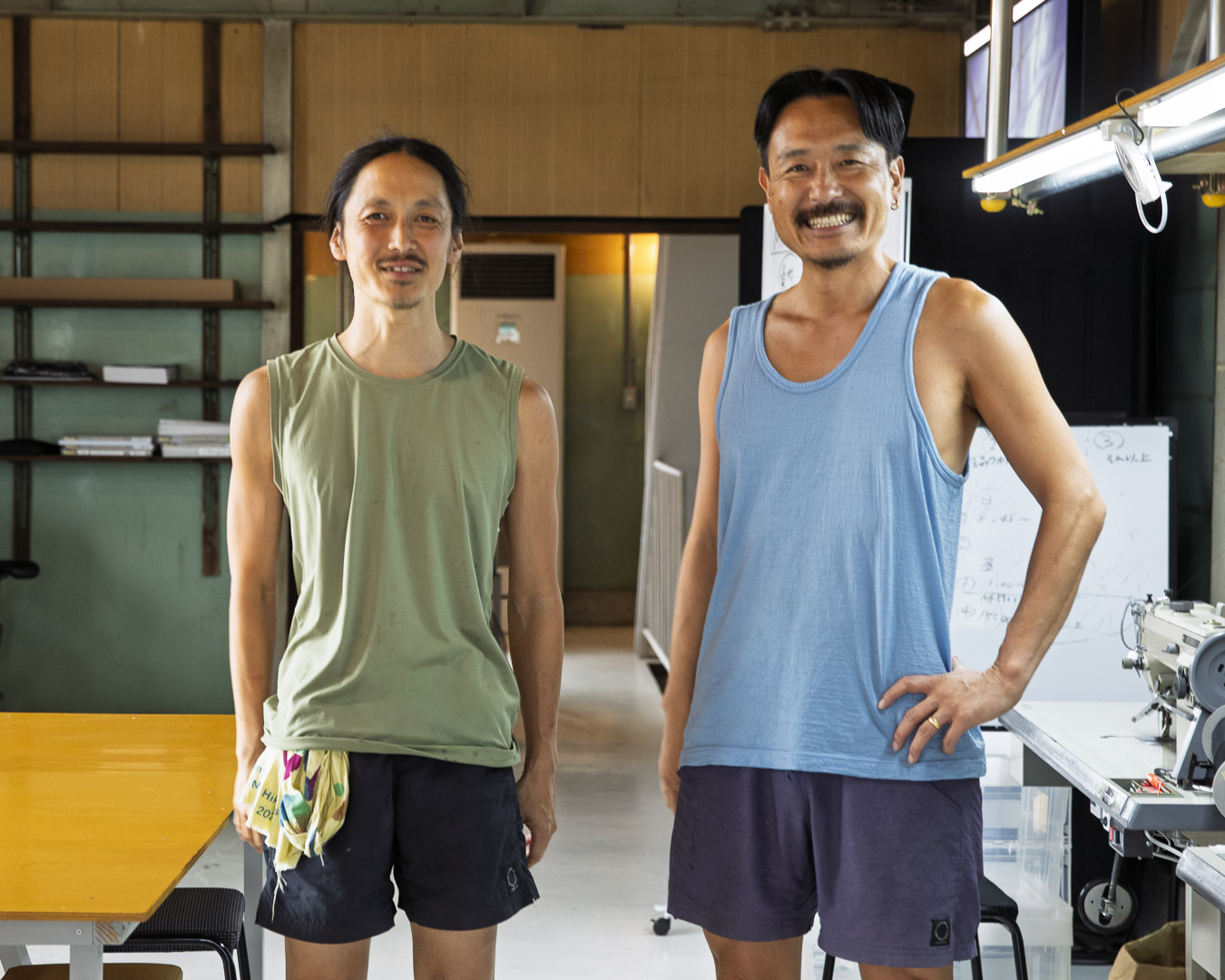
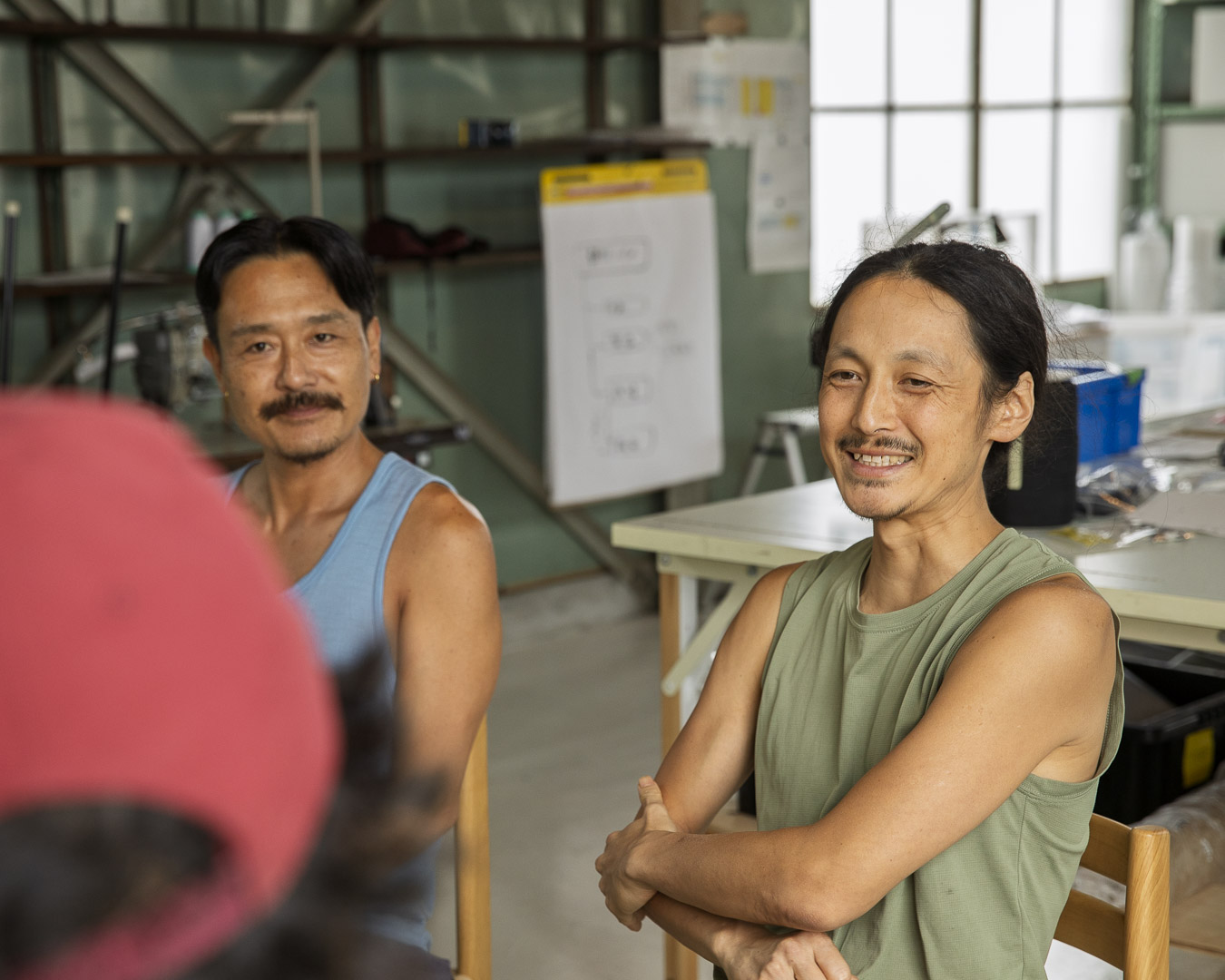
Ichiro Kitajima (Left):As a member of the product team under the head of repairs, he sews samples and is primarily engaged in production work, while currently also dedicating himself to building the systems for the new factory.
Takahiro Nakagawa (Right):In charge of production, he handles everything from procuring fabrics and materials to arranging schedules for production and managing the timing of deliveries. He is also heading the new factory project.
Five new hires with diverse backgrounds
ーIt’s been a year since our 2024 interview. Back then, you had just started recruiting. How long has the factory been running for?
Takahiro We started operations in July 2024. It’s been about a year and two months since then.
Ichiro For the first six months it was just the two of us. We focused on setting up the factory and training at Takaaki. It wasn’t until new staff joined, in February 2025, that it finally started to feel like a real factory ー like a home.
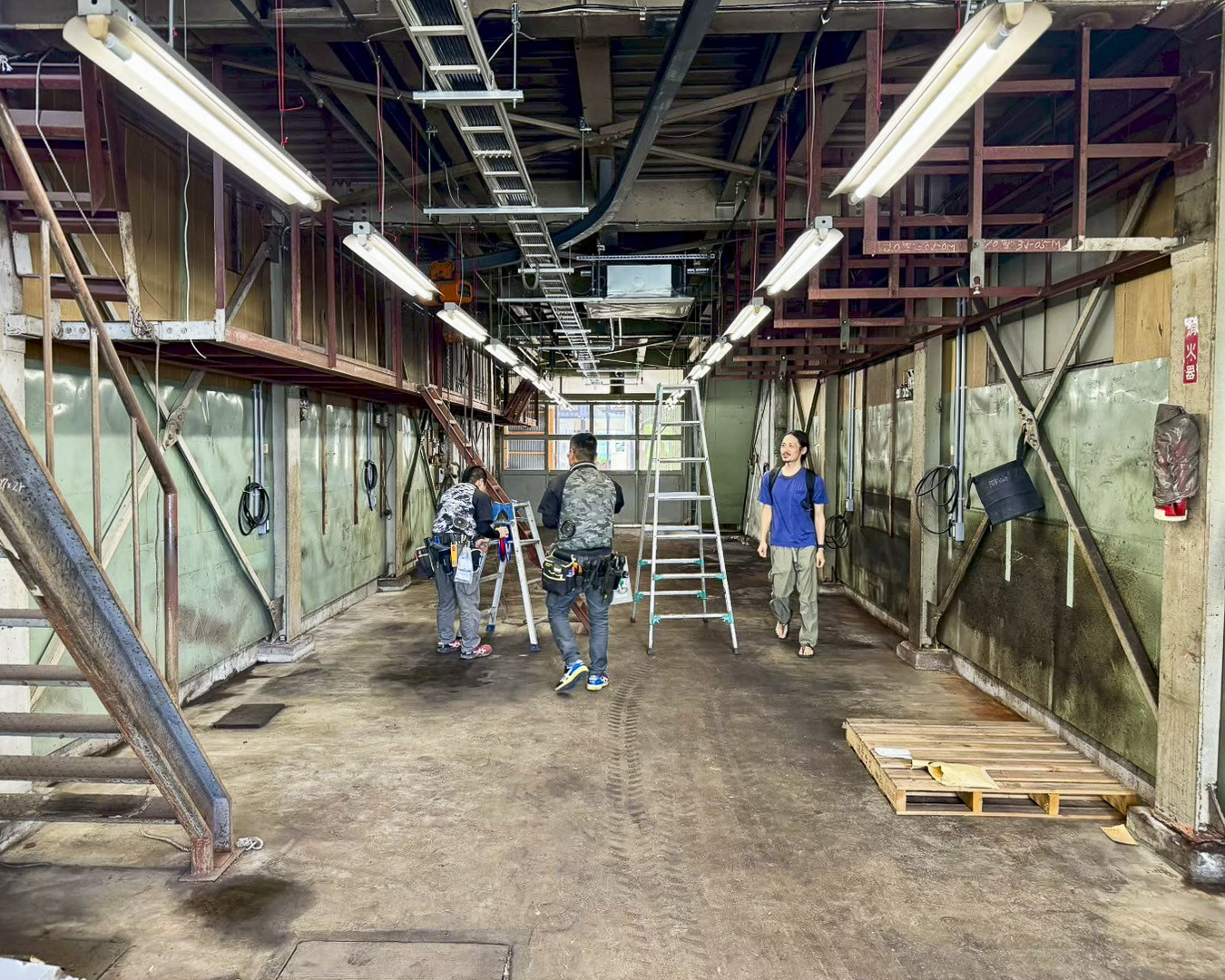
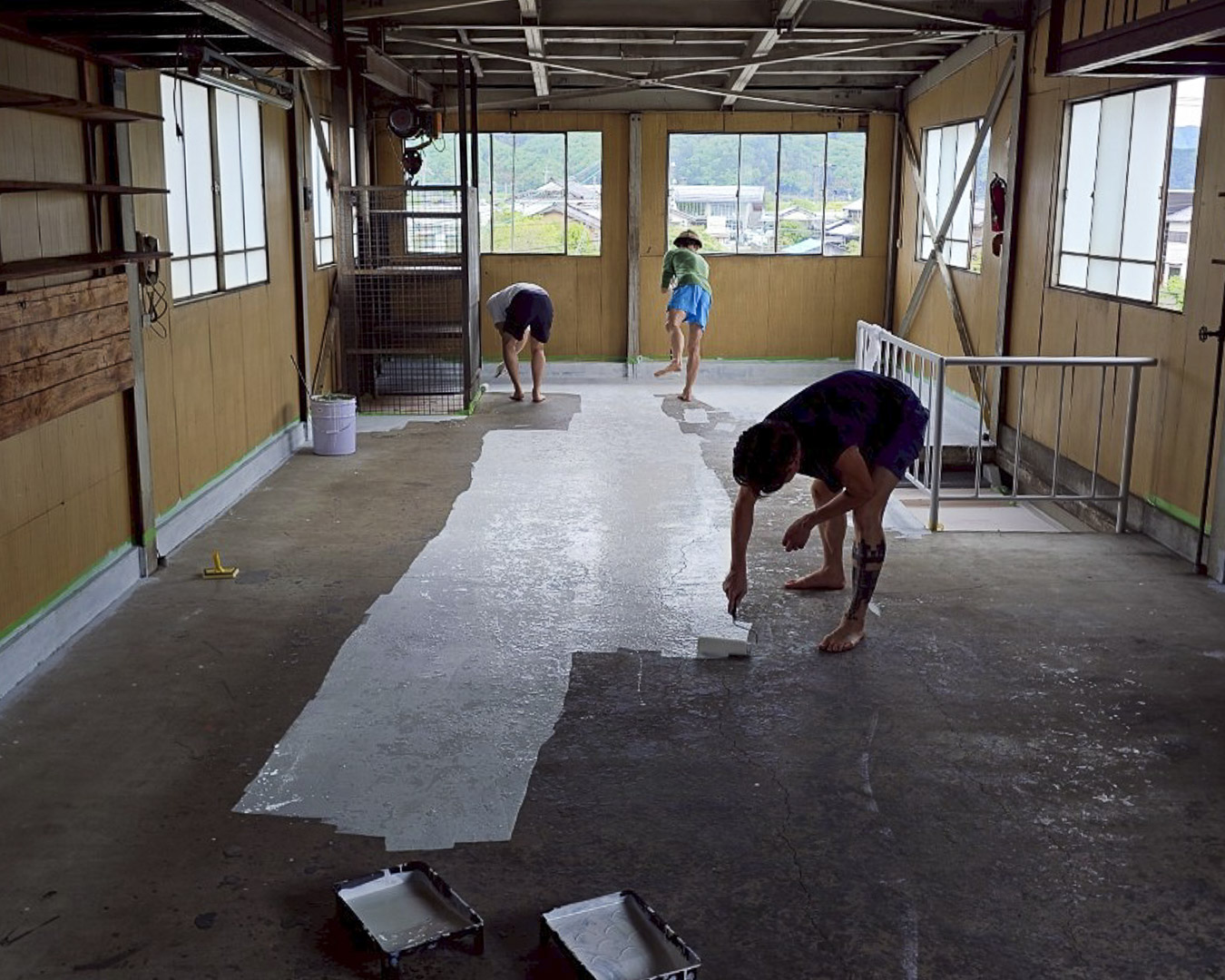
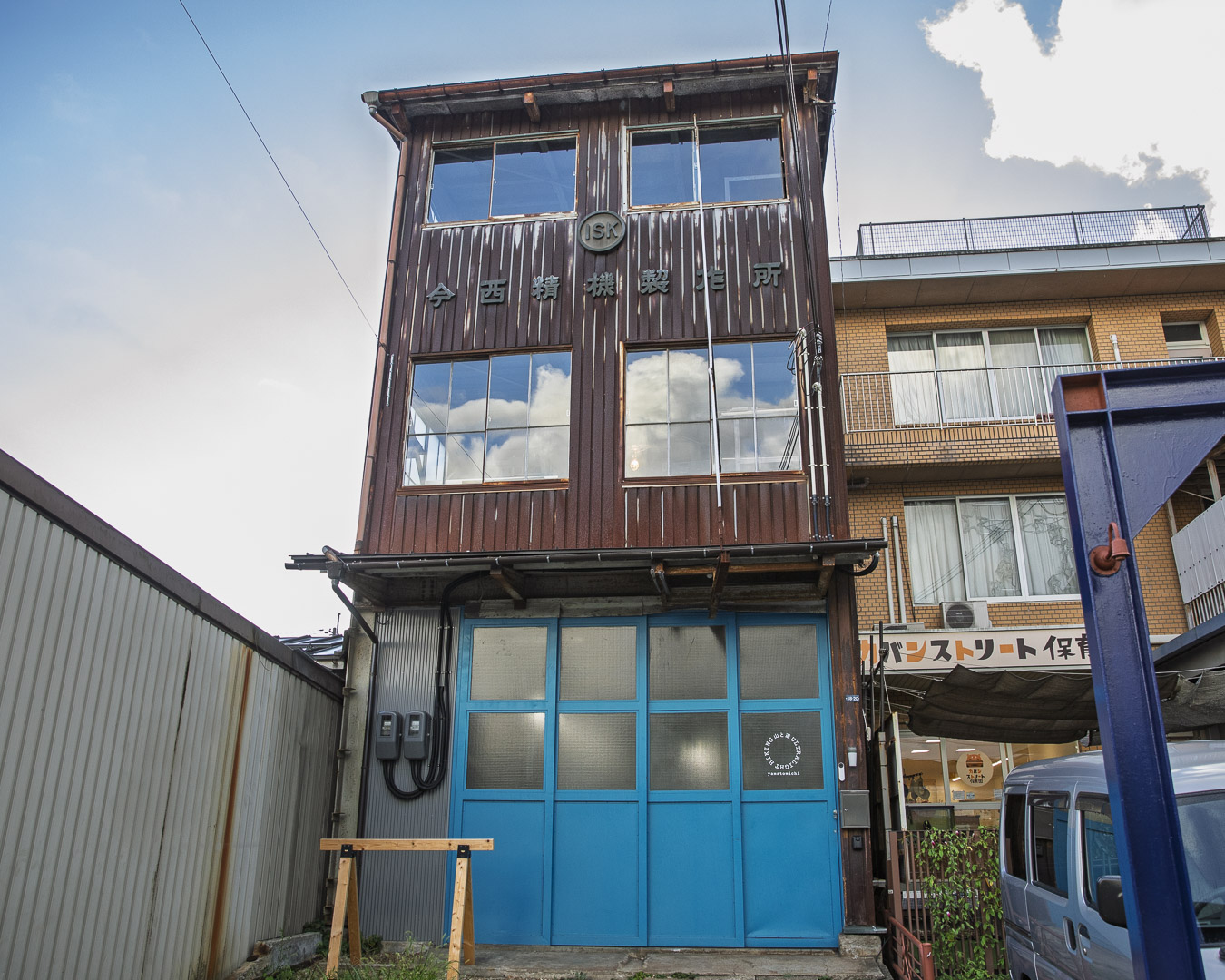
The exterior of the Toyooka factory, formerly an old machinery parts plant. Staffers pitched in to help with the partly DIY-style renovation.
Takahiro At the moment, two teenagers ー they’re 16 and 17 years old ー who are hitchhiking around Japan are staying with us. Yesterday we all cooked dinner together. While they were playing guitar and singing, I was working and singing along.
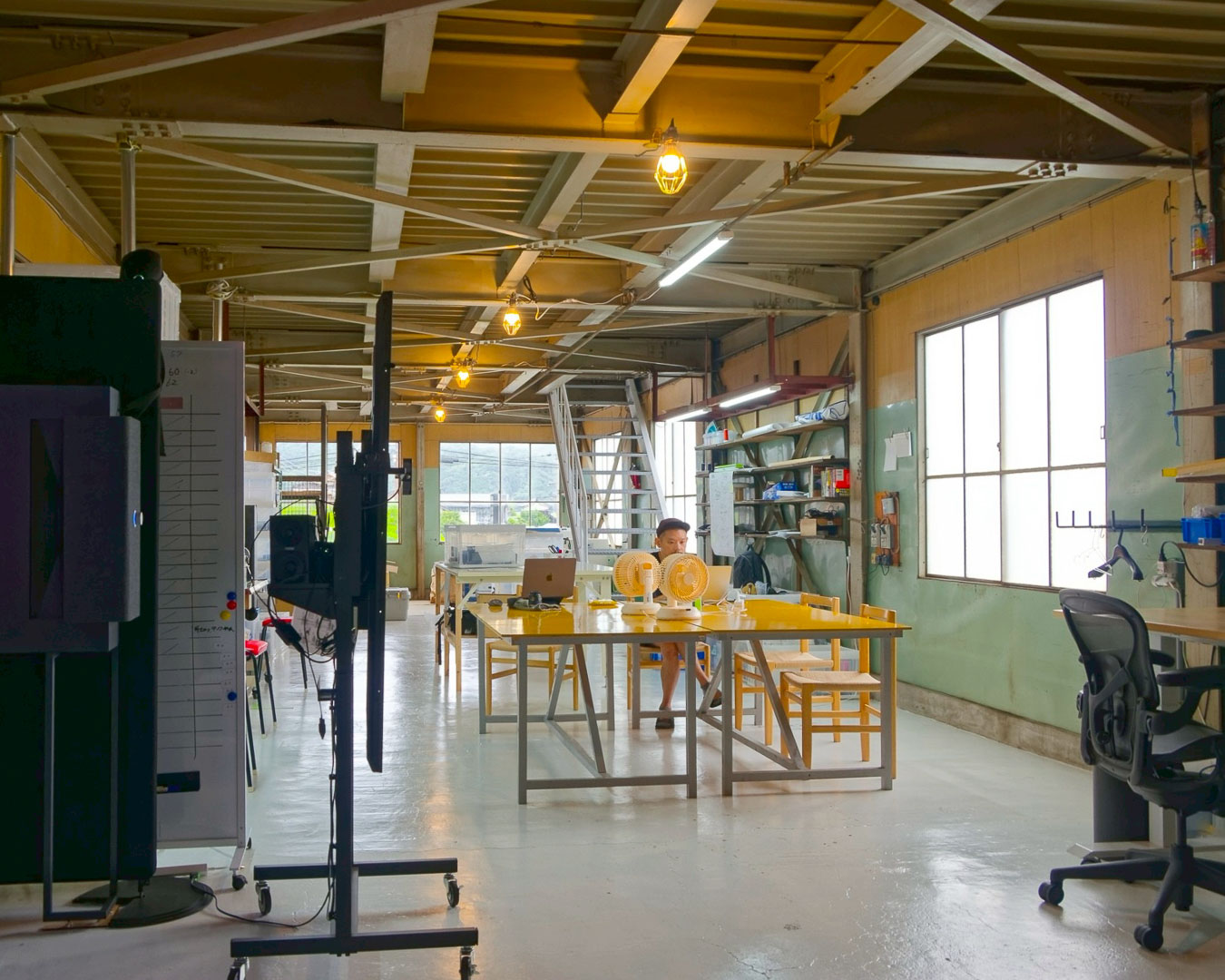
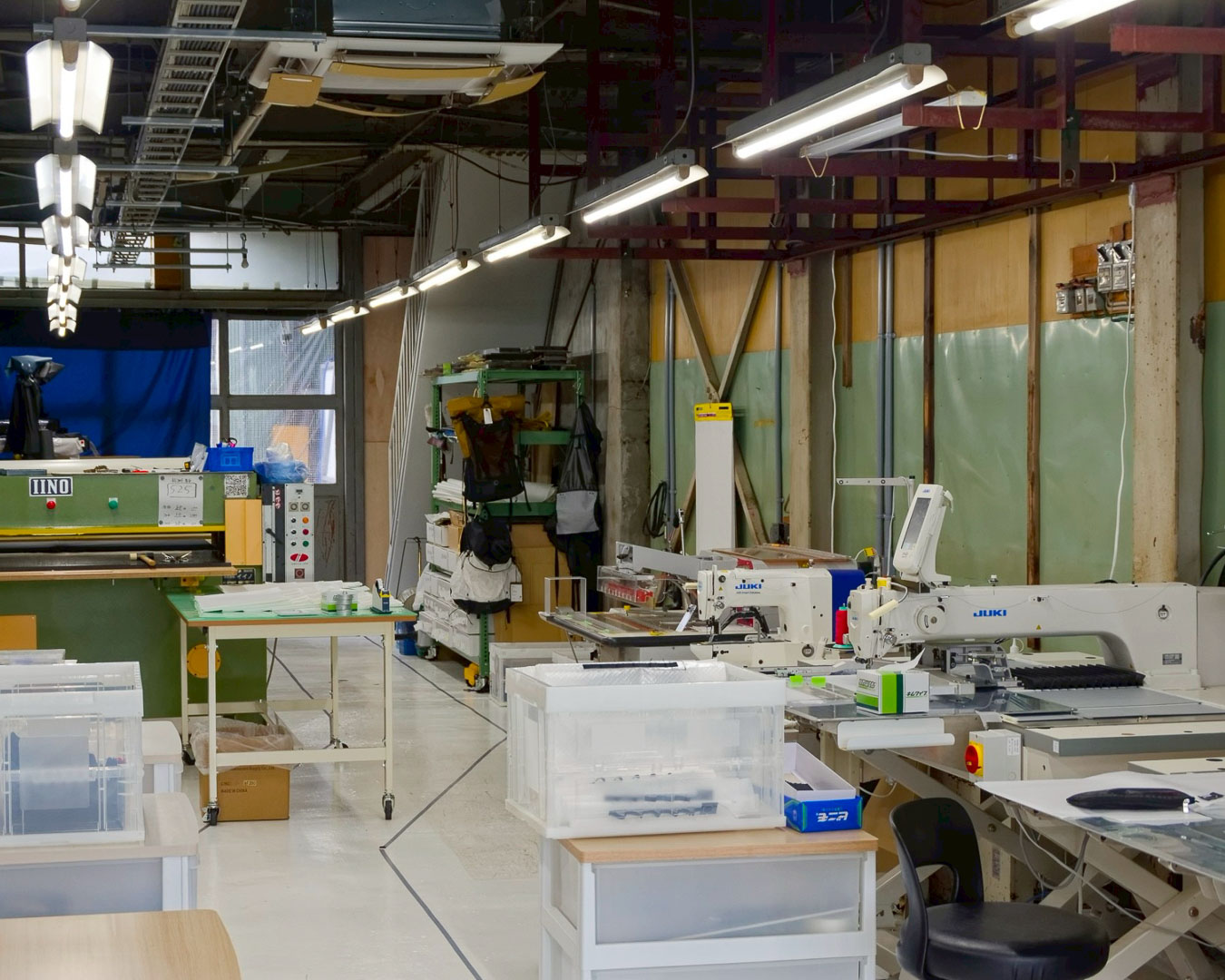
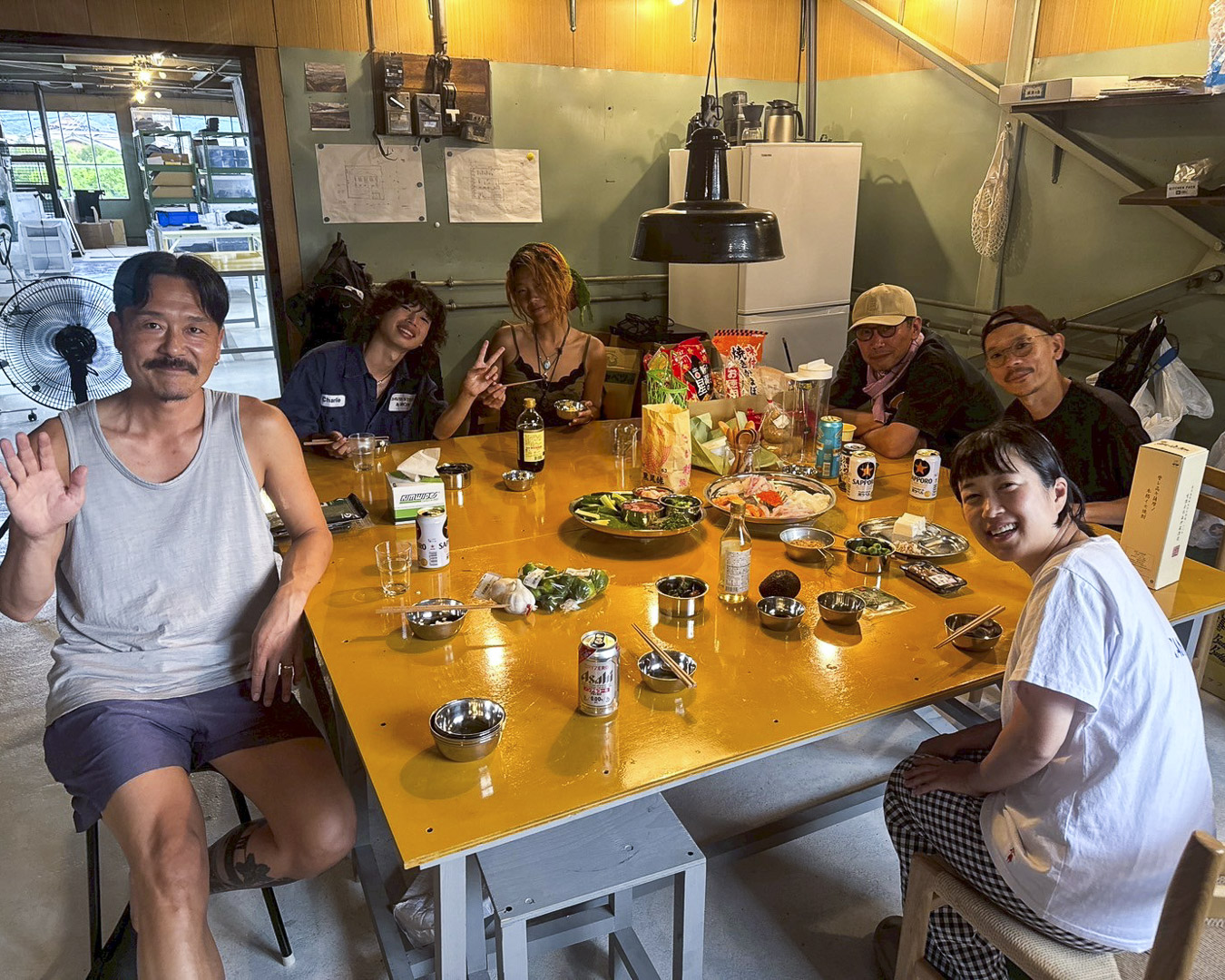
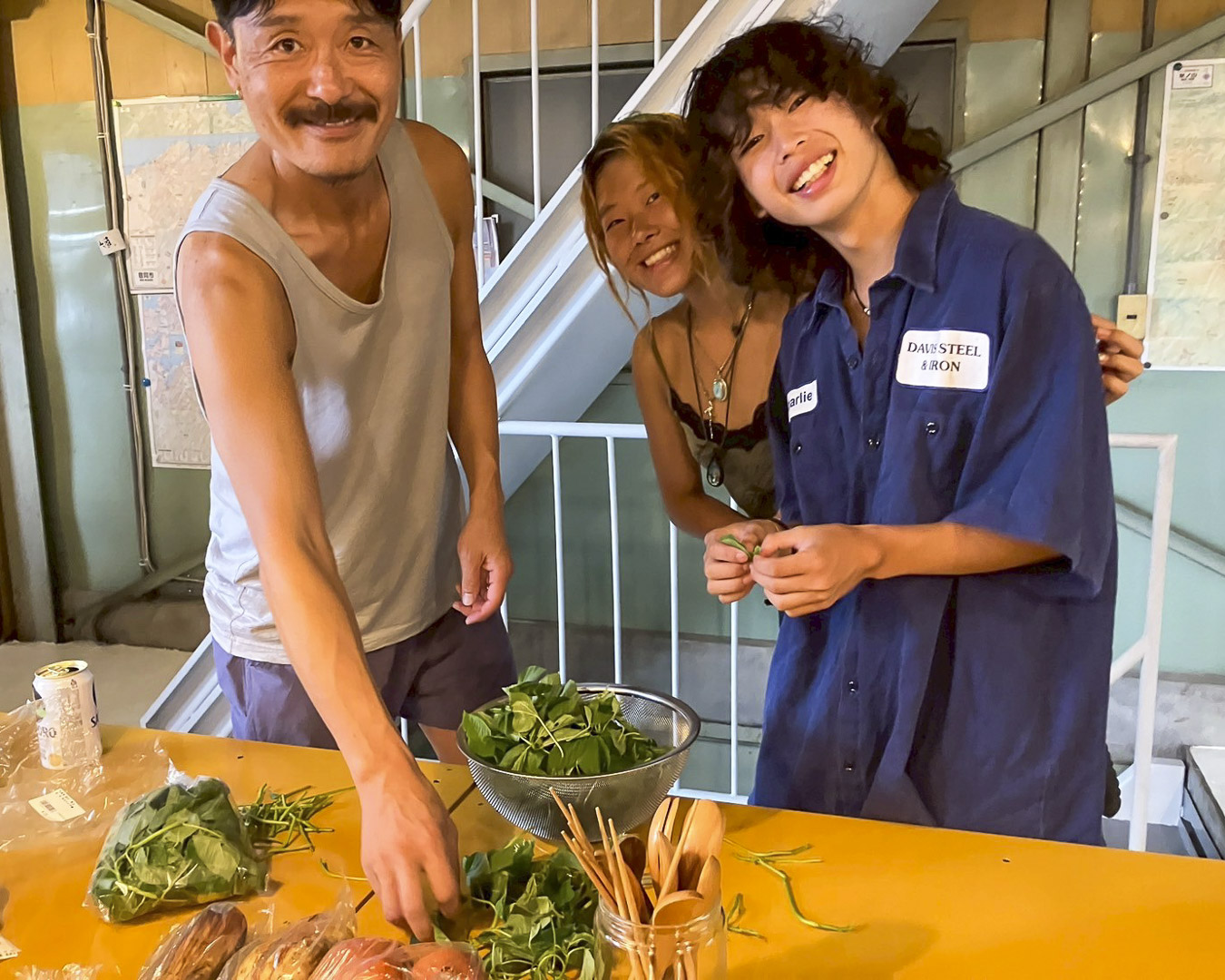
The interior of the Toyooka factory. At the time of the interview, two teenagers (Takahiro’s family friends) were staying during their hitchhiking trip around Japan.
ーHow difficult was it choosing the new staffers?
Takahiro After releasing the first part of this conversation in Japanese, a lot of people got in touch with us. Normally, we would first weed out candidates based on their applications, but this time we interviewed all thirty people online. When you talk to someone, you can sense potential that didn’t show up on paper. Even those we didn’t hire were passionate. That motivated us ー we want Toyooka to have a positive influence on them too.
Ichiro Many applicants had careers in other fields but were ready for a new challenge. The idea of launching a new factory really struck a chord.
Takahiro Quite a few didn’t hike, but everyone knew Yamatomichi. About 70% were users of our gear. Only five or six had factory or mass-production experience. The rest came from completely different fields ー farmers, municipal employees, etc.
ーWas there anything inspirational about the people you met?
Takahiro Those with manufacturing experience often felt there were limits to the industry or had ideas about how things could be done better. That’s why many of them shared our desire to rebuild Japanese manufacturing. Those without experience ー one was a farmer in Miyazaki ー loved Yamatomichi and wanted to try making things themselves and were passionate and motivated by our vision.
ーUltimately how many of the candidates did you hire?
Takahiro Five people. It’s a diverse group. One worked for a tent manufacturer, another in systems development, another at a randoseru (backpack carried by primary schoolchildren in Japan) factory, another in apparel sewing. There’s even a former yoga instructor.
Ichiro We had planned to increase the number of people gradually, but before we knew it, we had a team.
Takahiro We met so many good applicants. In December we held a final round of interviews in Toyooka that included a one-night, two-day practical test. Two people joined in February 2025, and three more in March. The average age of our new staffers is just over 40.
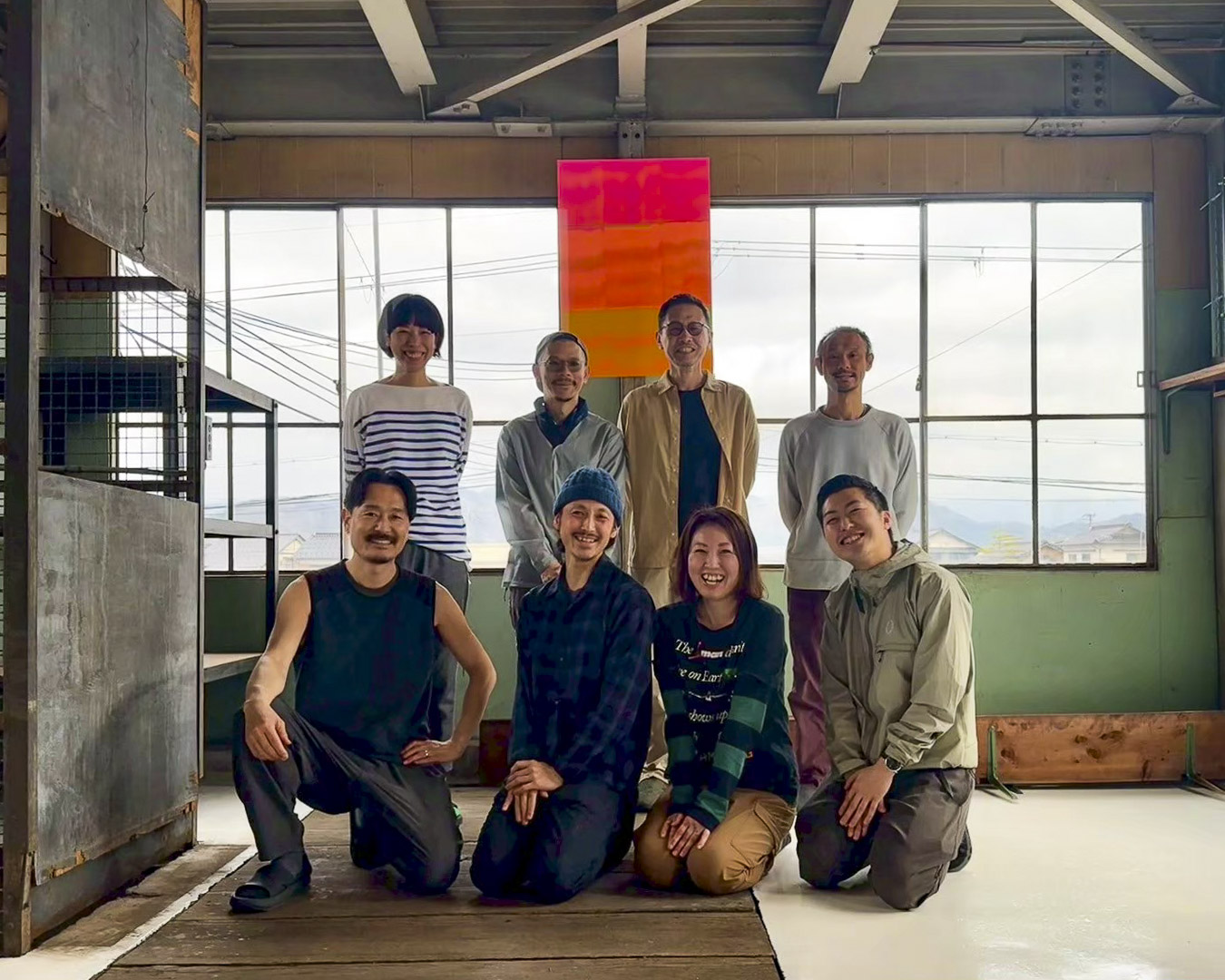
The five new staffers, plus one from Takaaki.
ーDid you start the new staffers off with training at Takaaki’s factory?
Takahiro We put everyone through a round of training ー computerized sewing machines, top-and-bottom-feed sewing machines, cutting and several other processes. After considering each person’s preferences and aptitude, we assigned roles: a team leader for computerized sewing, sewing team leader, cutting team leader and on-site supervisor. Our first mass production run began in April 2025, a month after our team was formed. That’s when we faced our first obstacle. We’d planned on a gradual start in late summer. That got moved up by five months.
We started with hip belts for the ONE backpack. The specifications had changed, so making them was more difficult. Shibuya, the oldest of our new staffers, had team-building experience, so he really stepped up: writing everyone’s ideas on sticky notes and posting them on big sheets of paper, writing up a to-do list, creating schedules. He took the lead and kept things moving.
Ichiro When we started mass-producing the hip belts, we named the project after Kuruhidake, a nearby mountain: Project Kurihi. We joke that it was a tough climb for our first mountain.
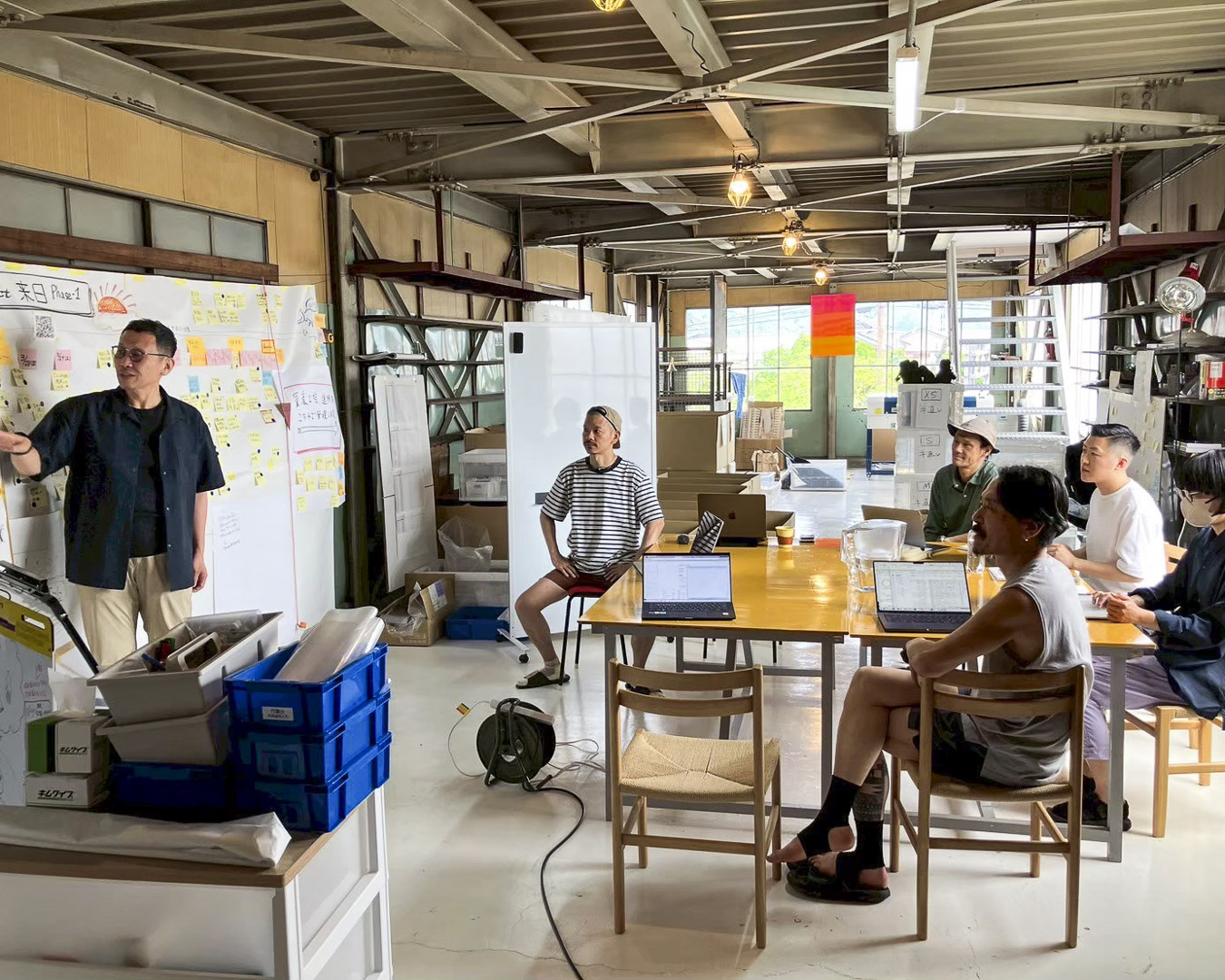
Shibuya, at 57 the most senior of the five new staffers and an experienced hand at manufacturing, took the initiative in leading the project.
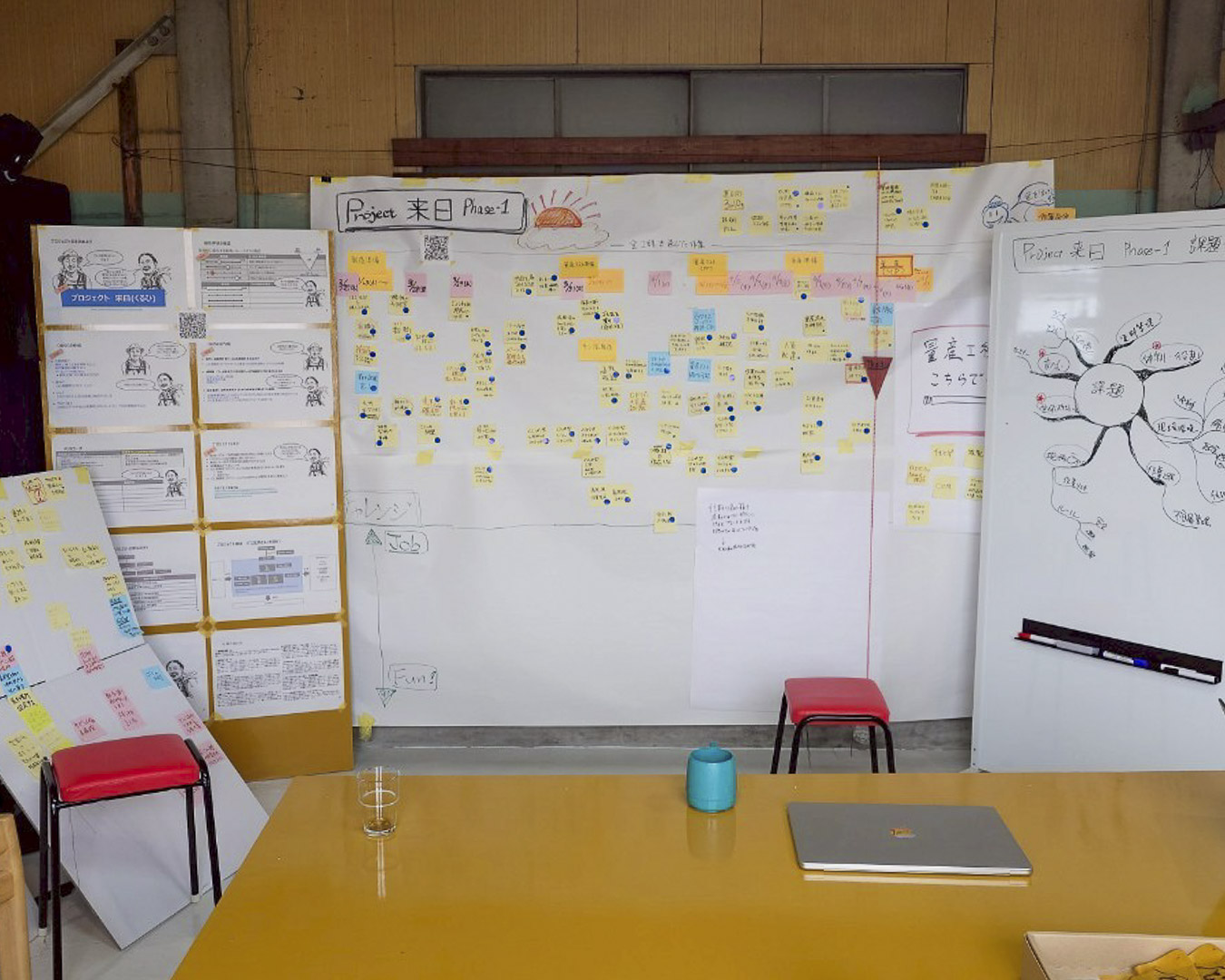
Our progress chart, detailing the to-do list and timeline.
ーNone of you had ever properly worked in a factory before. You were amateurs. There must’ve been a lot of obstacles.
Takahiro We had to figure out how to prevent wrinkles in the material when using computerized sewing machines, which tend to create them easily. Also, we’re bonding a hard pad to a soft pad with adhesive before sewing, but the glue sometimes got stuck to the sewing needle and caused problems later. All sorts of things we’d never anticipated kept happening.
Ichiro Every time we tried something new, some kind of issue would come up. Takaaki’s President Shukunami kept telling us, “You won’t learn unless you fail—so go ahead and fail as much as you need.” We pushed forward with that mindset.
Takahiro We consulted with Takaaki about the production steps, but we also tried different things on our own.
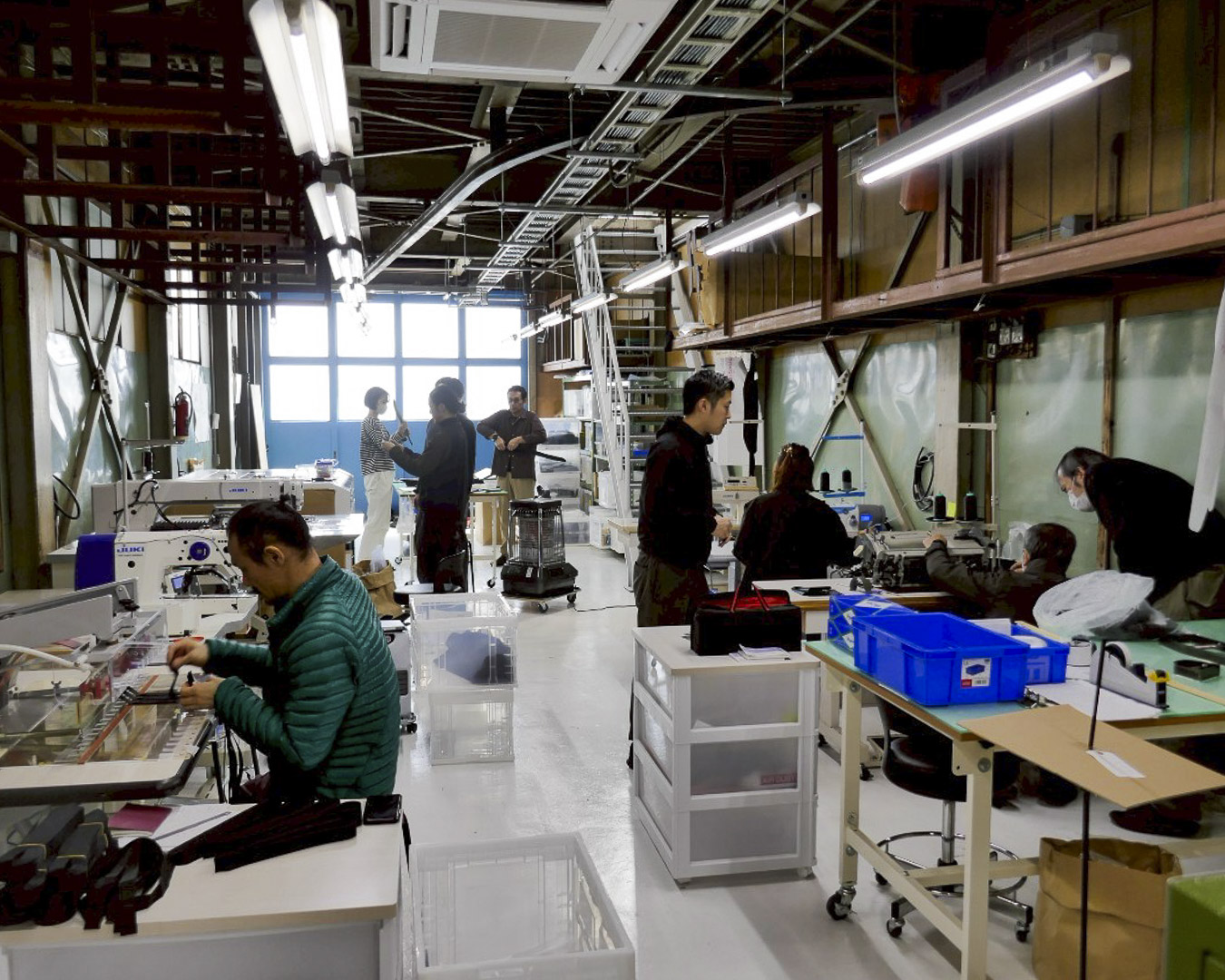
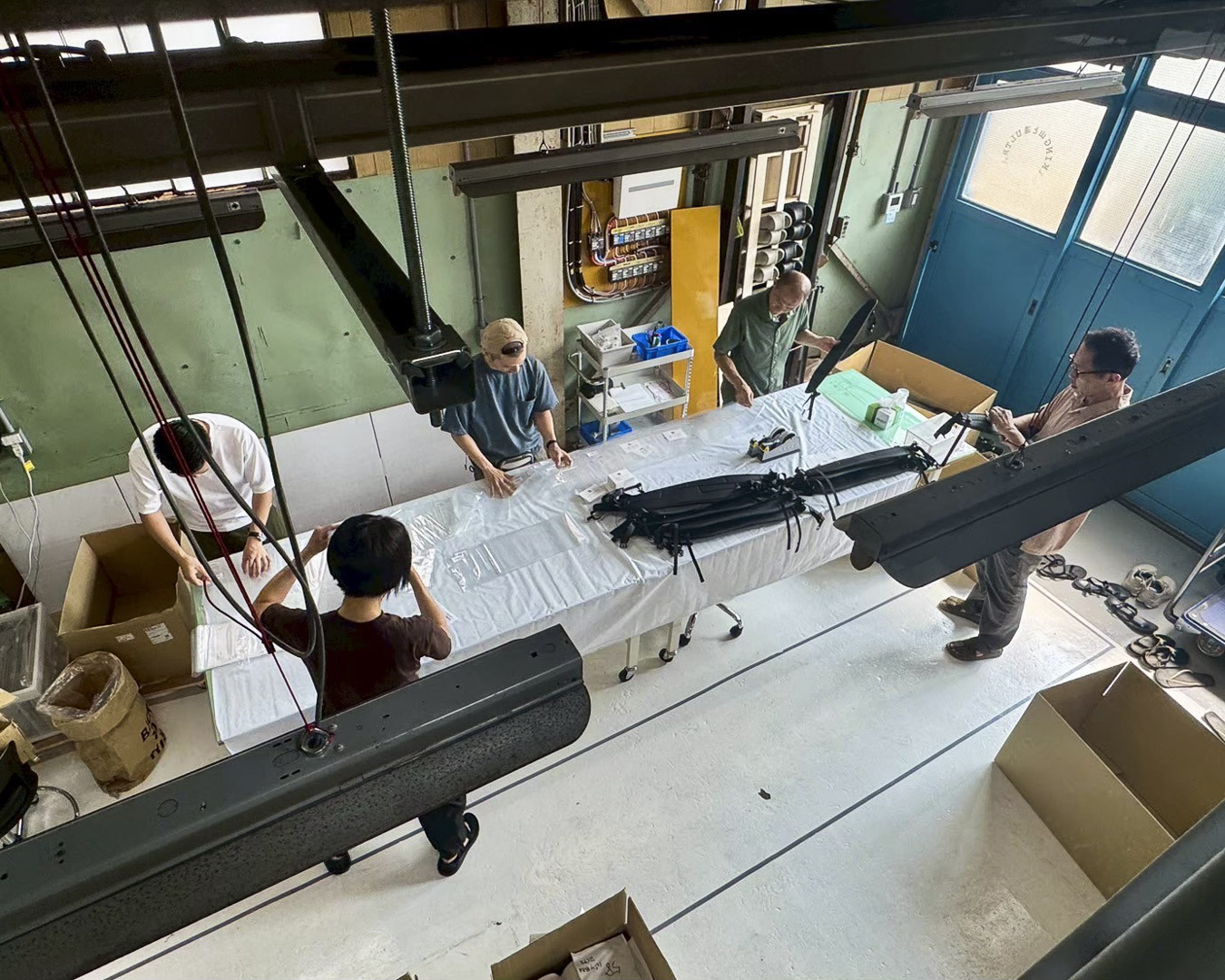
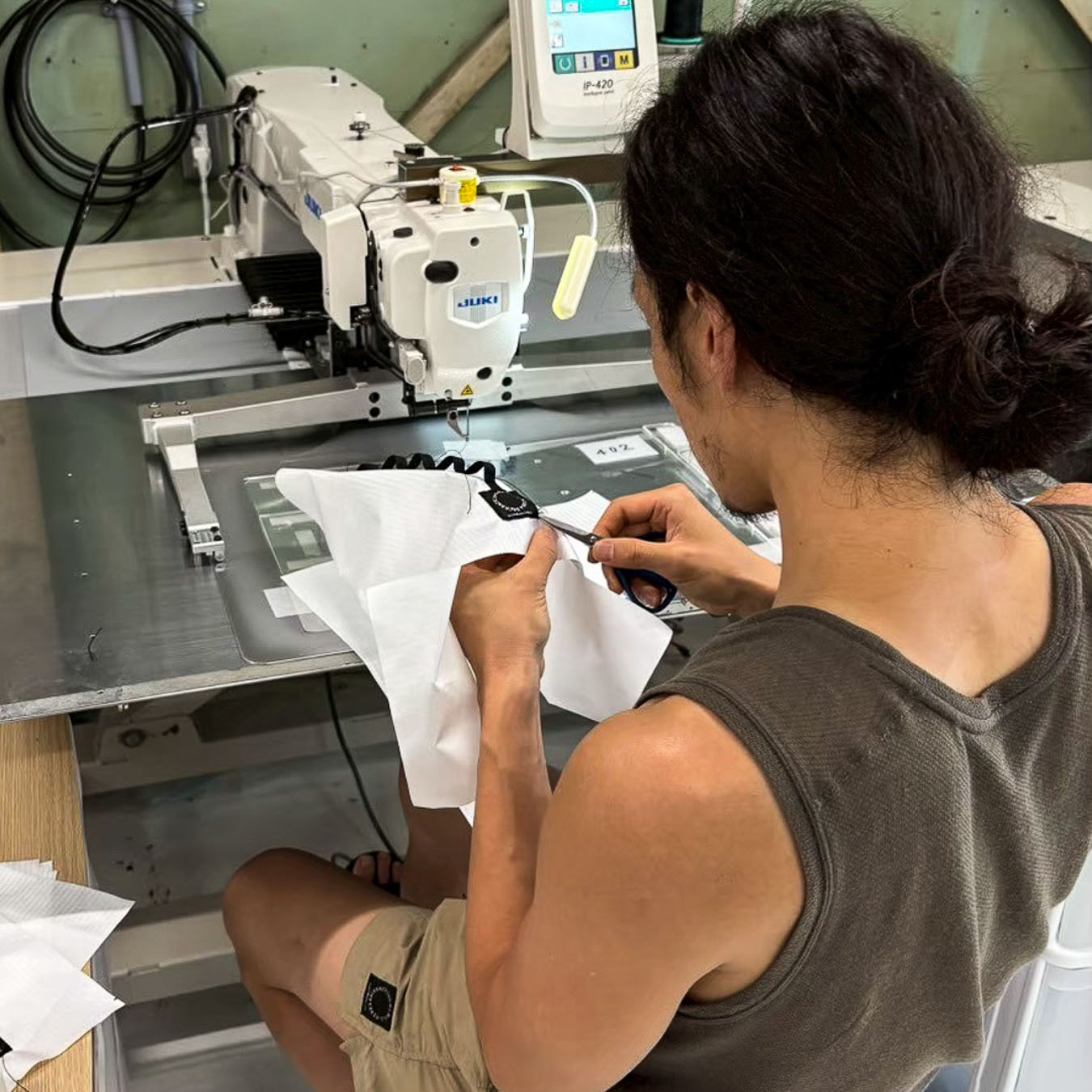
Production in progress at the Toyooka factory.
Takahiro President Shukunami built Takaaki from scratch to 100 employees, and now the company operates four factories. Because of that experience, he believes that by streamlining work and improving efficiency, you can pay staff properly and make everyone happy. We want to pursue higher quality and create an environment where everyone’s sewing skills can improve. But sometimes it felt like we were taking the long way around. Also, we’re not making one-of-a-kind pieces ー we’re mass-producing. He’d say that even if there’s a slight wrinkle in the material it’s usable. Trying for uncompromising quality in mass production sends costs higher and wages lower.
Whenever problems came up, we got advice from President Shukunami. We couldn’t have done it without Takaaki. At the same time, we didn’t just follow everything he said ー we continued experimenting and figuring things out in our own way.
ーSo how was the product itself updated?
Takahiro The durability hasn’t changed, but now it doesn’t develop wrinkles when you lay it flat.
Ichiro We also wanted to increase the strength of details like the piping and the seams in places you don’t see. To create the necessary seam allowances, we had to make really fine adjustments on the computerized sewing machines, which was incredibly challenging. But as a result, we achieved a finish that combines both strength and is nicer to look at.
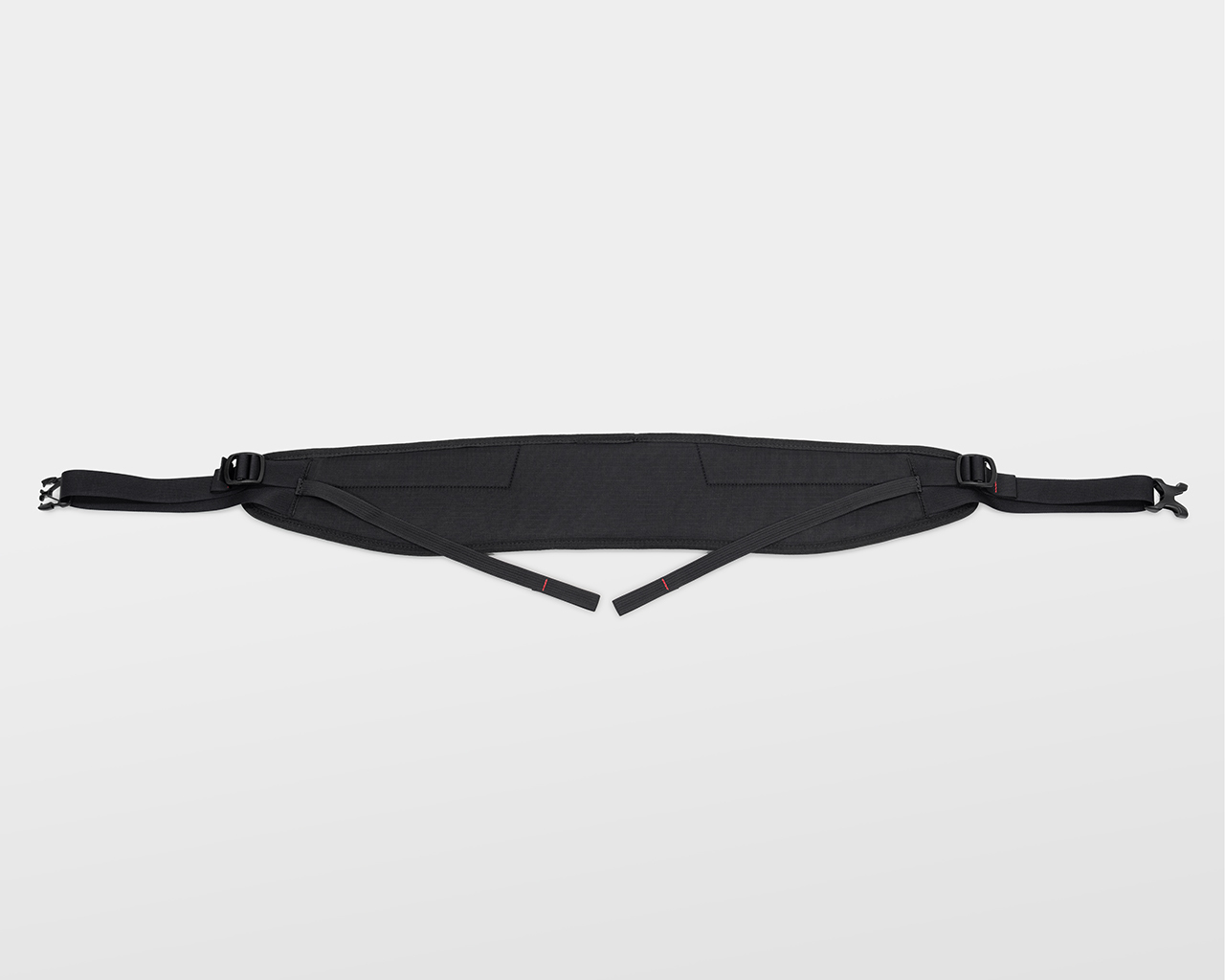
The upgraded hip belt for the ONE backpack.
Ichiro When we started mass-producing the ONE hip belt, we hadn’t even decided things like what to do about lunch ー at other Yamatomichi offices, the staff prepare meals themselves ー how to handle garbage disposal. It was tough because we were building a production facility from nothing but also establishing the daily routines for the staff.
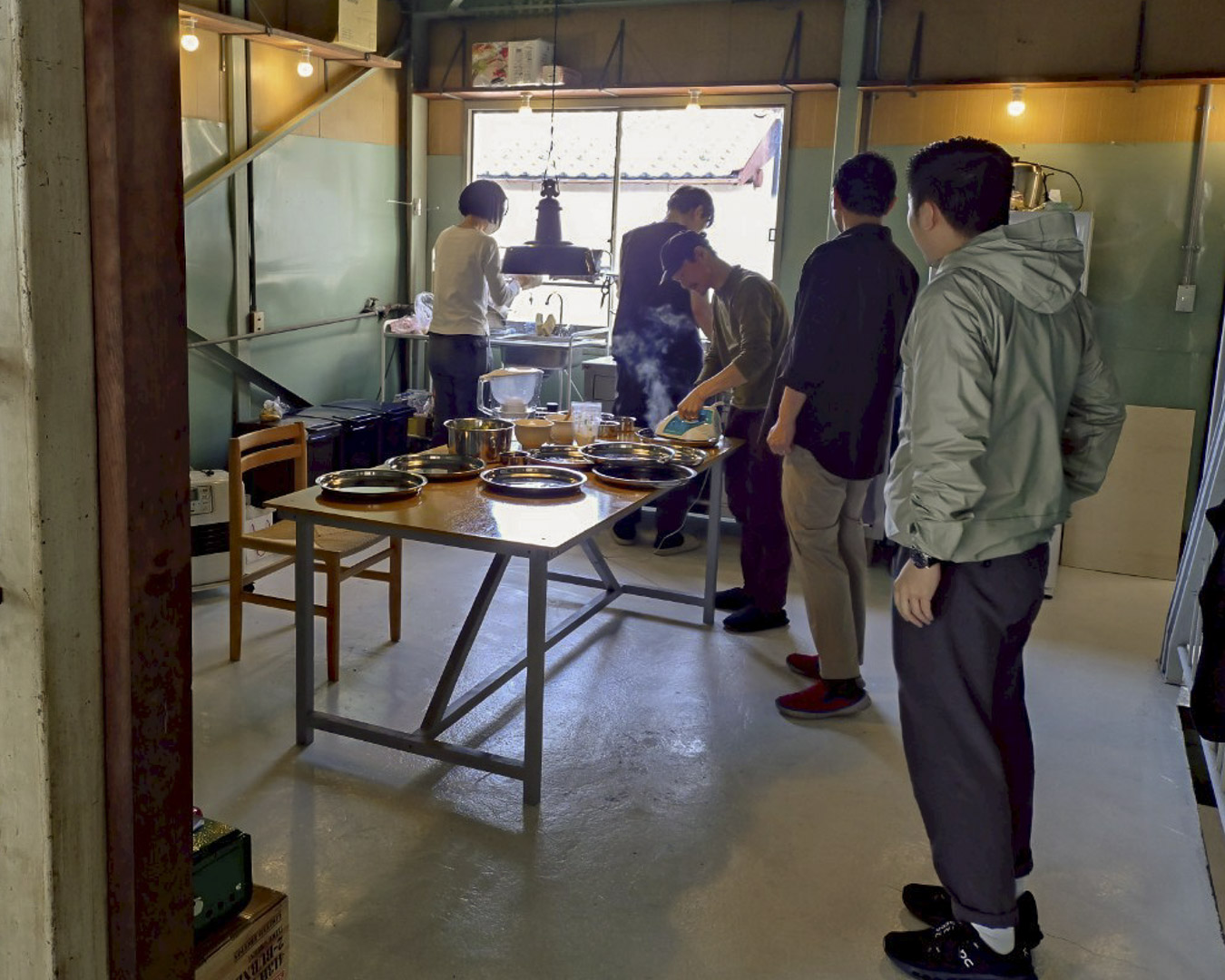
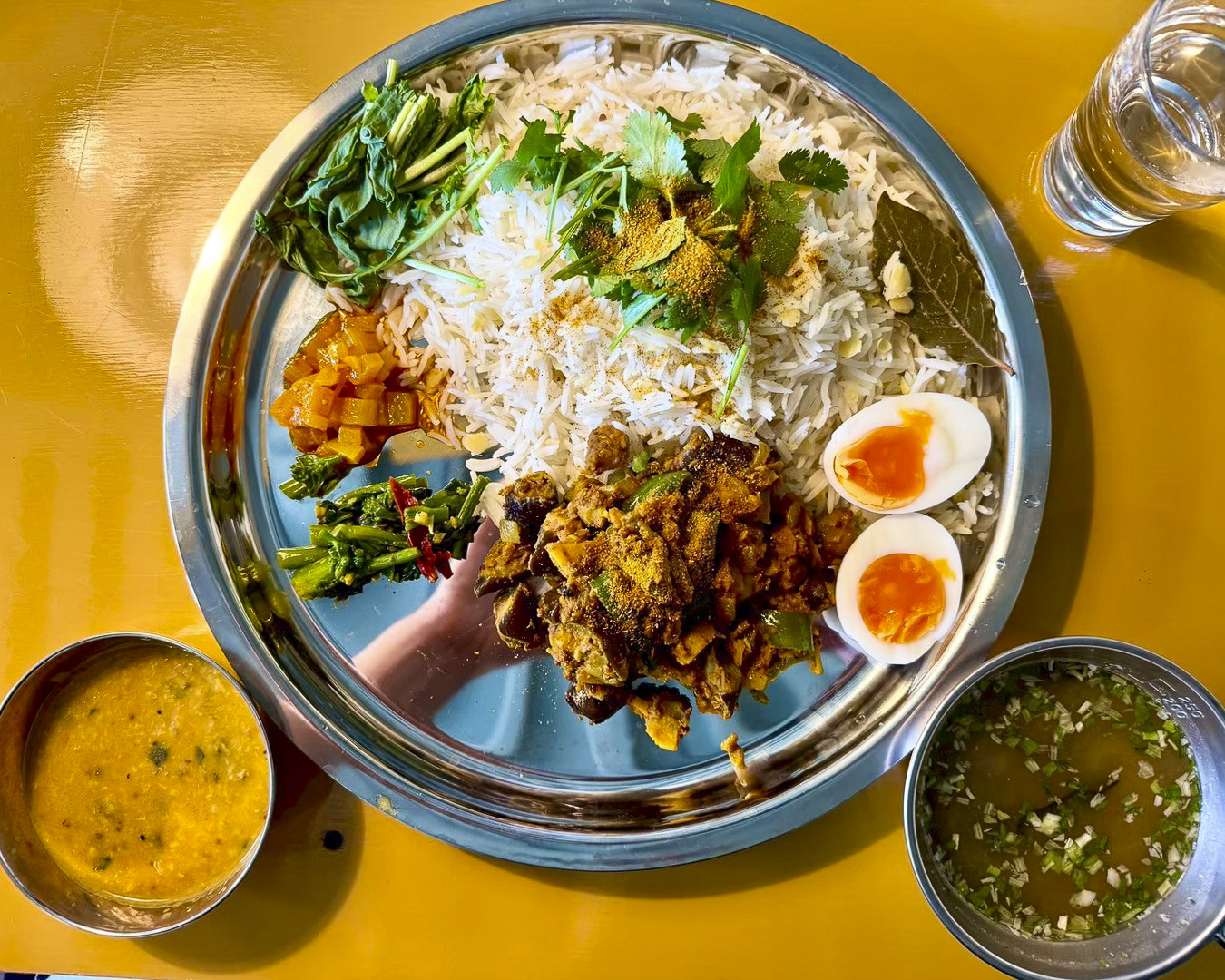
At the Toyooka factory, staffers take turns cooking lunch. Takahiro’s homemade spiced curry earned rave reviews.
Takahiro Two of our staff had previously worked at mass-production factories. Normally, when you join a factory, you’re taught all the methods and procedures. But we didn’t have anything like that, so it was tough. I don’t know if there has ever been a factory built by amateurs with no experience like us. A year ago, we just had a go-getter spirit.
Ichiro Ultimately, Takahiro held onto the belief that we have our own way of doing things. That’s what allowed us to get this far. If we had compromised midway through mass production, it would have turned into something entirely different. Of course, having Takaaki supporting us and letting us do things our way was big, too.
Takahiro President Shukunami also dropped by often and gave us all kinds of advice about mass production.
Ichiro Because we came to Toyooka from Kamakura, we were able to learn from him in a very hands-on way.
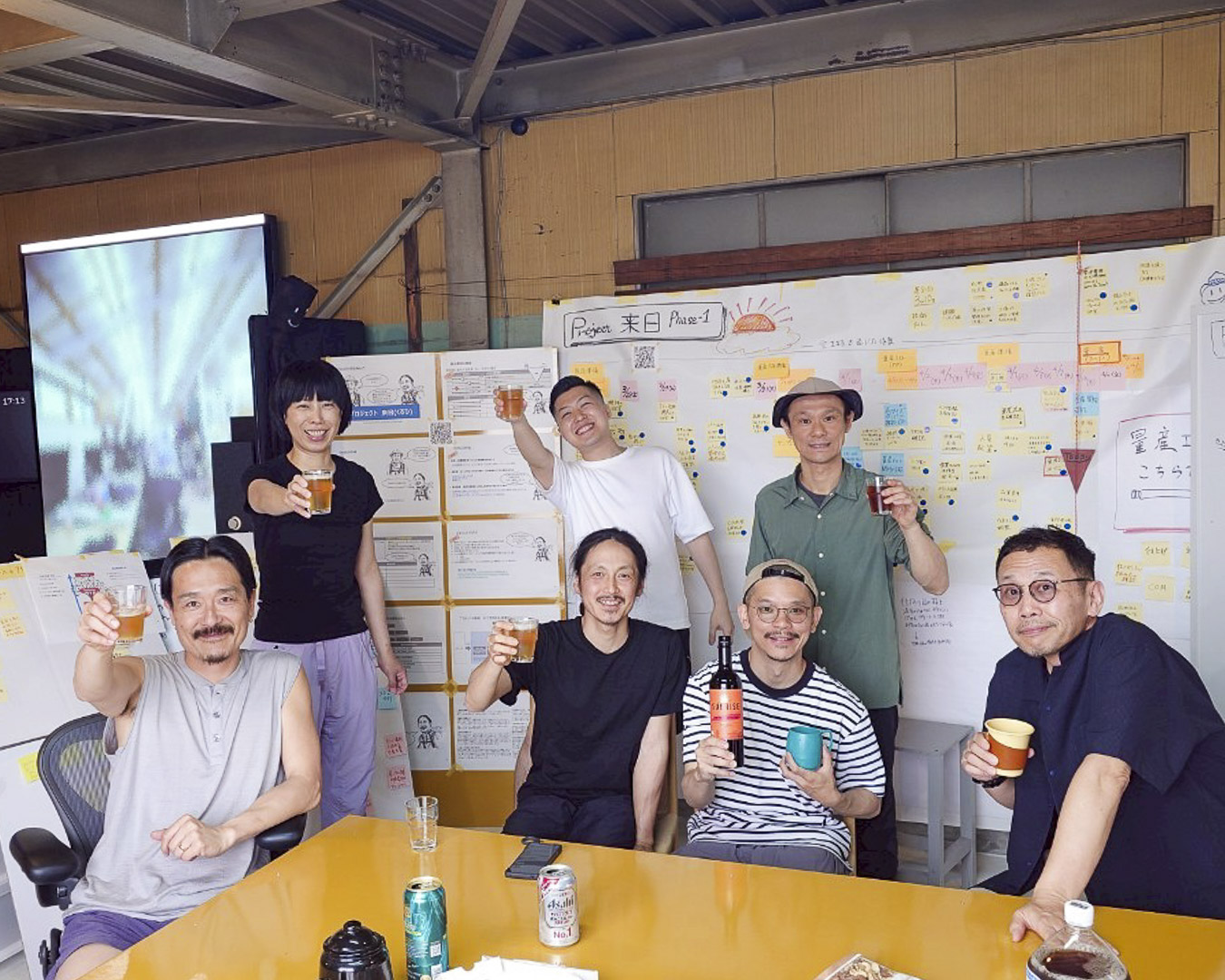
Kampai! (Cheers!) We celebrate a successful end to producing the ONE’s hip belt.
ーAfter that, you moved on to mass-producing the Stuff Pack XL?
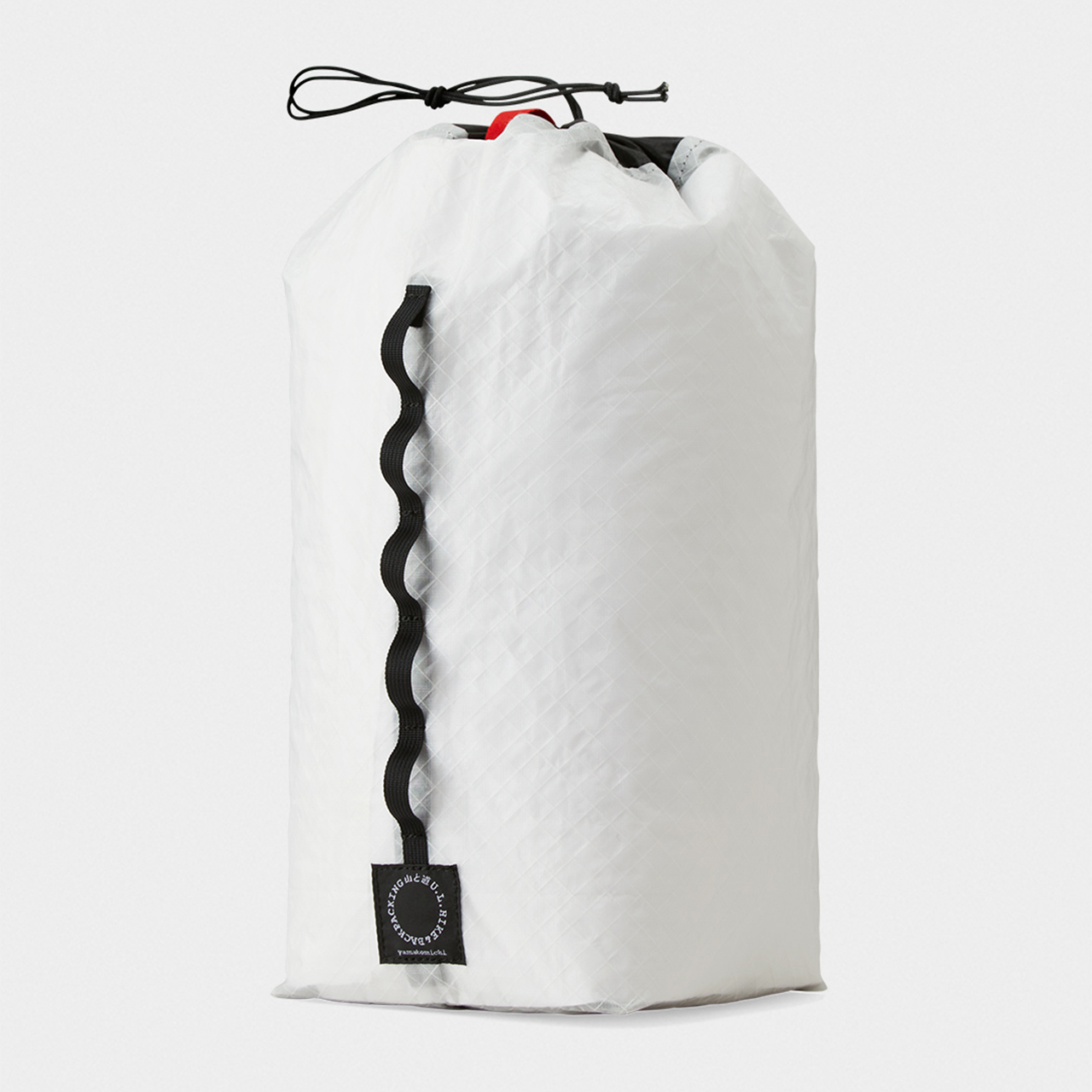
Ichiro The Stuff Pack XL has become a really memorable product for the Toyooka Factory. In December 2024, during the final interview with candidates we were considering, we had them make a Stuff Pack XL as part of the practical test over two days and one night. After that, we went on to mass-produce it and learned a lot from the experience.
ーHow is the team doing now after having overcome many obstacles?
Ichiro At the beginning, everyone felt anxious, wondering how things would turn out. But everyone is incredibly passionate, and is driven by that. We built everything together—down to the small details like where to place tools and how to organize the workflow. Nakagawa and I often said we wanted to maintain a relationship where we could openly discuss any questions or concerns, and by working side by side every day, we’ve really become a team.
ーThe next phase is mass-producing the MINI backpack body. Once you do that, will it feel like you’ve fulfilled the initial goal?
Takahiro If we can mass-produce the MINI, then the MINI2 is almost the same, and I don’t think the THREE or ONE will be that different either. The hip belt, though ー that was a pretty high hurdle.
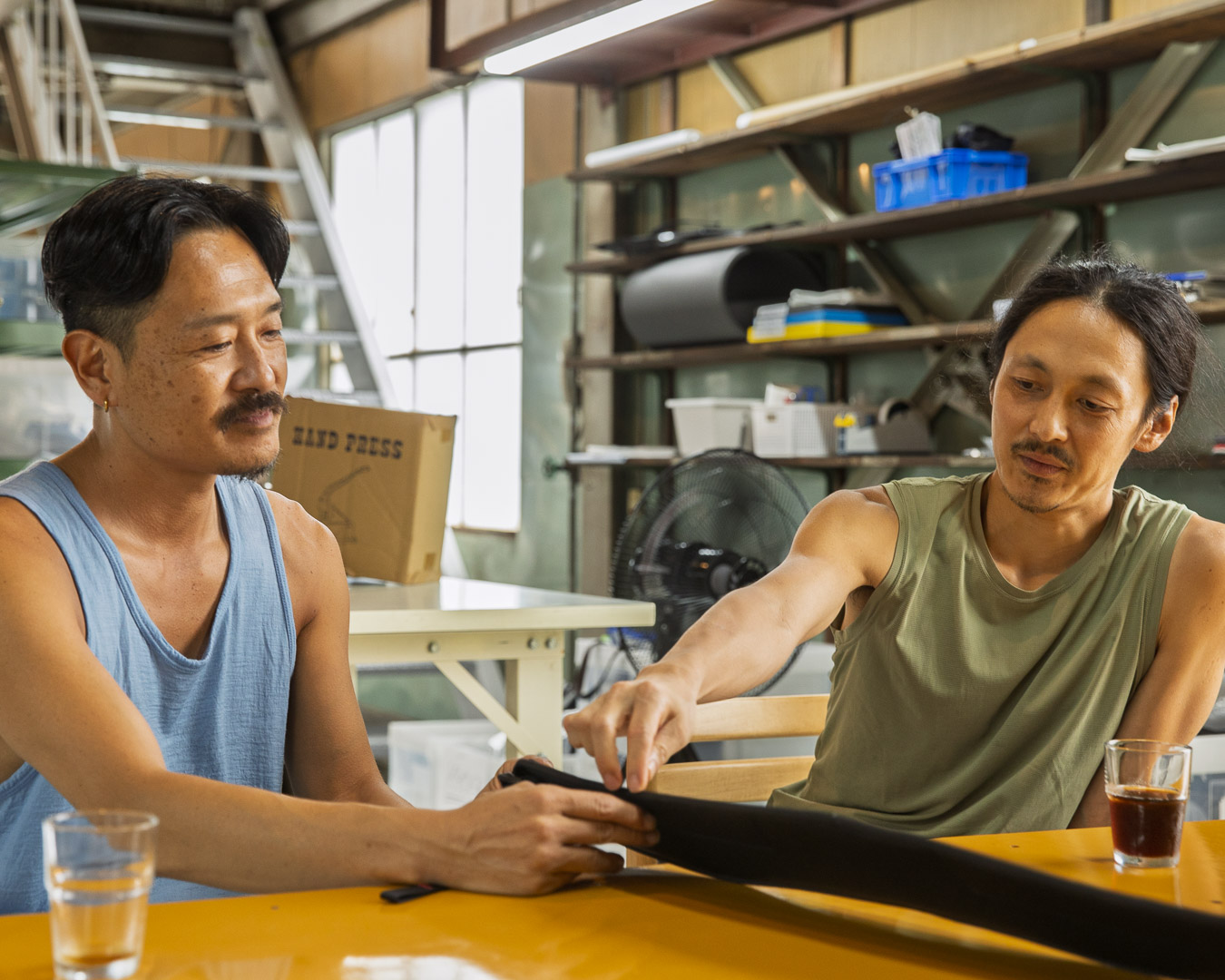
Ichiro feeling nauseous in front of a pile of hip belts.
ーHow long is Yamatomichi’s Toyooka factory scheduled to operate?
Takahiro For now, the plan is for it to operate until early summer 2026. There’s a possibility of extending it by a few months. Mass production of the MINI began here in October 2025. We learned from Takaaki starting with how to create the production workflow for that. Once we went through that process, we had a better idea of how much more training we’d need. I feel a real connection to Toyooka. Takaaki is here, and I’ve grown to really like living here. After setting up a factory in Kamakura and elsewhere, it could be nice to build another factory in Toyooka someday.
For the sake of Japan’s manufacturing industry
ーYou really want to cherish your connection with Takaaki.
Ichiro President Shukunami has said this would be a lifelong relationship.
Takahiro If we had several locations, it would allow for flexible ways of working. We might spend half a year working at a factory in Hokkaido and skiing. If we can create that kind of setup, young people could gain technical skills, earn an income, and enjoy recreational activities in that region. I’d like to make that happen within five years. We’ve got a lot packed into our life plans, so we have to move quickly.
Ichiro I really feel this could become a factory that gives people a lot of freedom in how they work. Different people could come to Toyooka, make something, and then head back home. Recently, staff from Samplus in Taiwan came to visit, and artist Naomi Kazama stayed here for a while to work.
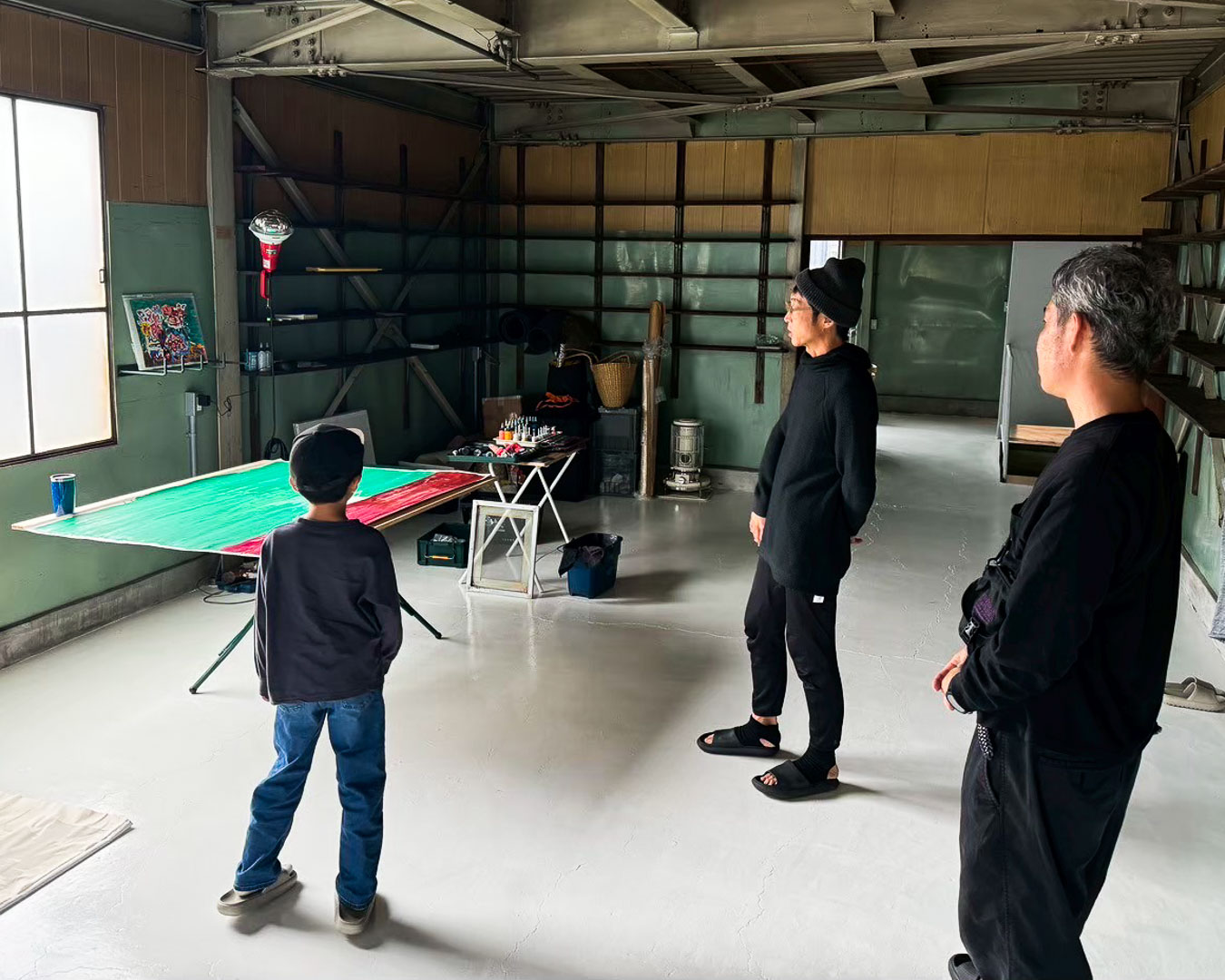
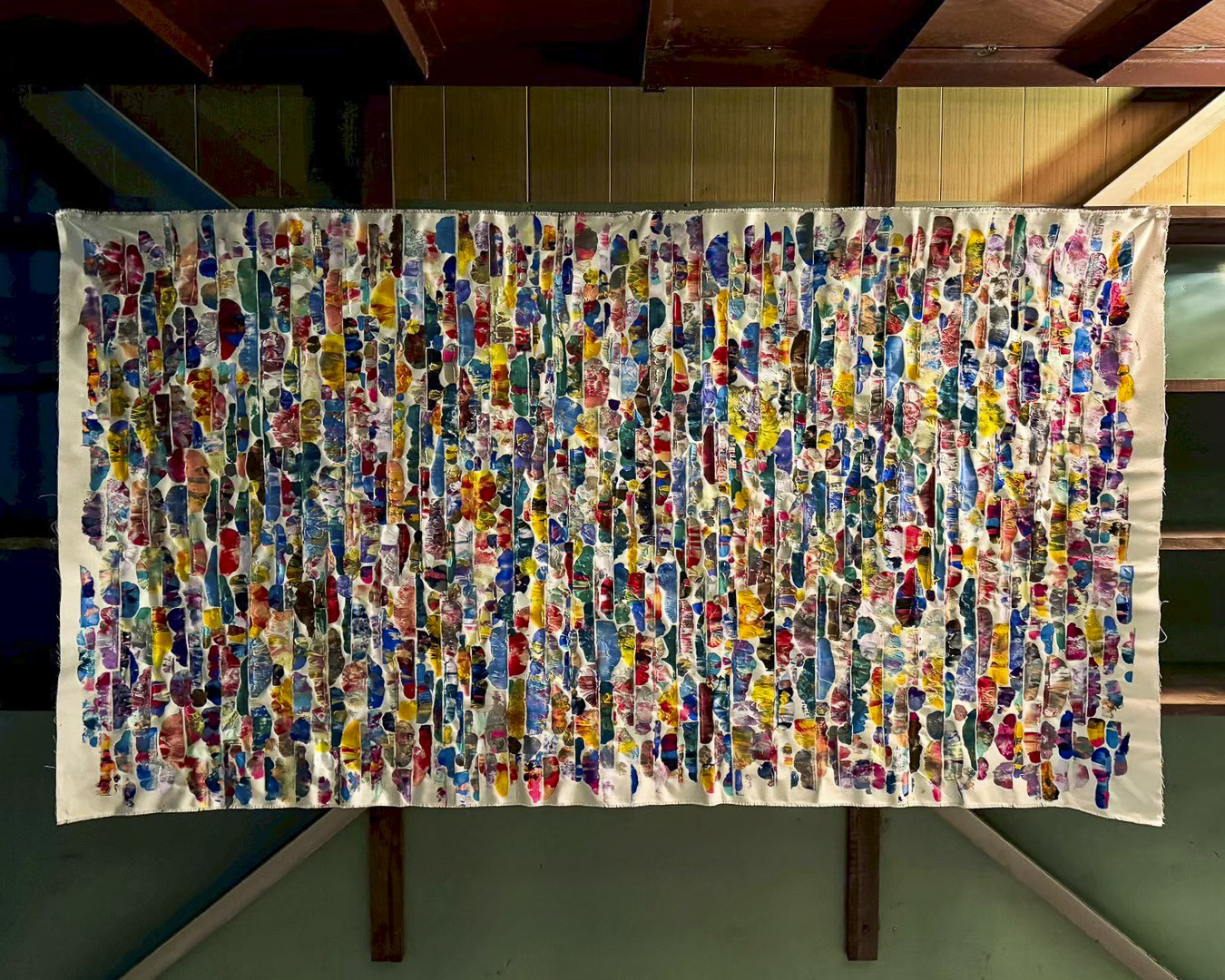
Naomi Kazama, an artist who has worked with Yamatomichi, stayed at the Toyooka factory and created artwork on the building’s empty third floor.
Ichiro Of course, it’s important to make profits. At the same time, I’ve recently felt that part of Toyooka’s value lies in offering these kinds of experiences and creating a place where we can make things together as a community.
Takahiro If we had built the Kamakura factory from the start, I don’t think we would have been able to do this. It’s precisely because this place is a little faraway. We’re not bound by questions about what is work. For example: The teenage travelers staying with us needed a tarp for their journey, so we made one together. That kind of thing expands the possibilities of craftsmanship and makes it enjoyable. Even when President Shukunami tells us to do things a certain way, we still end up doing it our own way.
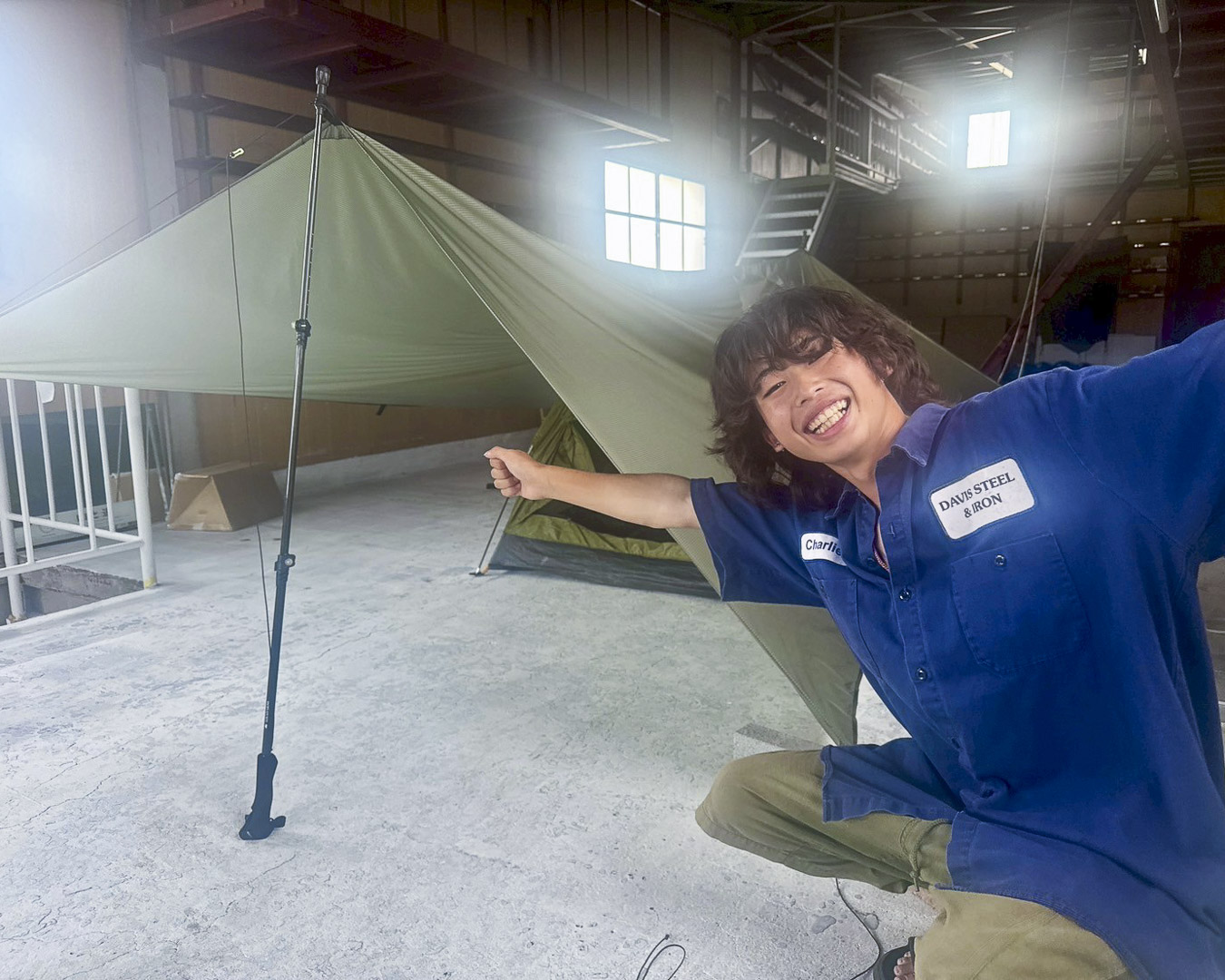
A tarp made by 16-year-old Osuke during his stay in Toyooka.
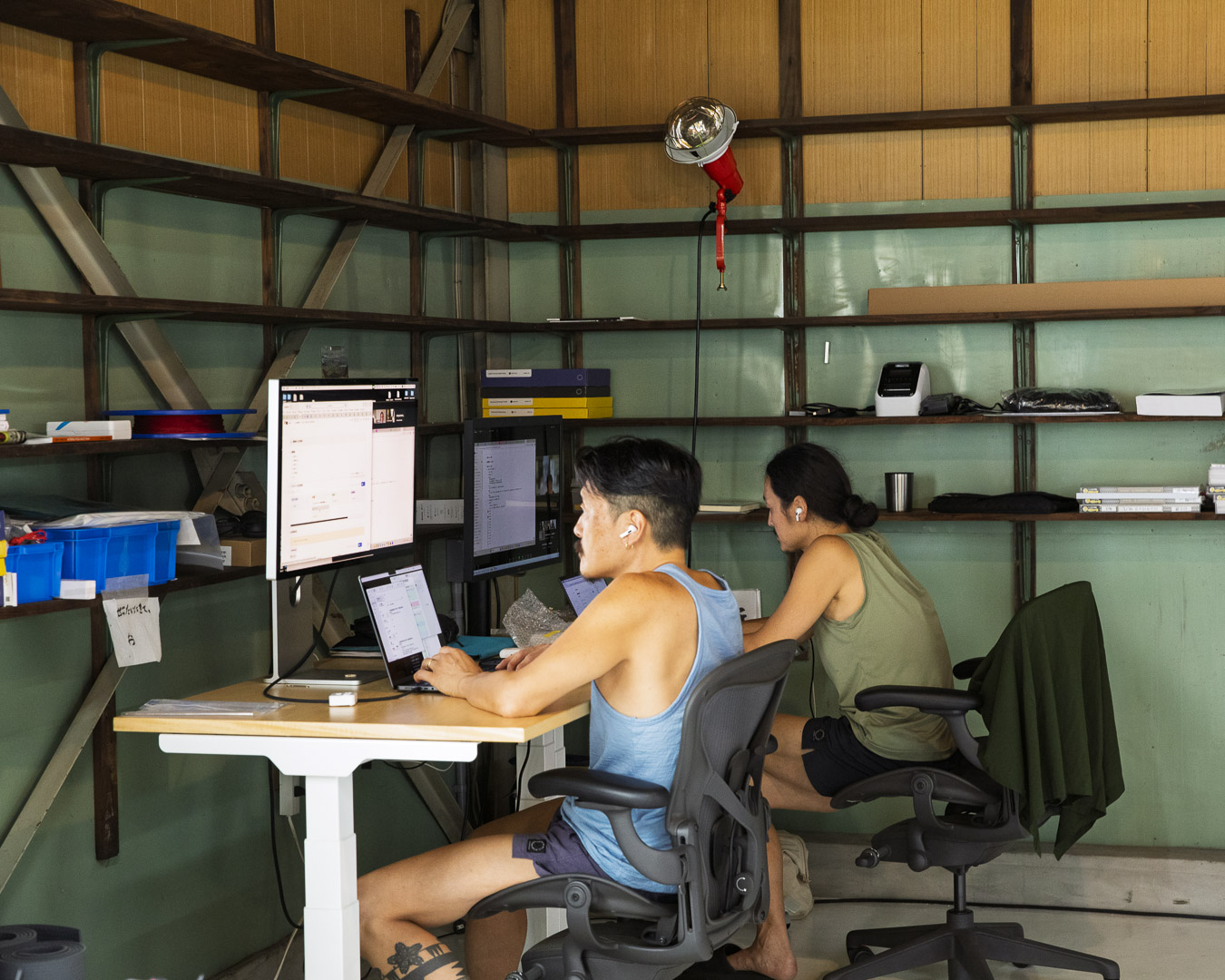
Takahiro and Ichiro, the indefatigable duo.
Ichiro But we’re also learning a lot from Takaaki. The reality is that we have to make the business profitable. Our future depends on how much we can absorb from Takaaki. If we learn Takaaki’s methods and build a system that’s sustainable, we can create a meaningful model for Japan’s manufacturing industry. That’s how I feel. We’ve only just started. We aren’t there yet.
ーI guess the lesson is that you just have to take the leap.
Takahiro By taking that leap and coming here, our possibilities definitely expanded. If we had stayed in Kamakura, this wouldn’t have happened.
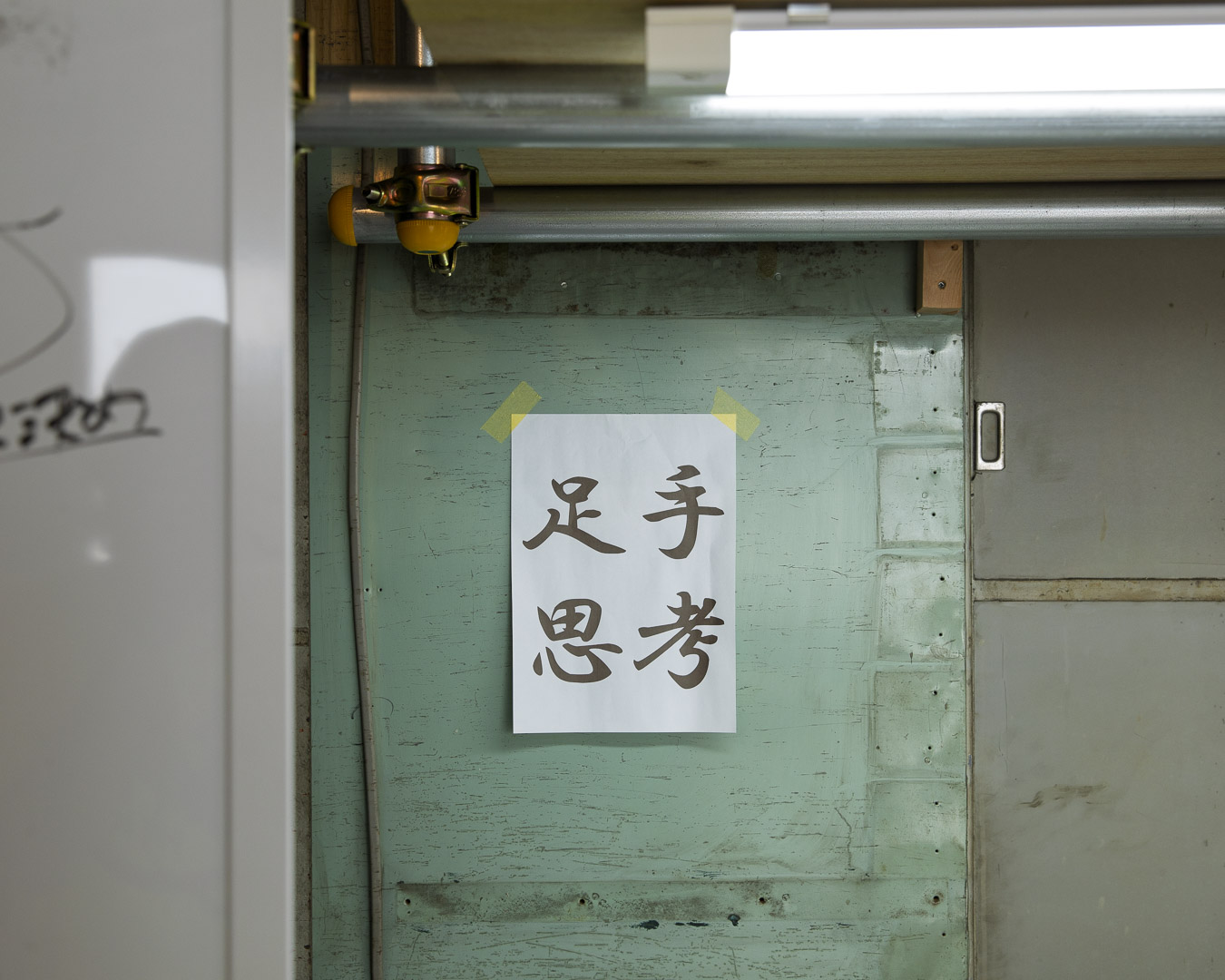
Renowned potter Kanjiro Kawai’s quote hangs at the Toyooka factory: “Thought is born through working with one’s hands (handcraft) and thinking deepens by walking with one’s feet (putting ideas into action).”
② The momentum coming from two unique personalities
Interview with Takaaki president Takahiro Shukunami
Takahiro Shukunami, president of Takaaki, has pursued innovative initiatives in the world of bag manufacturing. It’s no exaggeration to say that Yamatomichi’s Toyooka factory project would never have gotten off the ground without him.
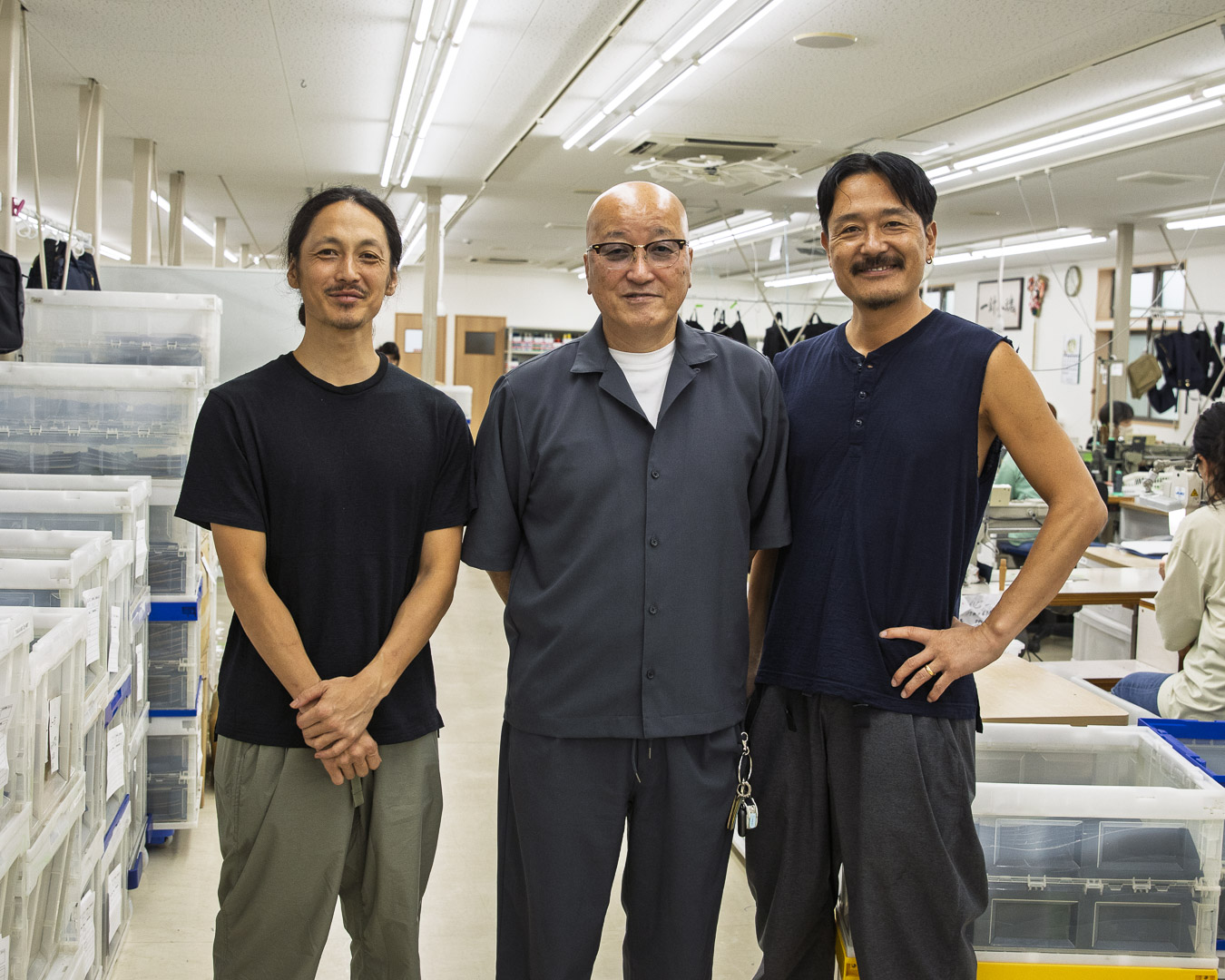
ーIt’s been about a year since Nakagawa and Kitajima came to Toyooka. Looking back, how has it been?
Shukunami For starters, when they chose that building as a factory, I thought, “Hmm?”
ーYou said that last year, too!
Shukunami A factory works best on a single floor. A vertical layout doesn’t really suit production. But that place had columns everywhere and steep stairs. I was like, “You’re choosing this?”
The fact that they picked it as a factory in the first place showed they really had just charged into Toyooka on sheer momentum. Ichiro Kitajima and Takahiro Nakagawa don’t listen to what I tell them. Takahiro even ignores advice with a smile.
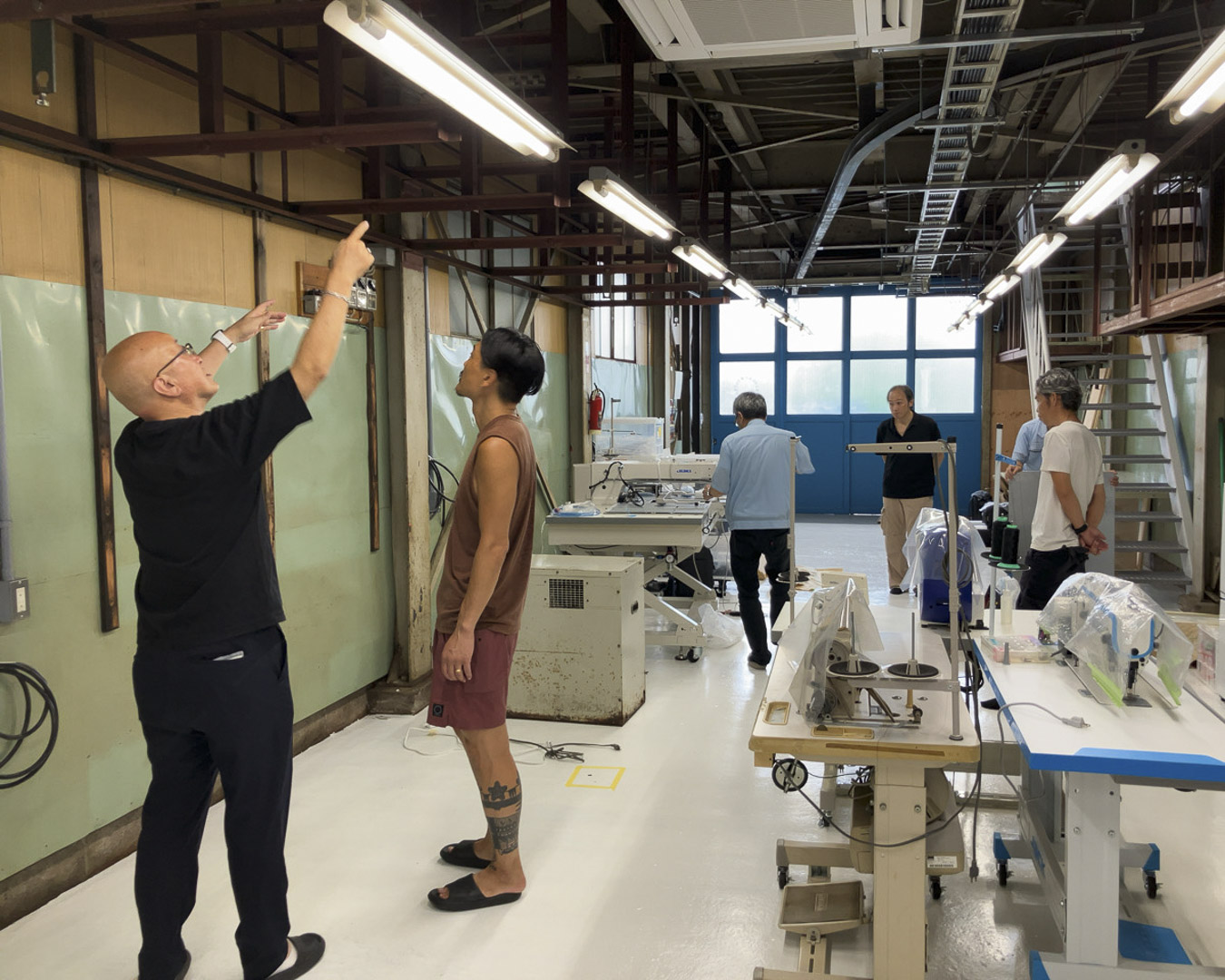
President Shukunami was a source of advice for everything from finding the building to arranging for equipment.
Shukunami Especially with Kitajima. You can tell immediately from his face when something hasn’t quite clicked for him.
Ichiro If that ever came across as disrespectful, I apologize…
Shukunami No, it’s not disrespectful. From the very beginning, when I said I’d do this, I made it clear that I was doing it because Takahiro and Ichiro were the ones coming. If it had been anyone else, I wouldn’t have done it. The two of you came with that level of commitment, so I felt I had to make it work somehow. We ran into all kinds of problems, but things have finally started to settle down.
The other day, I called the two of them in and told them: “We can’t go on like this.” This is where it really starts. From here on, we have to think about how to raise productivity. But Ichiro, by nature, just throws himself into things with everything he’s got. Sometimes he goes too far, and I find myself wondering if something can be done about that.
Ichiro Well, that probably isn’t going to change…
Shukunami I can tell the result will be something made with tremendous feeling, but operational efficiency and the finished product aren’t lining up. Take the hip belt, for example. I keep thinking, why make it in such a complicated way? He asks, “What kind of construction would be better?” I say, “Just make it like a sandwich.” Then he says, “What do you mean by a sandwich?” I say, “You’ve never eaten a sandwich? Just sandwich it together and sew it!” But then he starts saying, well, this and that won’t work…and off we go again.
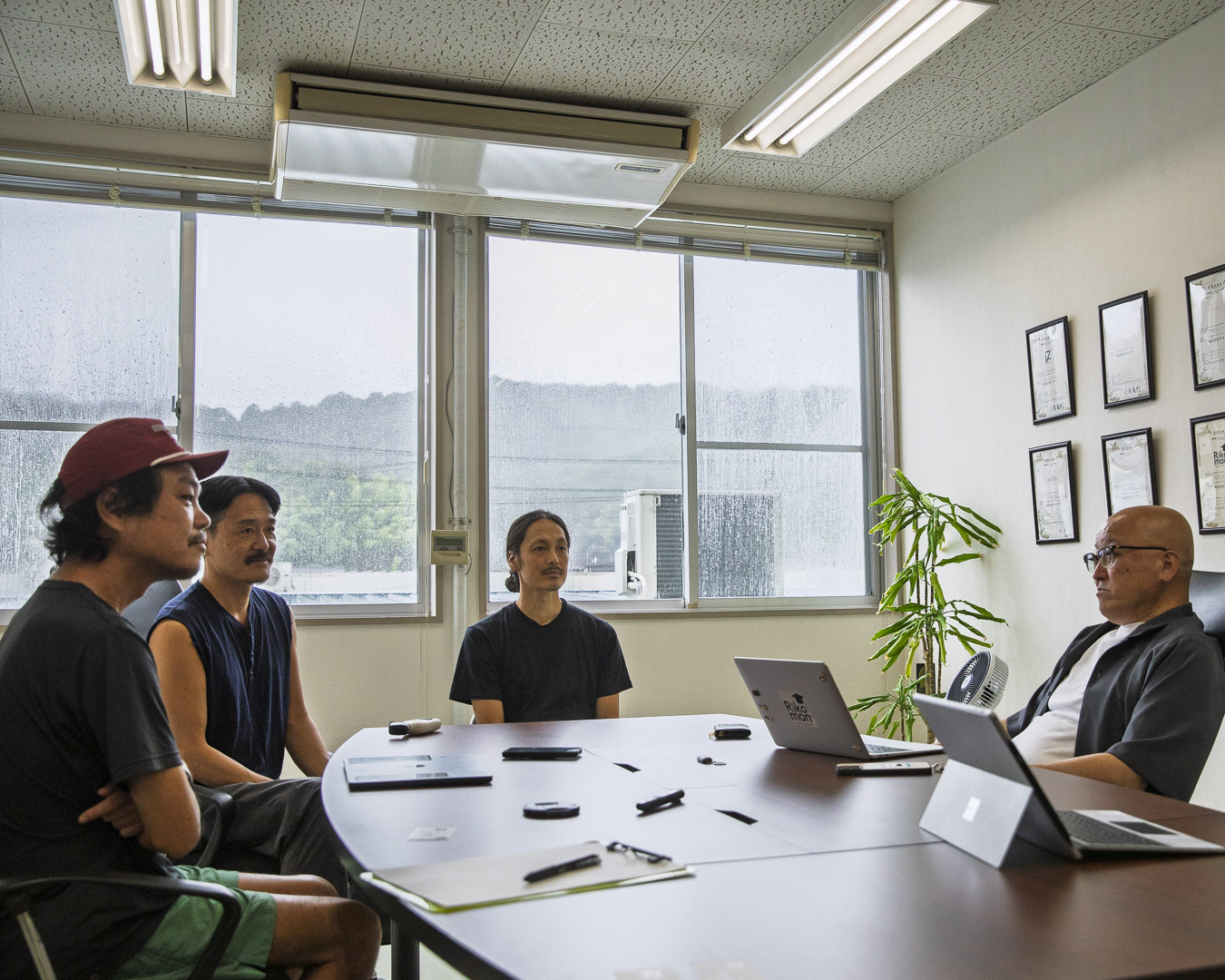
Ichiro I felt strongly that we had to protect the inspiration behind Yamatomichi’s approach to making things; that we needed to smooth out even the slightest wrinkle. But President Shukunami, working from the perspective of an actual mass-production floor, prioritizes how to do that efficiently and cleanly as part of the production process. I really feel now that we were starting from completely different points.
ーAt the sample stage, it isn’t finished yet and only becomes a completed product once it can run on a mass-production line? The role of a sample and that of mass production are different.
Shukunami Exactly. Making three pieces and making 2,000 are totally different matters. If you’re going to make 2,000, you have to create the sample while imagining the mass-production process. But at Yamatomichi right now, the people who make the prototypes and the people who handle mass production are different, right? At Takaaki, if we’re going to use computer sewing machines in mass production, we start using those machines from the sample stage. You have to build the method of making it from the ground up, or it won’t turn out the same. If you’re only making one-offs, then that’s not a factory—it’s a workshop.
ーThat makes sense.
Shukunami Ichiro was really panicking ー I could tell just by looking at his face. It was like he had a flag sticking out of his head that read, “I’m struggling!” The wording on that flag would change every now and then. Then on the days when something finally clicked, the sun would come out from behind the clouds. It was pretty amusing to watch.
Ichiro Was it really like that? After the new staff joined in February and March, Takaaki’s training put us right into the mass-production line. Normally, it would be unthinkable to integrate complete beginners ー people who can’t yet contribute ー into such a situation. What they did for us is something only Takaaki could have done. Even now I can hardly believe we’ve been allowed to work in this way.
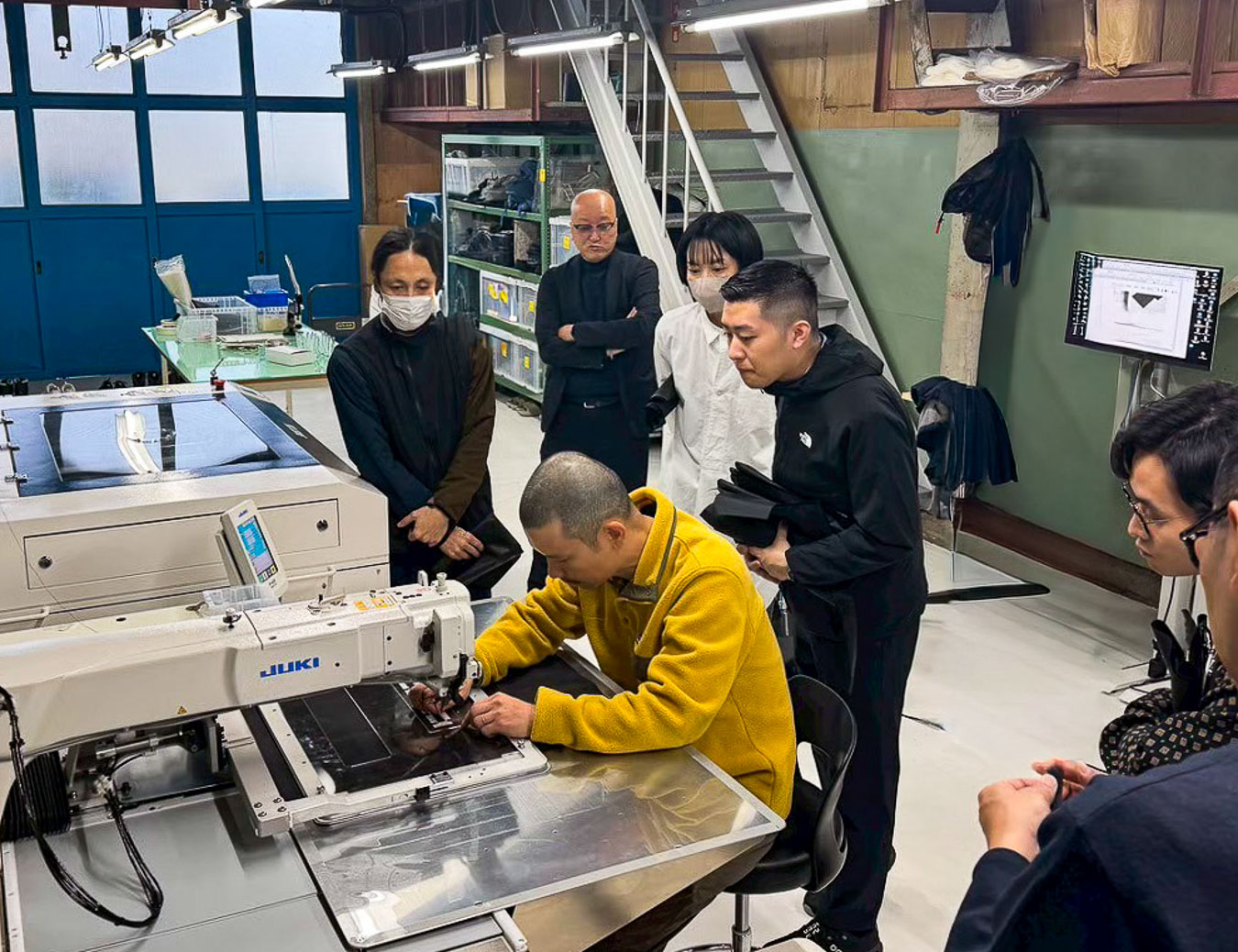
President Shukunami also took part in the staff selection process.
Takahiro The other day, elementary school students came for a field trip, didn’t they?
Ichiro Of course, increasing production efficiency and generating sales is impressive in itself, but there really aren’t many factories that can contribute to the local community like this.
Shukunami Before I die, I want to become a good person. I’ve done plenty of bad things up to now. Haha! If we can make randoseru through our own brand and convey to schoolchildren who come here to tour the factory how great sewing is, I’d be happy if even one of them takes an interest. Making things really is fascinating.
What Yamatomichi brought to Toyooka
ーHas anything changed since Takahiro and Ichiro came to Toyooka?
Shukunami They’ve definitely had an impact. Our way of thinking has changed, too. Yamatomichi already has its own established organizational structure and evaluation standards. Even in a meeting, I’ve learned there are different ways of doing things. It’s the same with people in town ー Takahiro and I end up meeting completely different kinds of people. Through him, I’ve been introduced to people I probably would never have crossed paths with otherwise, and I’ve discovered shops in Toyooka I didn’t even know existed. On the flip side, people have also come to understand what a company like Takaaki is like ー what the leadership is like, for instance. And the impact that the Yamatomichi HLC Hiking Festival had was especially big.
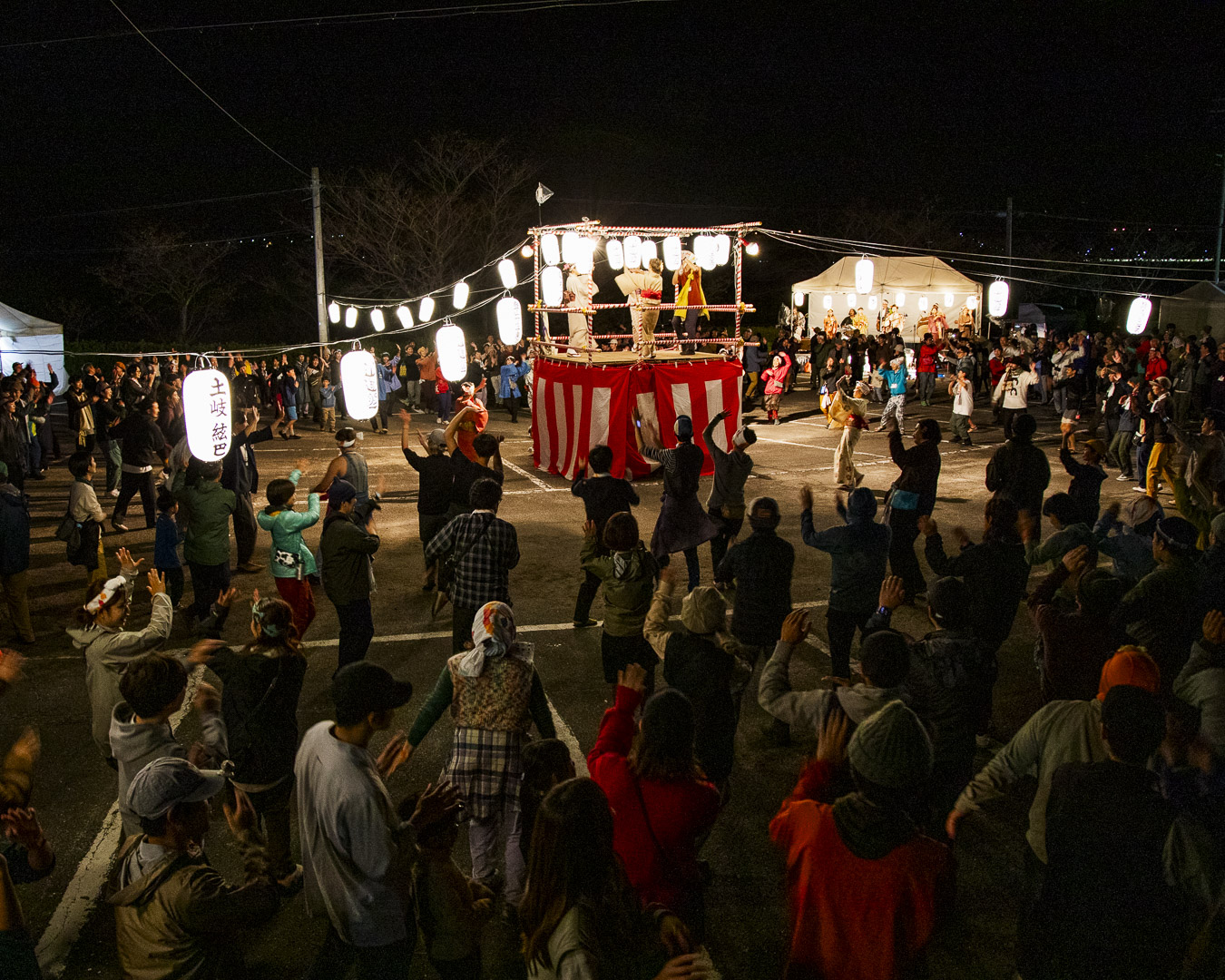
The 2024 Yamamichi Festival HLC Hiking Festival was held in Omi-Maiko on Lake Biwa.
ーPresident Shukunami, you joined us last year at the Yamamichi Festival, held at Lake Biwa.
Shukunami To be honest, I had absolutely no intention of going. I felt like it wasn’t my place. But it ended up feeling like I met people I never would have encountered in my life otherwise. Someone like Jens Jensen ー I’ve never met such a friendly foreigner. When I saw him at the festival, he said: “Oh, you made it!” It immediately felt like we were comrades. It’s the same with these two, and with every staff member. Before this, we hardly had any interaction even with the nursery school next door to the Yamatomichi factory.
Takahiro That nursery school has a mascot character shaped like a hippo-inspired bag, and through our coming here we built a connection with them. Now Takaaki is going to produce backpacks for the children based on that.
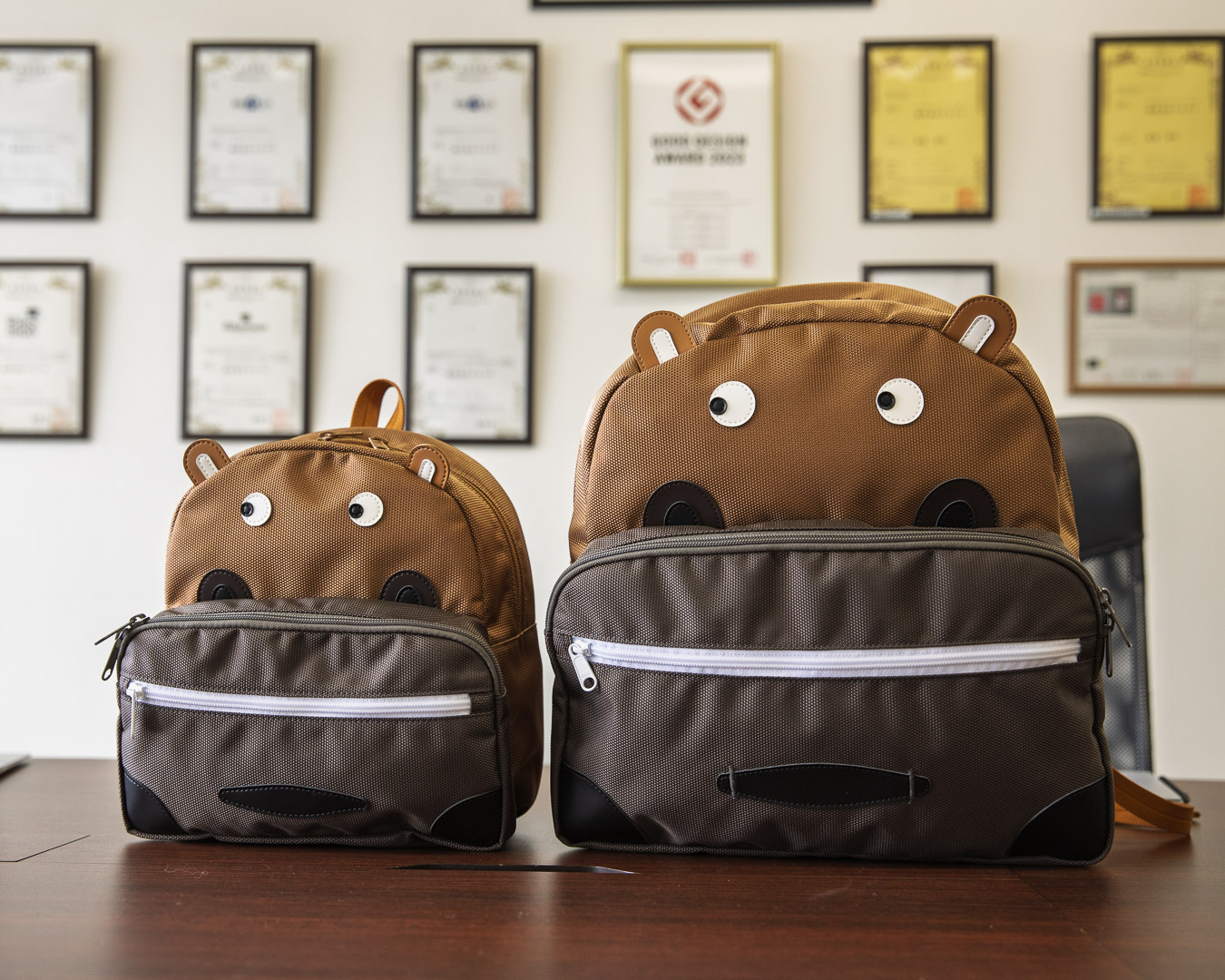
Takaaki made a children’s bag modeled after the mascot character for the Kaban Street Nursery School, next door to Yamatomichi’s Toyooka factory. Due to popular demand, a larger version for adults was also produced.
ーThis is impressive! It’s really well-made, almost unnecessarily so for a nursery-school bag!
Ichiro I can’t wait to see the children at the nursery school carrying them.
Shukunami Given my personality, this is the kind of thing I normally would never have done. But when they asked, I thought about it. When Yamatomichi came here, it really made me feel that human connections are built through shared intentions. I imagined dozens of kids around town carrying these on their backs. It’ll be adorable.
ーFor Yamatomichi, meeting someone like President Shukunami feels like a meaningful connection. We want to value the DNA we’ve inherited from Takaaki.
Shukunami At the beginning, I told them, “We’ll probably be associated for life.” As for the factory, you could say it’s only now at the starting line. If over the next six months they can learn to reach my level, it’ll become something truly remarkable. When it comes to mass production, I don’t think there’s another company in Japan that can balance the quality and speed that we maintain. I have a feeling that a company capable of achieving both will emerge here in Toyooka and in Kamakura. There are so many bag factories out there, yet none of them are really thinking about mass production. The reason is simple: most company heads don’t understand sewing methods at all. The head of the company where I originally worked did understand that, and that knowledge has been passed down at Takaaki. Now we have to pass it on to the next generation as well.
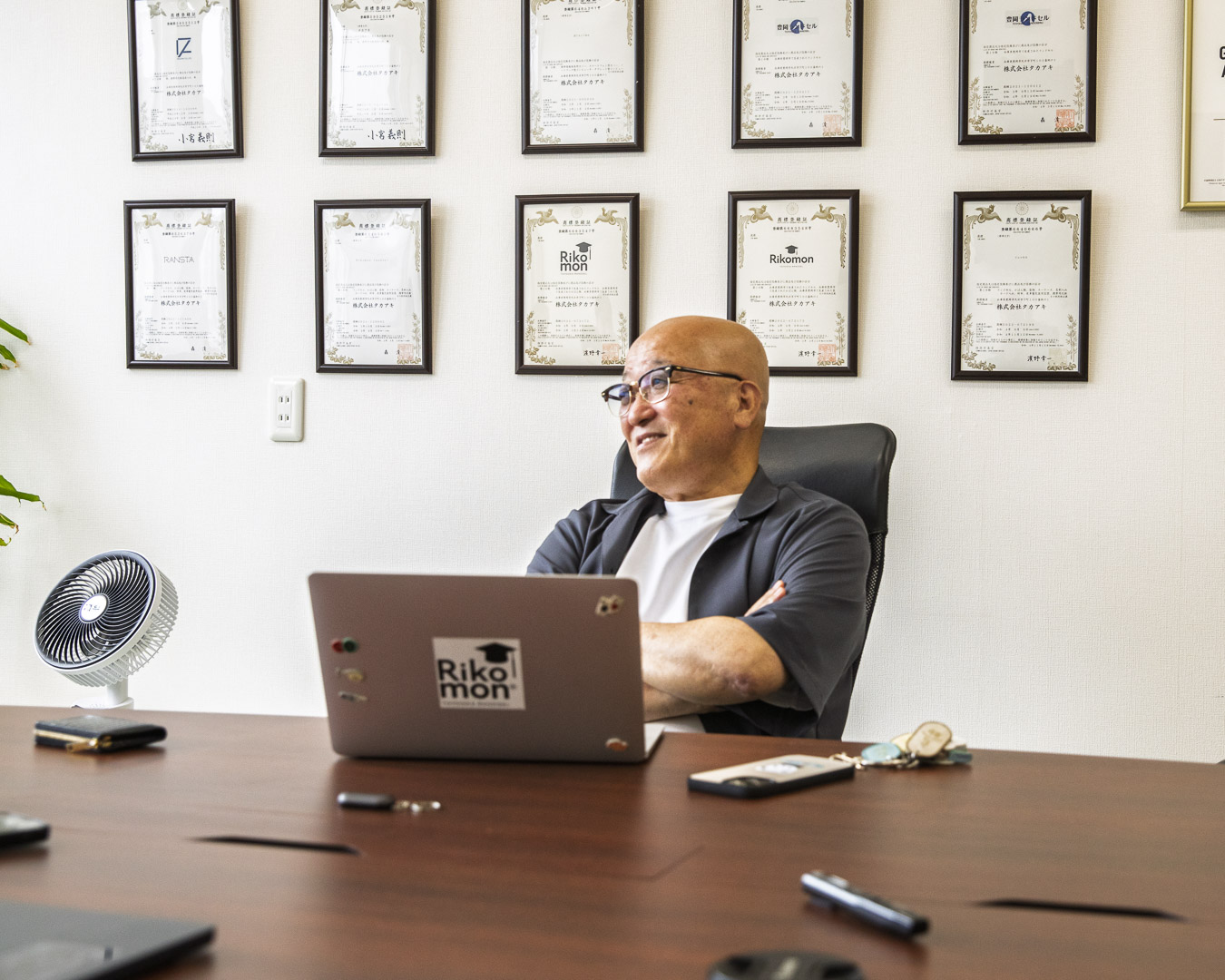
Shukunami Japanese-made bags are valued because they’re infused with an extraordinary level of omotenashi ー a spirit of thoughtful care ー and I think the same is true of Yamatomichi. Yamatomichi founder Akira Natsume uses the products, gathering feedback through repeated real-world testing and making fine adjustments along the way. That’s exactly what this is about.
When you try to produce that overseas, new problems arise ー differences in fabric, required production volumes, etc. Then when you move to another factory, you have to teach everything all over again. By building a factory in Kamakura, what has been done here can be passed on directly. Even if the people doing the sewing change, the philosophy and the techniques can still be taught and the craftsmanship will continue. I can say this with confidence because we’ve already achieved it at various sites, including our own Tottori factory.
ーFor Yamatomichi as well, having a factory in Kamakura will bring development and production closer together, which should lead to a higher level of craftsmanship.
Shukunami In my lifetime, the chances of meeting people like the Yamatomichi crowd was practically zero. I would have gone my whole life without ever knowing them. But in the end, I think it’s these two who made everything move forward.
③ Six months that felt like years
Interviews with two new staffers: Gakuji Hirosawa and Ryoichi Shibuya
Finally, we bring you an interview with two of the five new staffers at Yamatomichi’s Toyooka factory: Ryoichi Shibuya, who is the oldest of the group, and Gakuji Hirosawa, who formerly worked for a tent manufacturer. We asked them to speak openly about what they’ve seen, experienced and felt over the past six months.
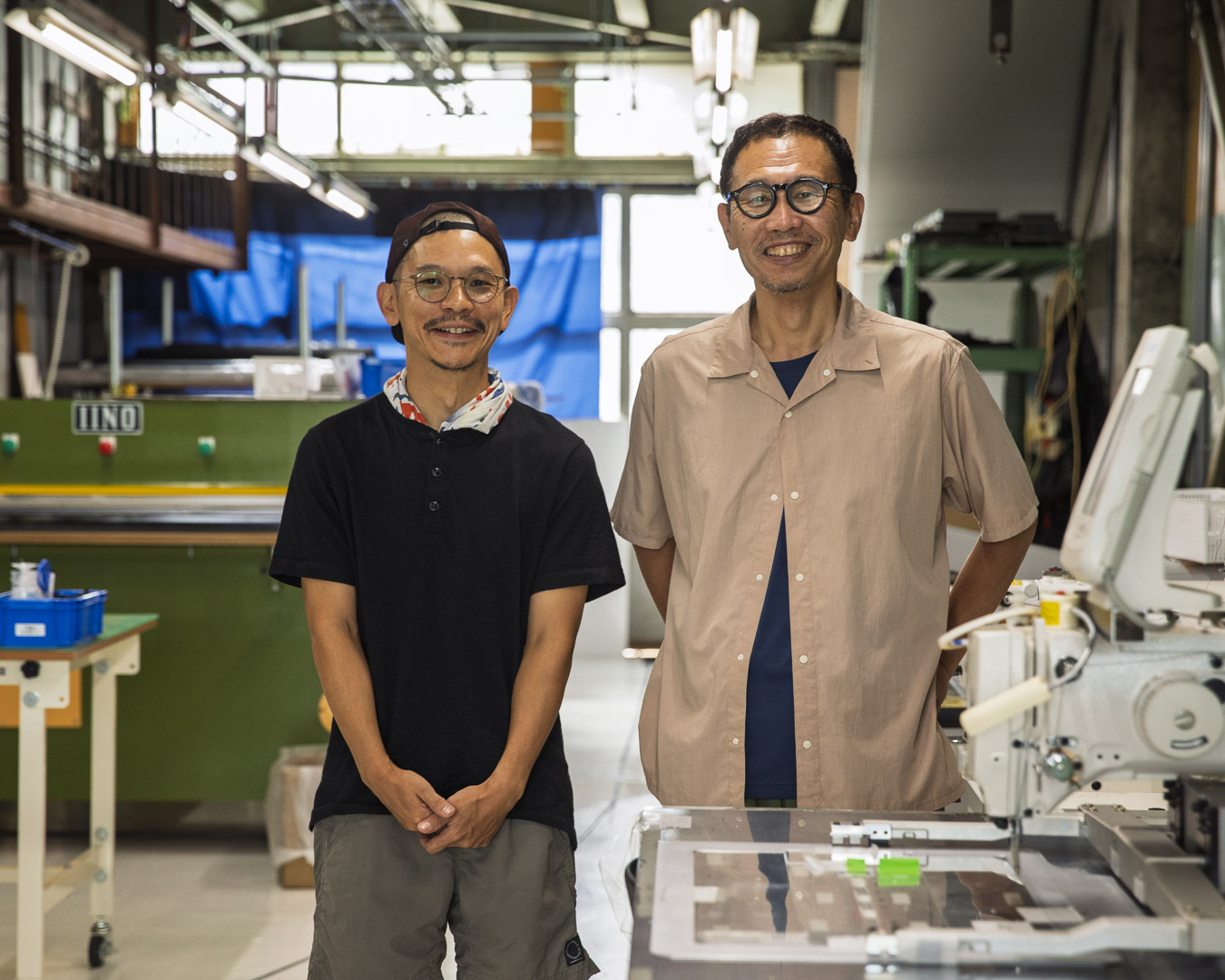
Gakuji Hirosawa (L)In Toyooka, he serves as a floor leader, constantly experimenting to ensure smooth production. He’s also enjoying life in Toyooka with his coworkers.
Ryoichi Shibuya (R):At Yamatomichi’s Toyooka factory, he is mainly responsible for managing production materials, cutting, and finishing processes. Though everything is new to him, he approaches each day with a positive mindset.
A unique selection process
ーWhat motivated you to apply for the Toyooka factory position? Gakuji, you were working at a tent manufacturer, and Ryoichi, you came from a completely different field in systems and IT.
Gakui I already knew of and used Yamatomichi products. I really liked their approach to making things. Around the time I started thinking about changing jobs last year, I came across the job posting. Since the role was close to what I’d been doing, I decided to give it a shot.
Ryoichi I was in a completely different industry. Last spring, at 56, I took voluntary early retirement. For the first time in my life, I suddenly had a long break, and I was enjoying the opportunity of it. I told friends that I would go anywhere and do anything if they were to invite me. One of them invited me to go hiking. At the time, I thought, “Hiking?!” I figured I had to go.
During the COVID-19 pandemic, I’d traveled solo by bicycle and collected ultralight gear, but I didn’t have a backpack. I didn’t want something heavy, so I searched for ultralight backpacks and Yamatomichi came up. While browsing their website, I came across the recruitment page, which said that no prior manufacturing experience was required. My family had started asking me how long I was planning to keep living the carefree life. That’s what led me to apply.
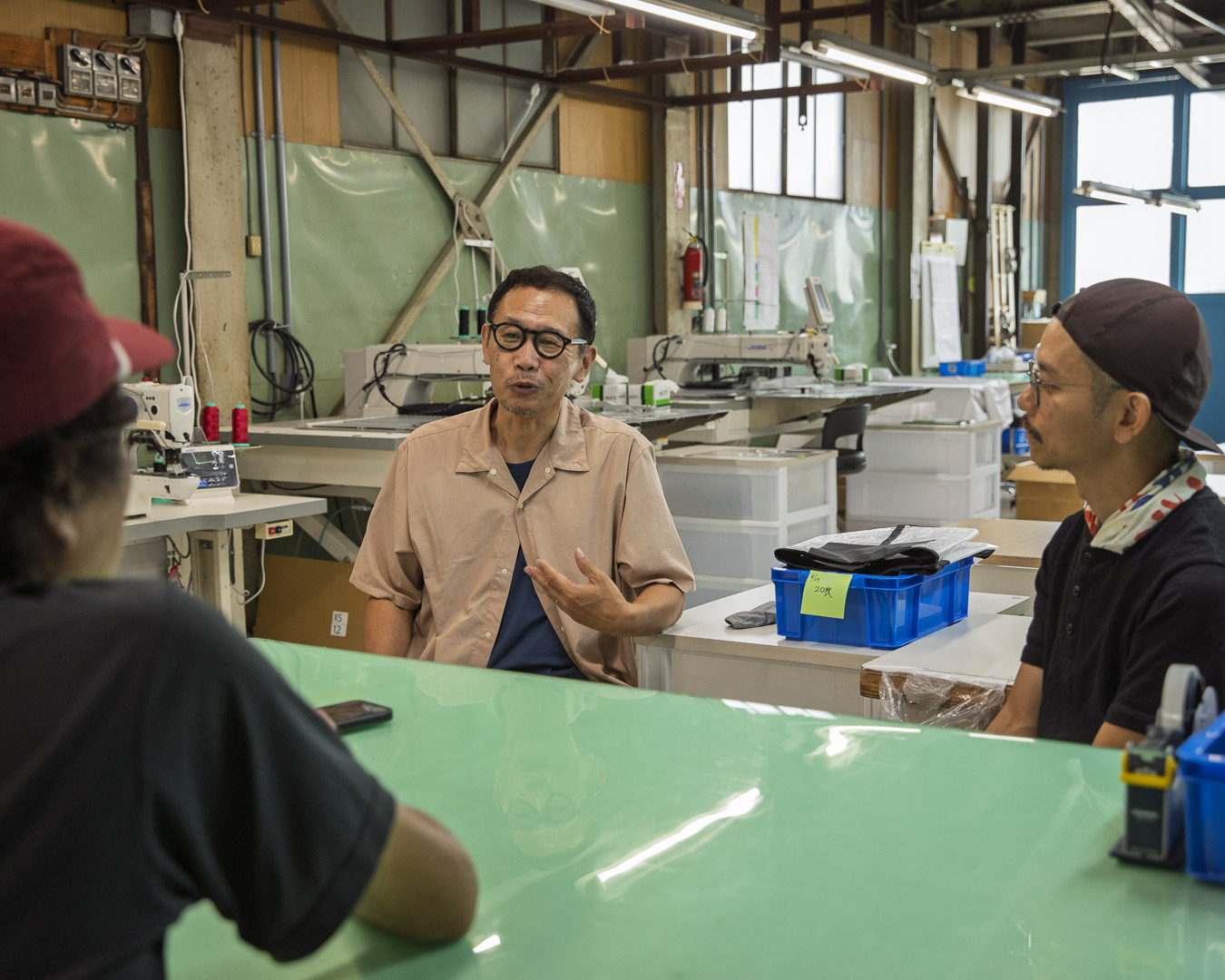
ーThe selection process was pretty unusual. What did you think?
Ryoichi Definitely not your typical hiring process.
Gakuji I’ve never experienced anything like it. For the final round last December, we came to Toyooka for a two-day stay. We met everyone for the first time and spent two incredibly intense days together.
ーWhat did you do?
Ryoichi We gathered at the Toyooka factory in the afternoon. Yamatomichi’s Akira Natsume was there, too. We formed a circle and introduced ourselves.
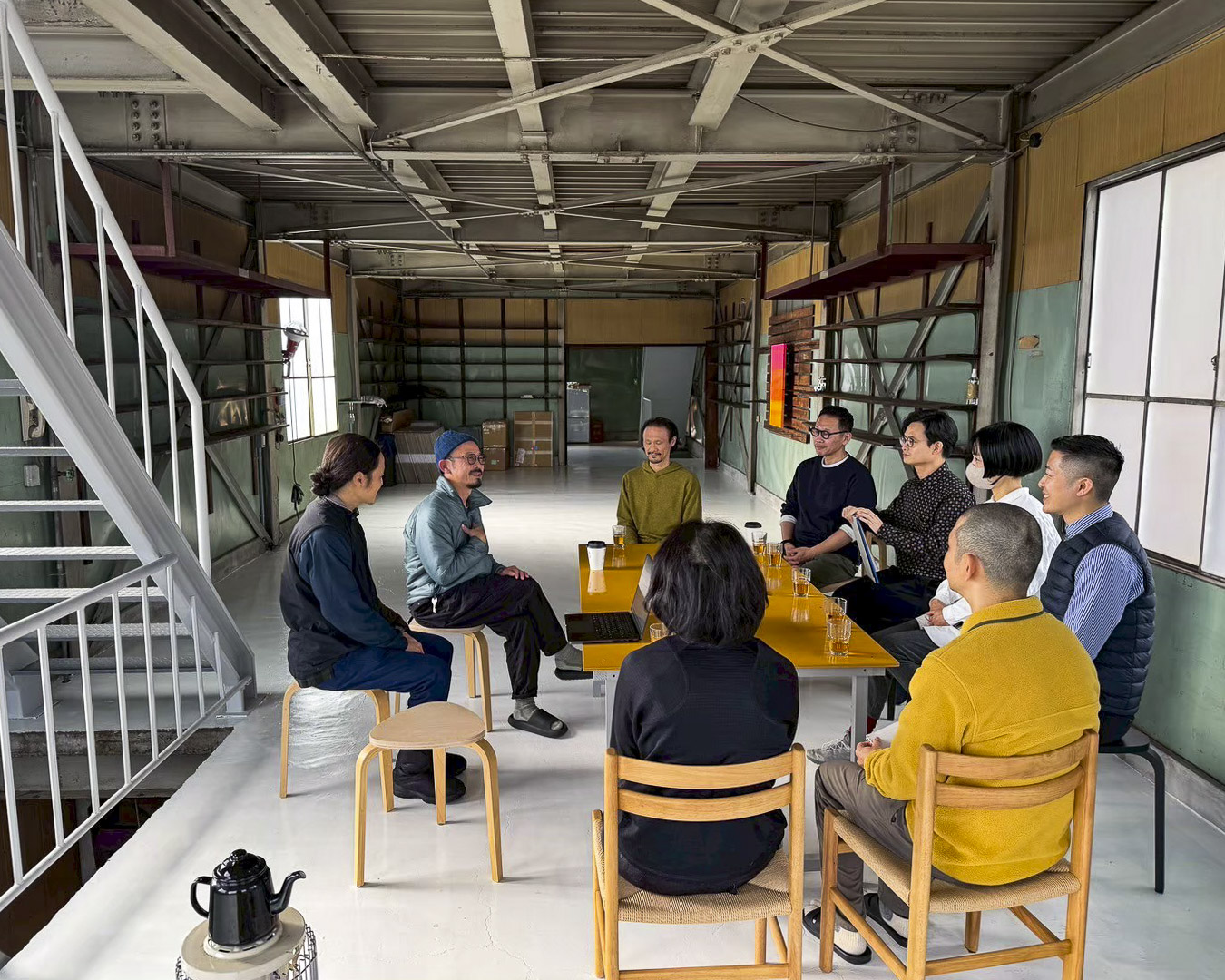
Gakuji Then they told us to each try using all of the machines. Each of us cut fabric, used sewing machines and made a Stuff Pack XL. After that, we toured Takaaki’s factory. There wasn’t even a clear discussion, and suddenly we were heading out for dinner. Just when I thought the interview was over, they told us to pair up and share our dreams and then present them to everyone. I couldn’t relax at all, so I drank a lot.
Ryoichi Gaku-chan was really nervous.
ーAfter going through the interview process, what impression did you have of Yamatomichi?
Ryoichi After the final selection ended and everyone else left, I stayed one more night. Takahiro and Ichiro recommended that I visit Kinosaki Onsen, in Hyogo prefecture, if I had time. When I said I was thinking about going, they said, “Why not go now?” So even though I hadn’t officially joined the company yet, I ended up riding in their truck and we went to an outdoor bath together. I kept wondering if this was part of the interview process. I was thinking what an interesting company it was.
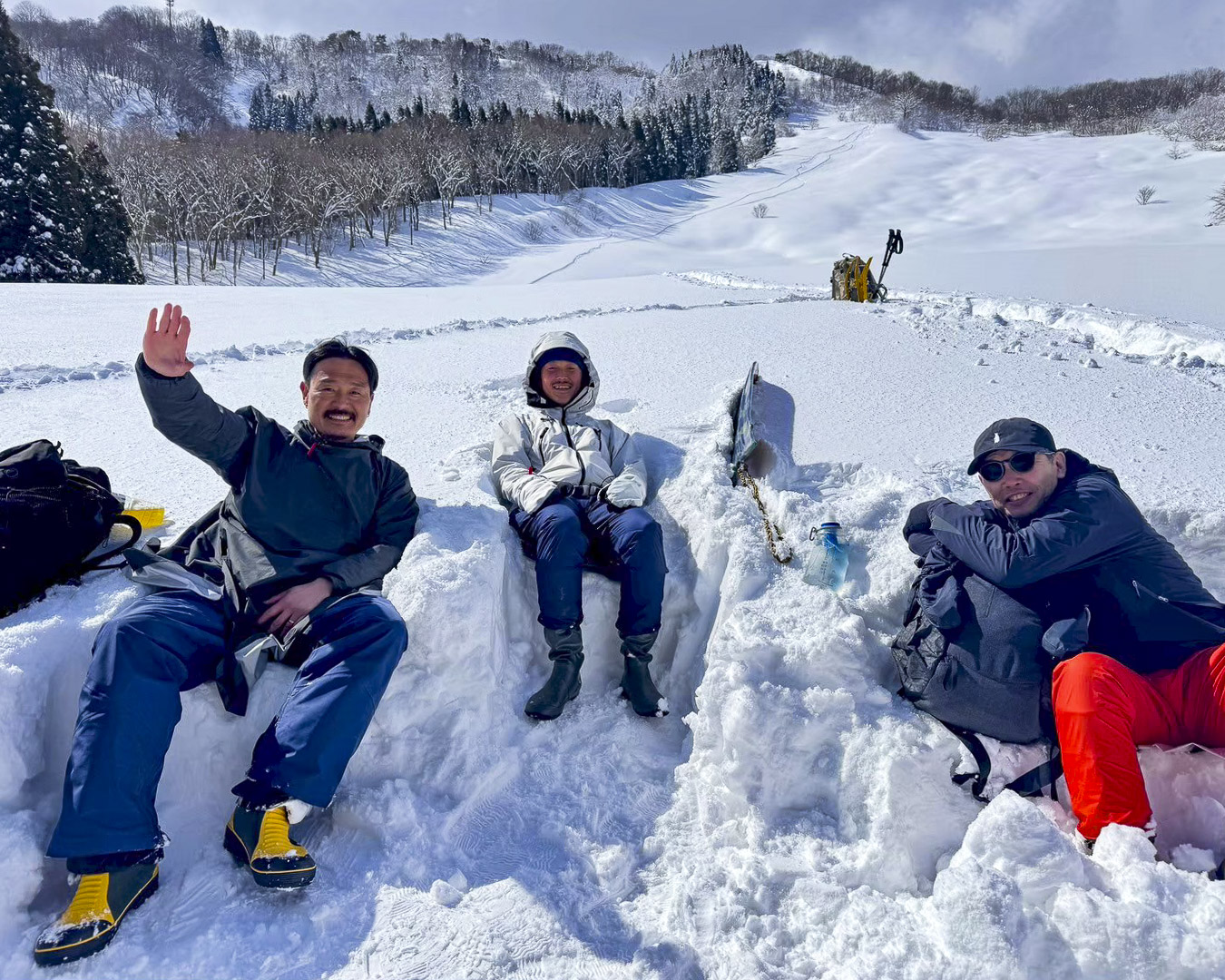
Fun in the snow with the team right after Ryoichi joined.
Enjoying the Toyooka lifestyle
ーRyoichi joined in February and Gakuji in March. You both moved to a place where you had no previous ties. How’s life in Toyooka?
Ryoichi Gaku-chan’s the one I go out drinking with the most.
Gakuji We even went tent camping together recently.
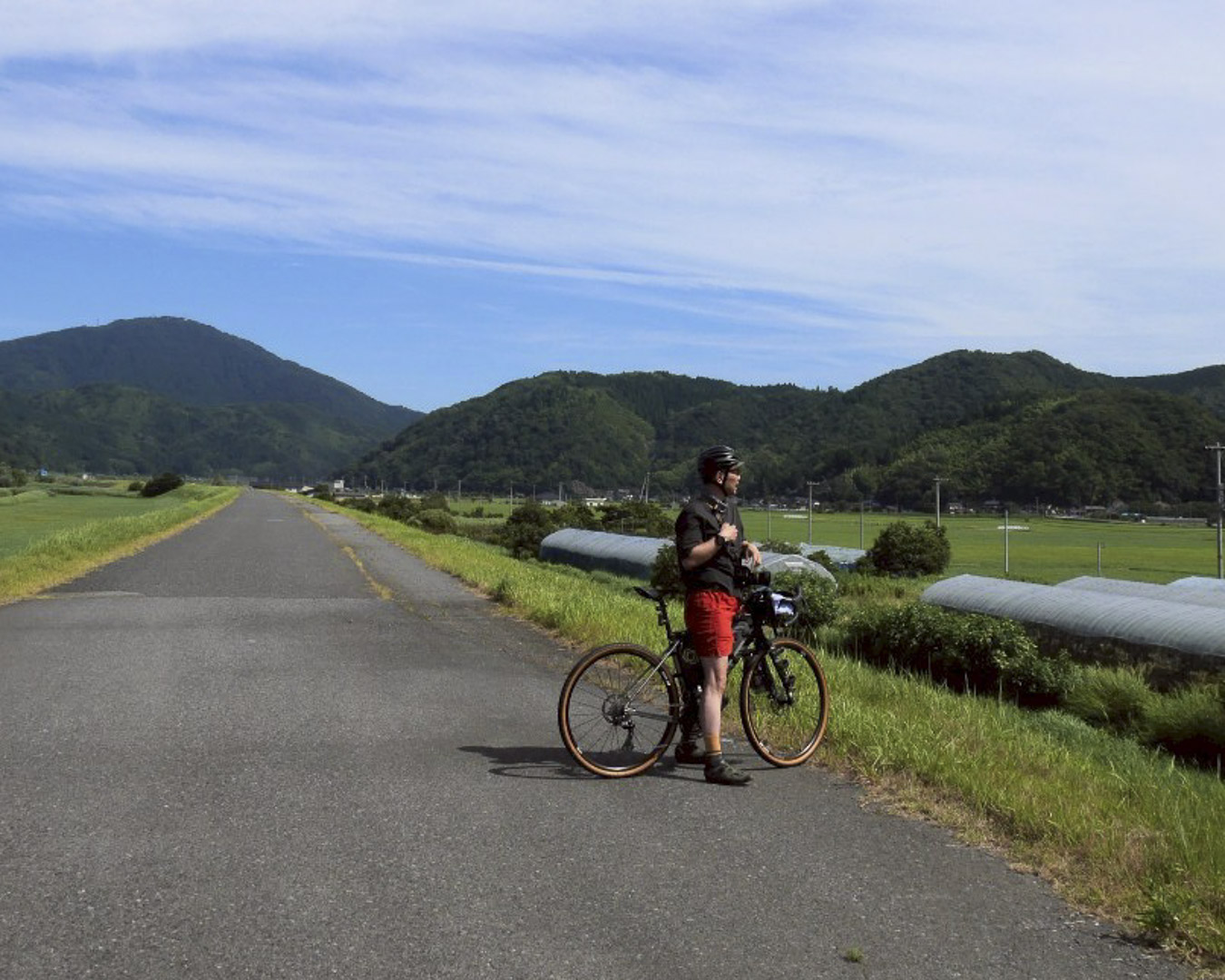
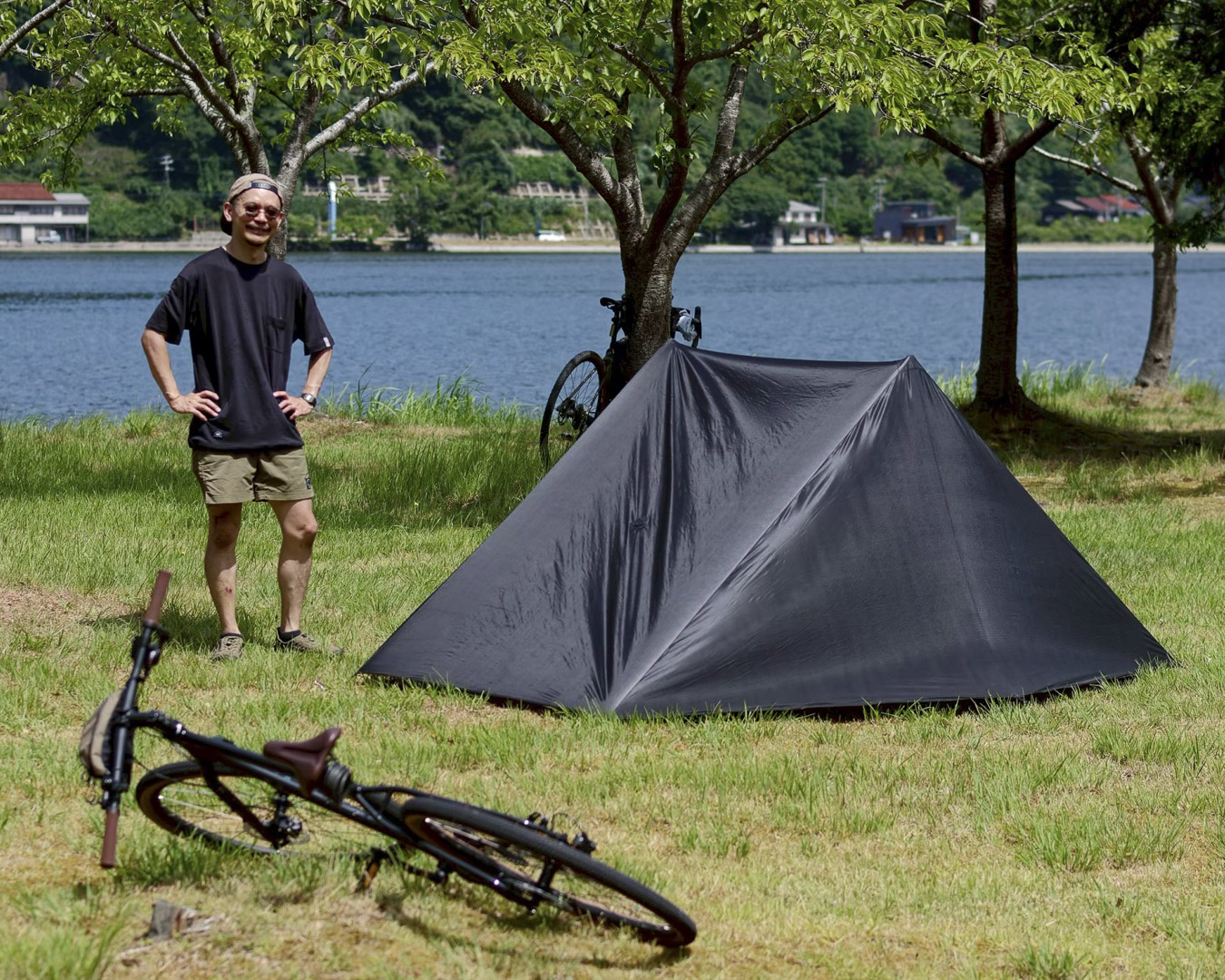
Ryoichi It’s my first time living apart from my wife for an extended period too. It’s been fun. I don’t have much furniture, so I installed steel pipes in the living room and hung a hammock. I sleep in it every night. It’s incredibly comfortable.
The natural landscape here is amazing. Since it’s a basin, we’re surrounded by mountains. Small peaks are just 20 to 30 minutes by car, and even 1,000-meter mountains are less than an hour away. The ocean’s close too. It’s great for surfers. Locals might take it for granted, but for outdoor activities, this is the perfect place.
Gakuji The sea is really beautiful.
ーRyoichi, you changed industries entirely. How was it starting something so different?
Ryoichi I’d spent 20 to 30 years in IT systems and infrastructure development. Toward the end, I was mostly in a teaching role. Suddenly that flipped 180 degrees. I was the one asking questions and learning everything. I had no idea what to expect. Even at my age, I found myself riding emotional highs and lows. It was all so fresh. Looking back, the past six months feel incredibly dense, like I’d lived one or two years. During the pandemic, I worked remotely for nearly two years. Every day was the same: wake up, eat, sit at the desk, turn on the computer, attend meetings. I hardly went outside. That felt more like six months. It’s all relative.
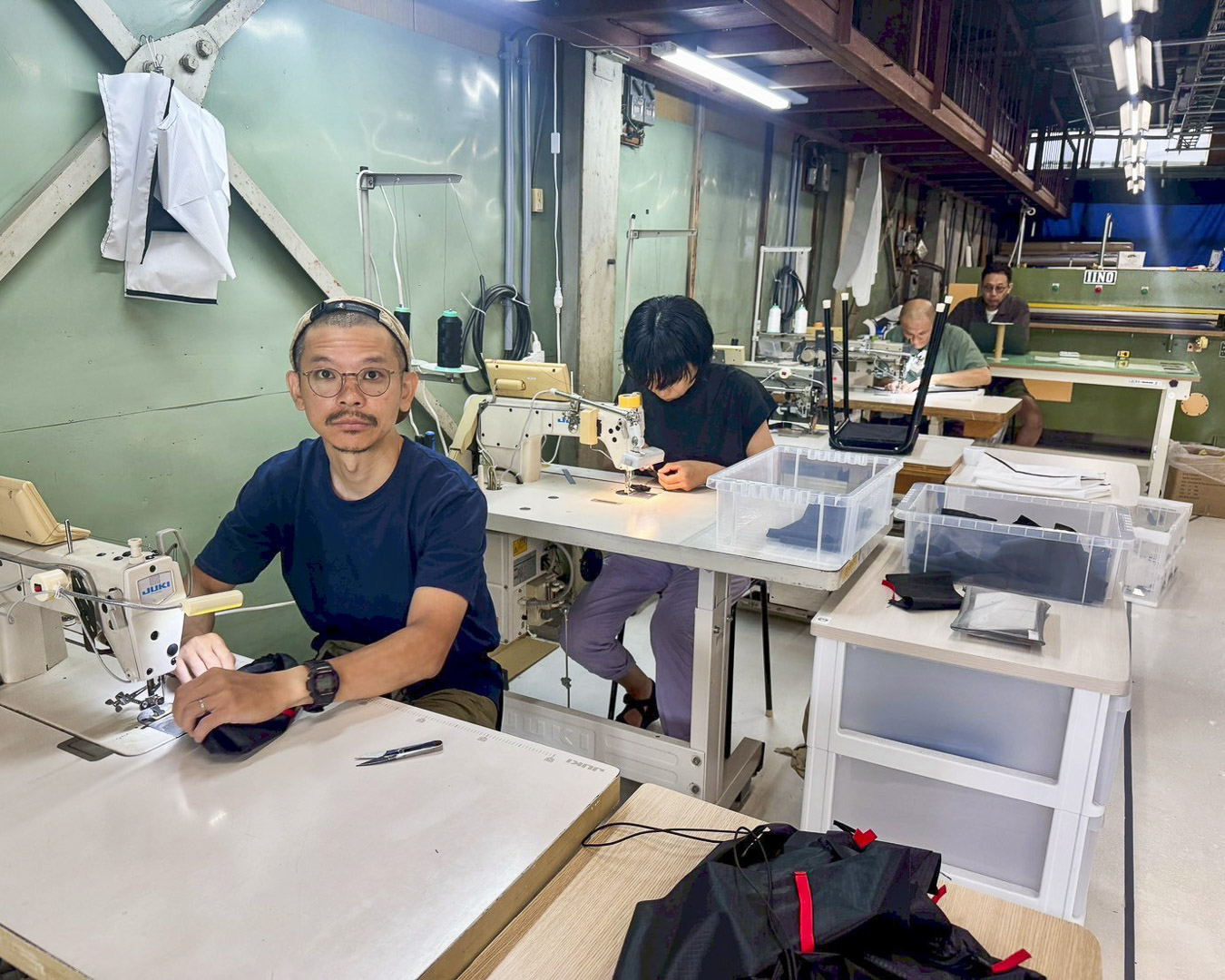
On the production line from the get-go.
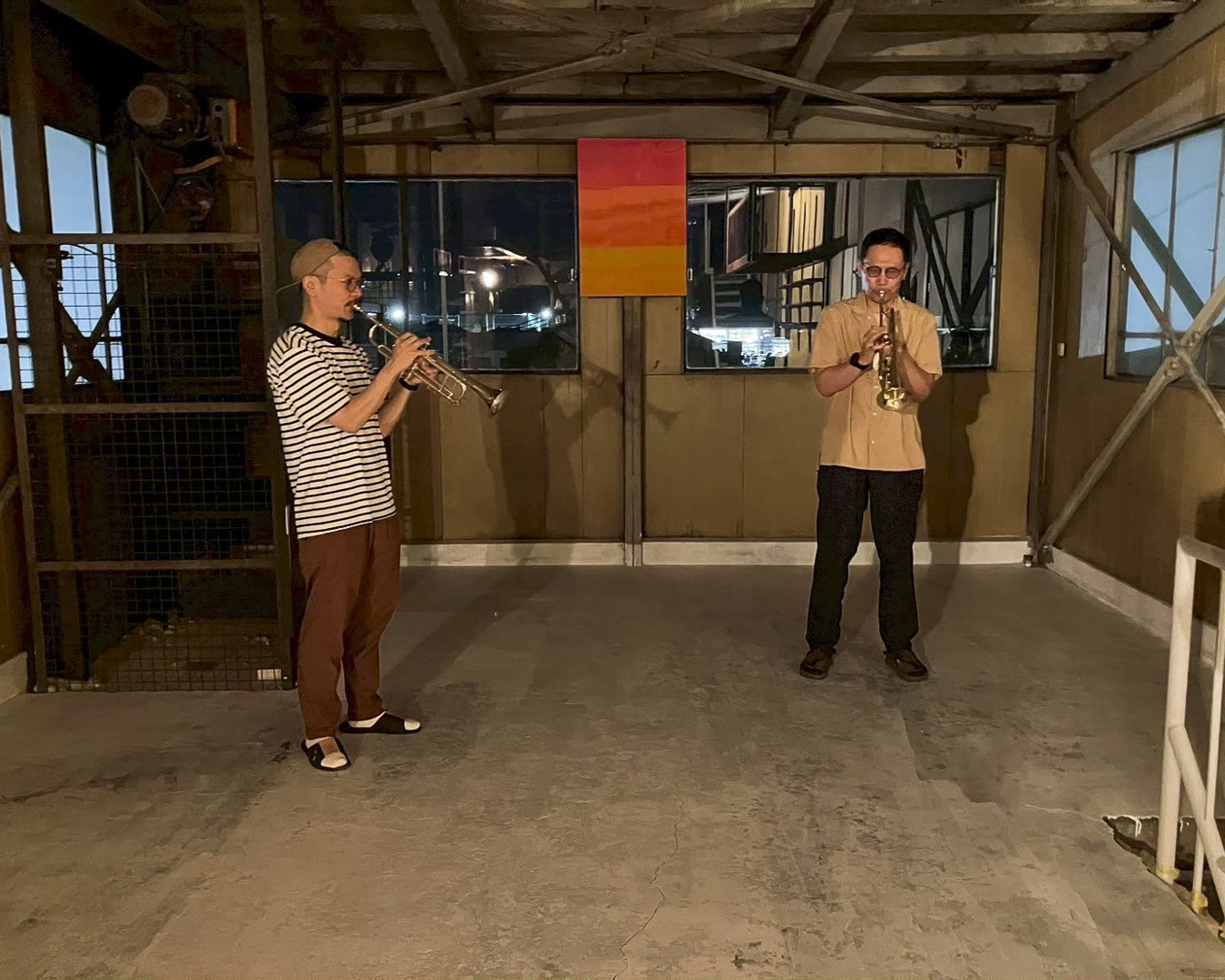
Trumpet sessions with Ryoichi and Gakuji.
ーWhat about you, Gakuji? How has your view of Yamatomichi changed since joining?
Gakuji These six months have flown by for me. The company atmosphere and way of thinking about manufacturing are different from my previous job. It’s a completely different world. But my impression of Yamatomichi hasn’t fundamentally changed. I always felt that they were striving to make better products. Once I joined, I realized there was even more work than I had expected. It’s tough, but really enjoyable. Every day is a challenge.
ーWas it your first time seeing a factory like Takaaki’s?
Gakuji Yes. I’d never done mass production like that. It was a big learning experience.
Ryoichi I’d visited factories before in my old job, but they were automated electronics plants. There weren’t many people. At Takaaki’s, I was surprised at how many people were working there. And they just threw us straight onto the production line!
ーWhat’s amazing about Takaaki’s factory is that they actually have a system in place that makes that kind of approach work, don’t you thinik?
Ryoichi Absolutely. We were allowed to make mistakes. That said, from the perspective of the person actually doing the work, there’s still a lot of pressure. You’re thinking, “This is something we’re going to sell, so what if I mess it up?”
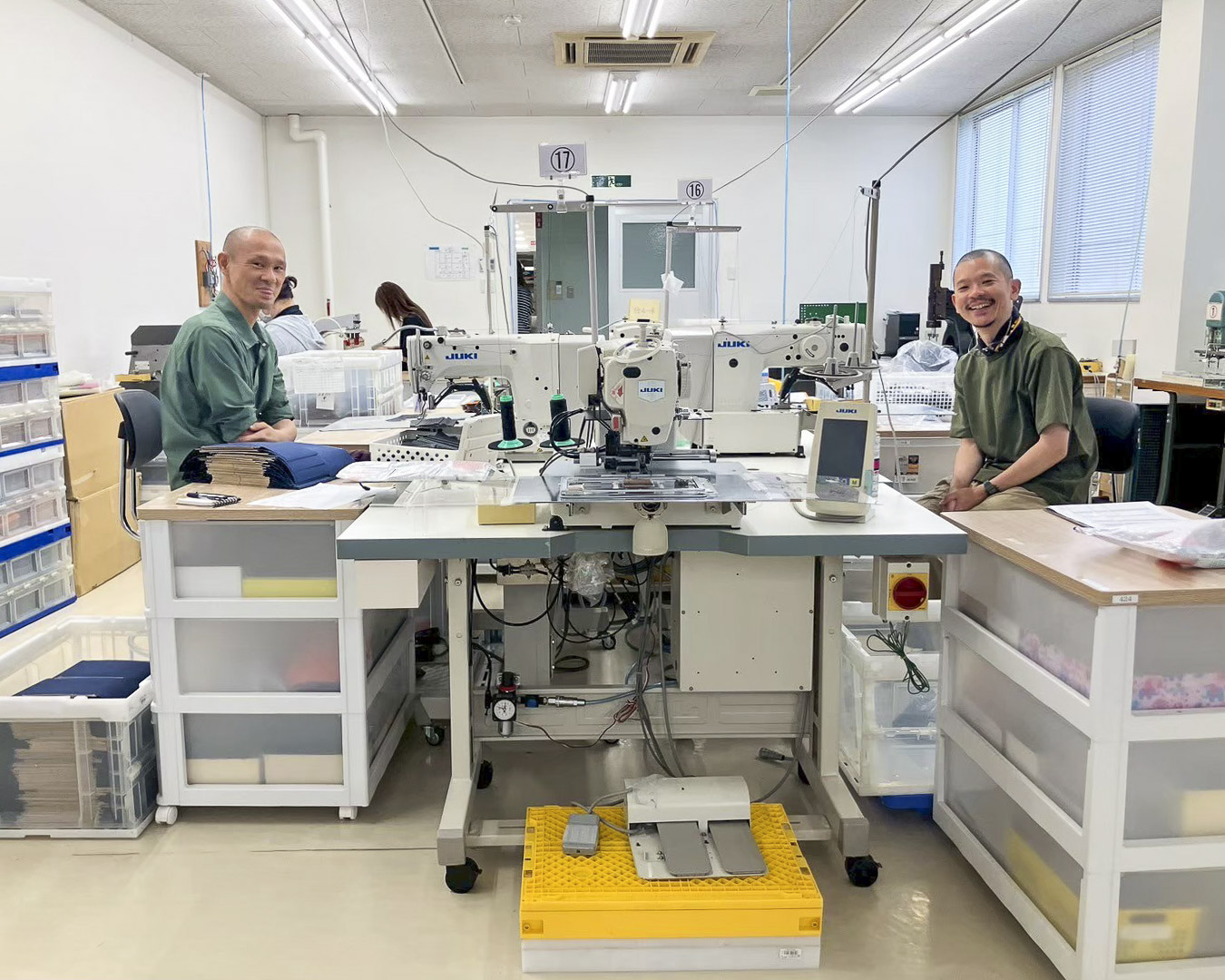
Training at Takaaki is about immediately working on the production line.
ーAfter finishing training at Takaaki’s, you suddenly had to produce the ONE hip belt. I heard Shibuya helped by creating production charts.
Ryoichi It was chaotic. We didn’t even know where to begin. I just tried to contribute however I could.
Gakuji We had to build the system before we could even focus on manufacturing.
Ryoichi We kept rearranging machines. We’re still improving the facilities while also producing at the same time. I used to think we’d eventually settle on the perfect setup. But since people change, layouts change, too.
ーYamatomichi’s Kamakura headquarters has always felt like it’s in beta mode. Everything changes every year. Nothing is the same from one year to the next.
Ryoichi When I was looking at Yamatomichi’s job postings and reading articles and watching videos about the Toyooka factory, I somehow felt it resembled the early days of my previous company. The company itself was fairly large, but it had this venture-like atmosphere, almost as if the president were running it single-handedly. Things he said at the morning meeting would be completely different by the afternoon meeting, and that kind of thing was happening all the time throughout the company.
Back then, I didn’t have the mental space to enjoy that. But looking back, I realize that sense of speed was actually exciting. I experienced the whole process of the company gradually growing, adding more people and becoming a more established organization. Yamatomichi has that same kind of energy that my former company had back then. I think that was one of the reasons I decided to apply.
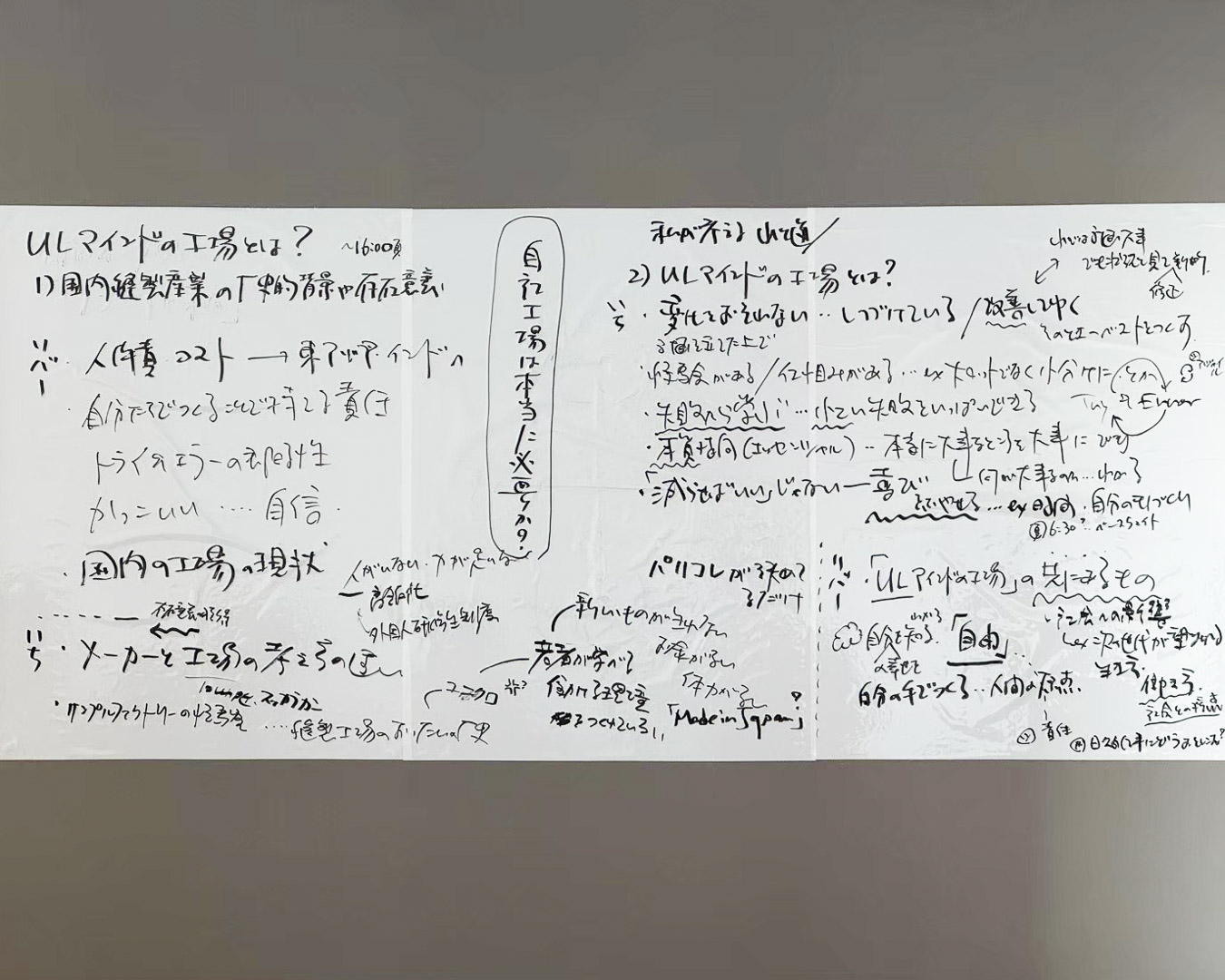
Notes from a workshop led by Yoshinori Nishimura (he appeared in the Yamatomichi Journal series, Hiking as Liberal Arts) who asked: What would a factory with a ultralight mindset look like? The conversation ranged from the current challenges facing the sewing industry to the direction Yamatomichi’s in-house factory should take, and what might be possible if ultralight-style thinking were applied to a factory. As you might imagine, the topic sparked an intense and wide-ranging debate.
Trial and error
ーIn 2026, when the Toyooka team moves to Kamakura, things may shift again.
Ryoichi Definitely. I feel that people at Yamatomichi have a deep love for their products. Many are into making their own gear. That love, combined with the right skills, means there’s huge potential to produce high-quality work together.
ーIf you can handle everything seamlessly from development to mass production, it becomes much easier to communicate with each other. That seems the ideal kind of manufacturing for Yamatomichi.
Ryoichi When it came to checking details, we often had to send the actual sample to Kamakura and wait a few days for confirmation. If we were all working in the same place, coordination would be smoother, and we’d get things done more efficiently.
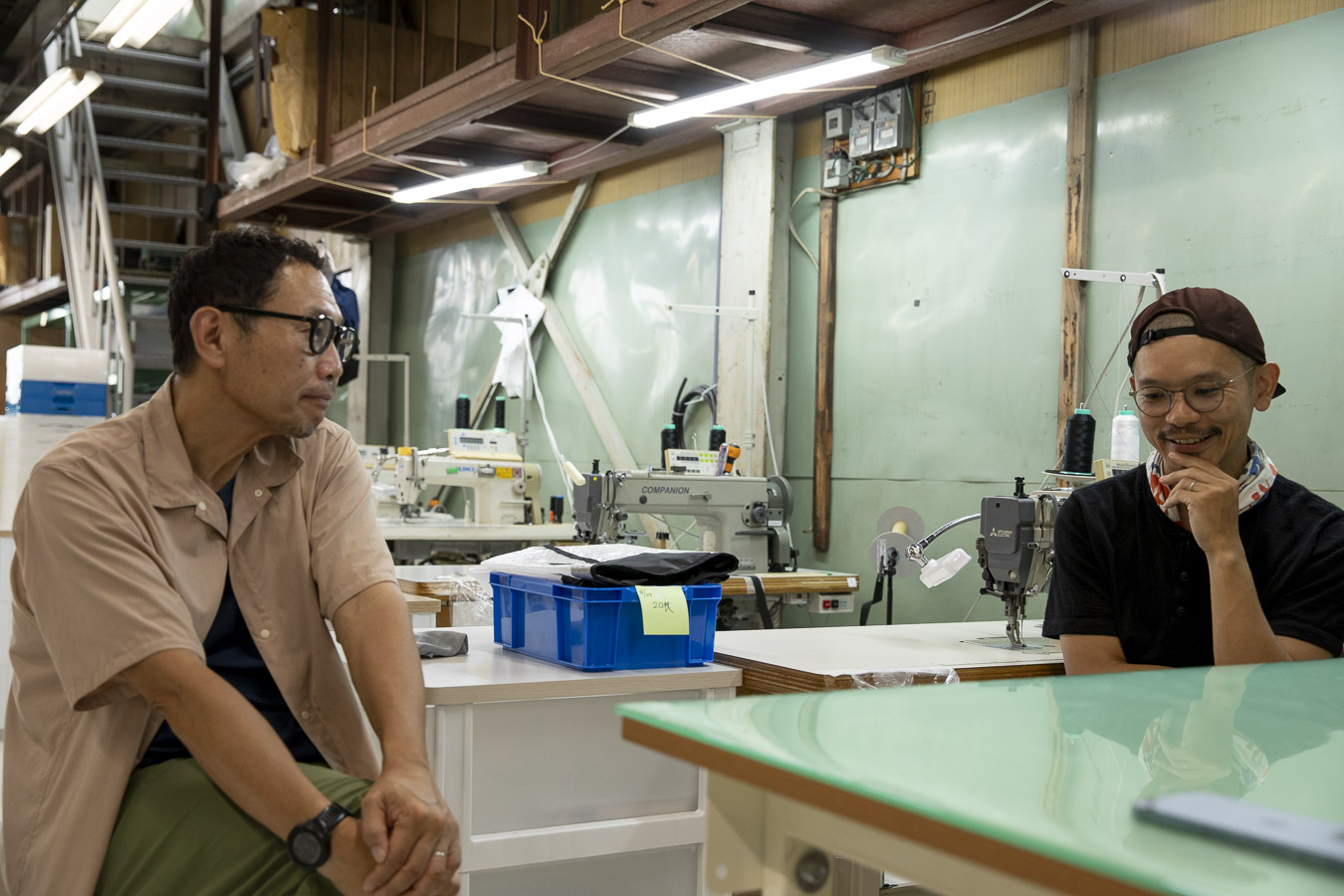
ーHow has it been working with Takahiro Nakagawa and Ichiro Kitajima?
Gakuji I’m really glad they’re here. They support us in so many ways.
Ryoichi They’re a great team. They respect each other’s strengths. Starting from nothing takes enormous energy. I really respect what they’ve done. I don’t think either of them could have done it alone. It worked because they were a team.
ーWe’re looking forward to the Toyooka factory crew joining the Kamakura headquarters team in 2026!