






Size L 431g
Size L 28-38L
Repair Tape
- Introduction
- Ultralight hiking backpack
- Product story
- New buddy for hiking
- Form and function
- Designed for comfortable hiking
- High capacity mesh pocket
- Versatile carry options
- Anatomy of the MINI2
- Integrated Minimalist Pad
- How to wear the MINI2
- Options
- Packing tips
- Material
- Pertex®︎07RS-PC
- ECOPAK EPX200
- Size guide
- Notes before use
- Fabric water resistance
- DEET
- How to use the roll-top
- Instructions
- Care instructions
- Repair
- Replacement parts
Introduction
Ultralight hiking backpack
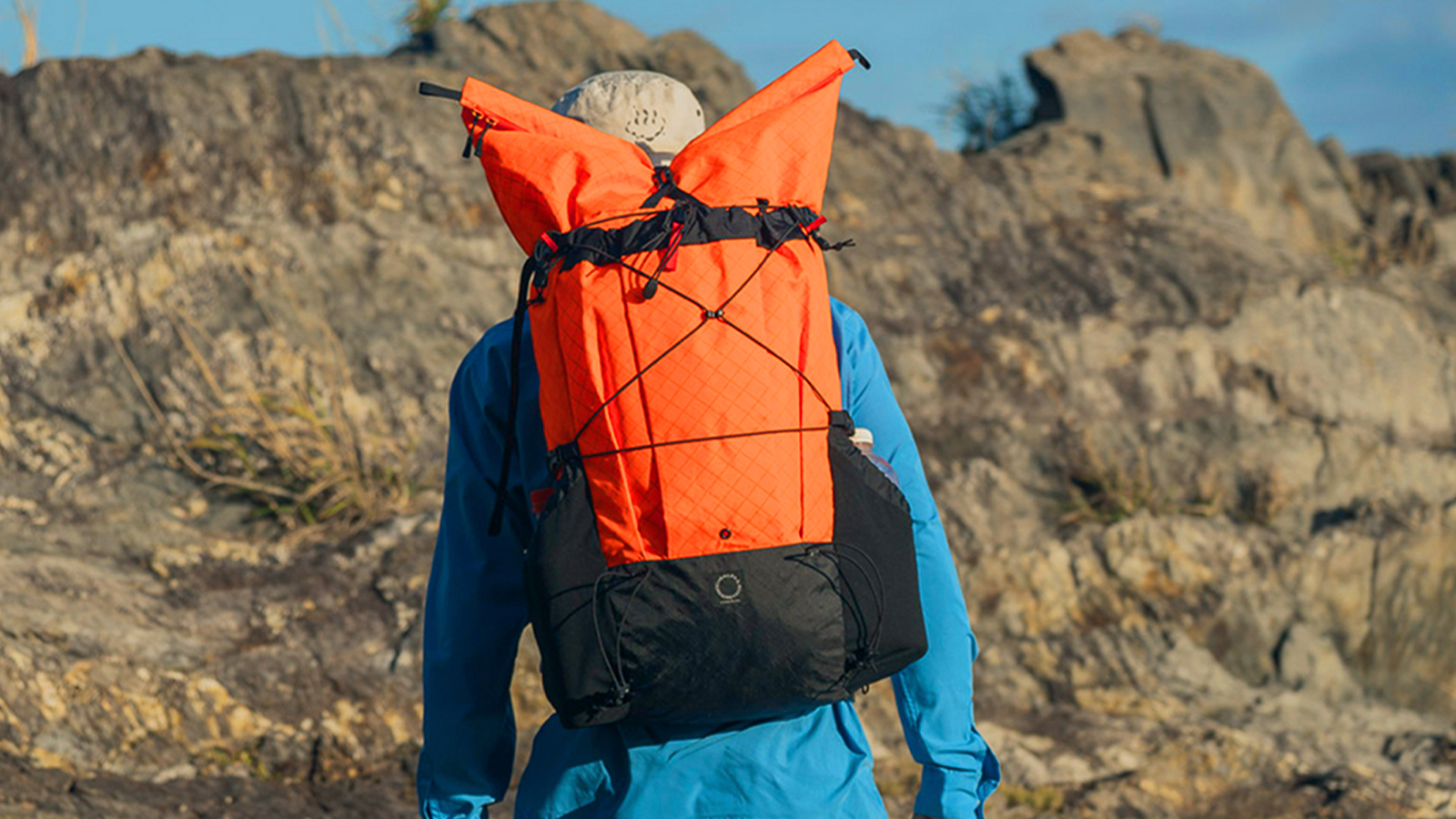
The front and side pockets of the MINI have been redesigned with large mesh pockets, reminiscent of early-2000s ultralight backpacks—making it a true ultralight hiking pack.
The main body is made from an original, lightweight yet soft 70-denier fabric* developed in collaboration with Pertex. For the base, where durability, water resistance, and stain resistance are essential, fully waterproof ECOPAK is used.
At just 413 g (Size M), this is an ultralight backpack that remains incredibly comfortable for carrying 1–2 nights’ worth of lightweight gear—the purest ultralight pack from Yamatomichi.
Product story
New buddy for hiking
To test Yamatomichi’s THREE pack in 2014, I hiked from the Oyashirazu coast of the Japan Sea to Hirayu, passing through the Northern Japanese Alps. I extended my hike further into the very deep alpine area of the Southern Alps from Jizo-ridge, and ultimately reached the Tohyamago area, the southern part of Nagano Prefecture. After this trip, I realized that on my next long hike I wanted to travel much lighter so that I could almost just jump from one mountain to the other.
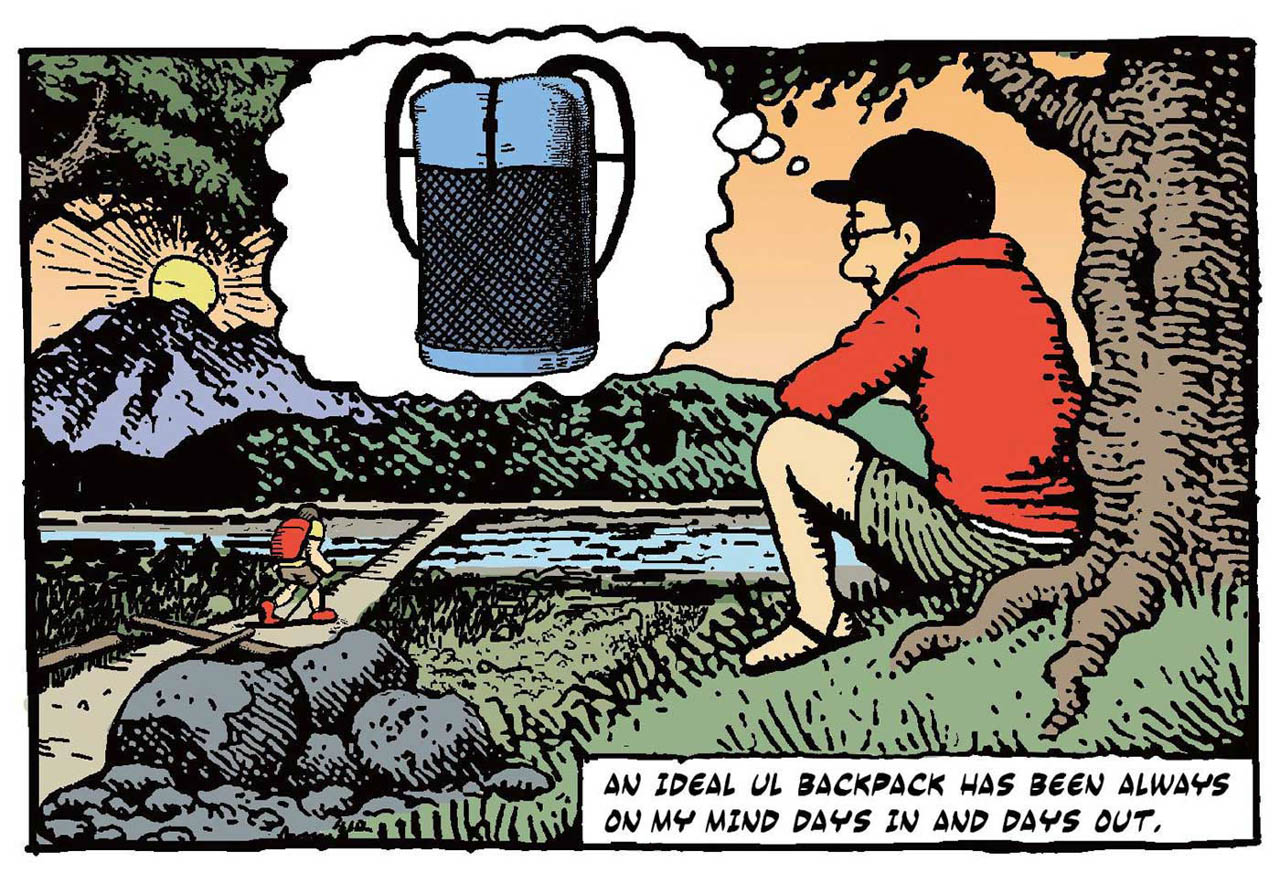
Illustration: Jerry Ukai
I tried to visualize the ideal backpack for this kind of hiking and came up with an image of a small, simple, and obviously lightweight backpack that I thought would be “just the right thing.” It didn’t have to be either eccentric-looking or technically advanced, but a pack I would just grab without any hesitation—just like the classic silnylon backpack I yearned for in the early days of ultralight hiking.
In those days, technically advanced materials such as X-Pac that we use in the THREE backpack, and Cuben hybrid composite were all the talk, while rip-stop nylon material like silnylon was considered a little outdated. But I was determined to create a new backpack with Skylite that has a similar texture to silnylon, in a kind of homage to the simple backpack that brought about ultralight hiking back in the day.
I also decided that the front pocket should be in a mesh.
Before I made THREE with its mesh pocket similar to the one we use on MINI2, I had been skeptical about adopting mesh for the rainy climate of the Japanese mountains. I initially felt mesh pockets were impractical since the rain could easily soak the contents. Even during my hiking test of the mesh-pocketed THREE, I didn’t like how everything seemed to be getting wet in the beginning, but after several days of hiking, I gradually came to like the function of the mesh pocket. I could stow my still moist tent in the morning without much thought, and the mesh material allowed me to easily see what was inside the pocket.
Sure, things could get wet easily in a mesh pocket, but they would dry quickly too. Hiking became more carefree and natural for me than ever before, and the mesh pocket perfectly synced with my feelings at that time.
With all this in mind, I decided to base the new design on our MINI, but in different materials and with mesh pockets. The original MINI fits your body when you carry it on the upper part of your back, and it is so comfortable that you feel as though you can go on walking forever. The new pack was going to be an updated version of the MINI so I simply called it MINI2.
In 2015, I traveled from the Japan Sea to the Pacific Ocean, traversing through the mountains in a fastpacking style with a prototype of the MINI2.
It was autumn, and the first snow of the season gently covered the mountains. I carried only the bare essentials to minimize the base weight down to 2.2kg, limiting the total weight, including food and water, to under 5kg.
I was in complete harmony with my surroundings. The journey seemed to open up a whole new world. The MINI2 became like a part of me throughout the journey, allowing me to run parts of the trail and jump from one mountain to the other as I had initially dreamed of doing.
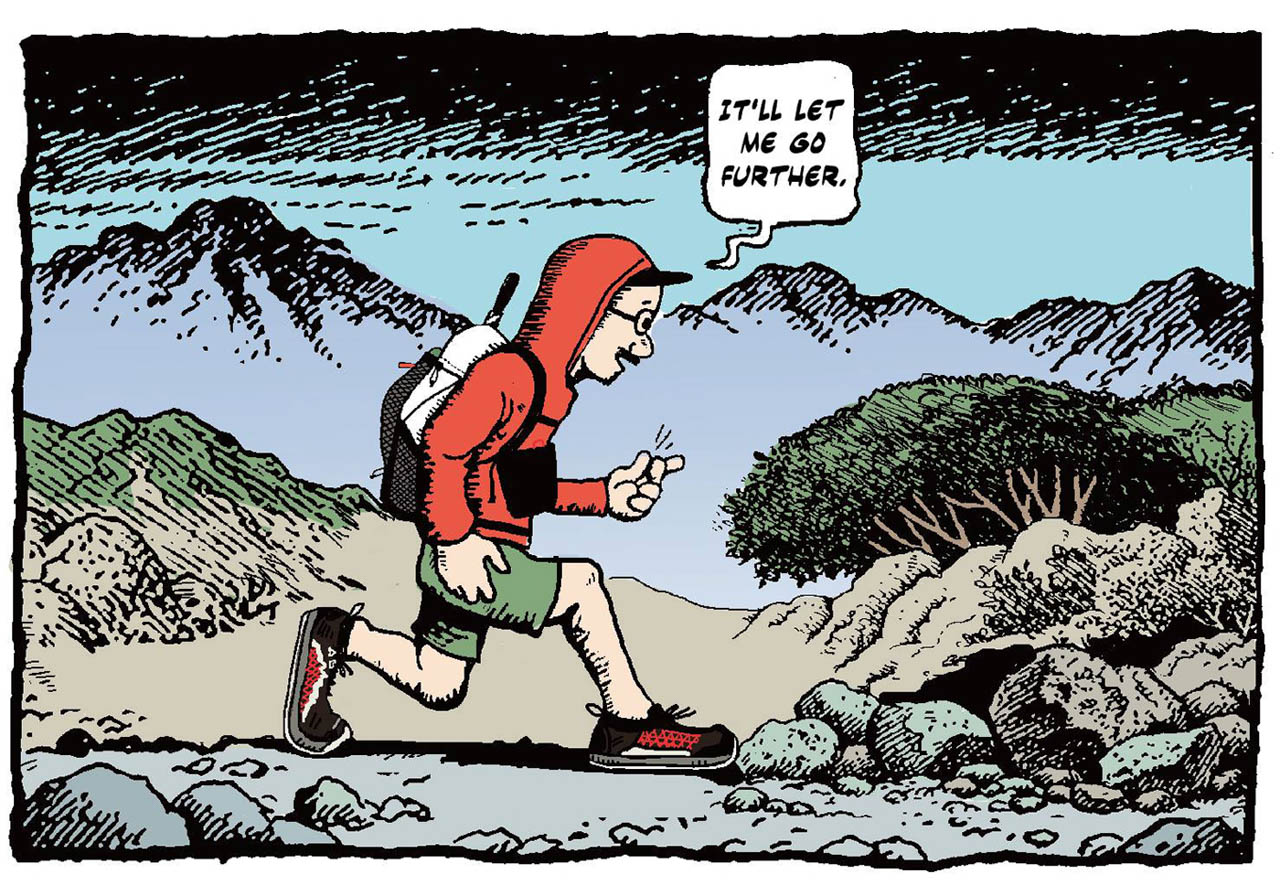
I use MINI2 daily now, and I just use Ziplocs when I stow items in the mesh pocket on a rainy day.
Without a doubt, MINI2 is more of a mountain-oriented backpack than a town-use daypack. And I can’t wait to take it on another long trail soon again. (Originally written in 2016)
Form and function
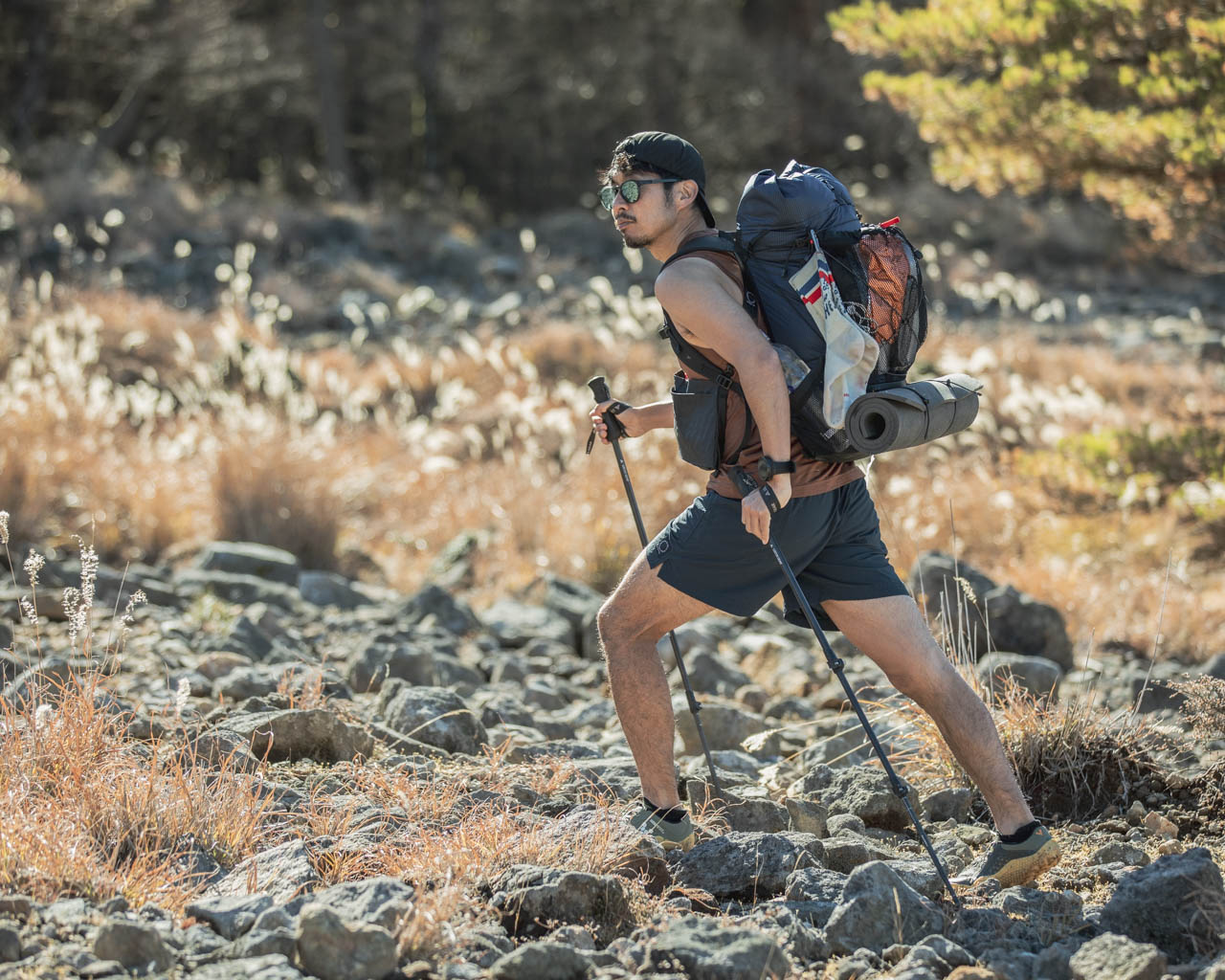
Designed for comfortable hiking
The MINI2 is designed to carry loads of up to around 8 kg, distributing weight across your upper back and chest rather than relying on your hips.
By freeing your waist from the load, it allows for more natural movement and makes it easier to move comfortably over Japan’s often steep and demanding mountain trails.
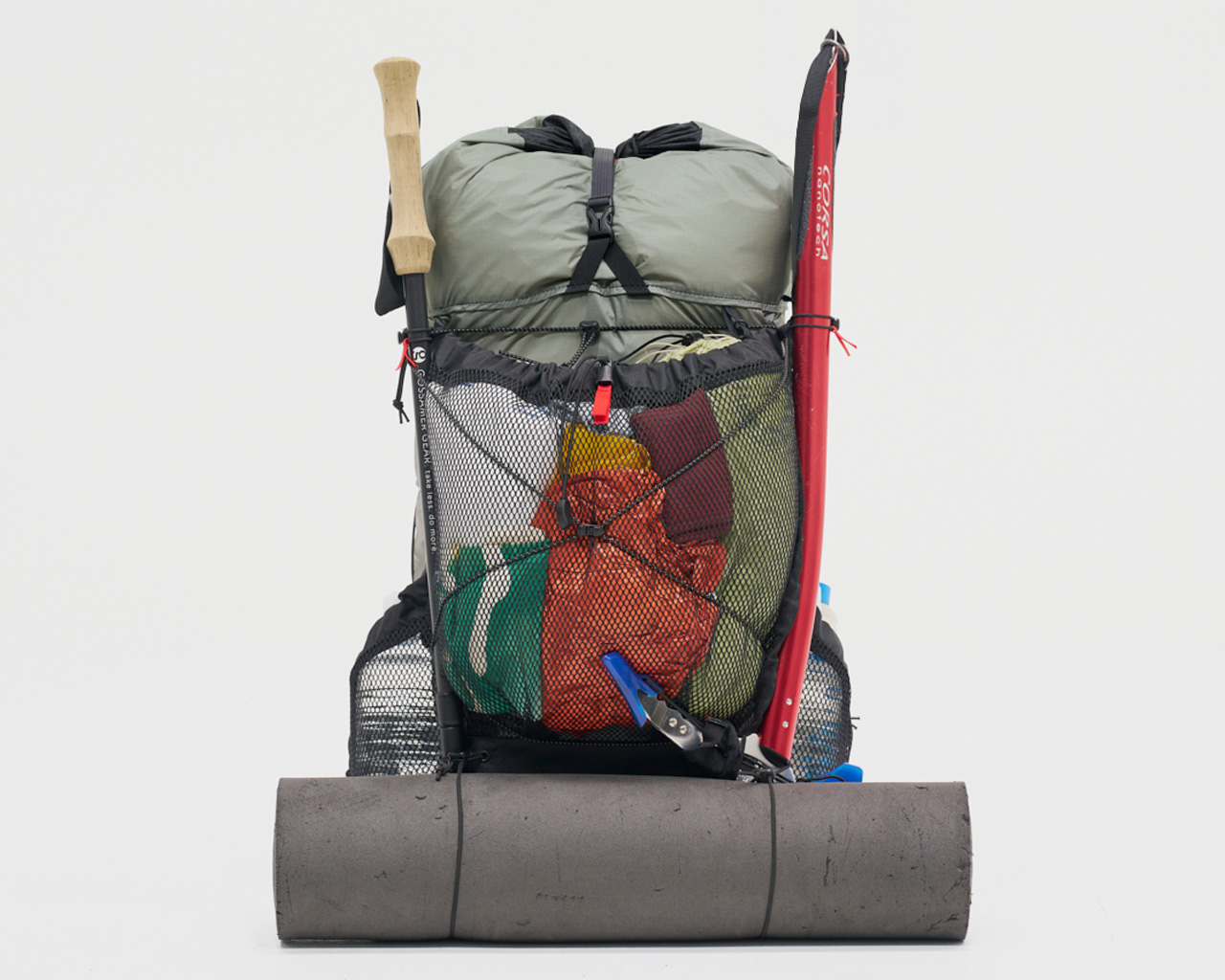
High capacity mesh pocket
Suppose you wake to rain. You pack up the rest of your gear inside the tent or under your tarp, and everything is ready to go—except for the shelter you’re still using. With the lidless MINI2, the solution is simple: once everything else is packed, just stash your tent in the front pocket and head out.
Versatile carry options
The MINI2 features an extended roll-top design, giving it a total capacity of over 30 liters in size M and 32 liters in size L. And when you need to carry more, the top strap, bungee cords, and bottom attachment loops give you plenty of ways to secure extra gear outside the pack.
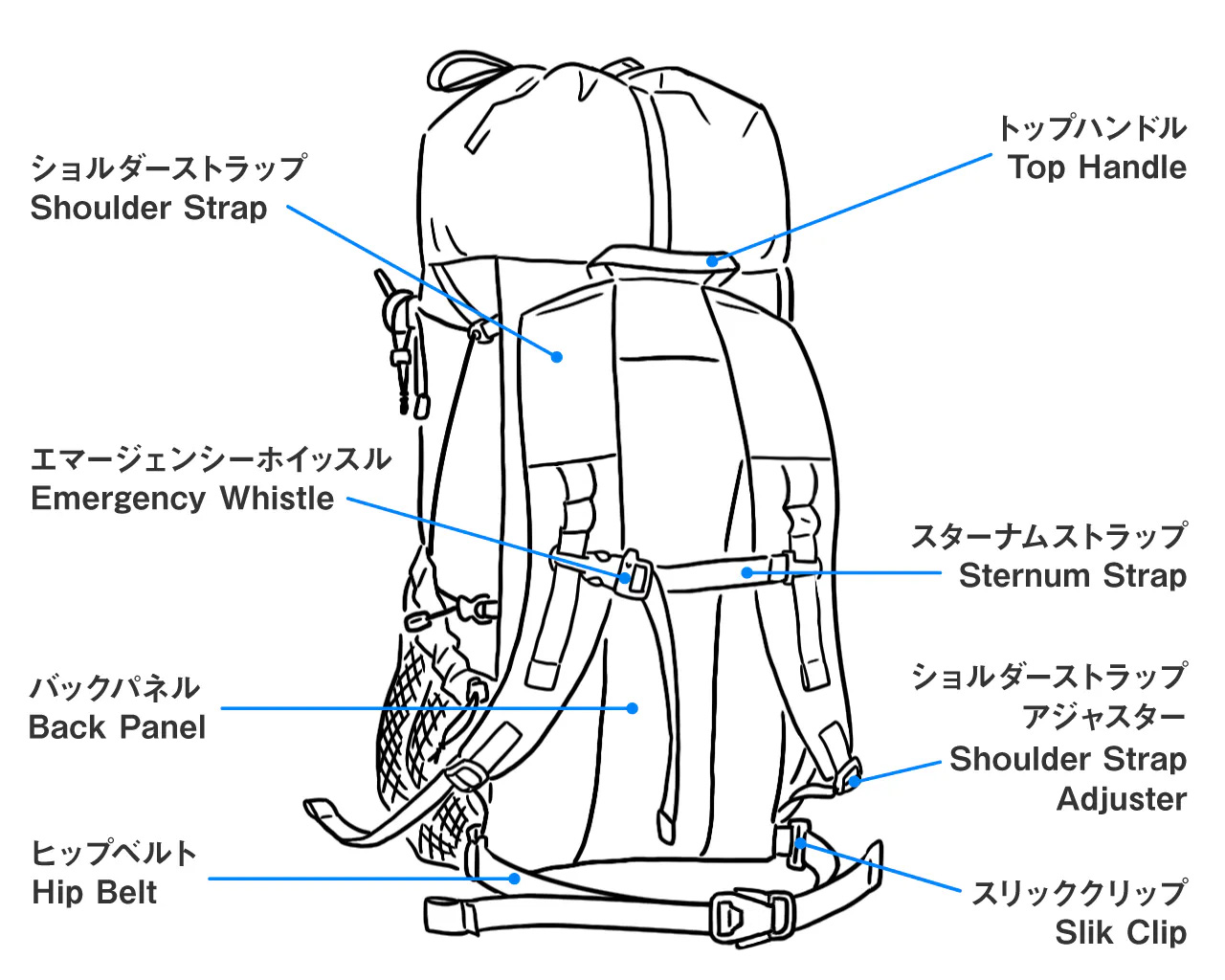
Anatomy of the MINI2
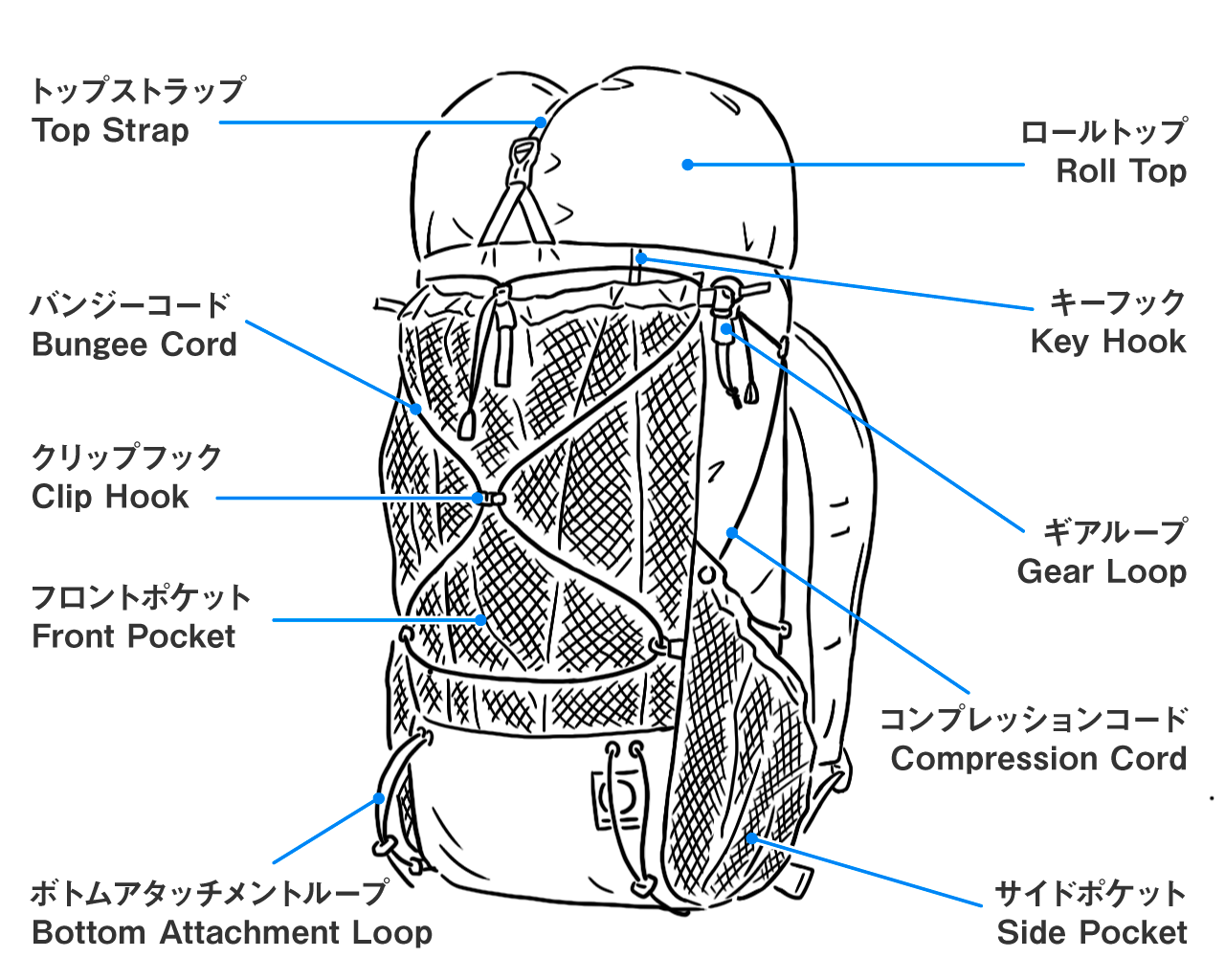
Grab the red loop and use the pull tab to release the roll-top in one motion.
Each side pocket fits up to two 500 ml bottles. Loosen the shoulder strap slightly for easier access.
The front pocket opens wide by pulling the red pull tab, and closes in one motion by tightening the cord.
The front bungee cord can be unclipped in a single action.
The gear loops and bottom attachment loops can hold trekking poles or an ice ax without obstructing the use of the front and side pockets.
A light sleeping pad can be attached to the bottom attachment loops. It can also be fixed vertically where branches are dense for easy walking.
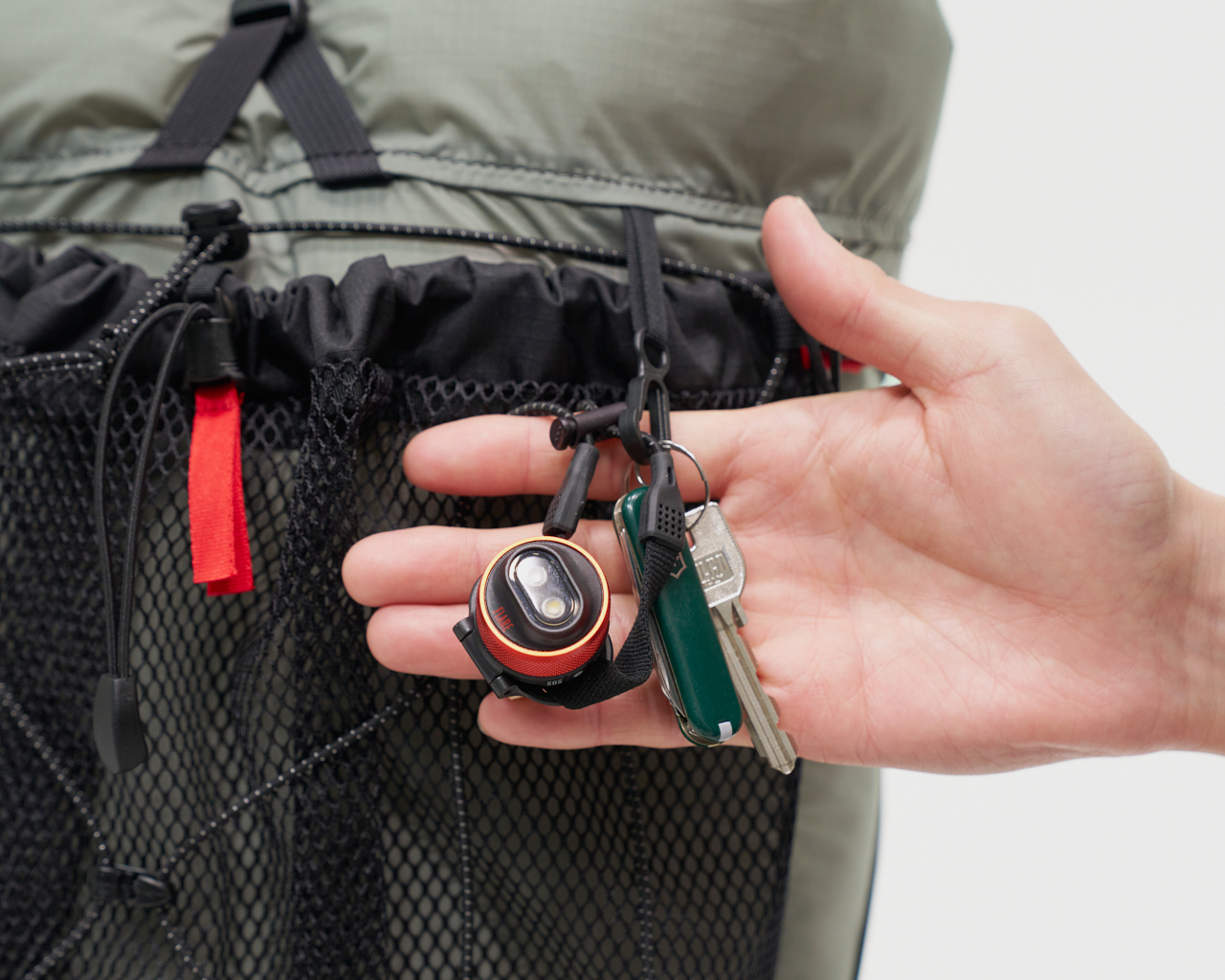
The front pocket includes a key hook for attaching small essentials like a headlamp or multi-tool.
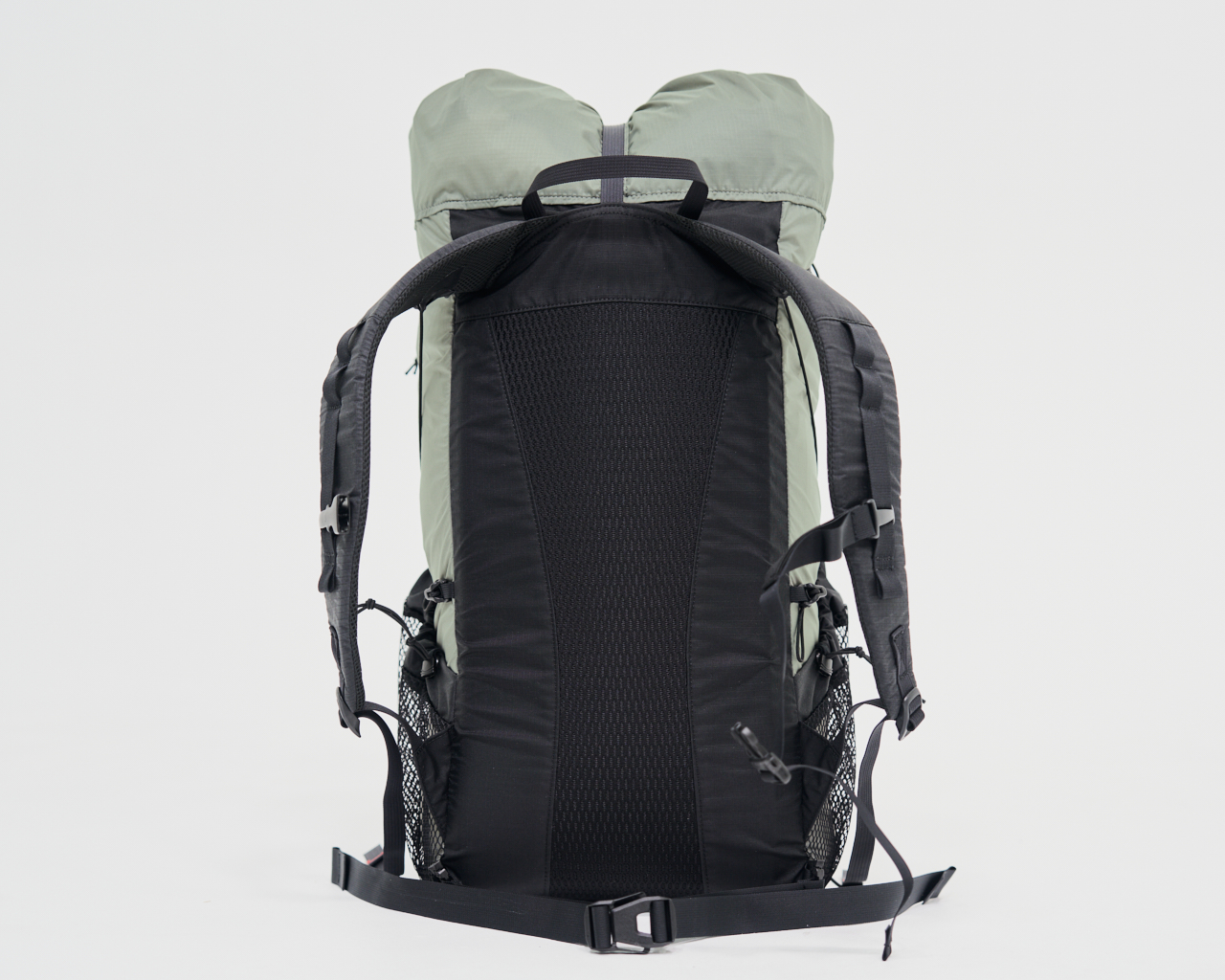
The back panel uses a high-grip mesh that helps the pack stay securely in place against your back.
Tighten the side compression cords to draw the load closer to your back to improve stability.
The sternum strap is designed for one-handed use, so you can fasten the buckle even while holding a pole or bottle.
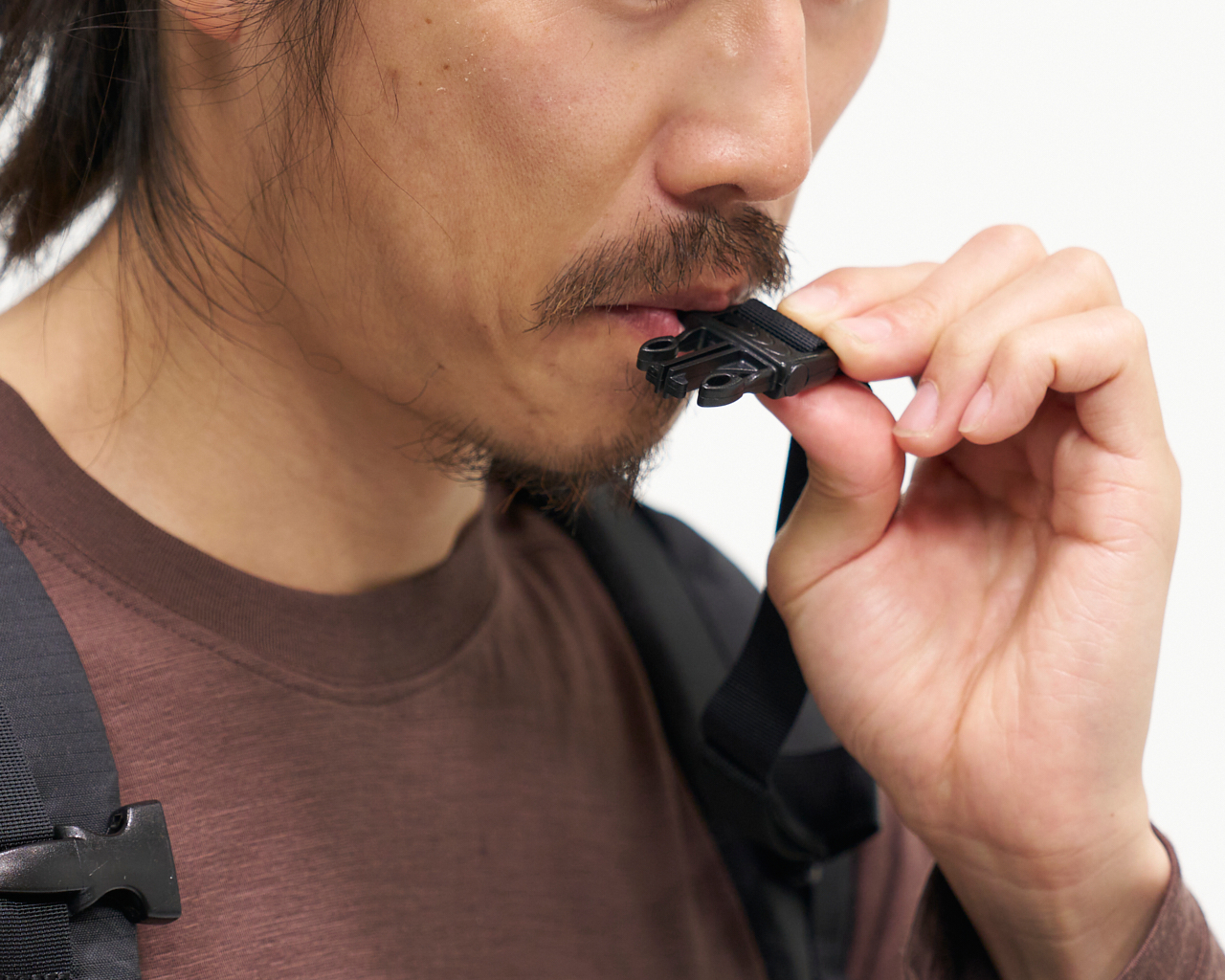
The sternum strap buckle features a built-in emergency whistle for added safety.
Attach the included hip belt when needed to help reduce sway. To remove it, firmly pinch the arch of the slick clip.
Integrated Minimalist Pad
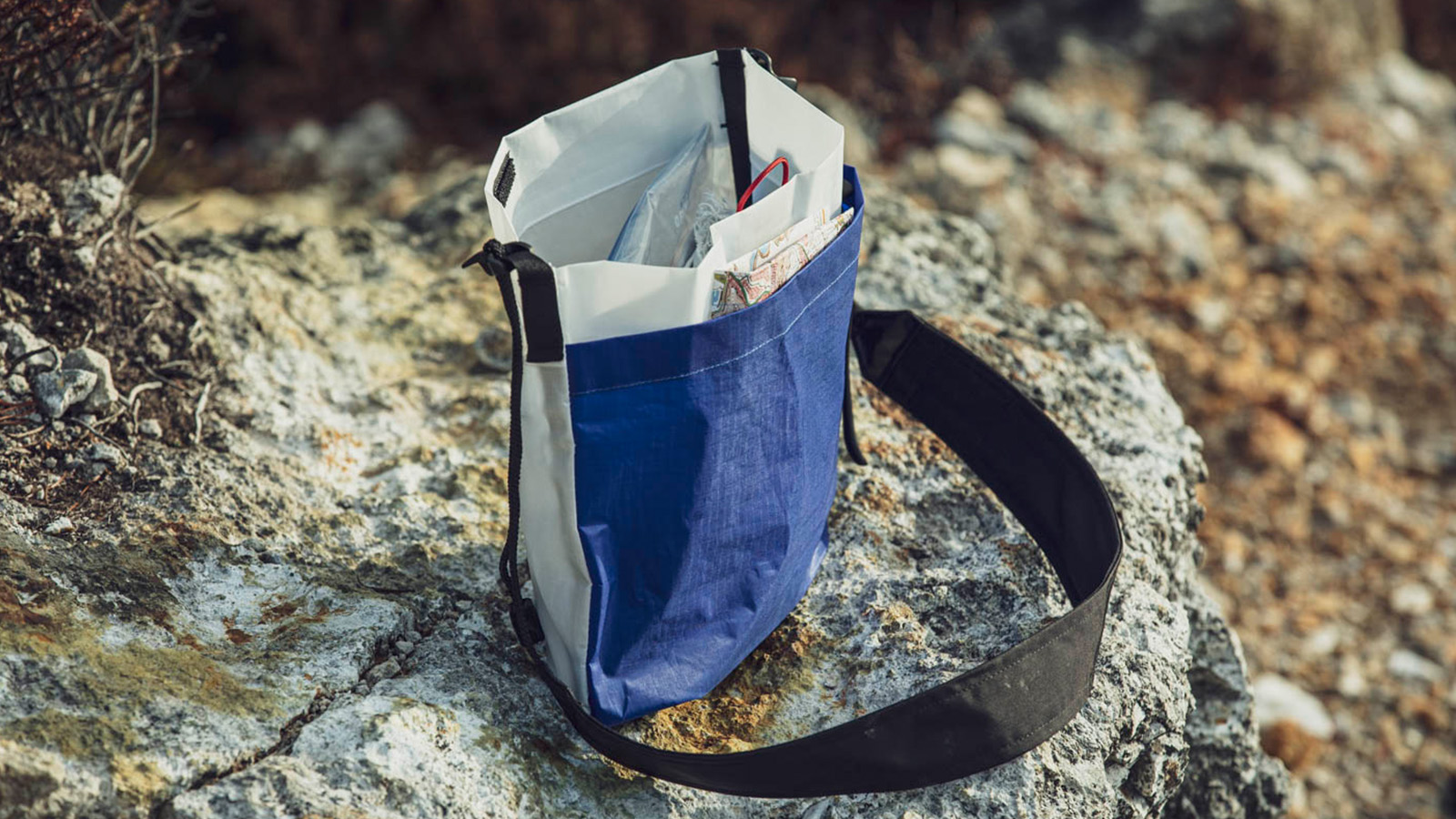
We have included a Minimalist Pad (H45cmxW90cmxD0.5cm/43g) in the back of the MINI. The Minimalist Pad is removable and can be used as a sleeping pad or an emergency pad to keep you warm.
How to wear the MINI2
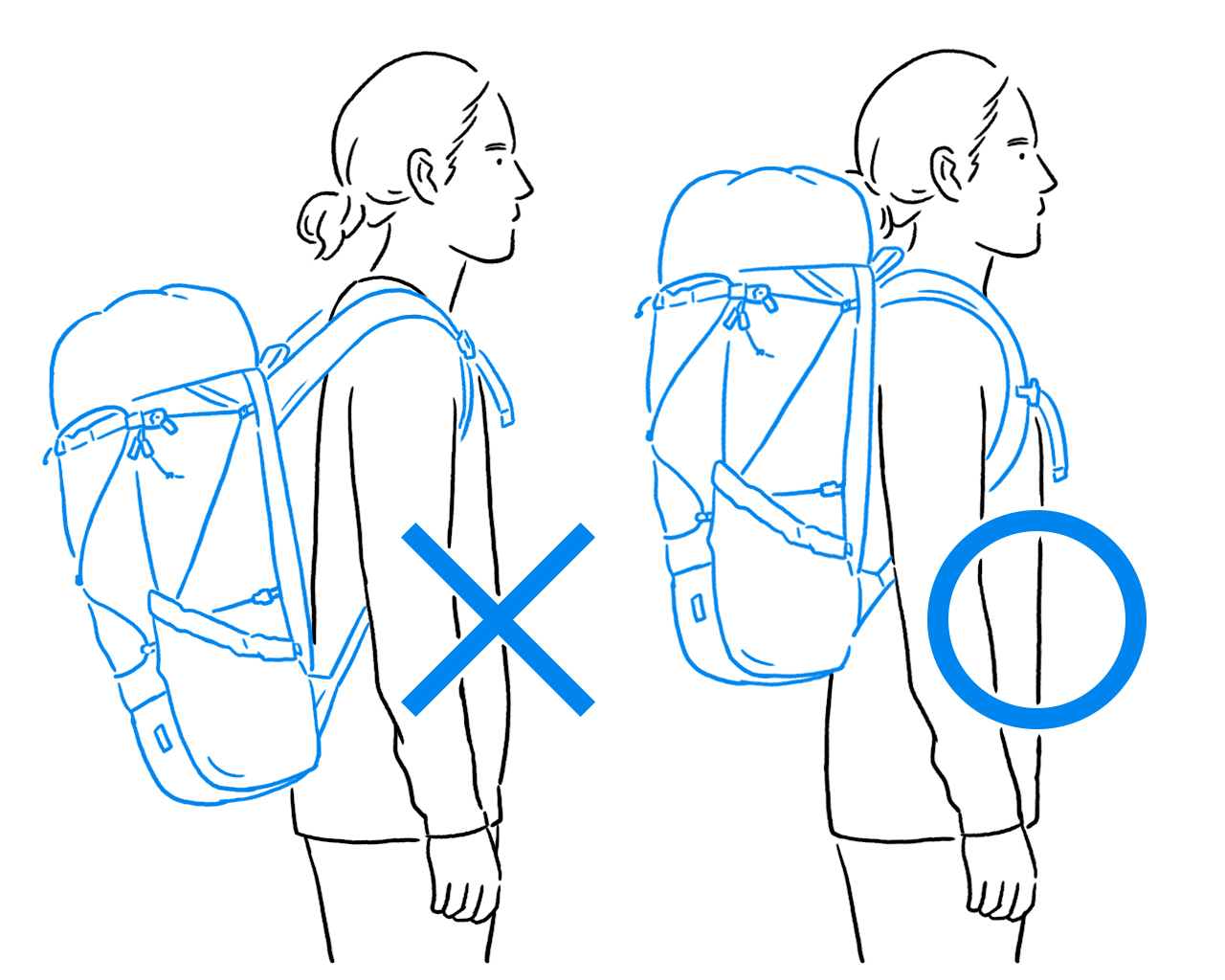
Position the MINI2 as high as possible on your upper back.
For fastpacking or running, an optional hip belt can be attached for added stability. Please note that this hip belt is not designed to transfer weight to the waist, but simply to help reduce pack movement.
Options
We offer a number of options to expand the features and capacity of your MINI2.
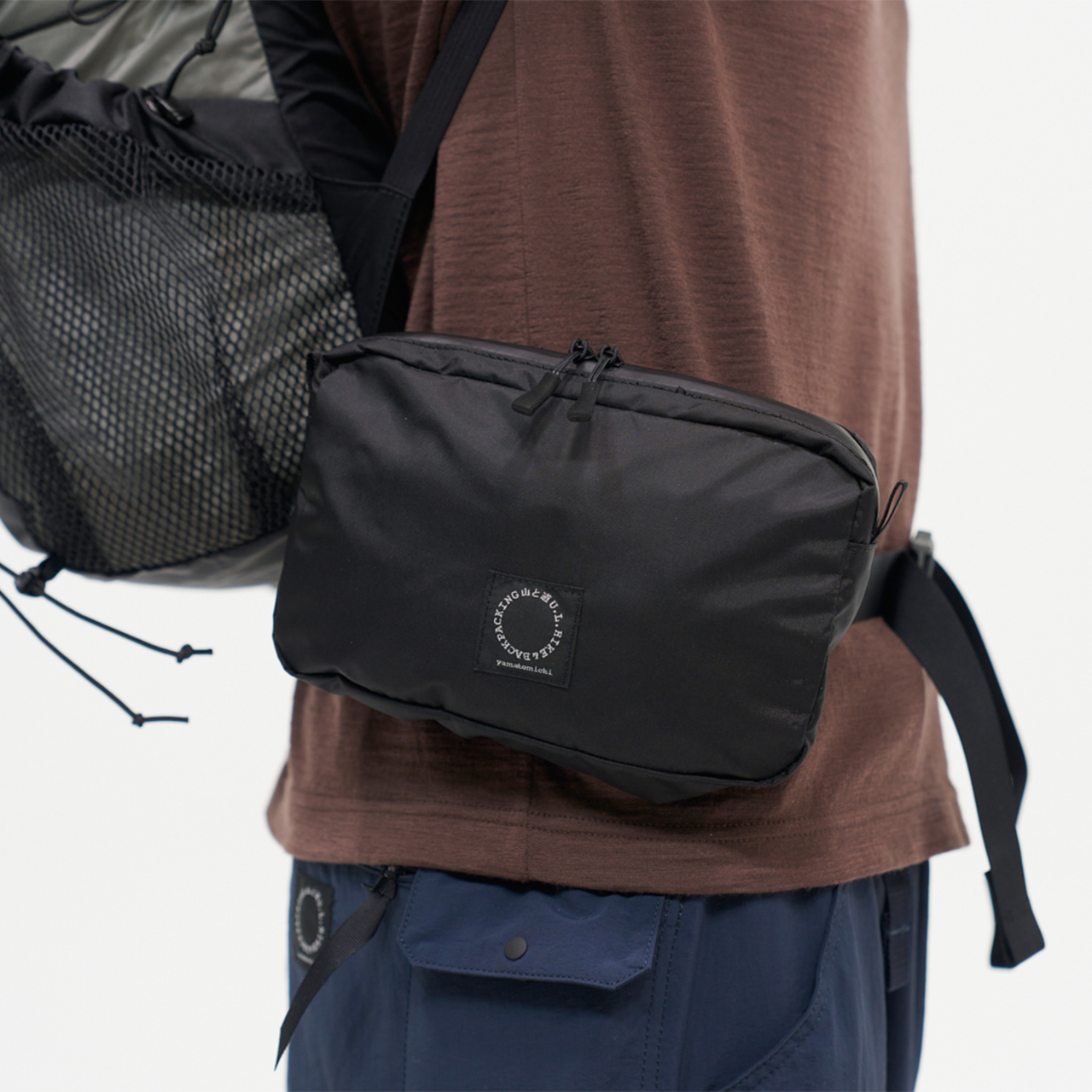
Our Zip Pack can be attached to the removable hip belt. This is convenient for stowing keys, valuables, and other items frequently used during hiking.
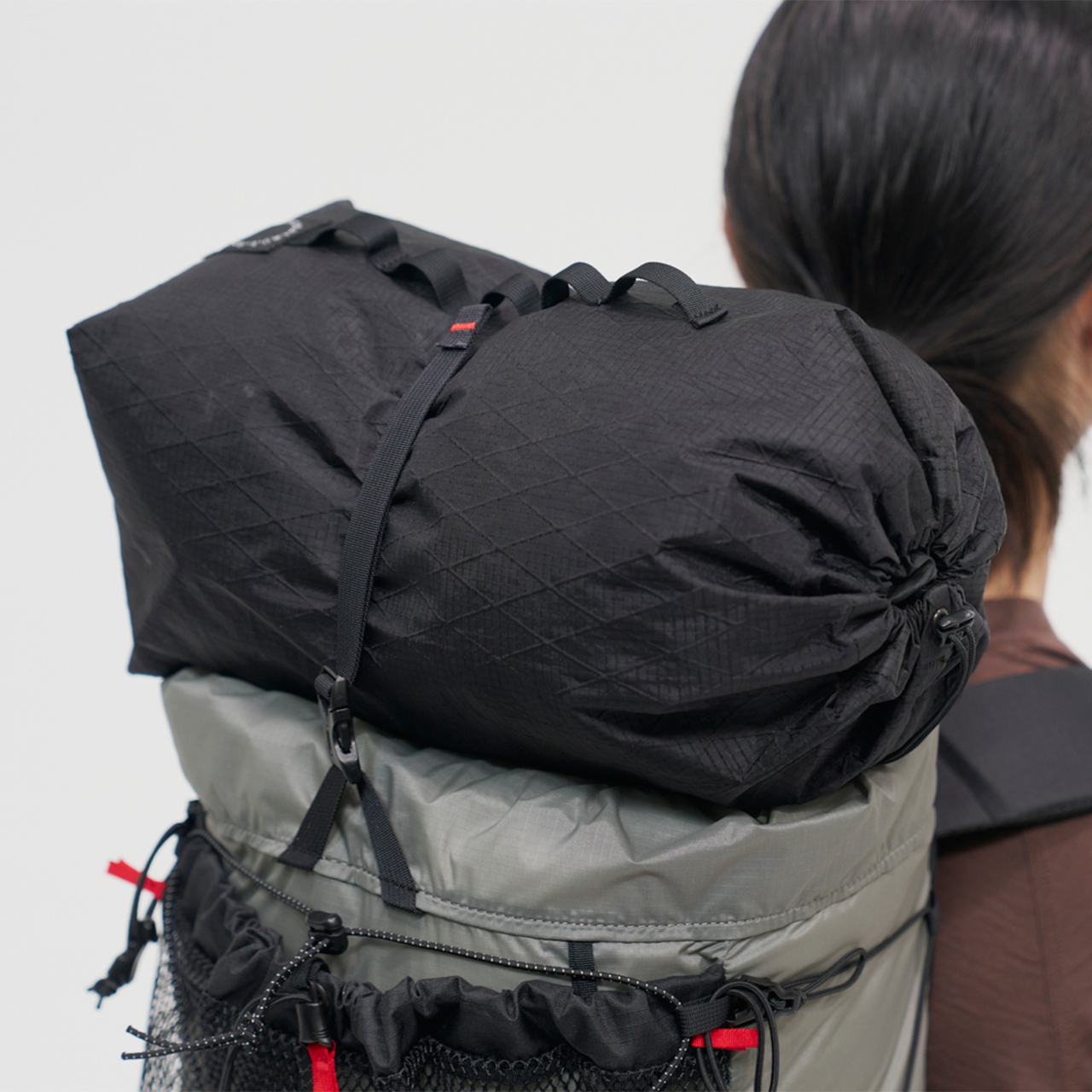
The Stuff Pack XL can be attached to the top strap, adding 9L of extra capacity. It’s ideal for storing items you want to keep separate from the main compartment—such as a wet tent, rainwear, or extra food.
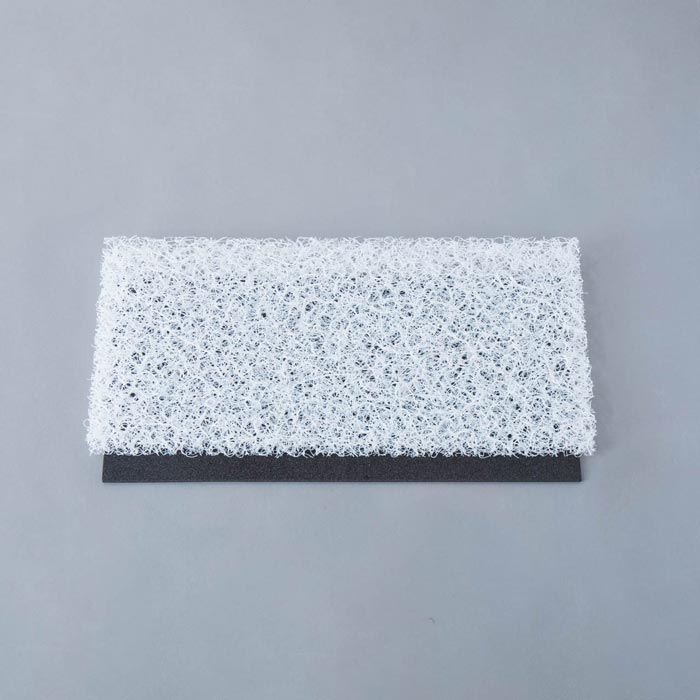
Because the back panel includes the highly insulating Minimalist Pad, it can sometimes feel warm against your back. For better breathability and cushioning, we offer the Breathable Pad for MINI for those concerned about heat.
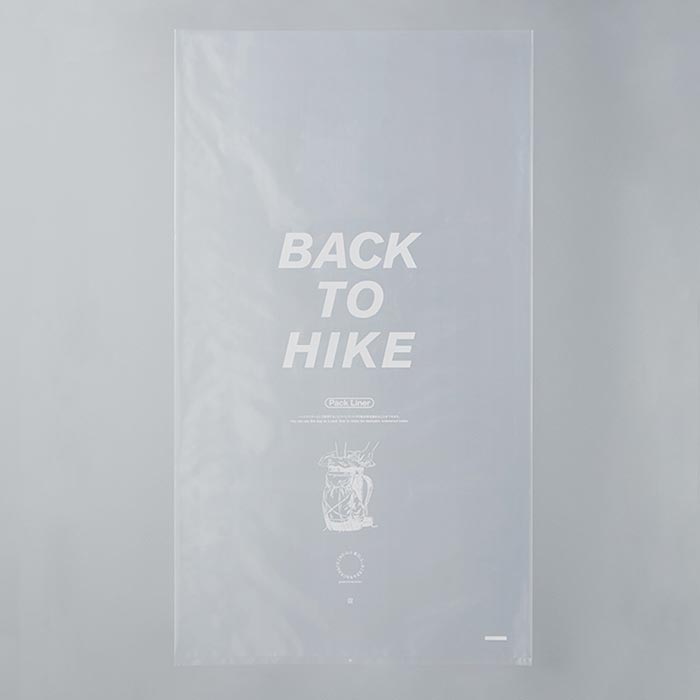
The shipping bag included with your pack is a waterproof pack liner. It is also available for purchase in a set of three.
Packing tips
We’re sharing one example of how Yamatomichi staff pack the MINI2 for a tent-based trip in the snow-free season.
Packing is always personal, and it changes with the season, the destination, and the length of the trip. This isn’t the one right answer—just one approach among many. Use it as a reference, then dial in a system that works for your own style of travel.
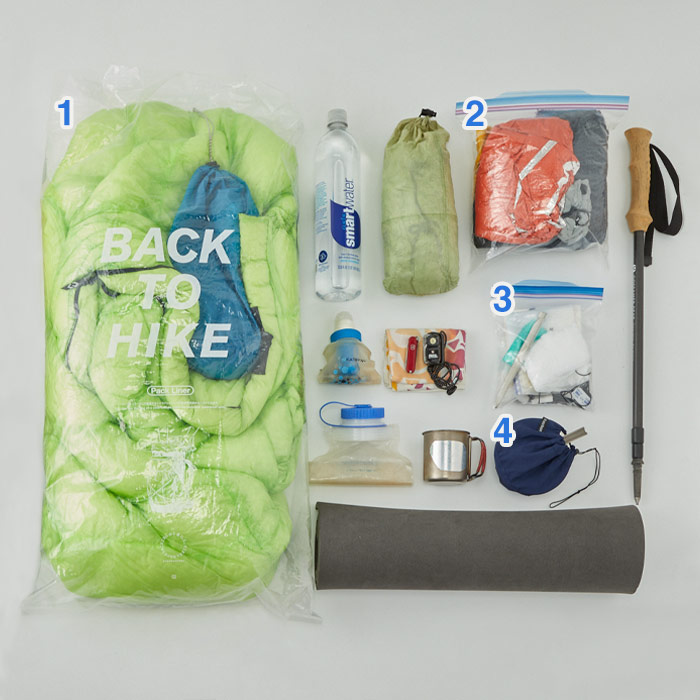
1. Sort your gear by purpose, and pack anything you need to keep dry in Ziplocs.
① Sleeping bag and spare clothes
② On-the-move layers, including rain gear and insulation
③ Emergency kit and toilet items
④ Cookware
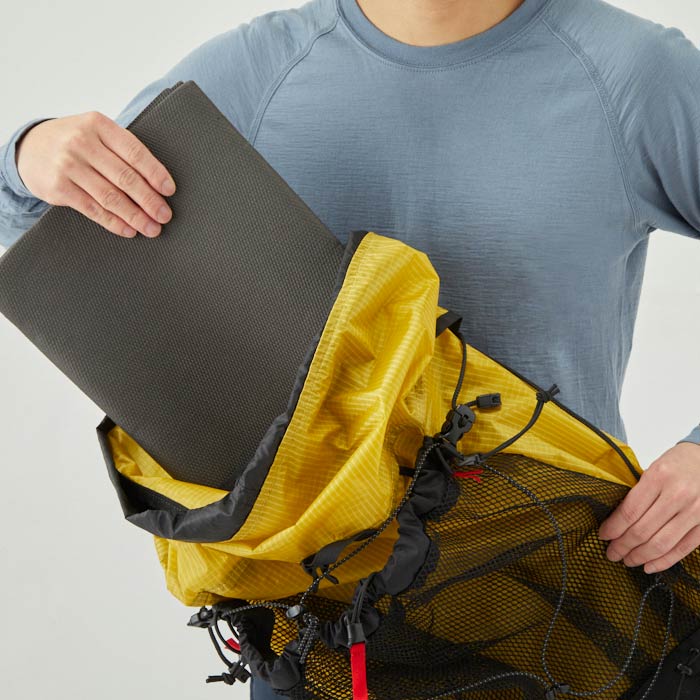
2. Remove the Minimalist Pad from the back panel pocket.
Attach it to the front bungee cord or bottom attachment loops so it’s easy to access and use as a նստ pad during breaks.
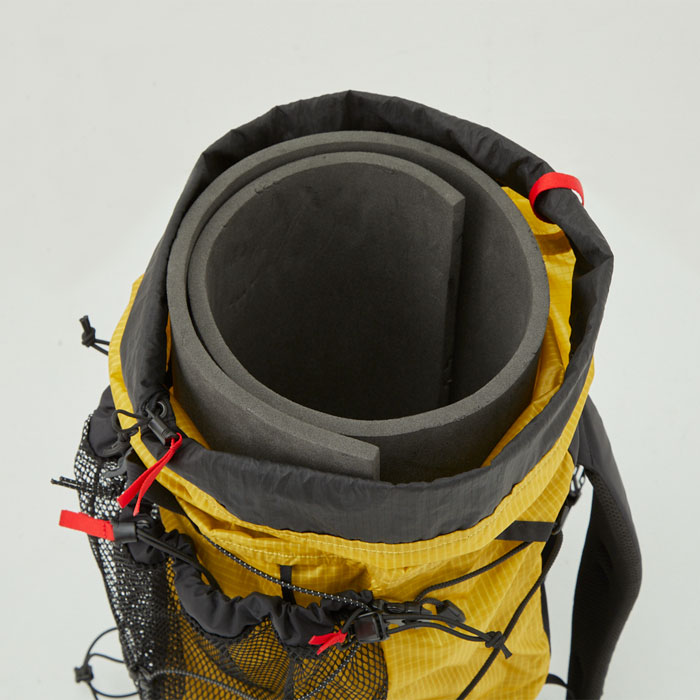
3. Roll your UL Pad inside the pack.
Used as an internal frame, it adds structure and improves carrying comfort.
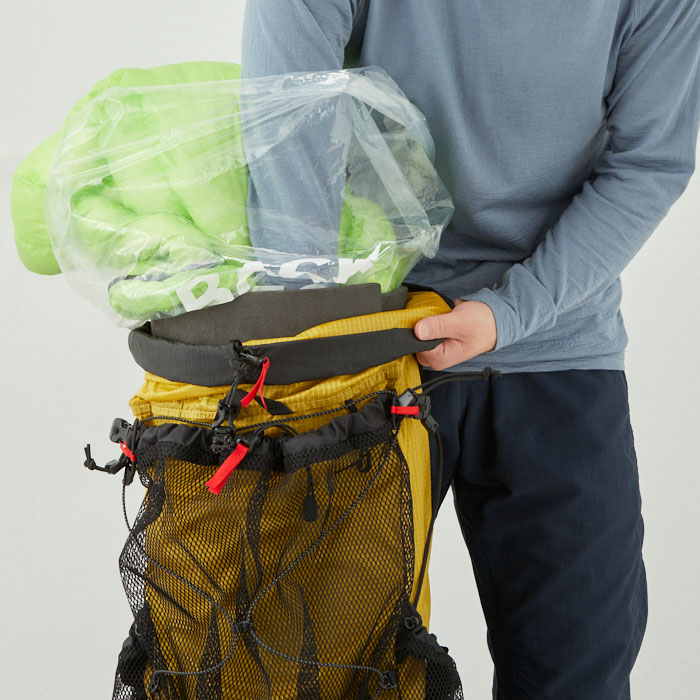
4. Insert a pack liner
Remove your sleeping bag from its stuff sack and pack it loose in the liner.
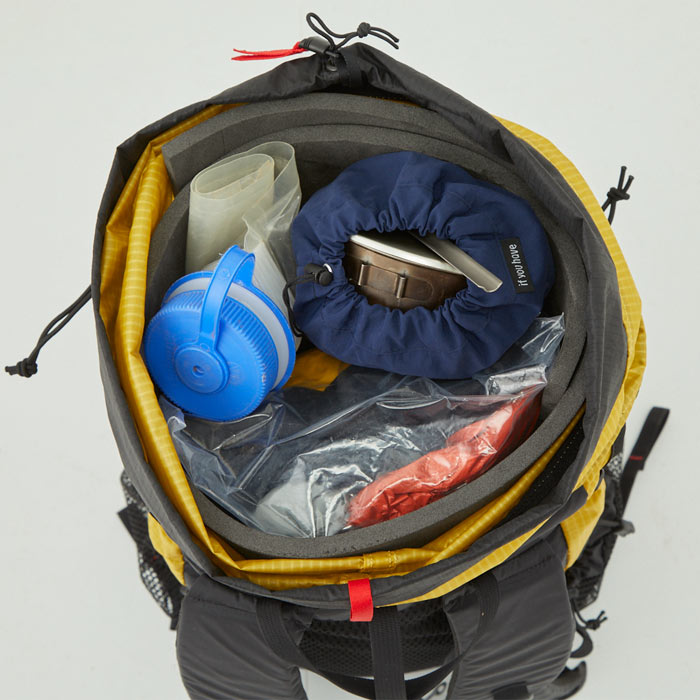
5. Pack quick-access items above the liner.
Keep hard items away from the back panel for a more comfortable carry.
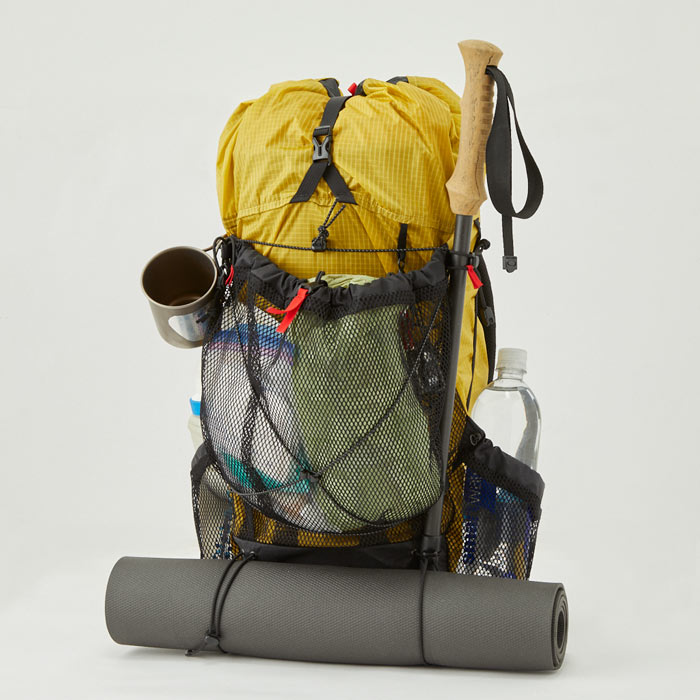
6. Stash your tent, emergency gear, and essentials in the front pocket.
Attach trekking poles or the Minimalist Pad to the gear loops or bottom attachment loops.
1. Sort your gear by purpose, and pack anything you need to keep dry in Ziplocs.
① Sleeping bag and spare clothes
② On-the-move layers, including rain gear and insulation
③ Emergency kit and toilet items
④ Cookware
2. Remove the Minimalist Pad from the back panel pocket.
Attach it to the front bungee cord or bottom attachment loops so it’s easy to access and use as a նստ pad during breaks.
3. Roll your UL Pad inside the pack.
Used as an internal frame, it adds structure and improves carrying comfort.
4. Insert a pack liner
Remove your sleeping bag from its stuff sack and pack it loose in the liner.
5. Pack quick-access items above the liner.
Keep hard items away from the back panel for a more comfortable carry.
6. Stash your tent, emergency gear, and essentials in the front pocket.
Attach trekking poles or the Minimalist Pad to the gear loops or bottom attachment loops.
*We recommend packing your sleeping bag loose, without its stuff sack, for the following reasons:
- It helps maintain the bag’s loft.
- Its softness improves comfort around the hips.
- It fills space more efficiently, reducing gaps and helping keep the load stable.
- As it expands to fill gaps inside the pack, it helps stabilize the load.
- With lighter gear at the bottom and heavier gear above, the load rides higher on the shoulders for better stability.
Material
Known for their ultralight, high-performance fabrics in technical outerwear, we’ve once again teamed up with Pertex—this time to develop their first-ever backpack-specific materials.
Pertex®︎07RS-PC
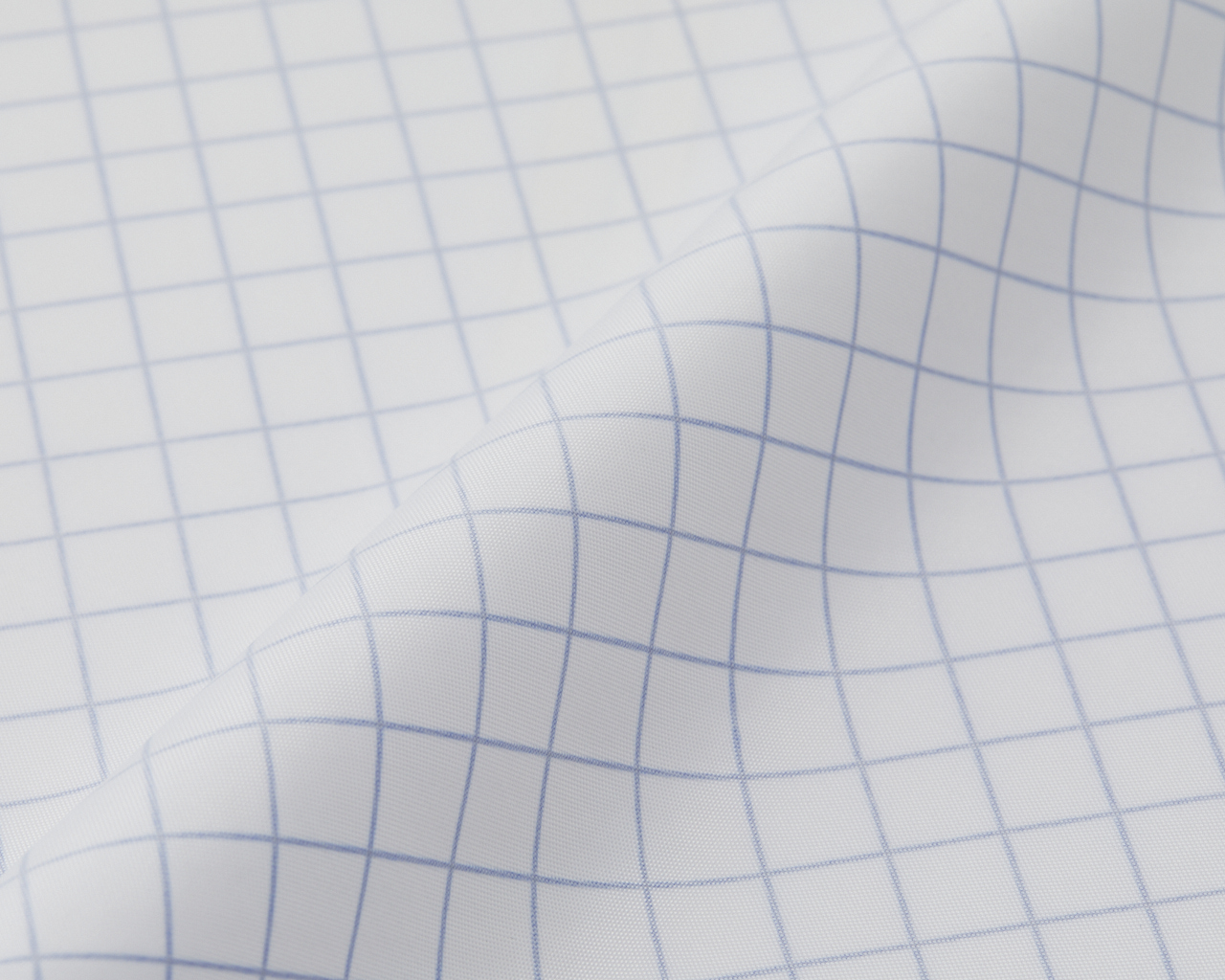
A carefully engineered weave structure, combined with the natural flexibility of the fabric to disperse impact, achieves both the lightweight performance required for backpacks and strength that surpasses conventional nylon materials. Paired with a hydrolysis-resistant polycarbonate coating, it offers exceptional long-term durability.
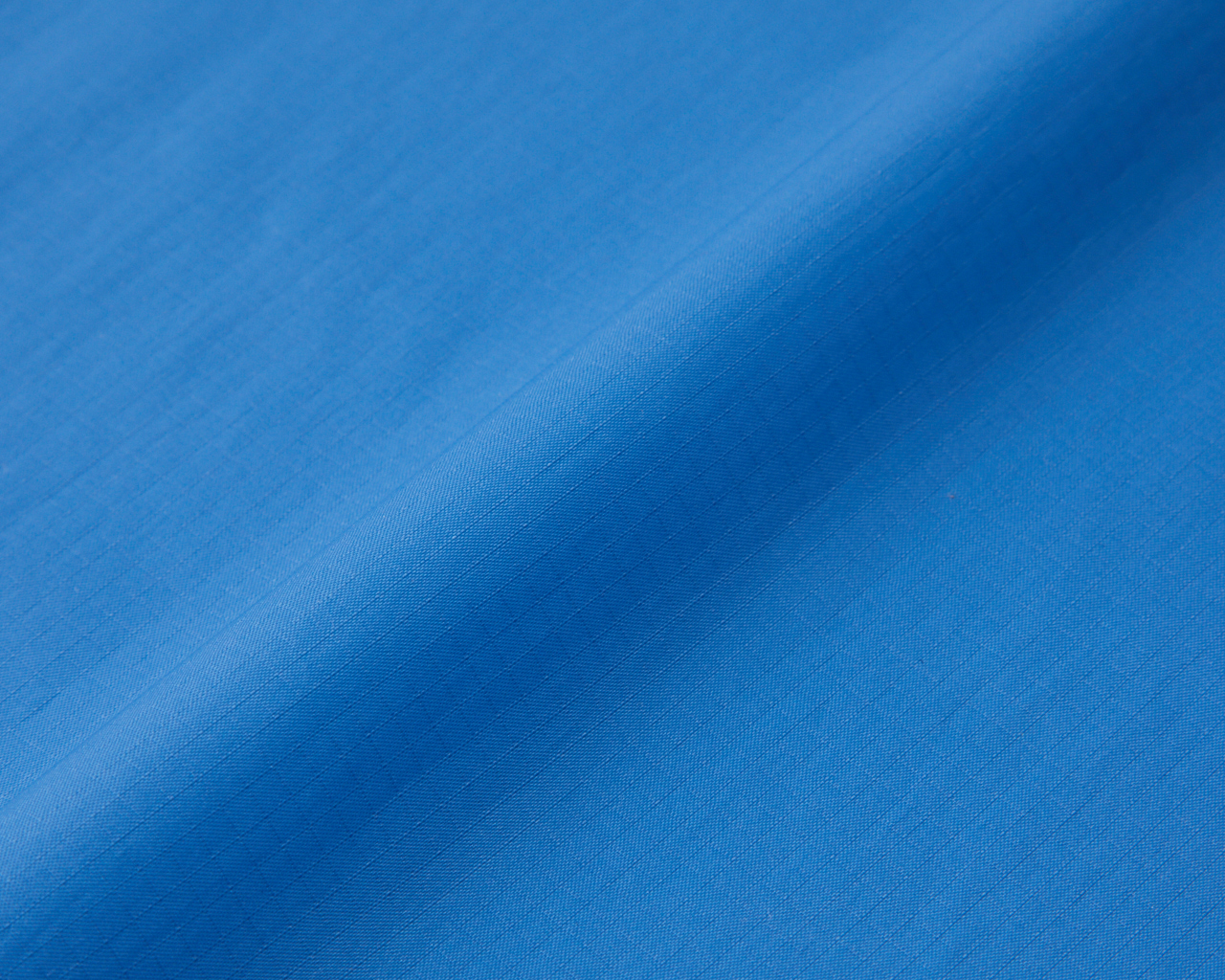
Backpack material comparison
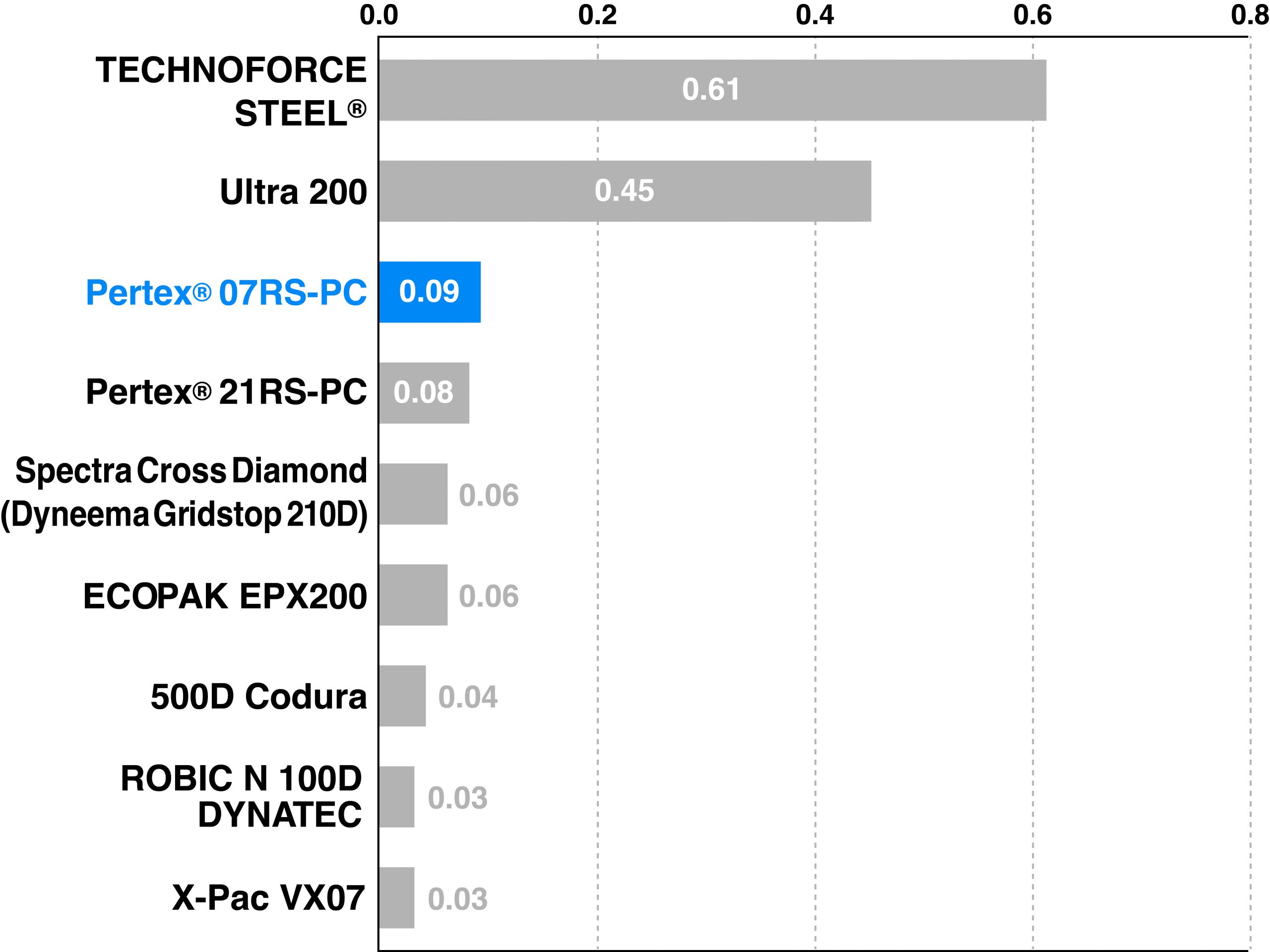
Combining strength and lightness is no easy feat. By leveraging the unique properties of nylon 6, we set out to create a fabric that surpasses the strength of conventional backpack-grade nylon—without compromising on weight.
A precisely engineered weave and advanced coating technology give the fabric both flexibility and resilience, allowing it to absorb impact while maintaining long-term durability in the field.
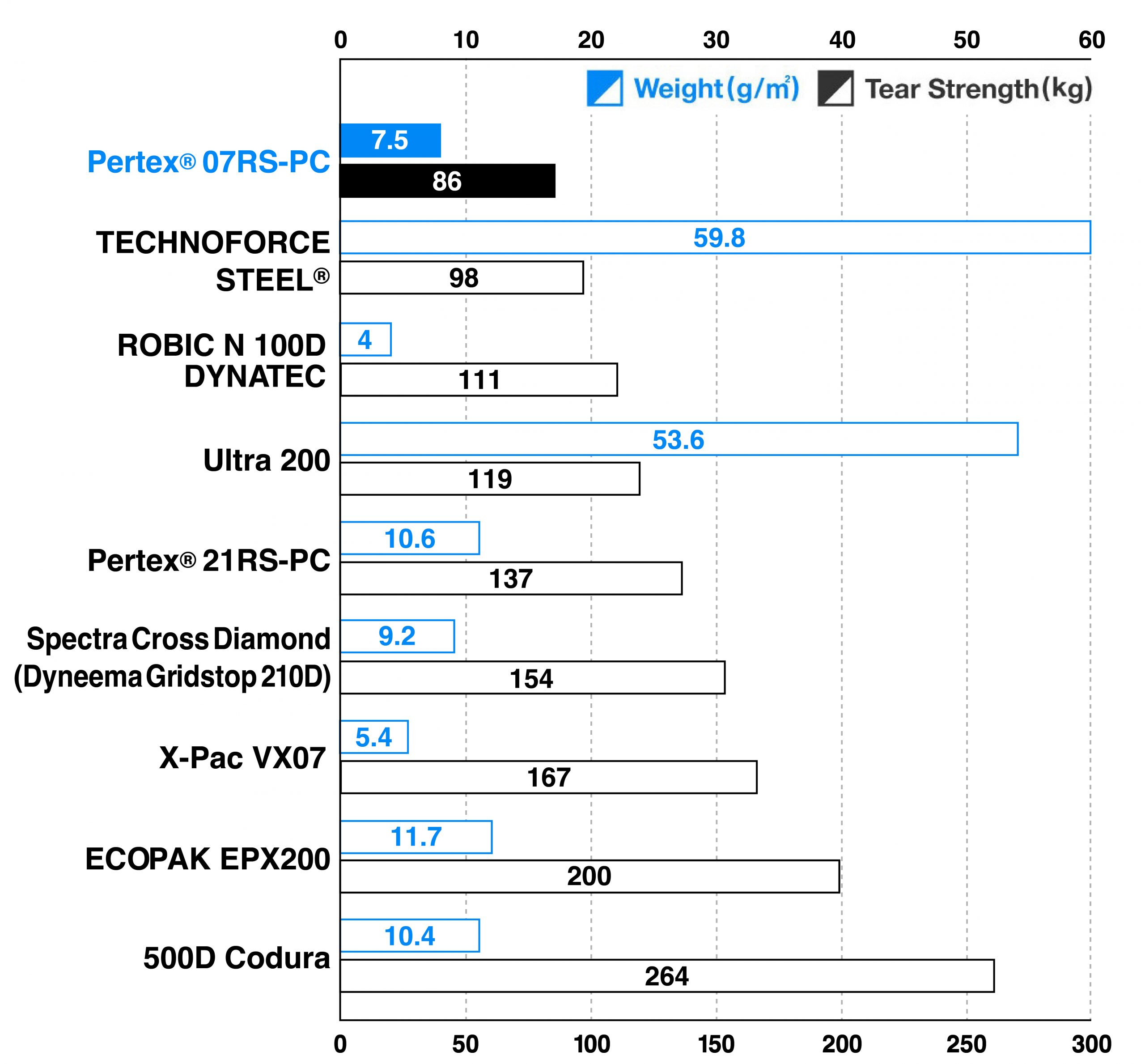
Fabric Strength Relative to Weight (kg per g/㎡)
To highlight the relationship between weight and durability, the materials are ordered by tear strength per gram of fabric.
Why Nylon 6—and Its Unique Performance
Pertex has worked primarily with nylon 6 since its founding, building a deep understanding of the material’s characteristics. While they do use nylon 66 when the application demands it, their fabric development is always based on selecting the right material for the intended function.
Nylon 66 is typically known for its high strength and abrasion resistance, but it tends to be stiff and more prone to tearing under stress. Nylon 6, by contrast, is more flexible, stretching slightly under load to disperse impact. In this project, we leveraged the natural suppleness of nylon 6 to create a fabric that is both lightweight and highly durable.
A balanced weave structure for better durability
To make the most of nylon 6’s natural flexibility, we paid close attention to the weave structure. A tighter weave can increase strength, but it can also make the fabric too rigid and more prone to tearing when force is concentrated in one spot. So instead, we chose a slightly more open weave that allows the fabric to better absorb and disperse impact.
We also used the same denier of nylon 6 yarn in both the vertical and horizontal directions, giving the fabric balanced strength across the entire surface. This helps spread force evenly and prevents stress from concentrating in a single area.
A coating designed to last
Most nylon backpack fabrics use polyurethane (PU) coatings to improve water resistance and durability. But PU is prone to breaking down over time, especially with exposure to moisture and sunlight, often resulting in peeling or stickiness.
To overcome this, we used a polycarbonate coating—a tougher, longer-lasting option also found in car interiors, architectural panels, and industrial protective gear. It’s far more resistant to UV and humidity, making it a great fit for long-term outdoor use. That said, polycarbonate is more difficult to work with and more expensive than PU, which is why it’s still rarely used in textiles.
ECOPAK EPX200
The ECOPAK EPX200 is a multi-layered material consisting of 200 denier polyester and diamond-patterned blue polyester cross ply, combined with 70 denier ripstop on the back. It is made from 100% recycled polyester, offering excellent strength and waterproofing properties.
Size guide
| Size | M | L |
|---|---|---|
| Weight (kg) | 42~69 | 67~85 |
| Chest (cm) | 78~95 | 92~110 |
| Height (cm) | 150~175 | 170~190 |
| Back Length (cm) | 45~54 | 54~57 |
We offer two sizes of the MINI2. In general, we recommend the larger L size if you are over 175cm tall, but as all people are different we recommend you try out the two different sizes before you buy if at all possible.
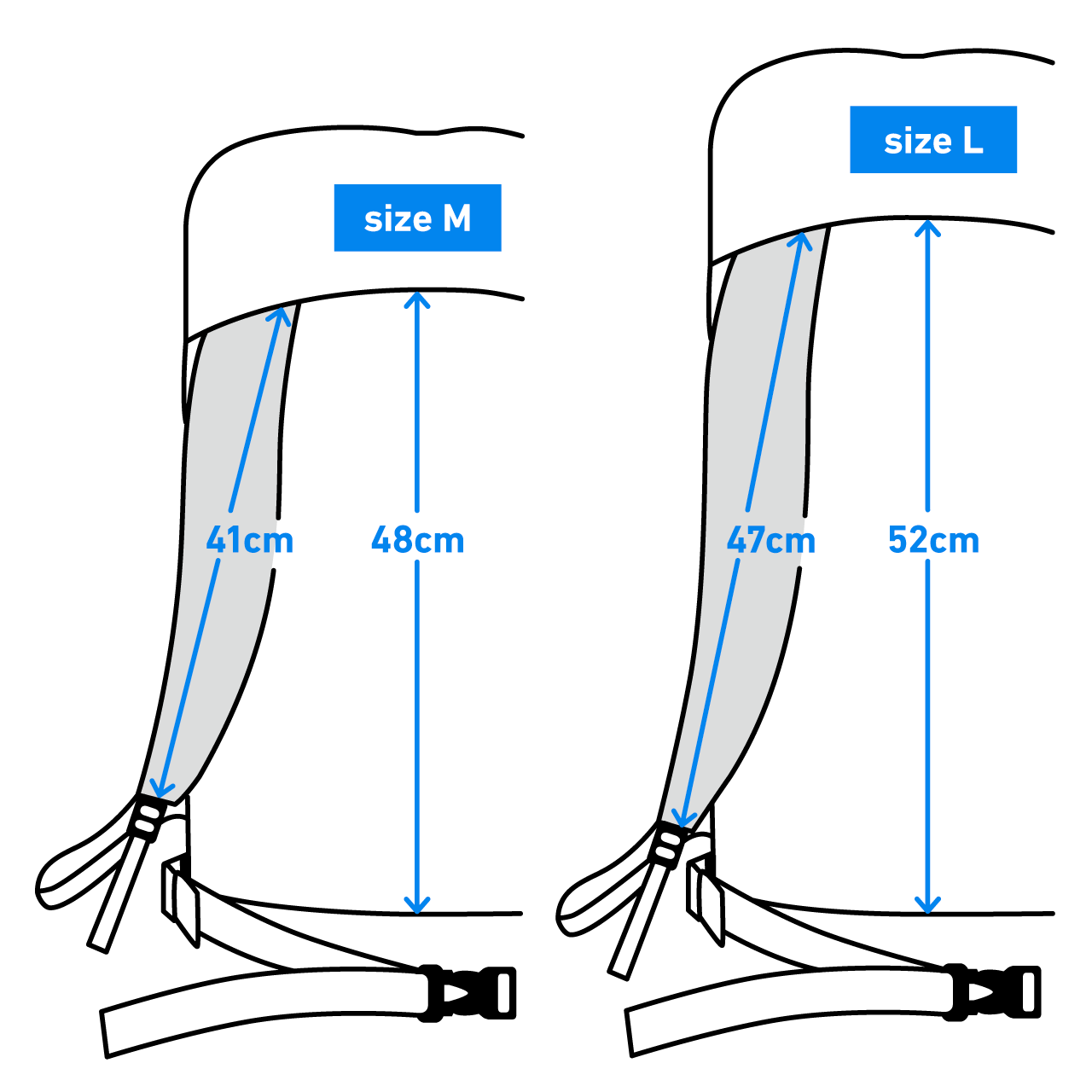
- Shoulder strap length is measured in a straight line from the base to the end of the internal frame.
- Back length is measured using our own method. For details, please refer to How to Measure Back Length on the ONE product page.
Notes before use
Fabric water resistance
While the fabric used is highly water-resistant, the backpack is not waterproof. We recommend using a waterproof pack liner or a rain cover.
DEET
Insect repellents containing DEET can degrade the coating of the fabric components, so please do not let them come into contact with this product.
How to use the roll-top
When opening or closing the roll-top, always grip the red loop and use the pull tab. Pulling directly on the fabric or may cause the eyelets to come loose. If an eyelet does come loose, please contact us through the repair request form.
Instructions
Care instructions
- Hand-wash only. Do not machine wash.
- Submerge the product in lukewarm water with a correct amount of neutral detergent, and hand-wash it.
- Do not bleach. Do not use fabric softener.
- Remove any optional parts such as pads before washing.
- Wash off any noticeable stains or smudges with a washing brush or soft sponge.
- Rinse well so that no detergent remains.
- Drain the backpack with the mouth down. Keep dry in a shade.
- Store in a dark, well-ventilated place.
- Do not iron.
- Hand-wash the pad gently, rinse well and keep dry in a shade.
Care page
For detailed tips on how to wash, store, and take care of your gear, visit our Care page.
How to wash our backpacks
Payment
- We only accept payment by credit card for orders from overseas.
- Bank transfer is available only to customers with a Japanese bank account.
- We accept the following credit cards: Visa, Mastercard, American Express, and JCB.
- To download your receipt, please click the link included in the dispatch notice email, which will be sent once your order has been shipped.
Delivery
- You will receive an order confirmation email after completing your purchase.
- Orders paid by 15:00 JST on weekdays or 13:30 JST on weekends and Japanese public holidays will be shipped the same day. Orders paid after these times will be shipped the following day.
- Shipping and delivery may be delayed due to holiday periods, natural disasters, severe weather, high order volumes, additional order verification, or other logistical issues.
- You will receive a shipping confirmation email once your order has been shipped.
- Orders placed separately cannot be combined for shipping.
Shipping Within Japan
Orders within Japan are shipped via Yamato Transport.
Shipping: ¥500 throughout Japan (excluding Okinawa) / ¥950 to Okinawa
International Shipping
- Orders to North America, Oceania, and Europe are shipped via DHL. Orders to Asia, the Middle East, Central and South America, and Africa are shipped via EMS (Express Mail Service). We are currently unable to ship to Russia due to Japanese postal restrictions.
- Shipping fees and delivery times vary depending on the destination and the size and weight of your order. To check the exact shipping fee, add your desired items to your cart and enter your shipping address.
Size exchange
Choosing the right size online can be difficult. To make your purchase easier, Yamatomichi offers a size exchange program for eligible items. To request a size exchange, please use our size exchange form here. Please review the conditions below before submitting your request.
- We only accept exchanges when the item is unused (except for fitting).
- If you would like to exchange your item for a different size, please contact us within seven days of receiving your order.
- Exchanges are available only for the same color in a different size.
- If your preferred size is out of stock, we may suggest a different color instead.
- If the product is no longer available, we may need to return the original item to you.
- All shipping costs are the responsibility of the customer.
- We will send the exchanged item after receiving payment for the return shipping cost via PayPal.
- Please note that some countries may charge customs duties depending on the value of the item.
- We are unable to advise on local customs regulations. Please contact your local customs office directly.
Repair
We accept repairs for all of our Yamatomichi products. For inquiries on repair services including patching the holes, repairing with extra components, or fixing the items damaged over time, please feel free to contact us from the “Repair” section of the SUPPORT page.
Repair Tape
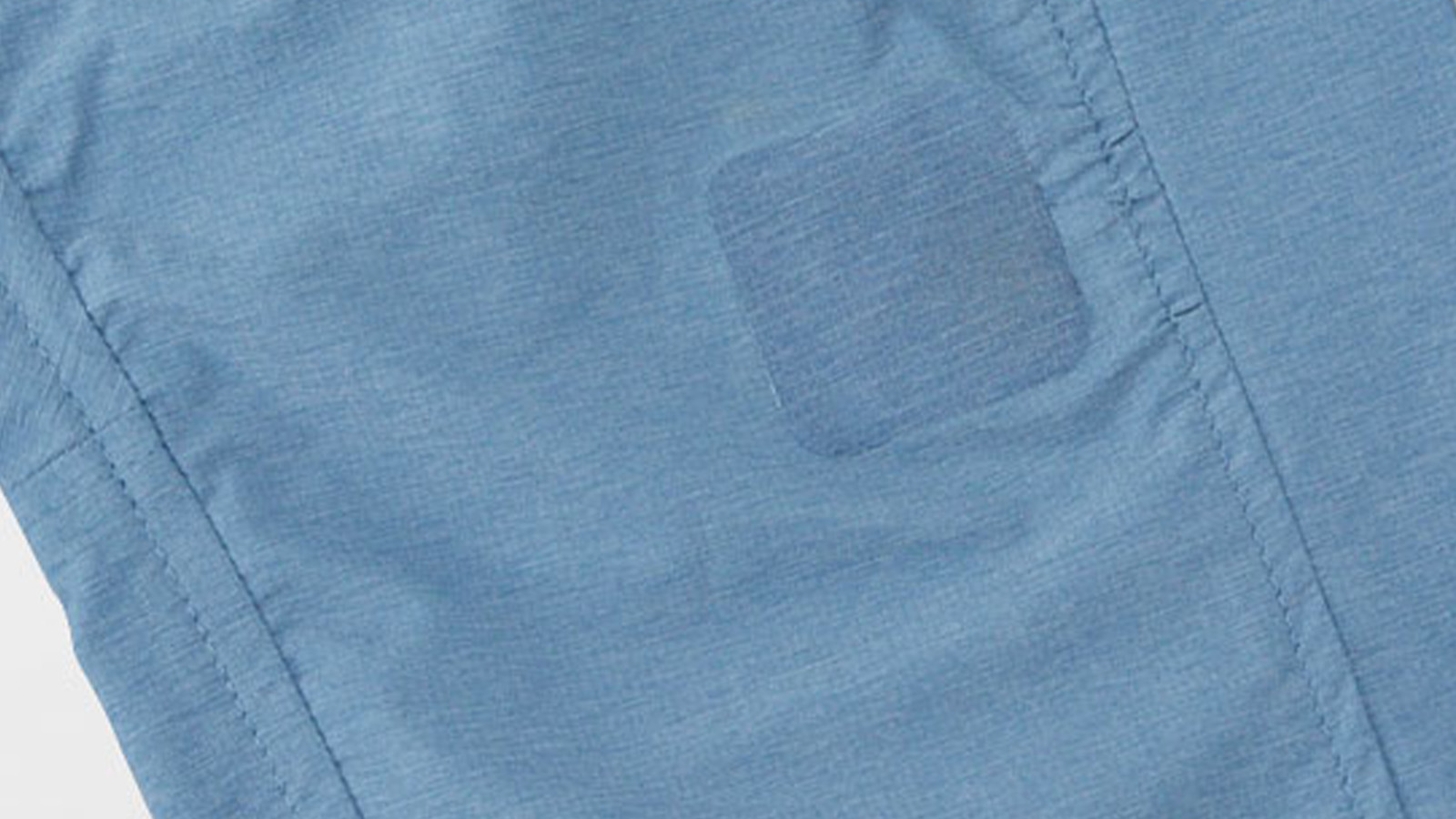
- For temporary repair, please keep the repair tape in your emergency kit.
- The repair tape should be patched up on both the front and back sides of the fabric. The tape must be larger than the damaged or torn part of the fabric.
- If you round the edges of the patch, it will last longer.
Replacement parts
No worries if you lose or damage any included belts or straps—we also offer replacement parts for sale.
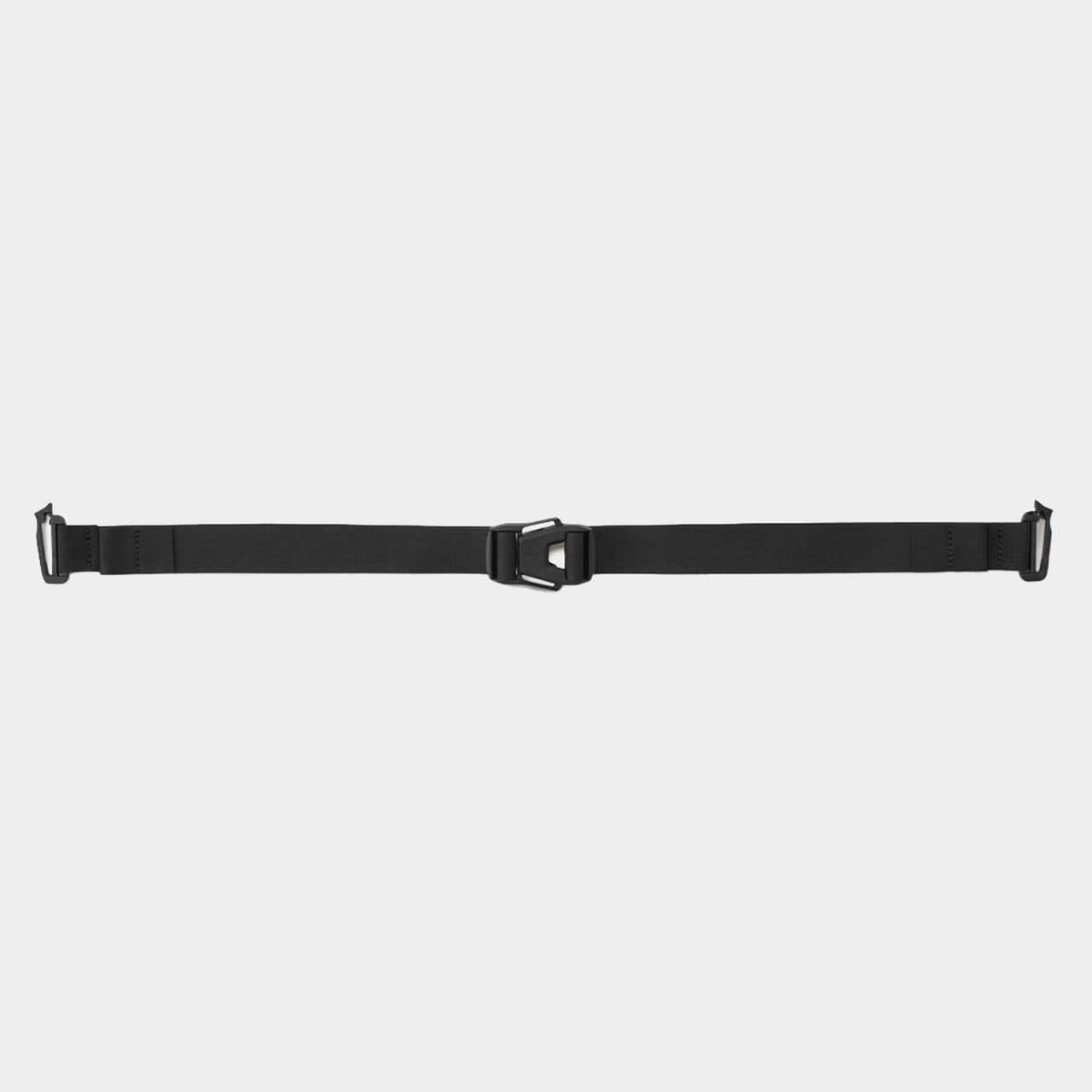 Hip Belt for MINITW$ NaN31gRESTOCK ALERT
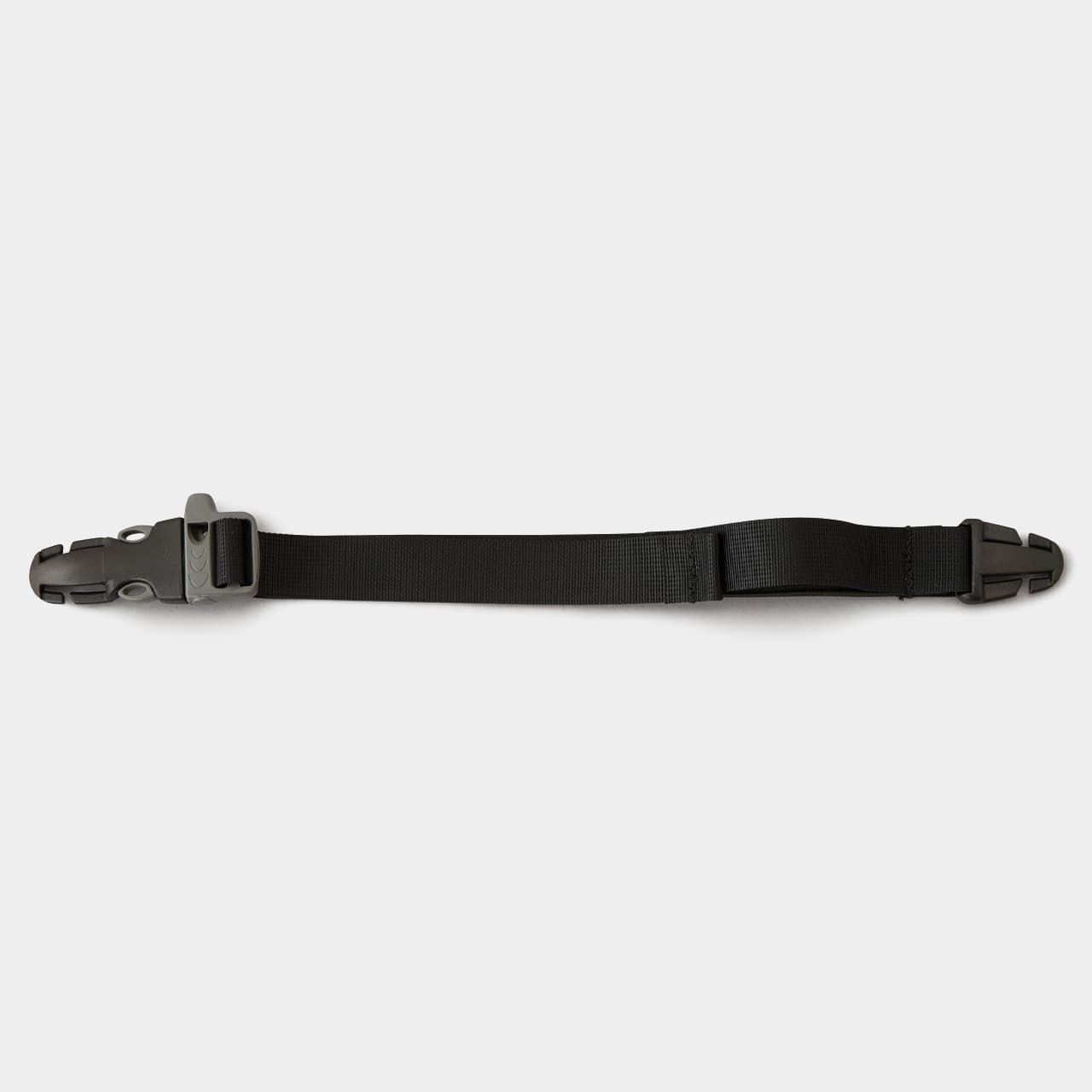 Sternum StrapTW$ NaN21gRESTOCK ALERT