






65g (Size S)
68g (Size M)
71g (Size L)
75g (Size XL)
- Introduction
- Ultralight, breathable wind protection
- A new experience
- Immerse yourself in the hike
- Category
- UL Shirt vs. Wind Zip Hoody
- Product story
- A step further into the wind
- Form and function
- Three fabrics, each where it works best
- Details
- Material
- Coatings and air permeability
- The ultralight mindset
- What is ultralight hiking?
- Size guide
- Instructions
- Care instructions
- Repair
Introduction
Ultralight, breathable wind protection
Wind protection without trapping heat and moisture. The Wind Zip Hoody combines three fabrics, with nearly windproof fabric across the front and highly breathable panels along the back and sides to release excess heat as you move.
This balance of protection and breathability helps regulate your temperature through changing conditions, reducing the need to stop and adjust layers. At just 65g (Size S), it’s light enough to bring on every hike—and comfortable enough to keep wearing.
A new experience
Immerse yourself in the hike
What if you could forget about your layers, sink into nature, find your rhythm, and simply keep walking?
Traditional wind shells need to be taken on and off—or zipped up and down—as conditions change, interrupting your flow each time.
The Wind Zip Hoody stays breathable while you move, so there’s no need to keep adjusting your layers. It’s light, unrestrictive, and easy to forget you’re even wearing. All that remains is the trail ahead.
Dappled sunlight, ridgelines, the scent of the wind, your breathing and footsteps. You become absorbed in your surroundings and settle back into your stride. That simple freedom to focus entirely on the hike is the comfort the Wind Zip Hoody was designed to create.

Category
UL Shirt vs. Wind Zip Hoody
Most wind shells offer strong wind protection but little breathability, leaving you no choice but to take them off when heat builds up. The UL Shirt struck a careful balance between wind protection and breathability, making it comfortable enough to keep wearing. However, its breathable fabric and hoodless design offered limited protection in strong winds.
The Wind Zip Hoody builds on the balance of the UL Shirt, adding more wind-resistant fabric where the wind hits hardest and a protective hood, so you can keep moving even in strong winds.
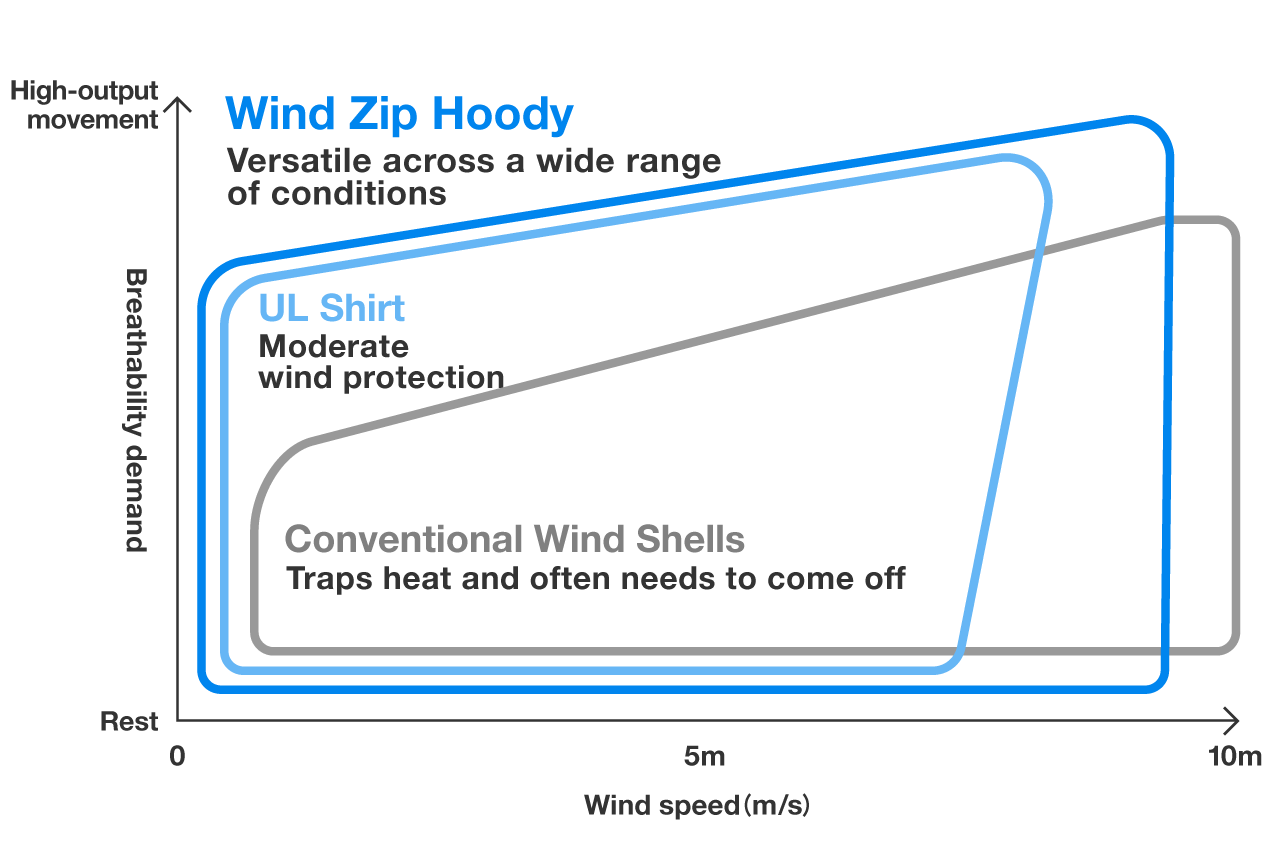
Comfort range at a glance
Yamatomichi’s trail shirt lineup also includes shirts that manage sweat and moisture next to the skin and function more like base layers: the Kami Shirt, Merino Shirt, and Bamboo Shirt. Among them, the UL Shirt is the closest to a wind shell.
Product story
A step further into the wind
Rethinking ultralight layering
When we completed the UL Shirt in 2019, I was already thinking about what might come next. Could we create something even lighter—an entirely new kind of wind shell?
It wasn’t that I was dissatisfied with the UL Shirt. It had become an exceptionally comfortable piece of gear and introduced a new way of dressing for the trail. But I wanted to go one step further into the realm of wind: to create a single layer that could remain comfortable as the terrain, weather, and intensity of movement changed.
For me, ultralight means more than reducing weight. It also means making things simpler. The more conditions a single layer can handle, the less hikers need to stop, adjust their clothing, or think about layering. They can simply keep walking.
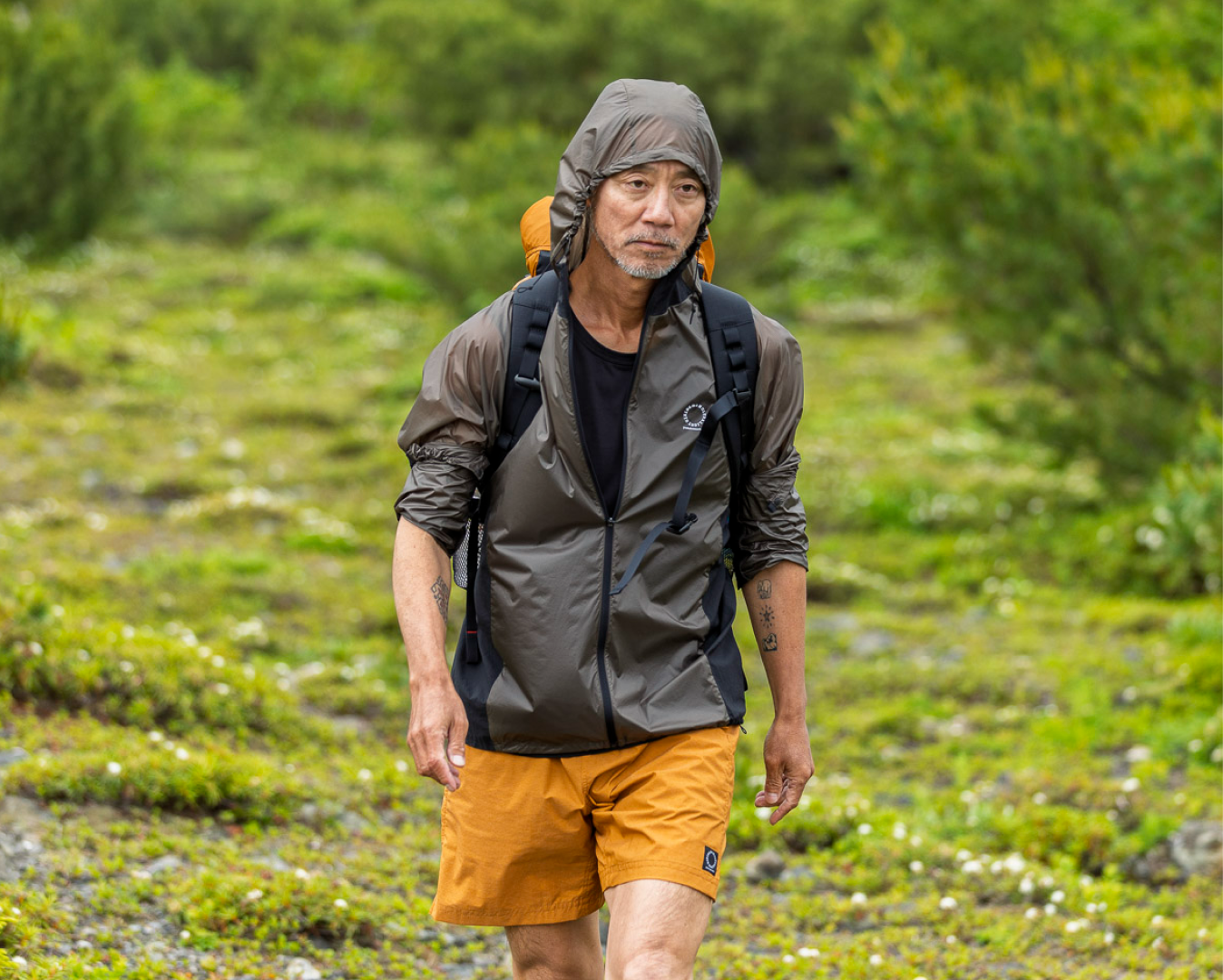
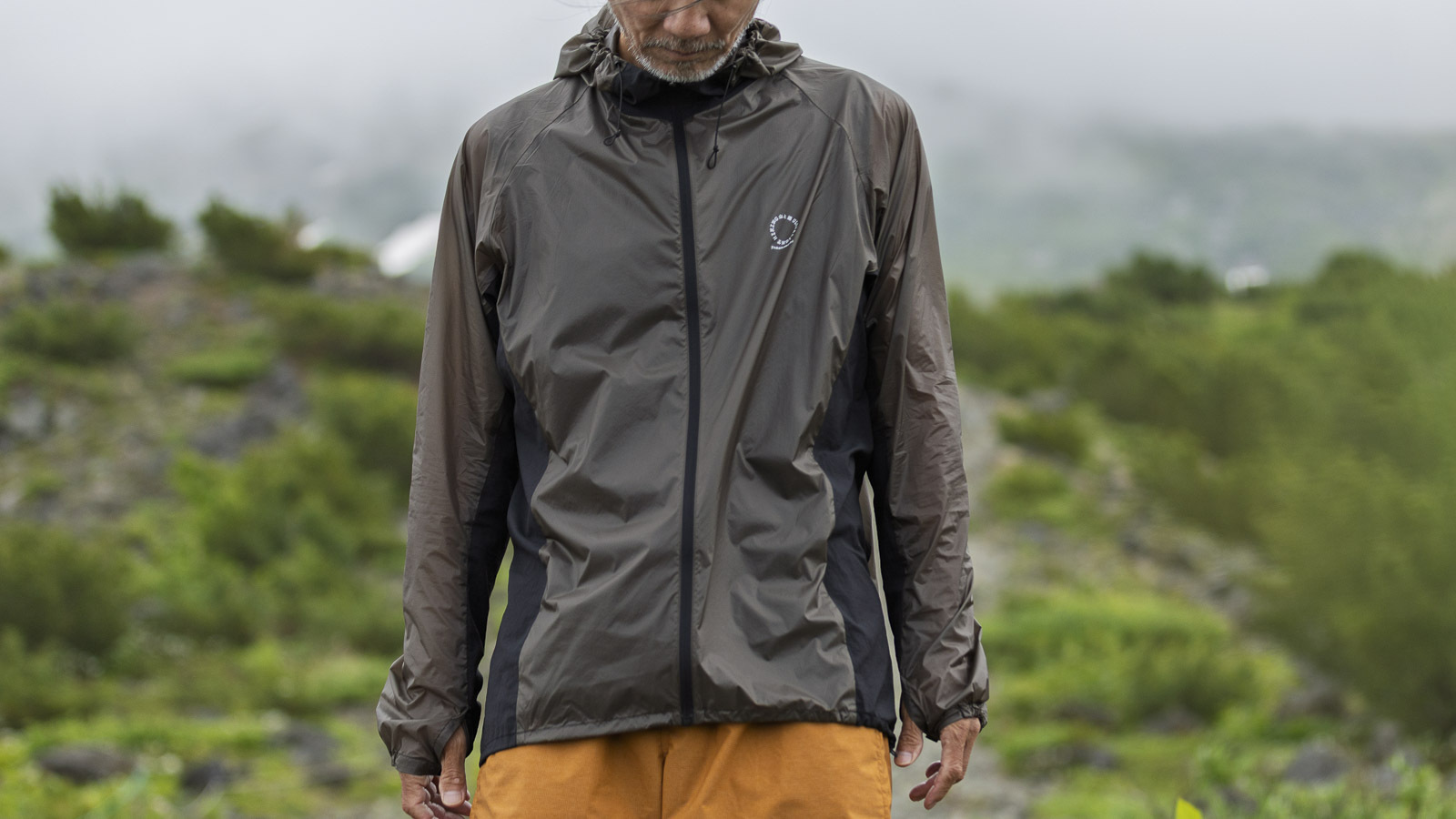
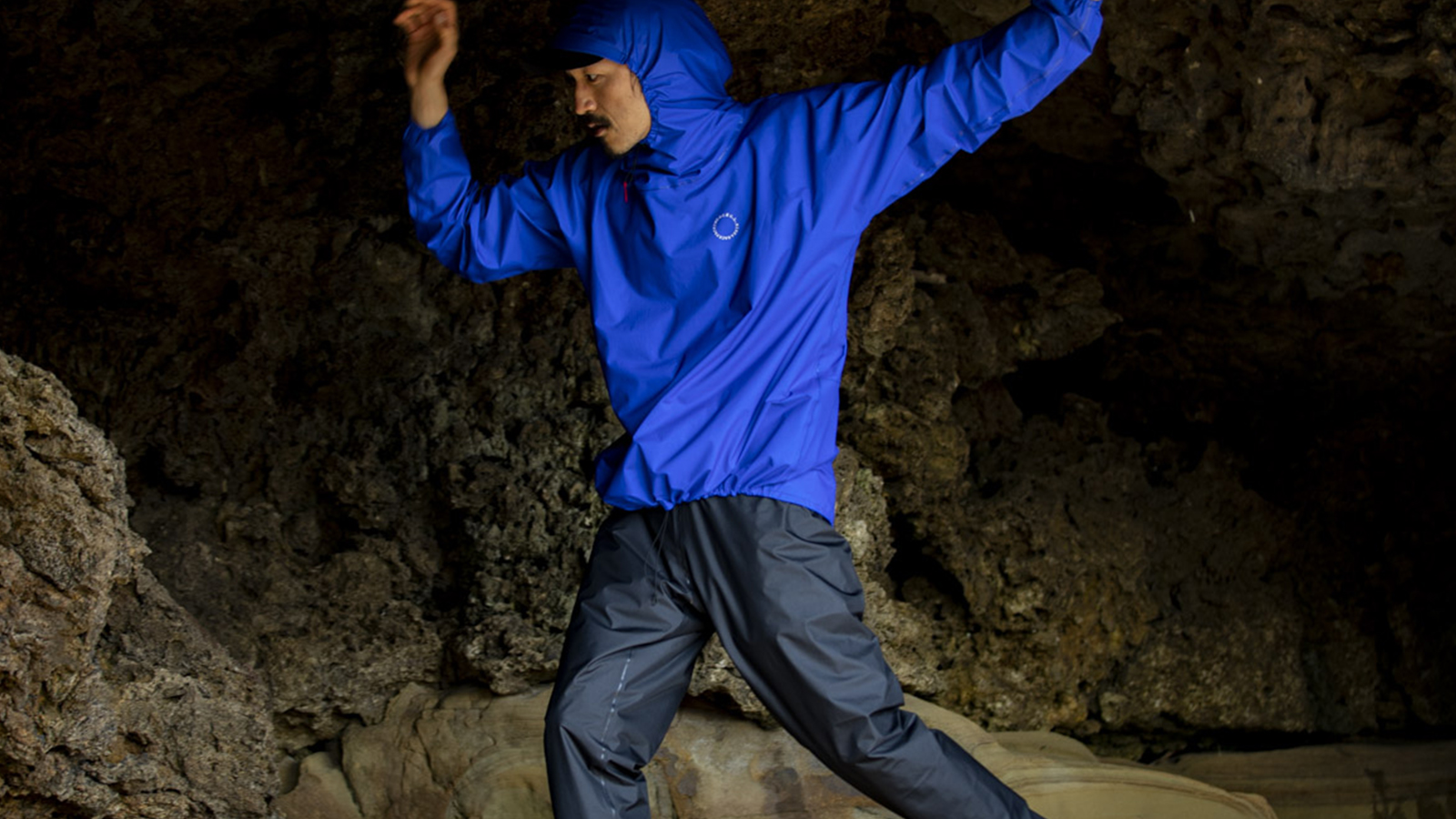
Hideki Toyoshima, wearing the Taupe color.
Finding the right breathability
A wind shell should do more than block wind. It must also release enough heat to maintain a comfortable environment inside the garment. Breathability was therefore central to what we wanted to create.
We began by collecting wind shells from around the world and measuring their air permeability. There were already products designed with breathability in mind, but most came with a certain amount of weight. Among truly ultralight wind shells, we found very few that were clearly breathable.
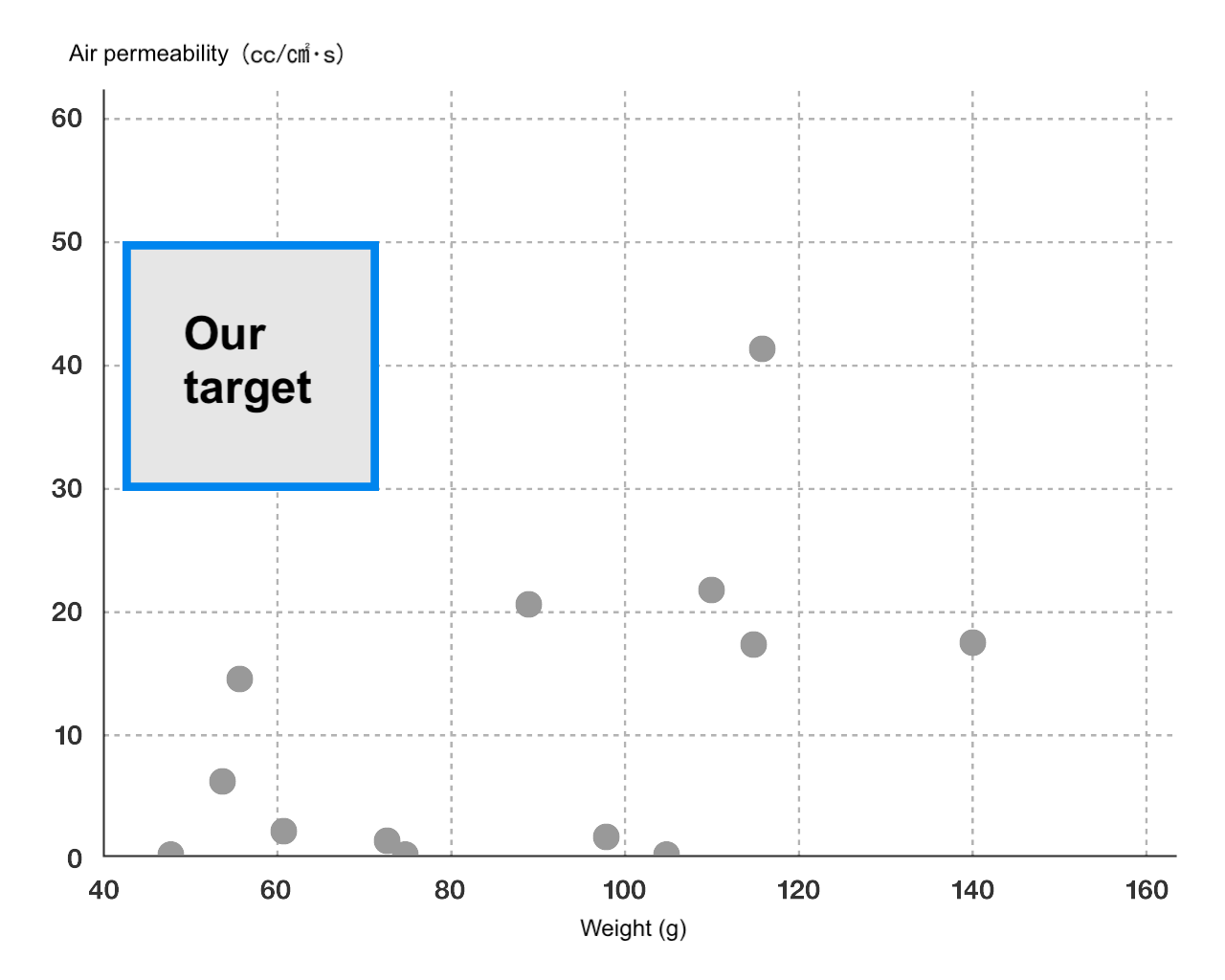
Mapping the Wind Shell Market
Each gray dot represents a wind shell, plotted according to its weight and air permeability.
Unable to find the fabric we needed, we began developing one with Pertex, the fabric manufacturer we had already been working closely with.
At first, I assumed that greater air permeability would always mean greater comfort. Testing soon proved otherwise. A highly breathable fabric can feel cold and offer too little protection when the wind strengthens or the temperature falls. But when we reduced air permeability to around 20 cc/cm²/s, heat began to build during sustained, high-output movement.
The balance we were looking for was around 30 cc/cm²/s. Air permeability measures how much air passes through a fabric: too little traps heat, while too much provides insufficient protection from wind and cold.
Shadow Rip®, used for the UL Shirt, measures 34 cc/cm²/s. After two years of testing, we realized that the comfort we were searching for was already rooted in the same balance—not maximum breathability, but the right amount.
Our next challenge was to achieve that balance in an even lighter fabric. This proved far more difficult. On ultralight materials, even a tiny change in the amount of coating can significantly alter air permeability. A sample might achieve the airflow we wanted but lack strength or durability. Occasionally everything worked, only for the result to prove impossible to reproduce consistently.
Eventually, we stopped development. If we couldn’t make the wind shell we believed in, there was no reason to release it.
But I never completely let go of the idea. Instead of asking one fabric to do everything, perhaps we could place different fabrics exactly where each performed best. I can’t remember when that realization came, but I think the problem had remained somewhere in my mind the entire time.
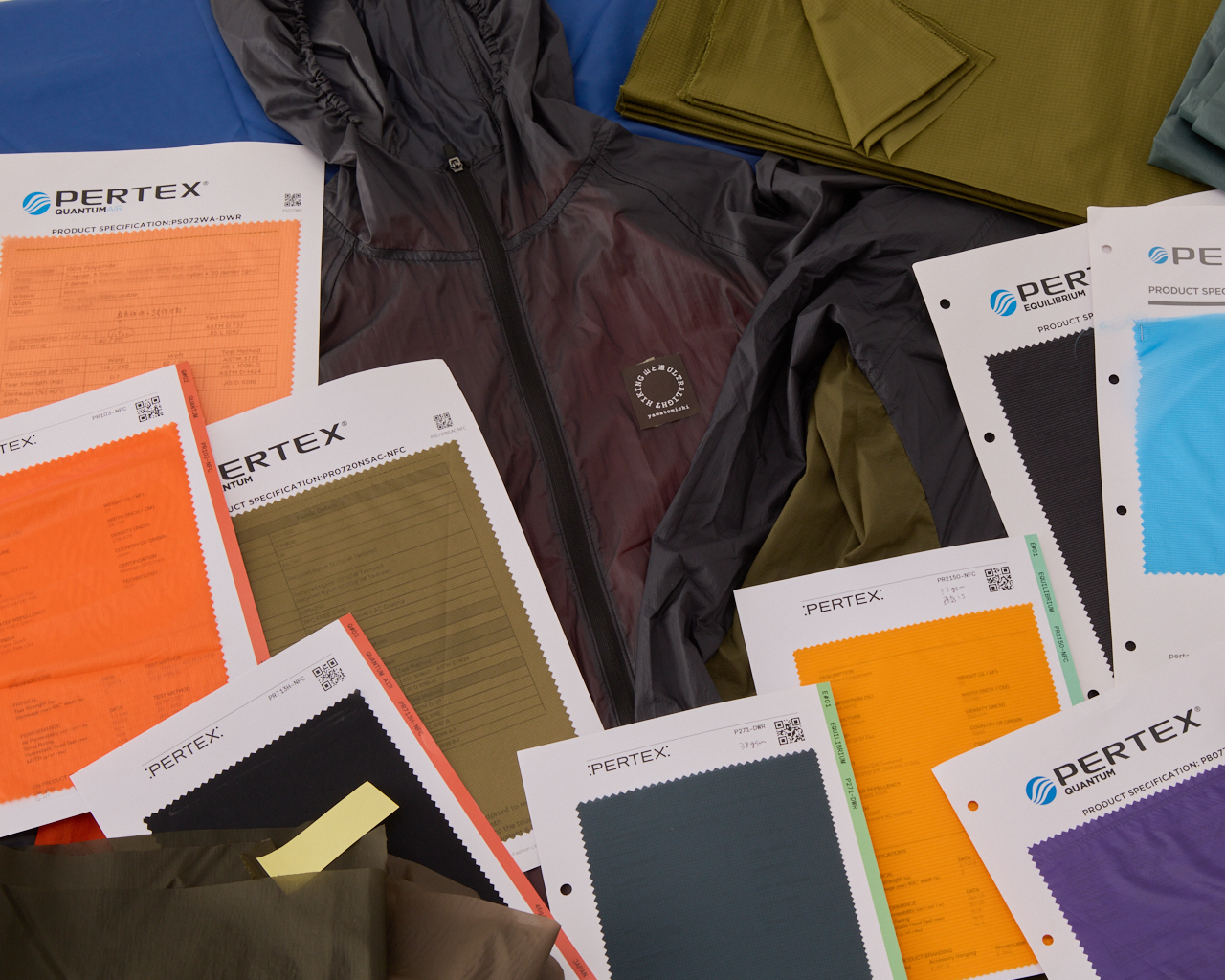
Three fabrics, one answer
The final design combines three fabrics, balancing wind protection and breathability across different areas of the body.
A low-permeability fabric protects the front, where the wind hits hardest. More breathable fabrics release heat and moisture from the back, sides, and other areas where warmth tends to build.
Along the sides of the body and inside the arms, we used a slightly structured, uncoated fabric. Its consistently high breathability also helps prevent the garment from clinging to sweaty skin—an especially important consideration around the arms.
The structure of this fabric also helped shape the hood. Hoods made from ultralight materials tend to collapse, but placing the more structured fabric around the neck allows it to stand naturally, maintaining protection without feeling flimsy. A highly breathable panel through the center of the hood releases heat from the head.
The arms also play an important role in regulating body temperature, almost like the radiator of a car. We shaped the sleeves so they can be pushed up quickly, allowing heat to escape without removing the garment. Developed through our work on the UL All-weather Jacket, this detail gives the Wind Zip Hoody a much wider usable temperature range.
Every refinement adds weight. Our earliest prototypes were lighter, but there were forms of comfort we were unwilling to sacrifice simply to reach a lower number.
We reduced weight wherever possible, but not at the expense of reliability. This led us to develop our own cord stopper for the minimal 1.5 mm cords and search beyond our usual suppliers for the lightest suitable zipper.
An answer six years in the making
We tested the Wind Zip Hoody ourselves throughout its development. I wore prototypes during my morning trail runs and on hikes. During the most recent Trans Japan Alps Race, Daisuke Katano carried one through the exceptionally demanding course. Seeing it perform there gave us real confidence in what we had created.
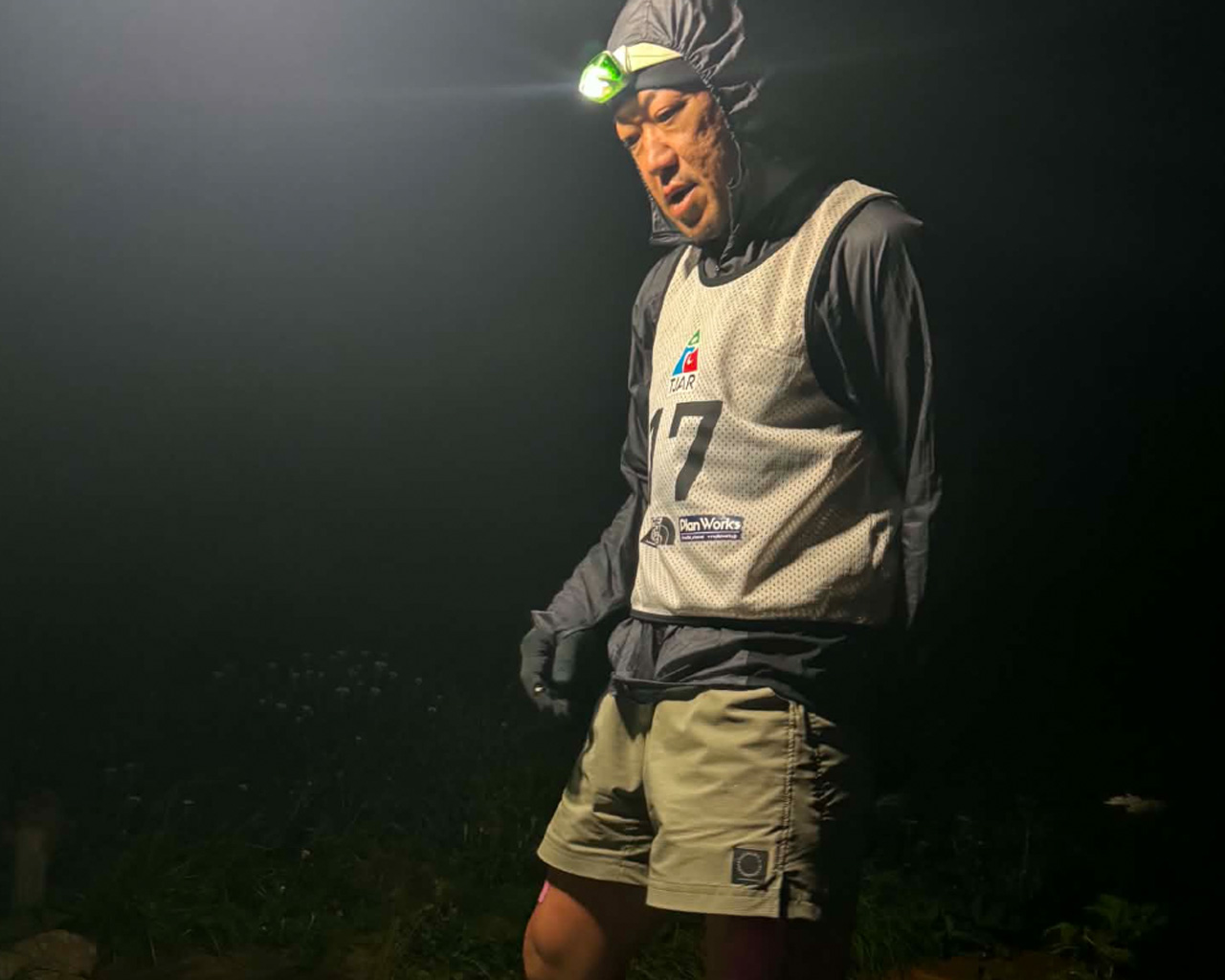
Daisuke “Dustin” Katano racing from the Sea of Japan to the Pacific in a prototype Wind Zip Hoody during the 2024 Trans Japan Alps Race (TJAR).
By the time the Wind Zip Hoody was complete, six years had passed.
What we learned during those years extends beyond this garment. The project changed how we think about breathability, material placement, and the body’s regulation of heat—and those lessons have since influenced other Yamatomichi products. Taking one piece of gear as far as we can often moves everything else forward with it.
Is the Wind Zip Hoody more comfortable than every trail shirt in every situation? No. A shirt designed for a particular set of conditions may feel airier or resist clinging better.
But the Wind Zip Hoody is designed for something different: expanding the range of conditions that one light, simple layer can handle.
It is not intended to protect against storms or severe weather. But you can put it on along a windy ridgeline, descend into the forest, increase your pace, and continue wearing it without stopping to change layers.
That is our answer after six years.
I hope you will take the Wind Zip Hoody into the mountains, discover what kind of tool it becomes in your own hiking, and let us know where it takes you.
(July 2026)
Form and function
The form of the Wind Zip Hoody was shaped by function. From its silhouette and sleeves to the hood cord lock, we questioned whether each detail was truly necessary and kept only what earned its place.
Three fabrics, each where it works best
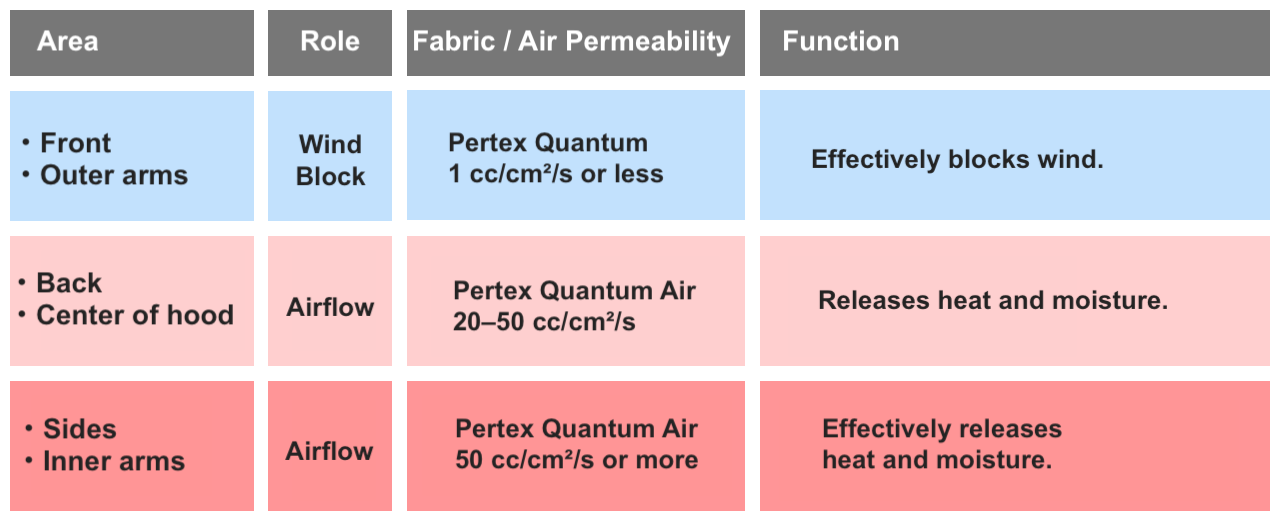
The key is not asking one fabric to do everything. The front, shoulders, and outer arms block wind, while the back, sides, and inner arms release excess heat. Varying the level of breathability across the garment provides wind protection without trapping heat.
Body-mapped breathability
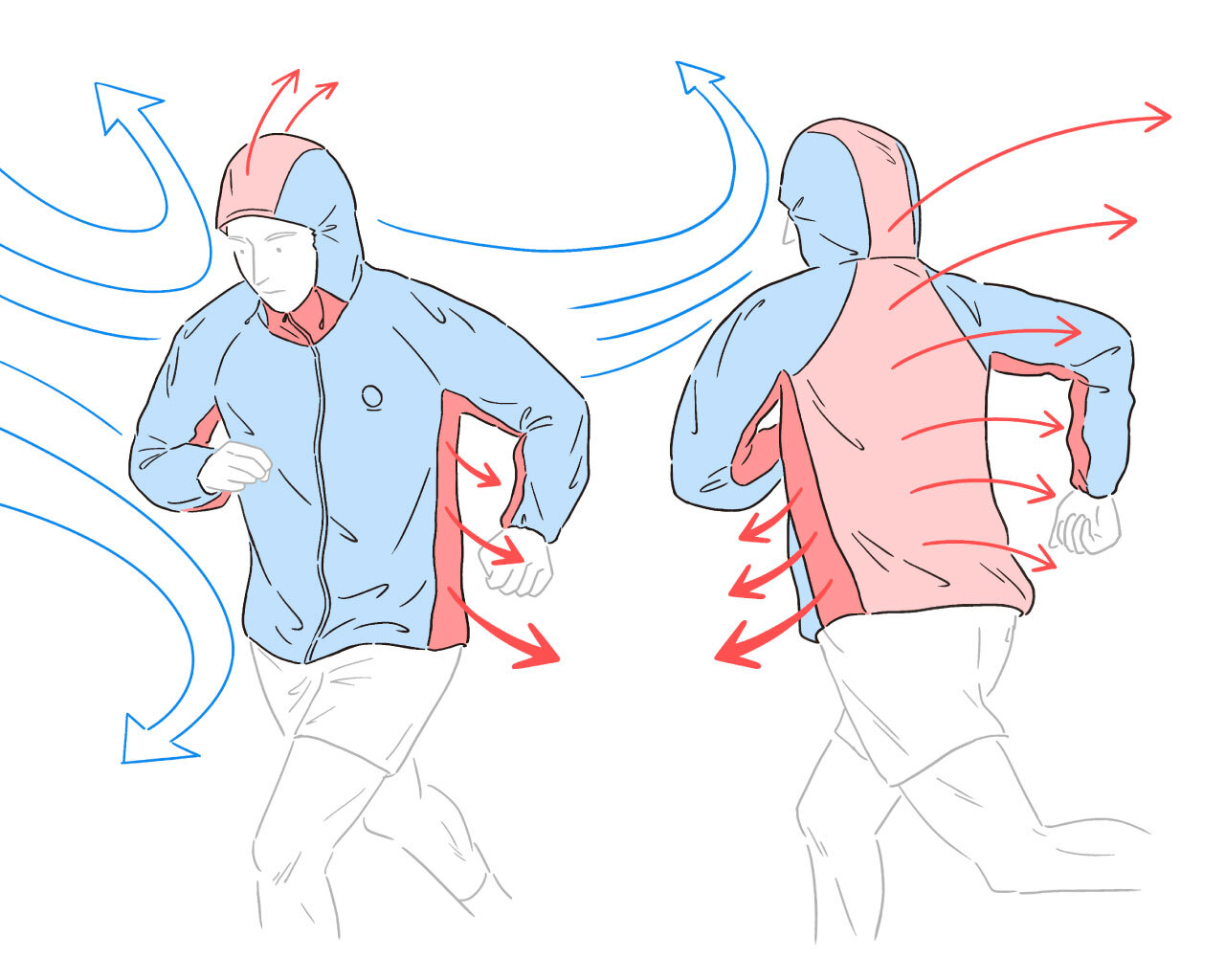
Details
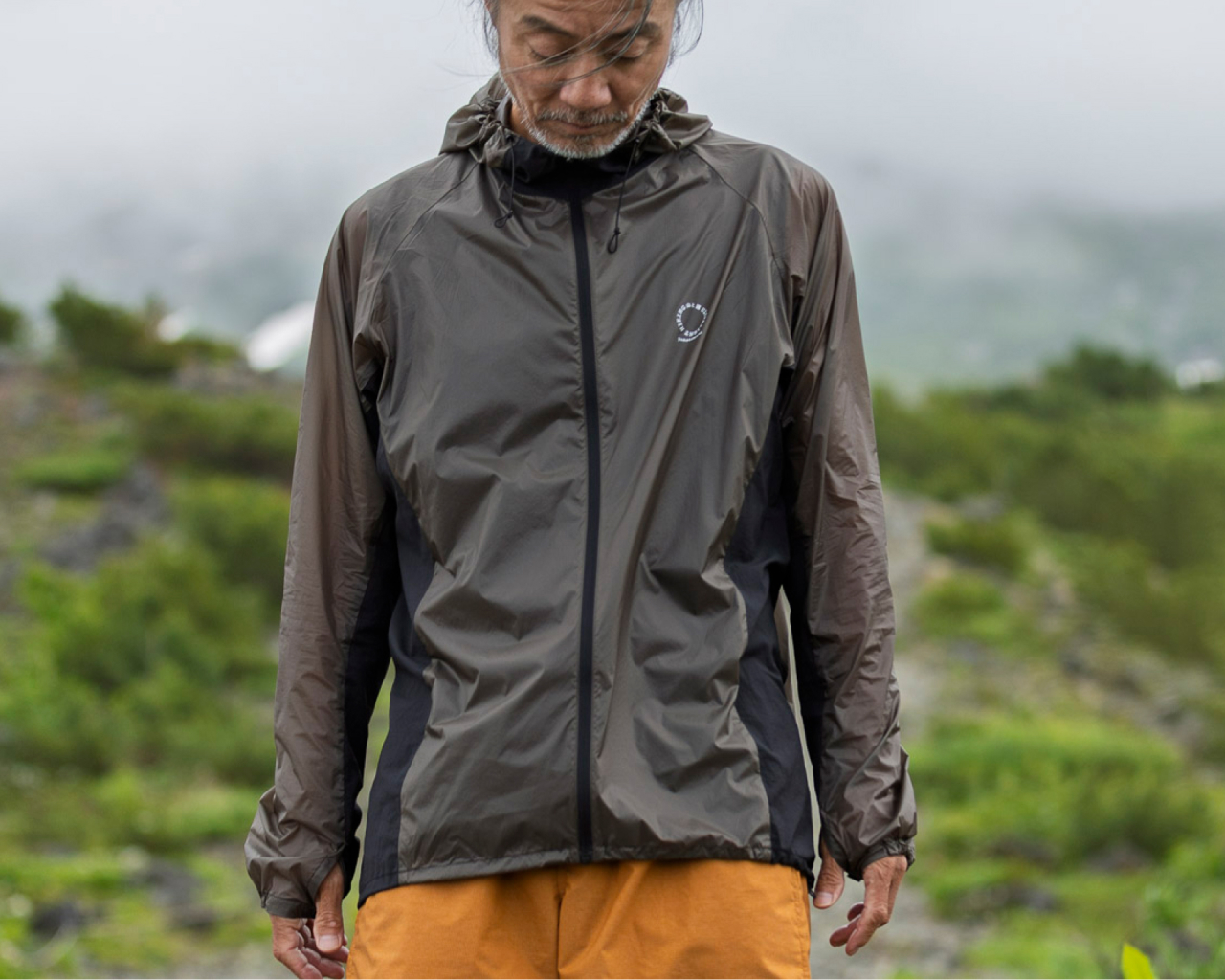
A relaxed silhouette
Rather than using a slim fit to reduce weight, we left room for air to circulate. That extra space provides natural ventilation.
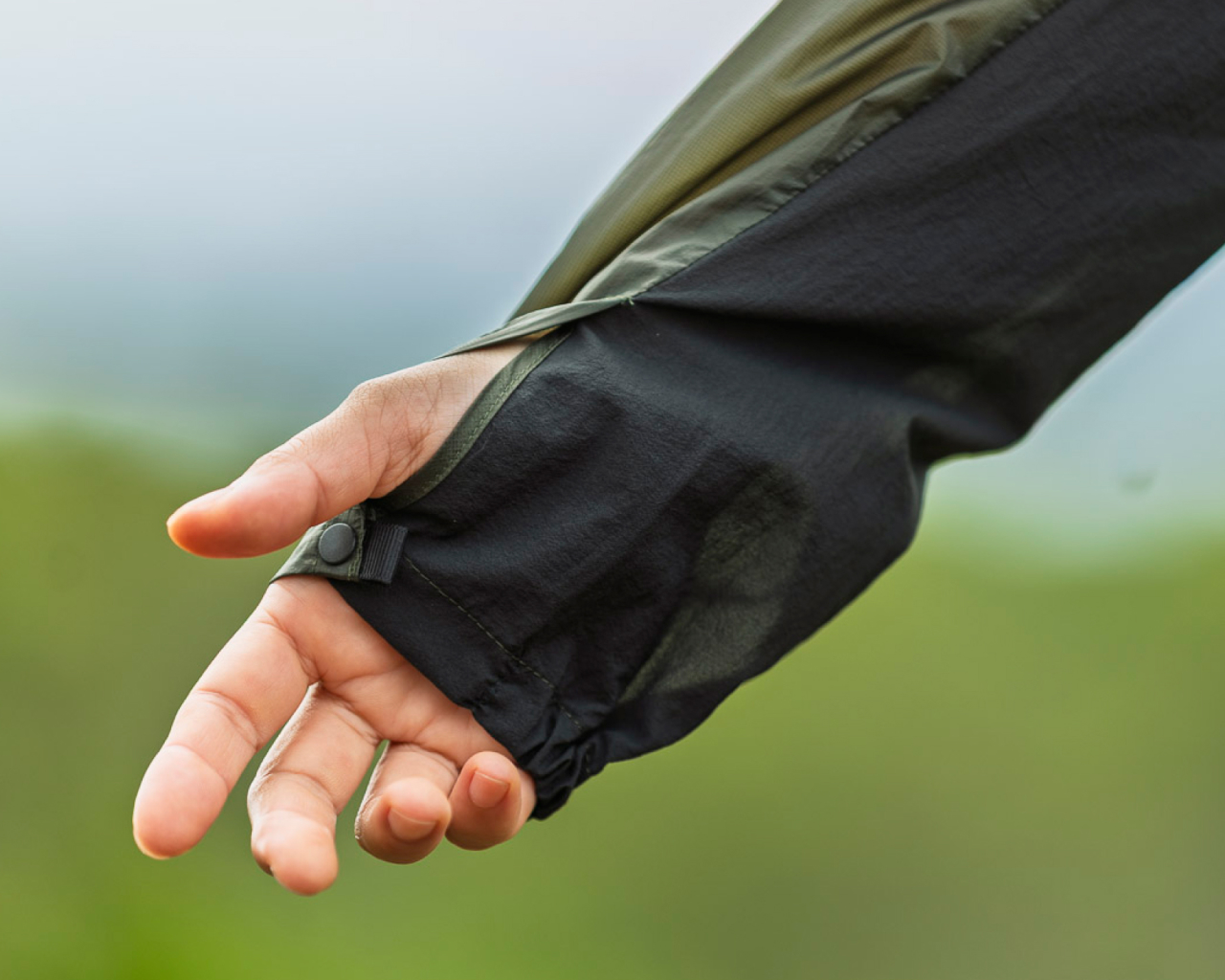
Easy-to-roll sleeves with thumbholes
Undo the cuff snaps to quickly push up the sleeves and release heat. Fasten them to create thumbholes—two functions in one simple detail.
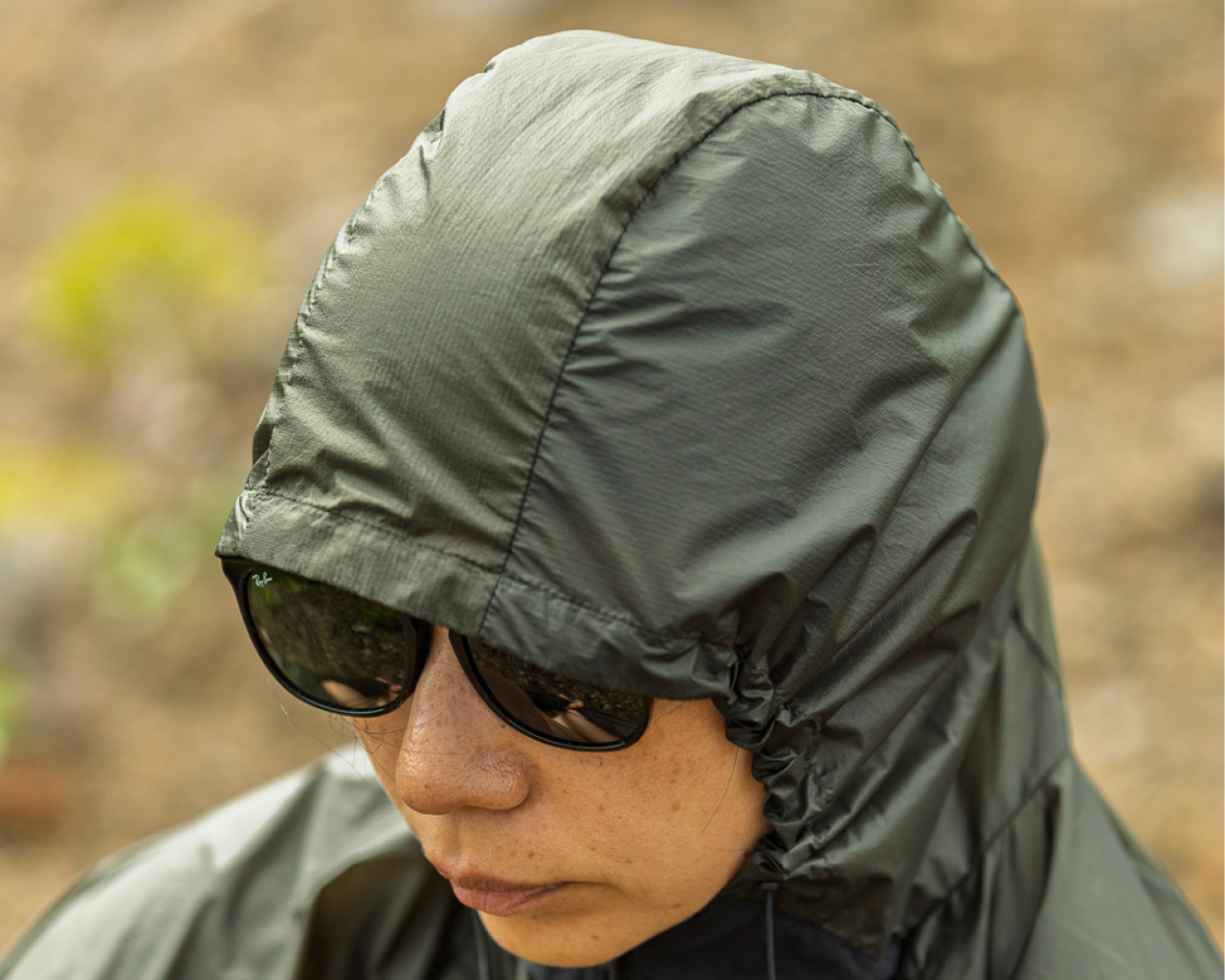
Three-fabric hood
The hood also combines three fabrics, with highly wind-resistant fabric along the sides and highly breathable fabric through the center. This provides wind protection while allowing excess heat to escape.
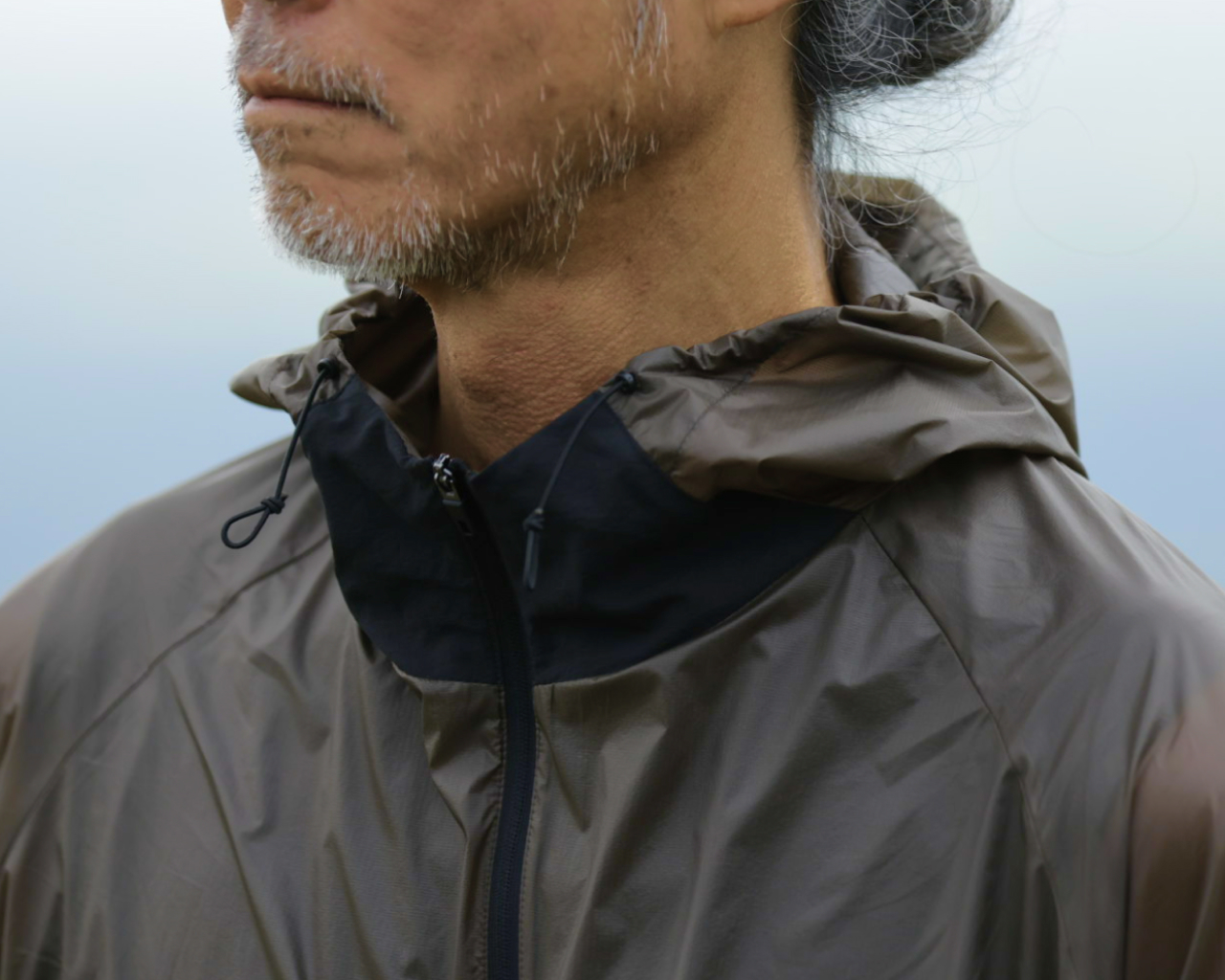
A structured collar in an ultralight shell
A slightly stiffer fabric helps the collar stand naturally, while windproof fabric on the inside maintains protection around the neck.
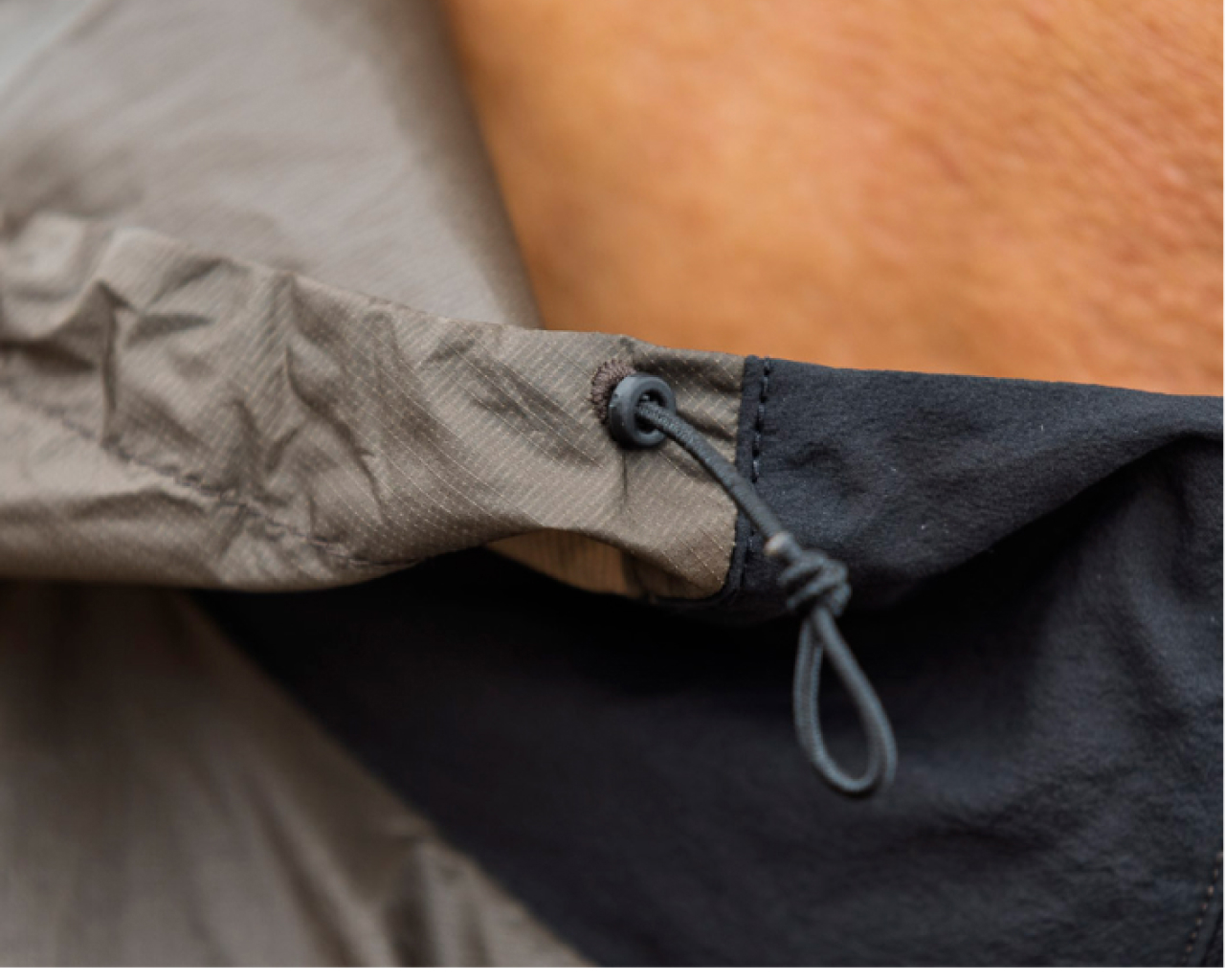
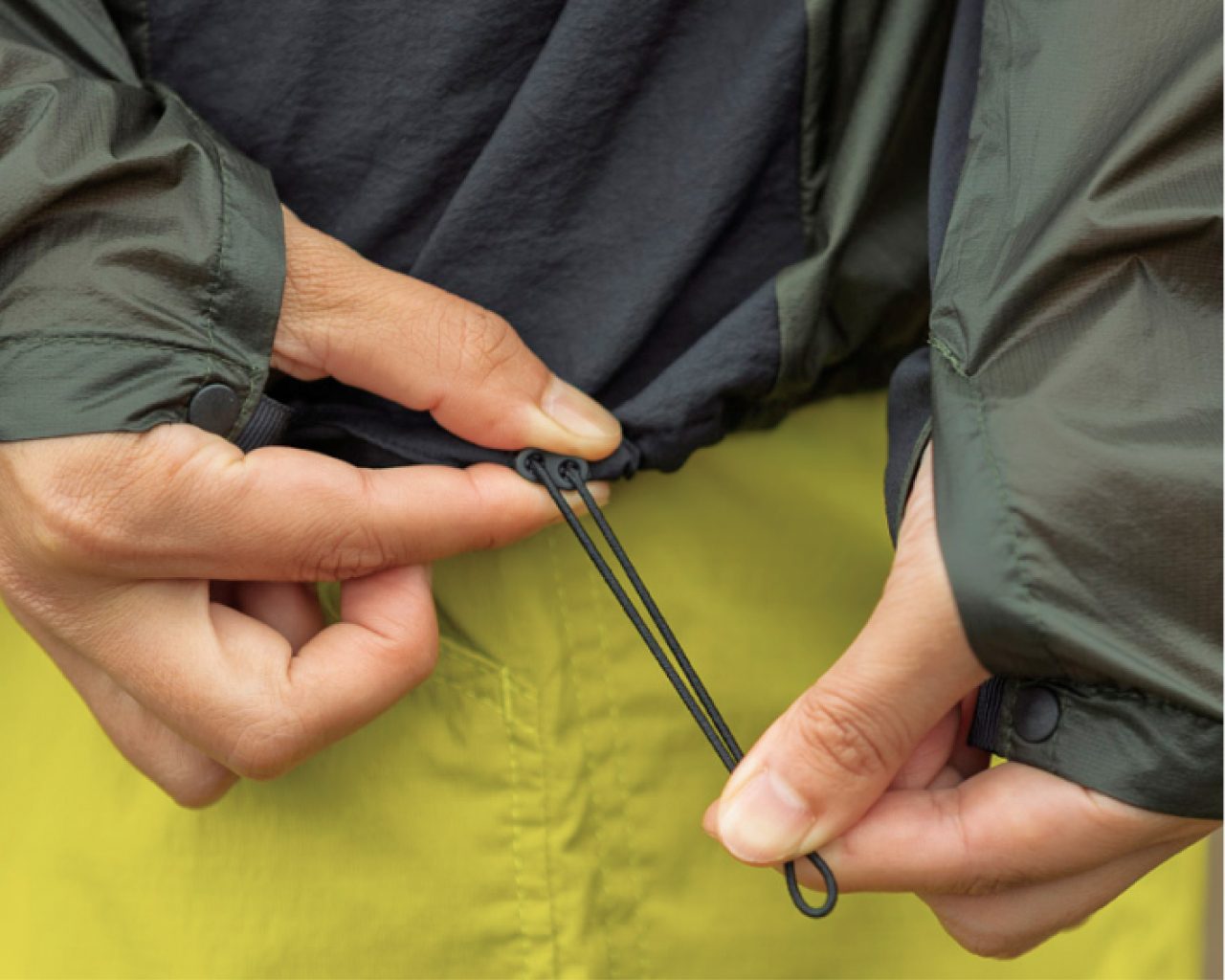
Custom cord lock
The hood and hem use ultrathin 1.5 mm drawcords. We developed a custom cord lock for the hood, combining minimal weight with easy adjustment.
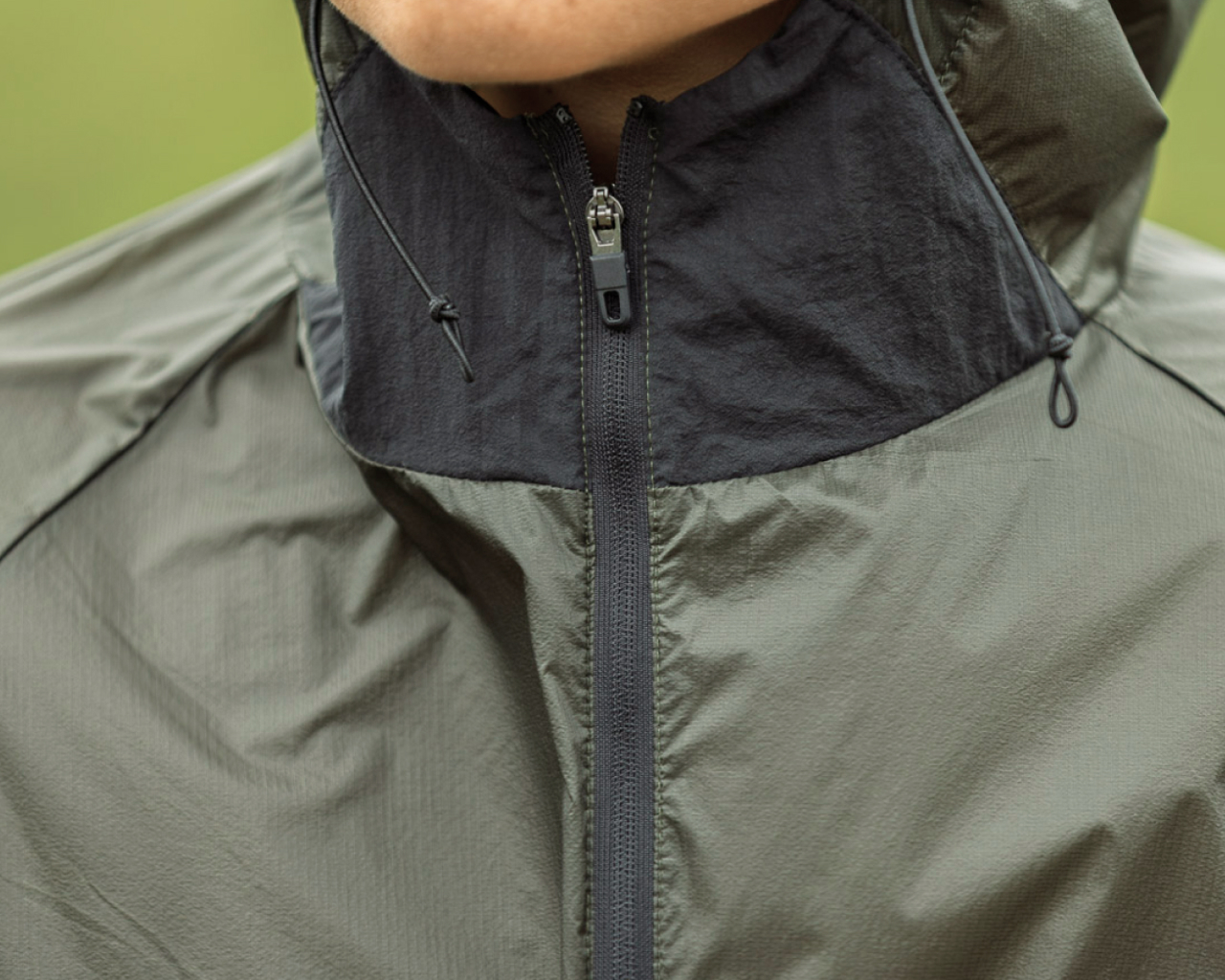
The lightest zipper available
We chose the lightest zipper available, allowing you to quickly regulate body temperature on the move.
Material
Coatings and air permeability
The same fabric can perform very differently depending on its finish. The Pertex Quantum and Pertex Quantum Air used on the front and back share the same 24 g/m² ultralight nylon base, but different coatings give them very different levels of air permeability. Usually, achieving this balance means combining fabrics that look and feel noticeably different. Using the same base fabric keeps the Wind Zip Hoody looking simple and cohesive.
Pertex Quantum (Front and outer arms)
The fabric is given a ciré finish, using heat and pressure to smooth the surface and tighten the weave. A thin acrylic coating then fills the gaps between the fibers, further reducing airflow. Air permeability is just 1 cc/cm²/s—close to zero—for reliable wind protection.
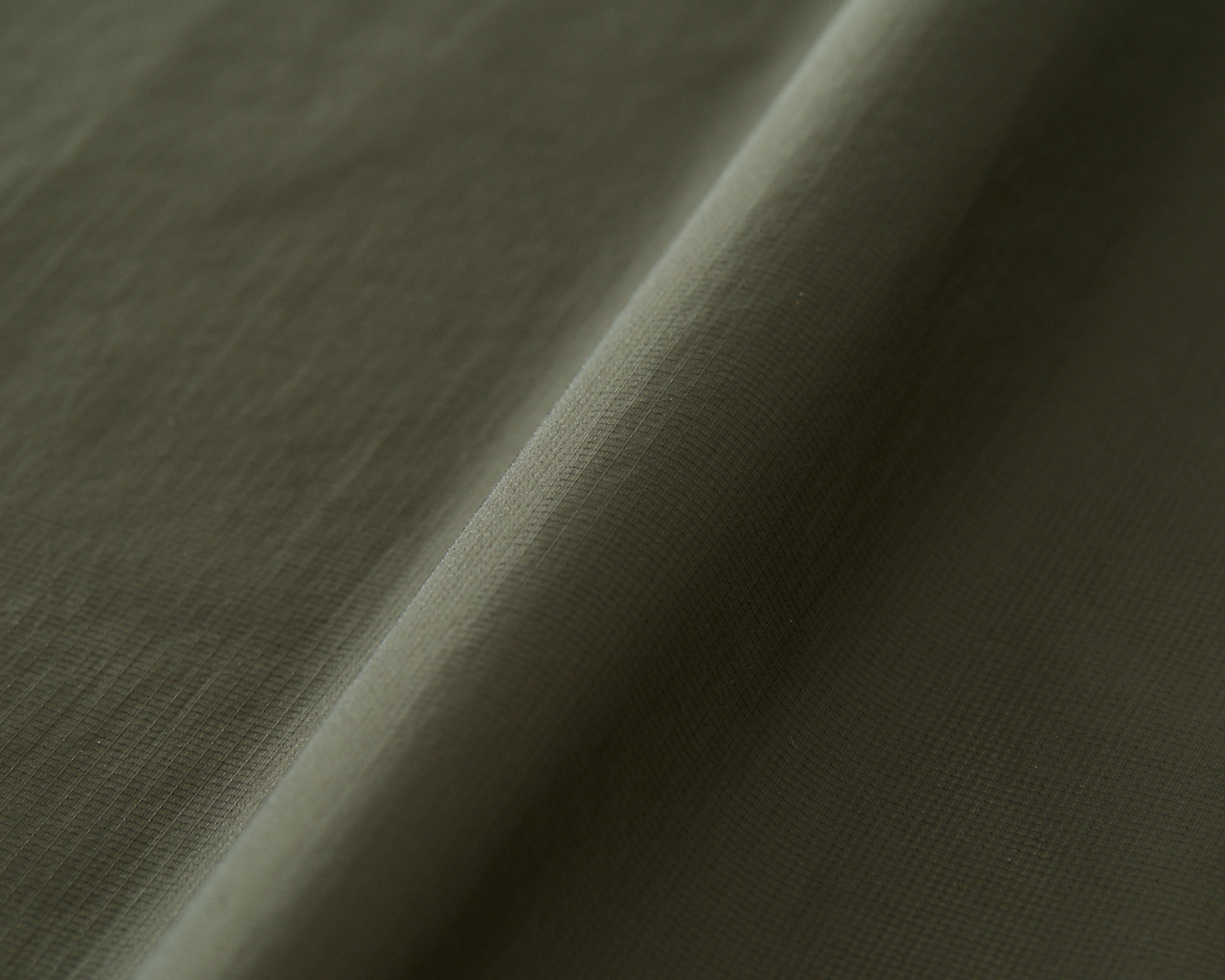
Pertex Quantum Air (Back and Center Hood)
A PU (polyurethane) coating helps preserve the fabric’s soft feel while allowing heat and moisture to escape. Air permeability is 20–50 cc/cm²/s. Because the coating can produce some variation, this value is given as a range.
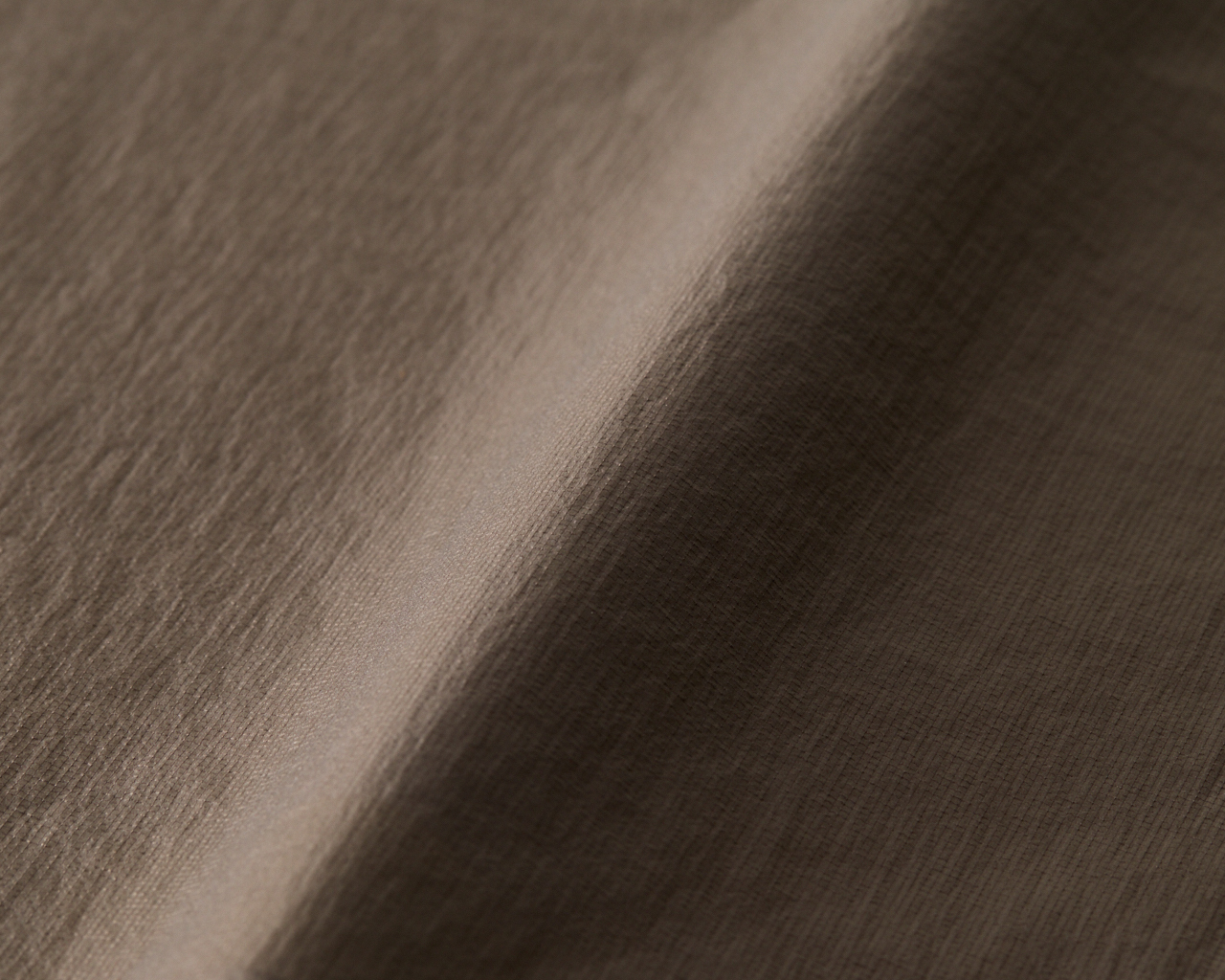
Uncoated Pertex Quantum Air (Sides, Inner Arms, and Collar)
This slightly thicker, uncoated fabric provides consistently high air permeability of 50 cc/cm²/s or more. Its slightly structured feel also helps keep it from clinging to sweaty skin.
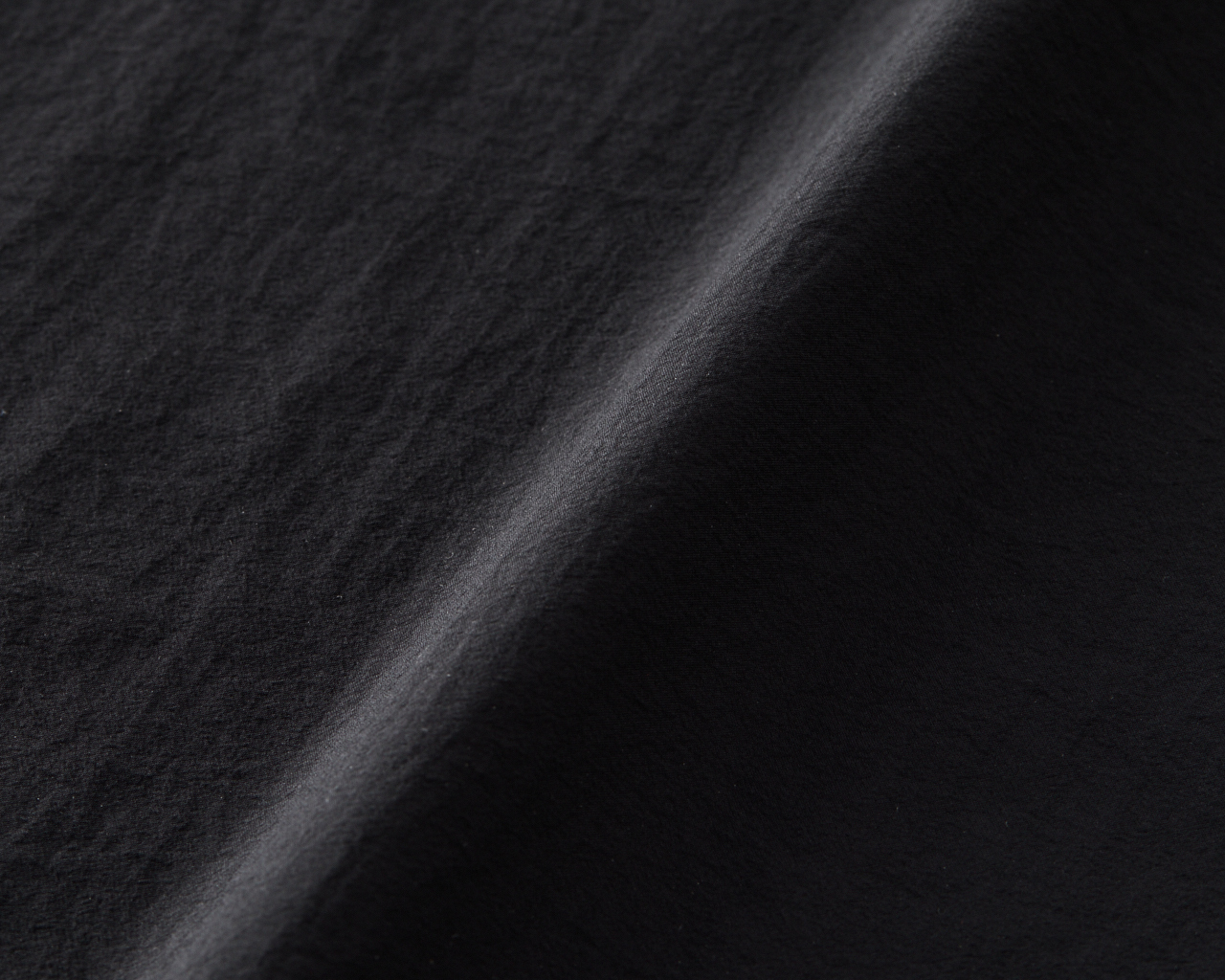
| Front / Quantum | Back / Quantum Air | Sides / Quantum Air | |
|---|---|---|---|
| Air Permeability (JIS L1096A) | 1 cc/cm²/s or less | 20–50 cc/cm²/s | 50 cc/cm²/s or higher |
| Fabric Weight | 24 g/m² | 24 g/m² | 46 g/m² |
| Tear Strength (JIS L1096D) | Warp 1.1 / Weft 1.8 kg | Warp 1.4 / Weft 2.0 kg | Warp 1.0 / Weft 1.1 kg |
| Tensile Strength (JIS L1096A) | Warp 24 / Weft 22 kg | Warp 24 / Weft 22 kg | Warp 29 / Weft 26 kg |
| Water Repellency | C0 DWR (PFAS-free) | Same | Same |
Air Permeability (JIS L1096A): The volume of air passing through a test sample under constant pressure
Tear Strength (JIS L1096D): The force required to tear a test sample with a pre-cut slit
Tensile Strength (JIS L1096A): The maximum force recorded before a test sample breaks when pulled at a constant speed
The ultralight mindset
What is ultralight hiking?
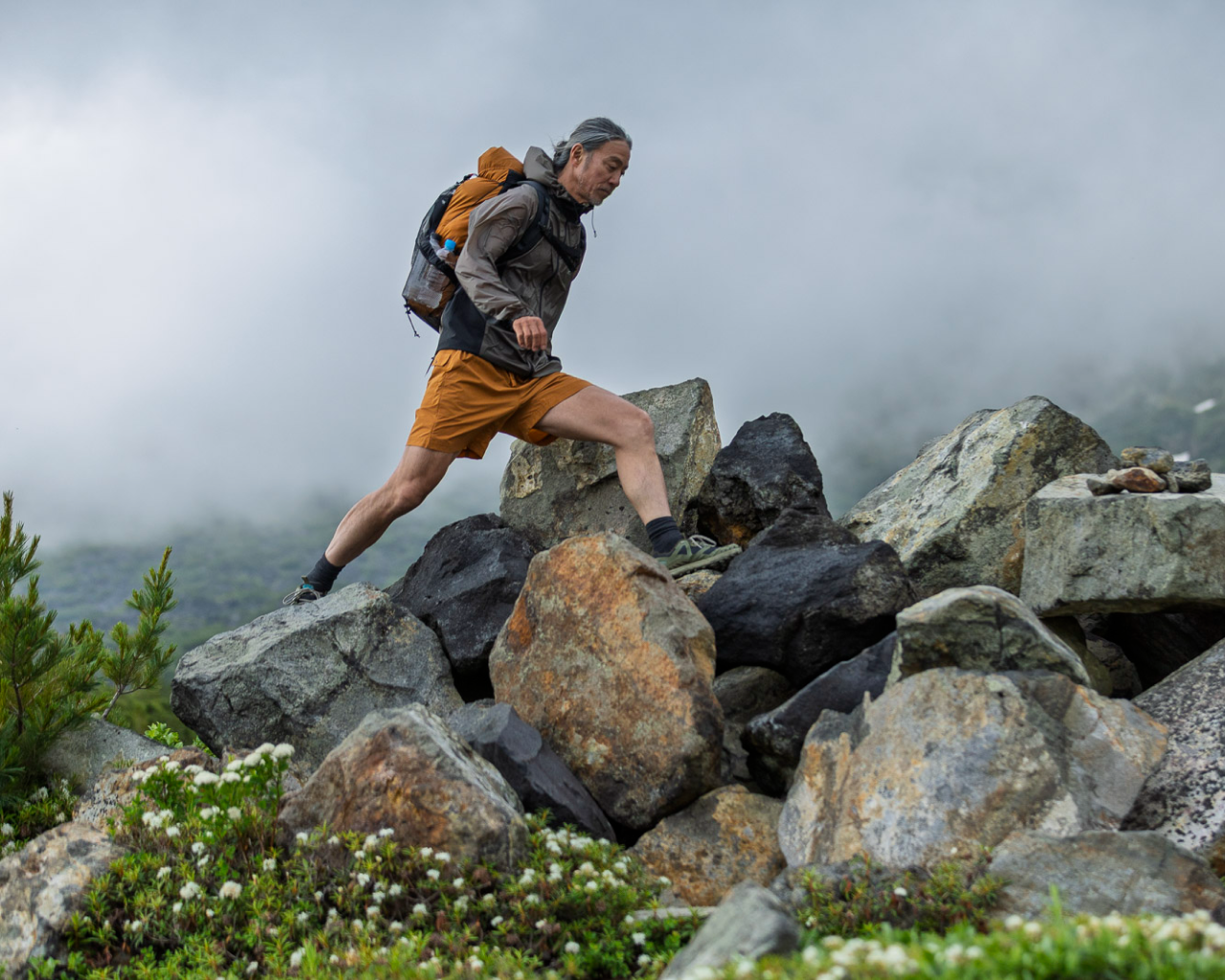
Ultralight hiking is about far more than weight.
A layer that works across changing conditions means less to carry. If it stays on your body, it never weighs down your pack. Fewer changes mean fewer decisions—and more freedom to lose yourself in the hike.
Even the lightest gear can feel heavy if its use is limited. Know your gear. Carry less. Go further.
That is what the Wind Zip Hoody set out to achieve.
Size guide
Size chart
| Size | XS | S | M | L | XL |
|---|---|---|---|---|---|
| Weight (kg) | 42~52 | 50~60 | 57~67 | 64~77 | 74~85 |
| Chest (cm) | 78~84 | 80~88 | 84~95 | 92~102 | 100~110 |
Product dimensions
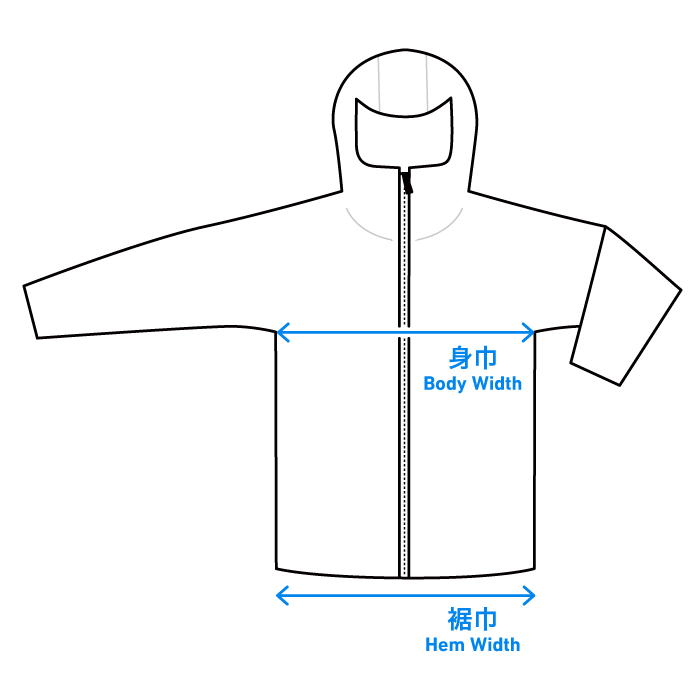
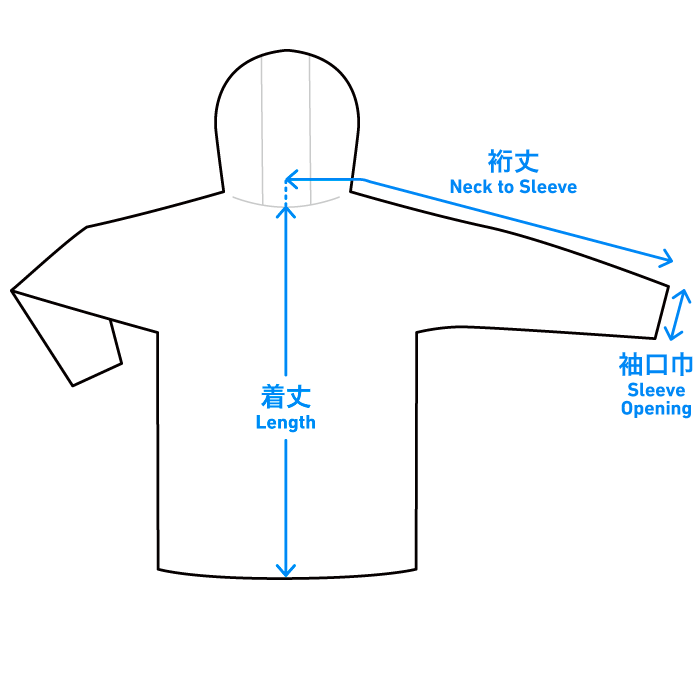
Unit: cm
| Size | XS | S | M | L | XL |
|---|---|---|---|---|---|
| Length | 68.5 | 72 | 74 | 76 | 78 |
| Body width | 54.5 | 57 | 59.5 | 62 | 65 |
| Hem width | 47 | 49.5 | 52 | 54.5 | 57.5 |
| Neck to sleeve | 77.5 | 84.5 | 86 | 89.5 | 93 |
| Sleeve opening | 8 | 8.5 | 9 | 9.5 | 10 |
Fitting (men)
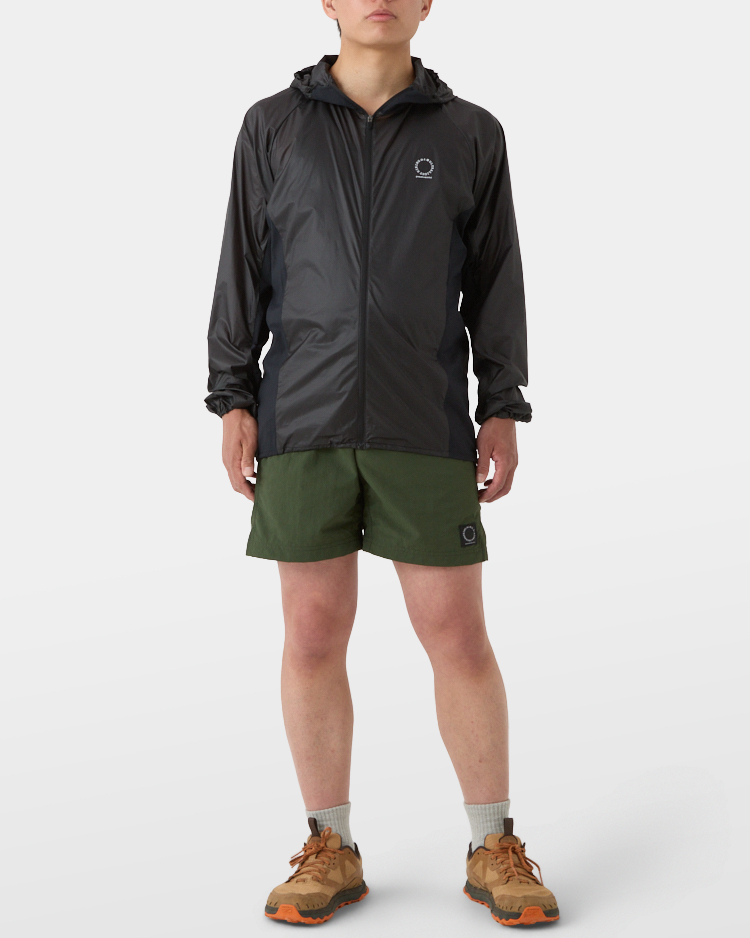
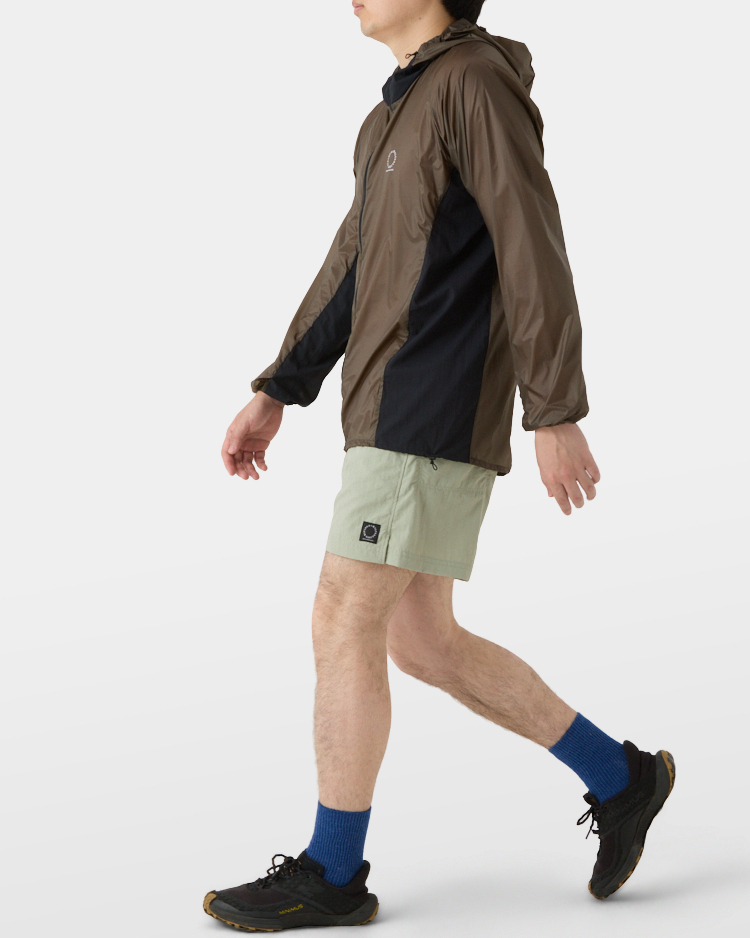
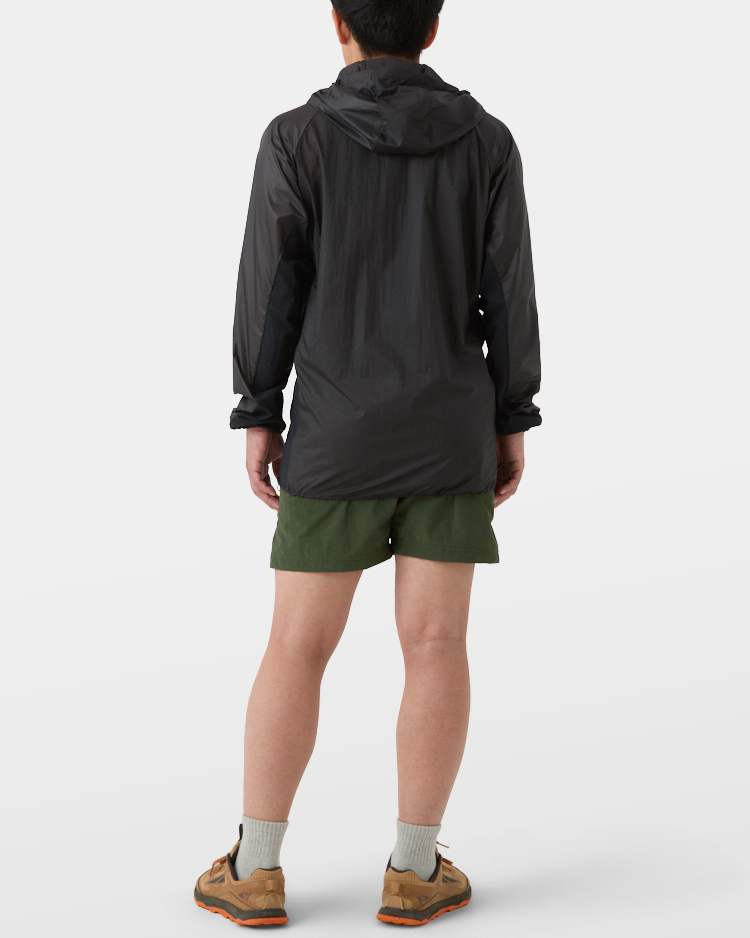
Size S 164cm 54kg
Black (Daiki)
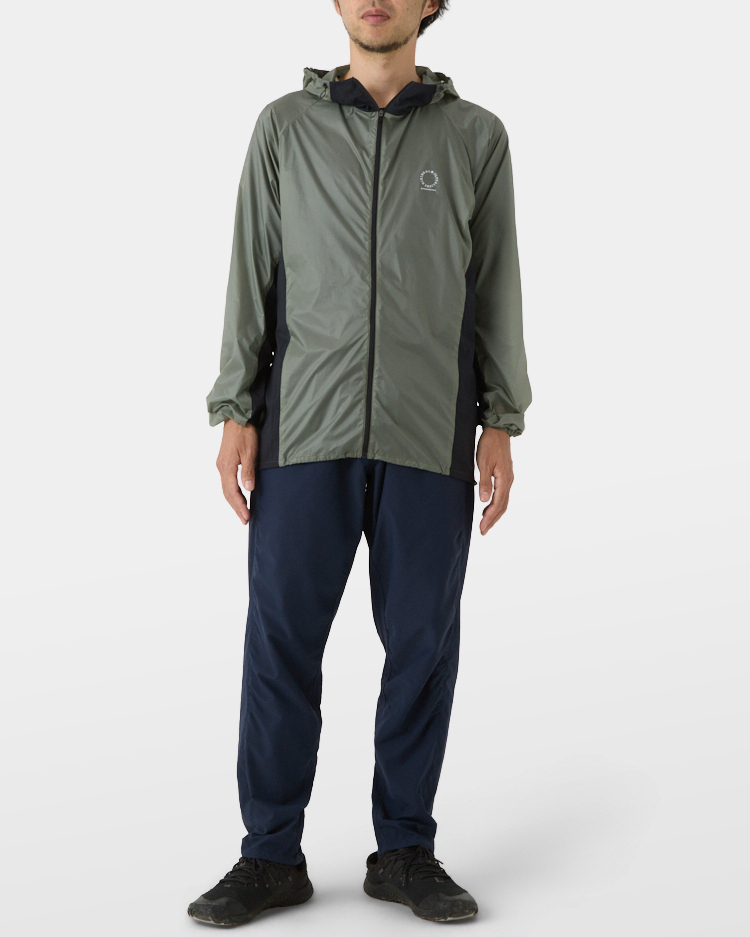
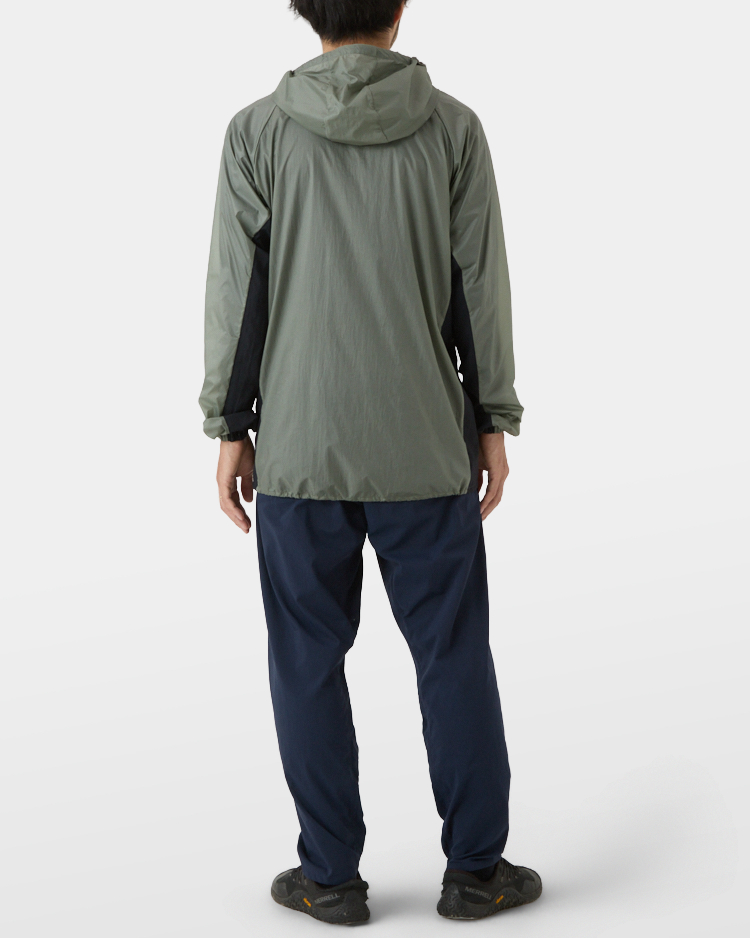
Size M 169cm 63kg
Slate Khaki (Beyonce)
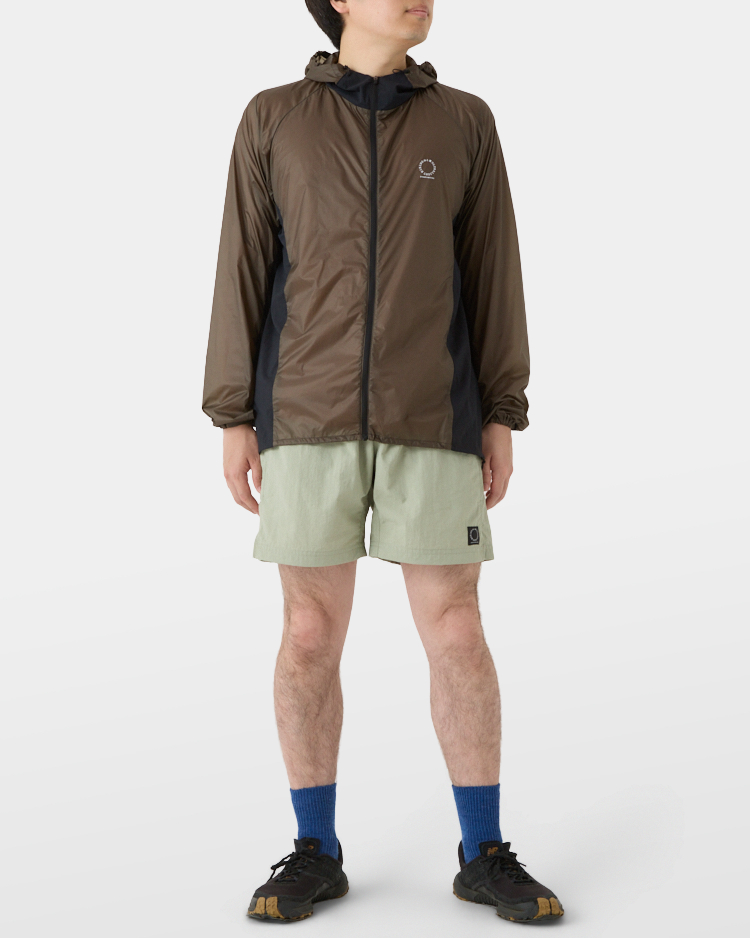
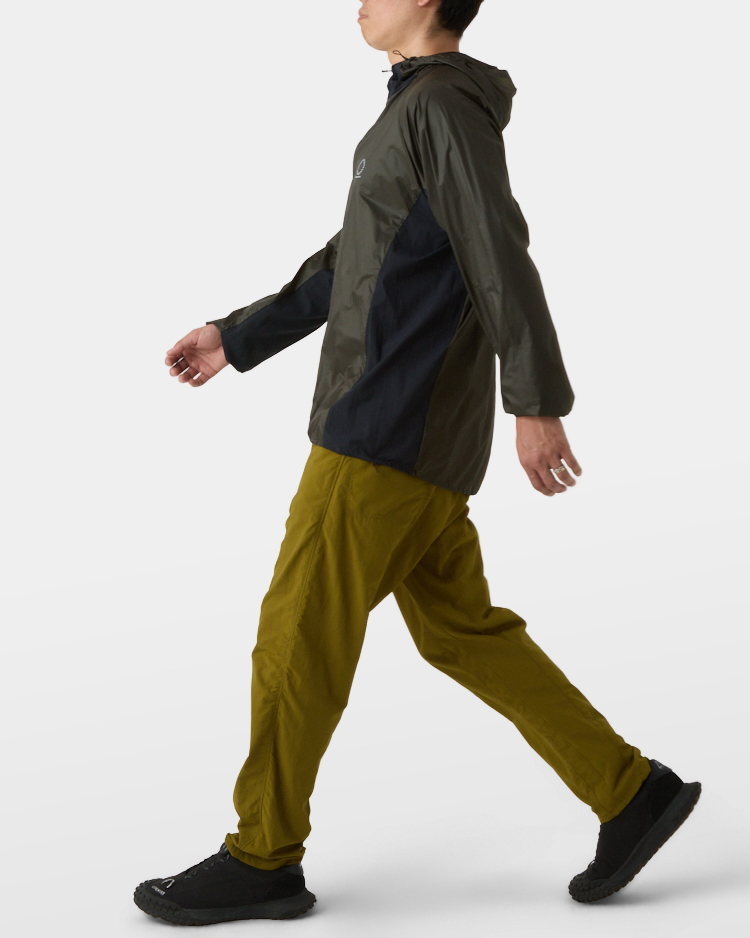
Size L 177cm 73kg
Taupe (Seiichi)
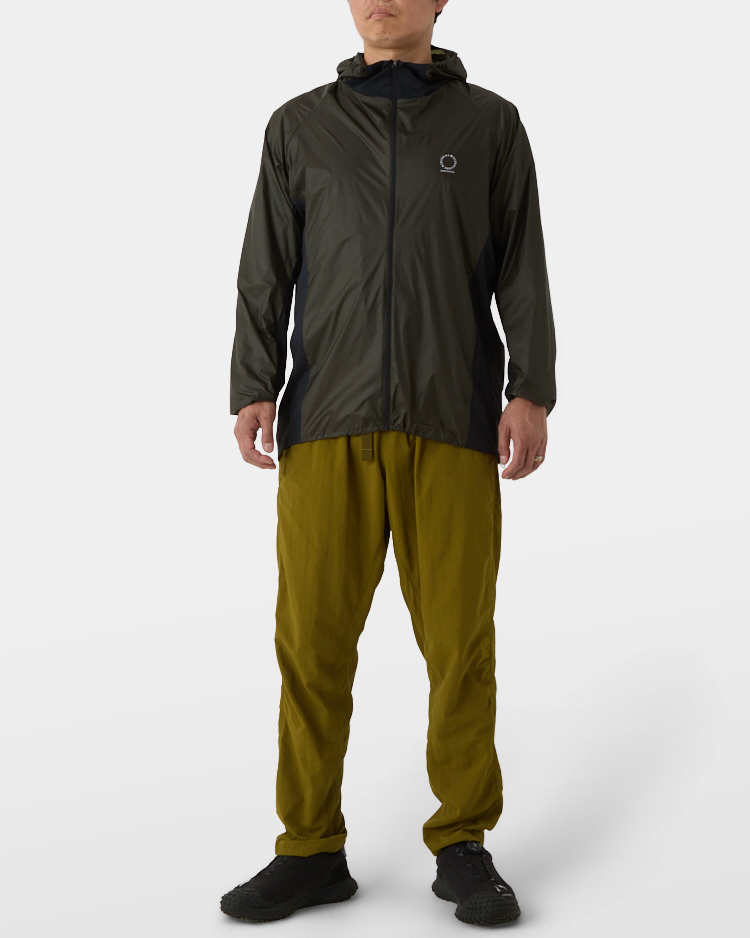
Size XL 183cm 77kg
Dark Oive (Kenken)
Size S 164cm 54kg
Black (Daiki)
Size M 169cm 63kg
Slate Khaki (Beyonce)
Size L 177cm 73kg
Taupe (Seiichi)
Size XL 183cm 77kg
Dark Oive (Kenken)
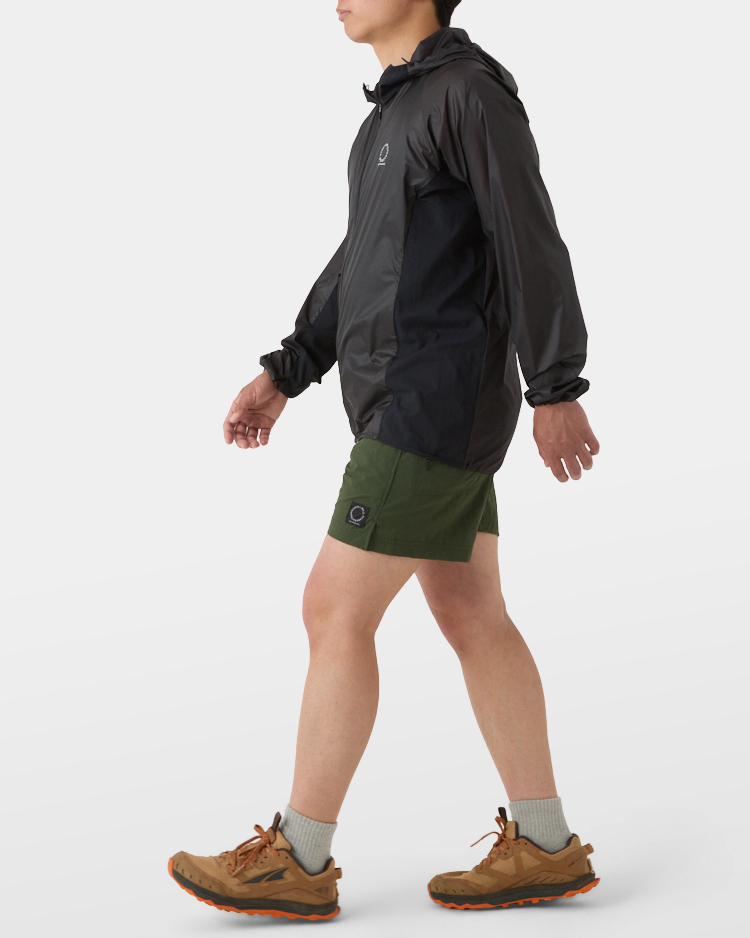
Size S 164cm 54kg
Black (Daiki)
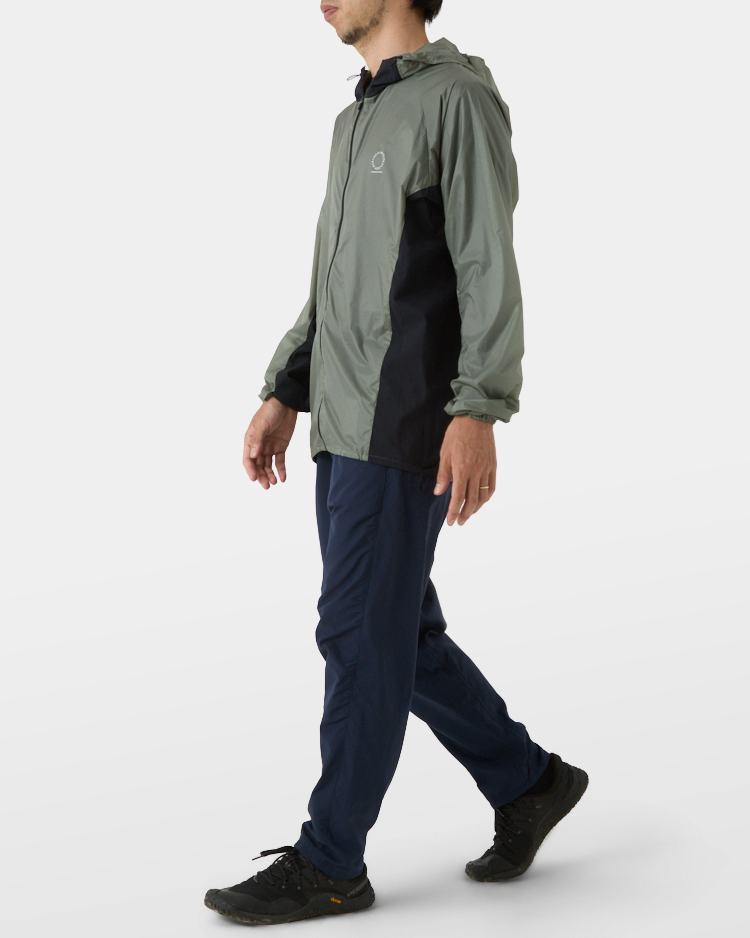
Size M 169cm 63kg
Slate Khaki (Beyonce)
Size L 177cm 73kg
Taupe (Seiichi)
Size XL 183cm 77kg
Dark Oive (Kenken)
Size S 164cm 54kg
Black (Daiki)
Size M 169cm 63kg
Slate Khaki (Beyonce)
Size L 177cm 73kg
Taupe (Seiichi)
Size XL 183cm 77kg
Dark Oive (Kenken)
Size S 164cm 54kg
Black (Daiki)
Size M 169cm 63kg
Slate Khaki (Beyonce)
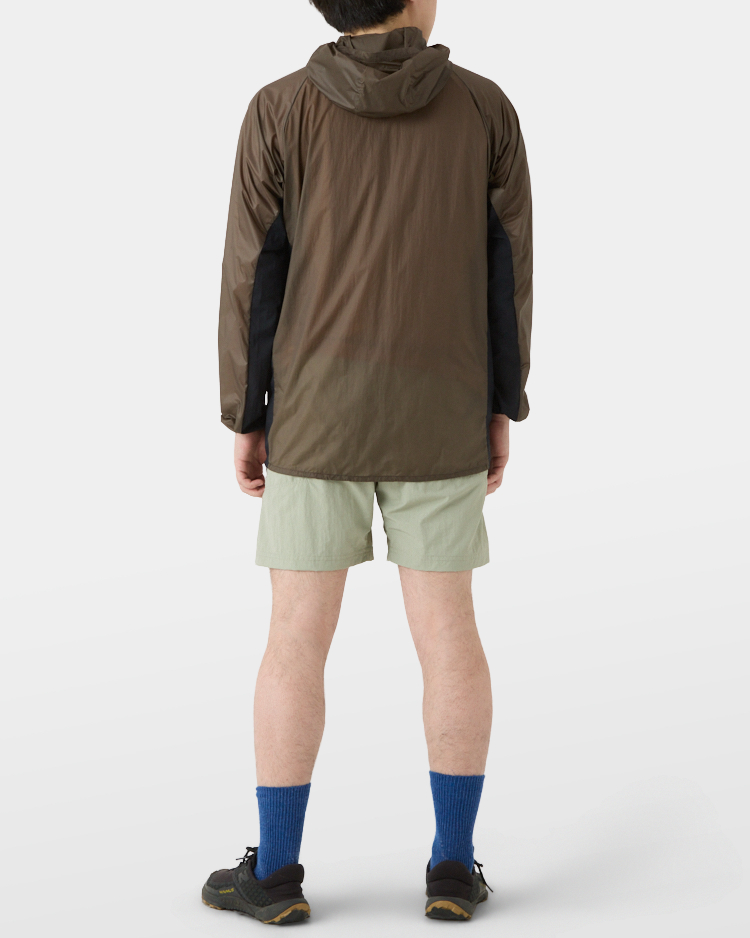
Size L 177cm 73kg
Taupe (Seiichi)
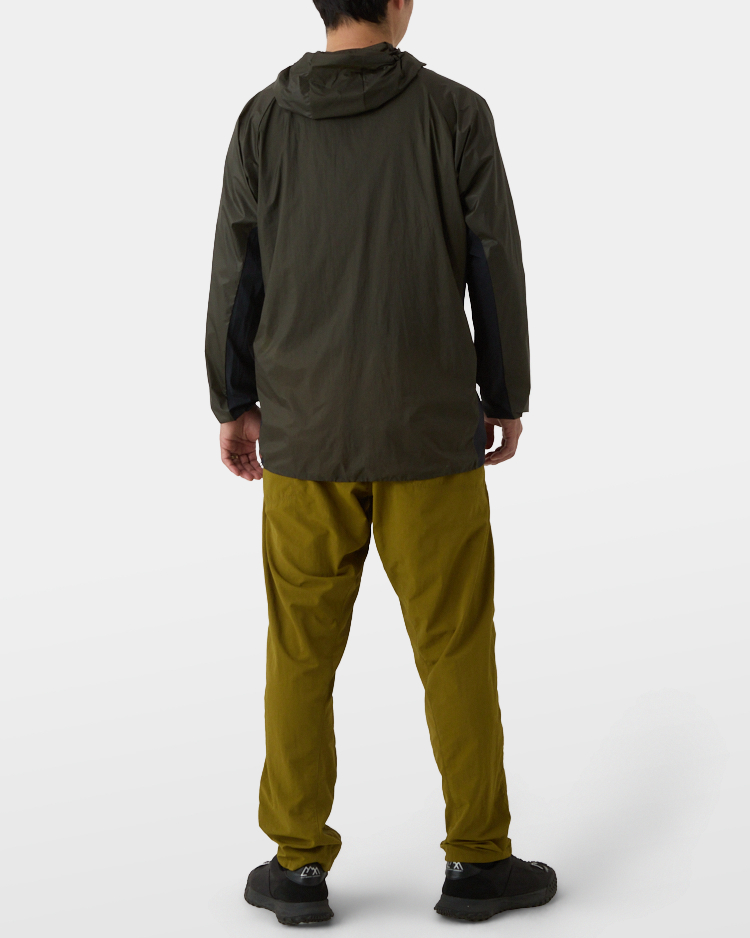
Size XL 183cm 77kg
Dark Oive (Kenken)
Size S 164cm 54kg
Black (Daiki)
Size M 169cm 63kg
Slate Khaki (Beyonce)
Size L 177cm 73kg
Taupe (Seiichi)
Size XL 183cm 77kg
Dark Oive (Kenken)
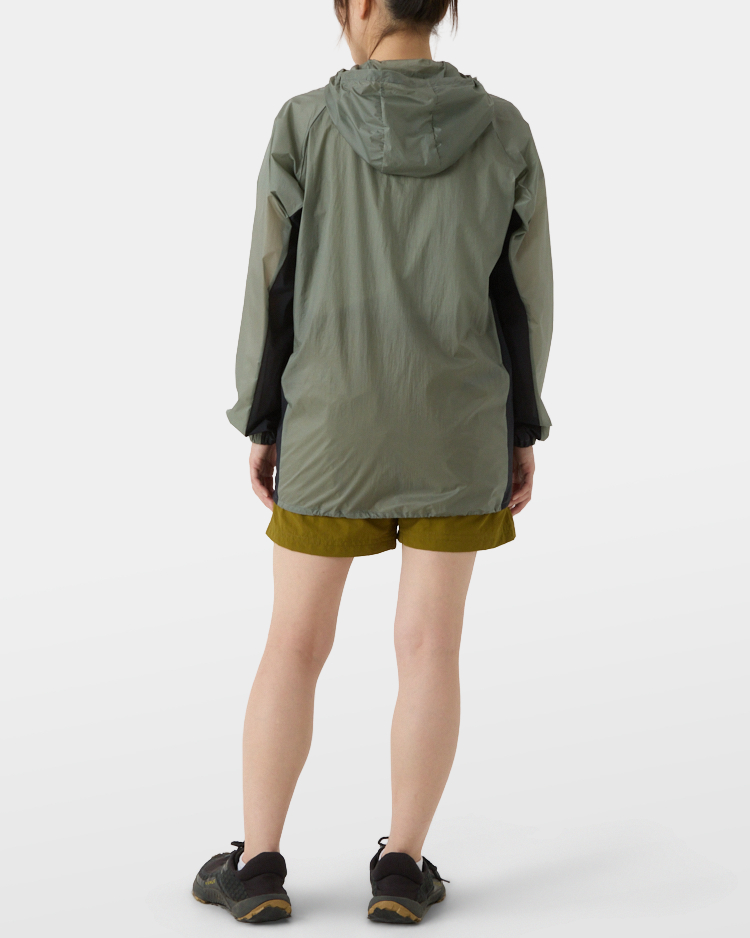
Fitting (women)
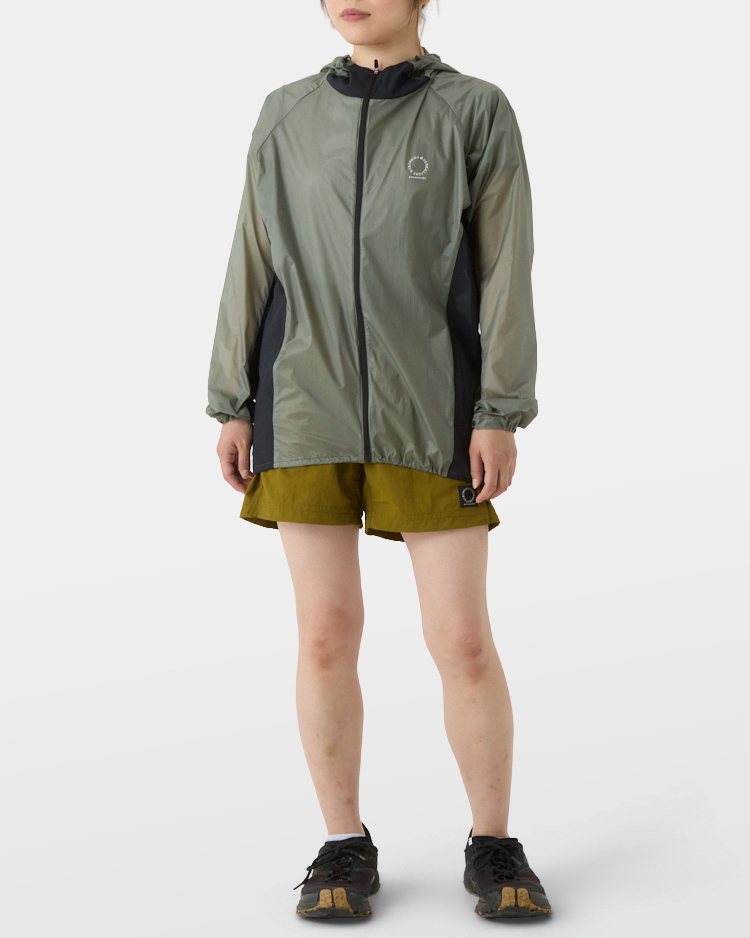
Size XS 153cm 44kg
Slate Khaki (Kotone)
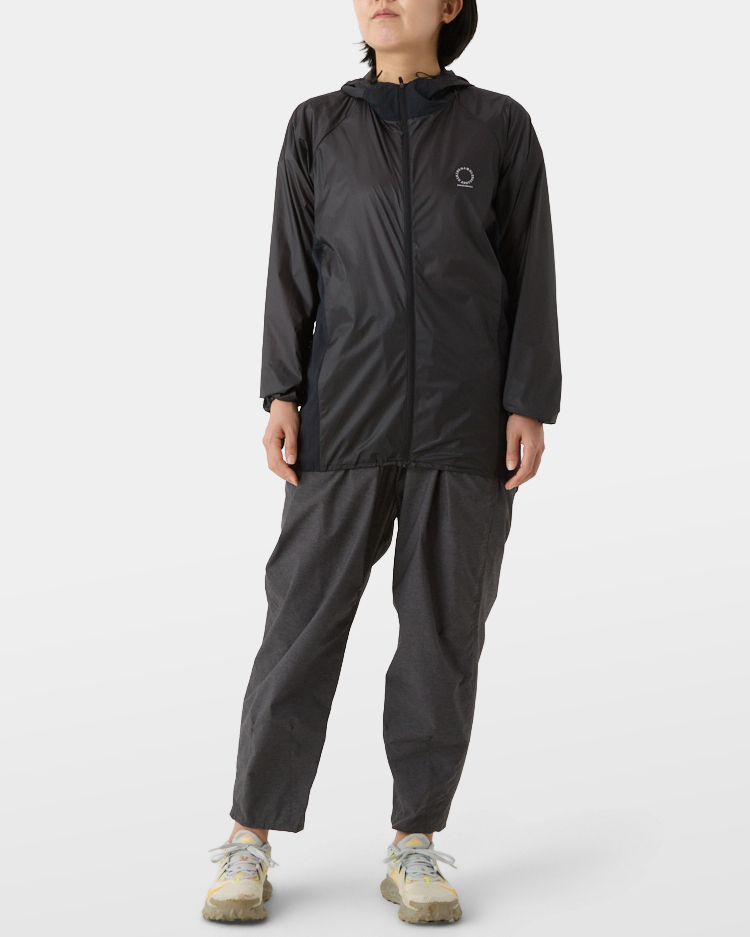
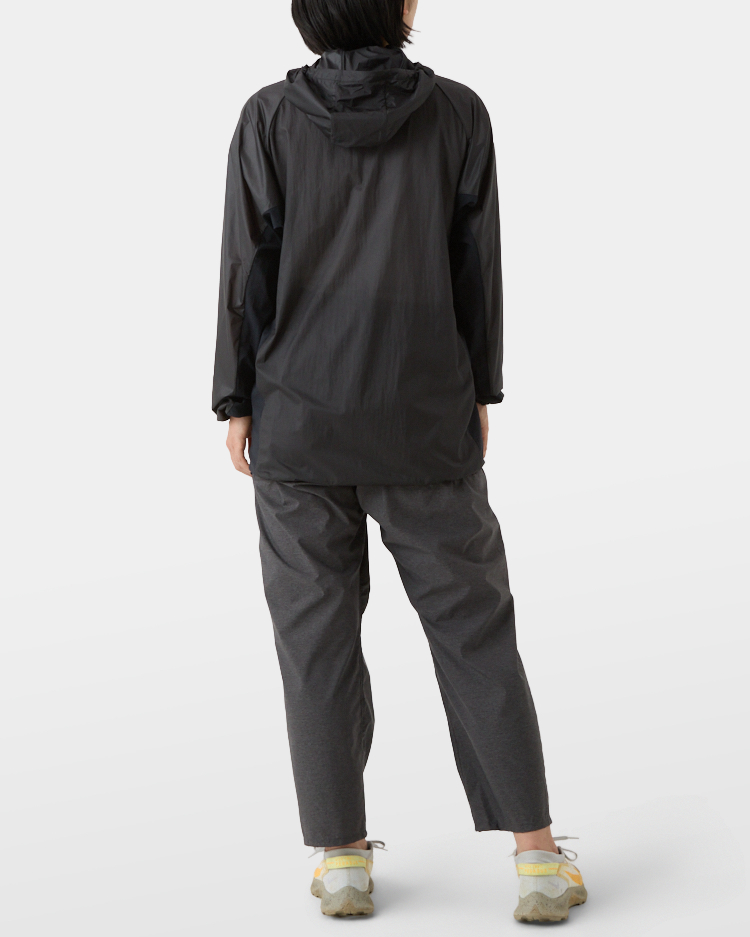
Size S 163cm 54kg
Nomad (Oto)
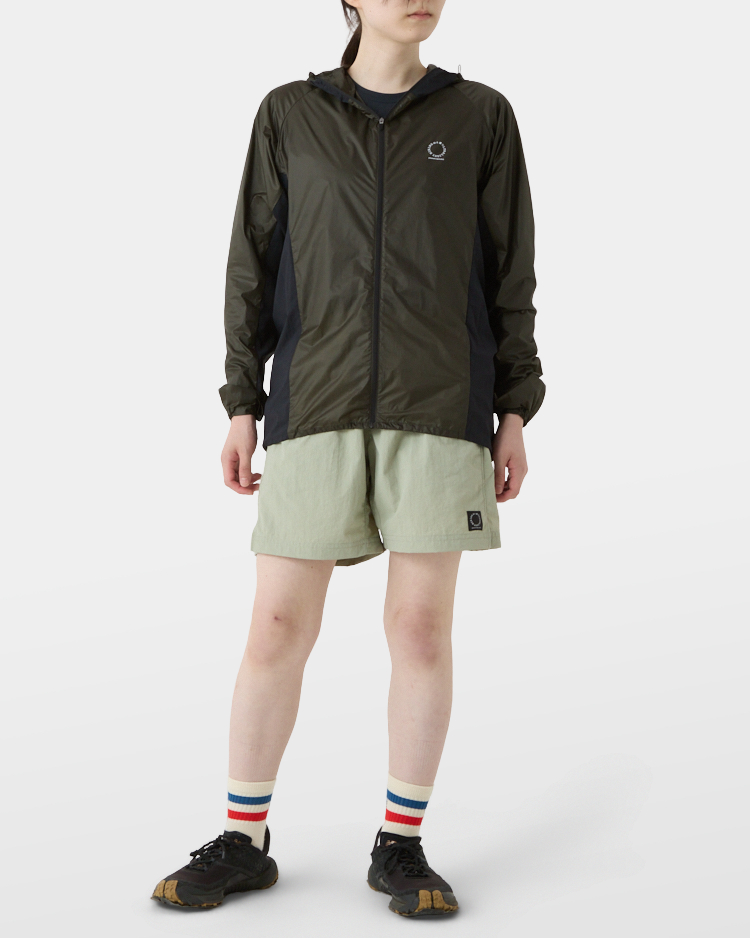
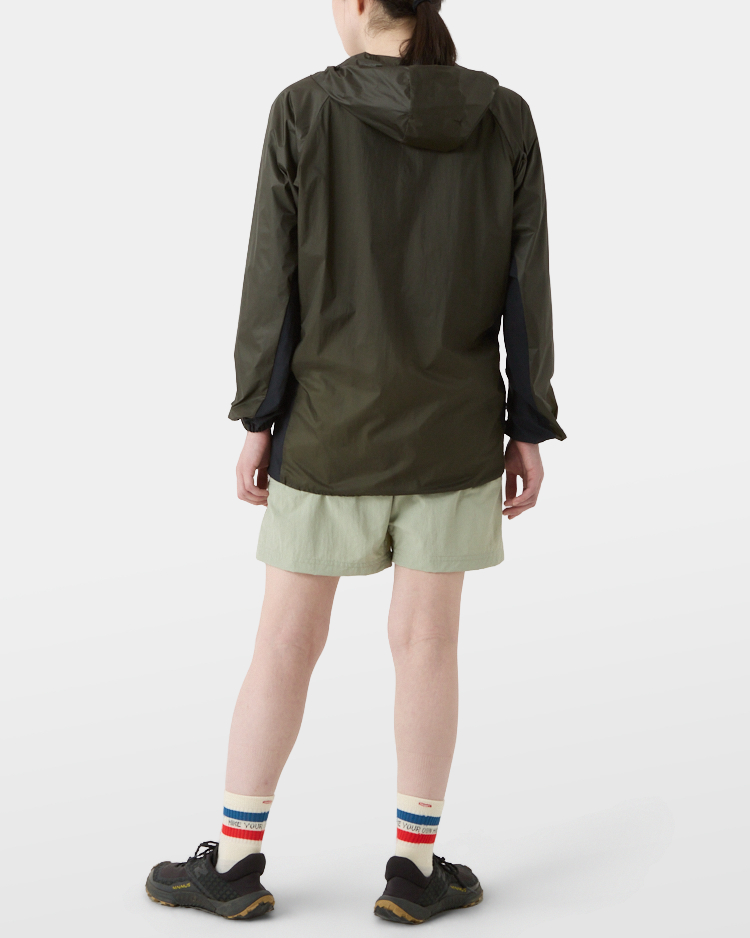
Size M 172cm 60kg
Night Blue (Miwa)
Size XS 153cm 44kg
Slate Khaki (Kotone)
Size S 163cm 54kg
Nomad (Oto)
Size M 172cm 60kg
Night Blue (Miwa)
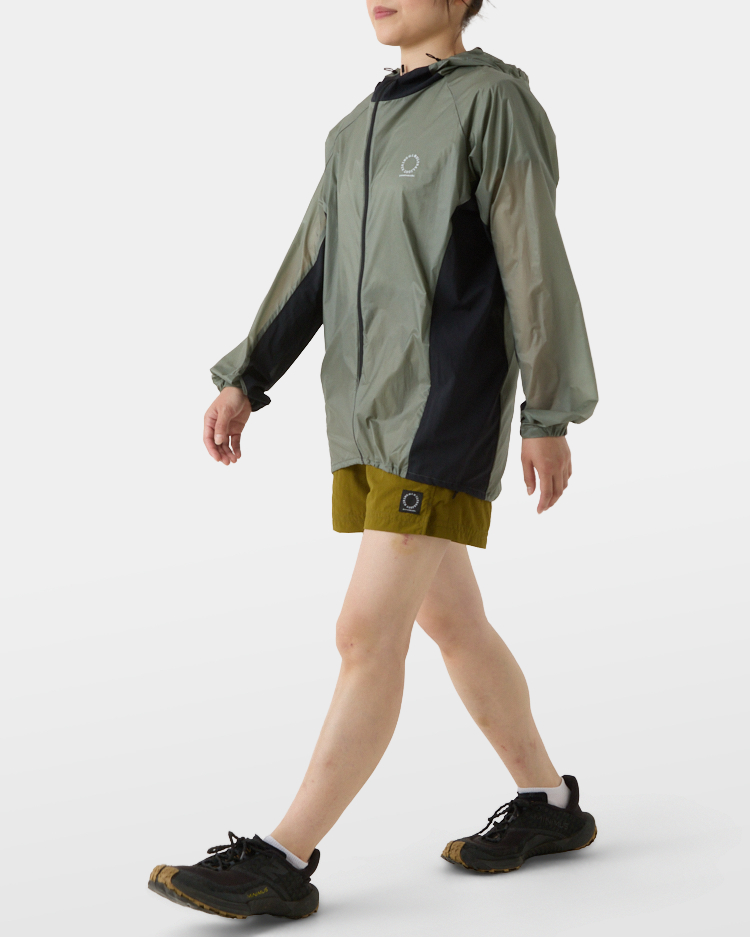
Size XS 153cm 44kg
Slate Khaki (Kotone)
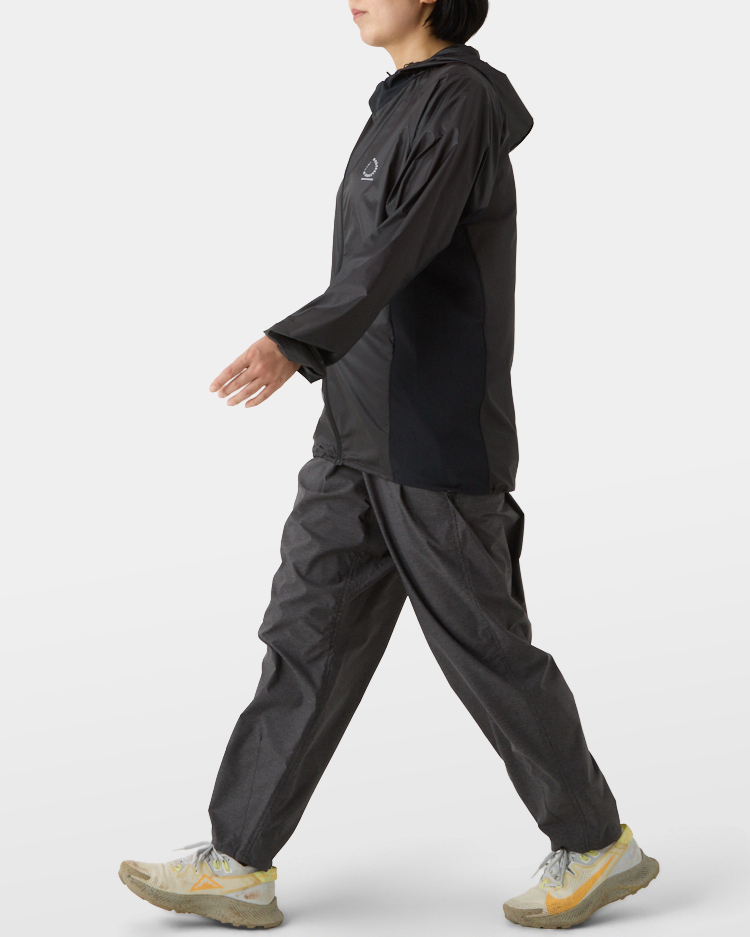
Size S 163cm 54kg
Nomad (Oto)
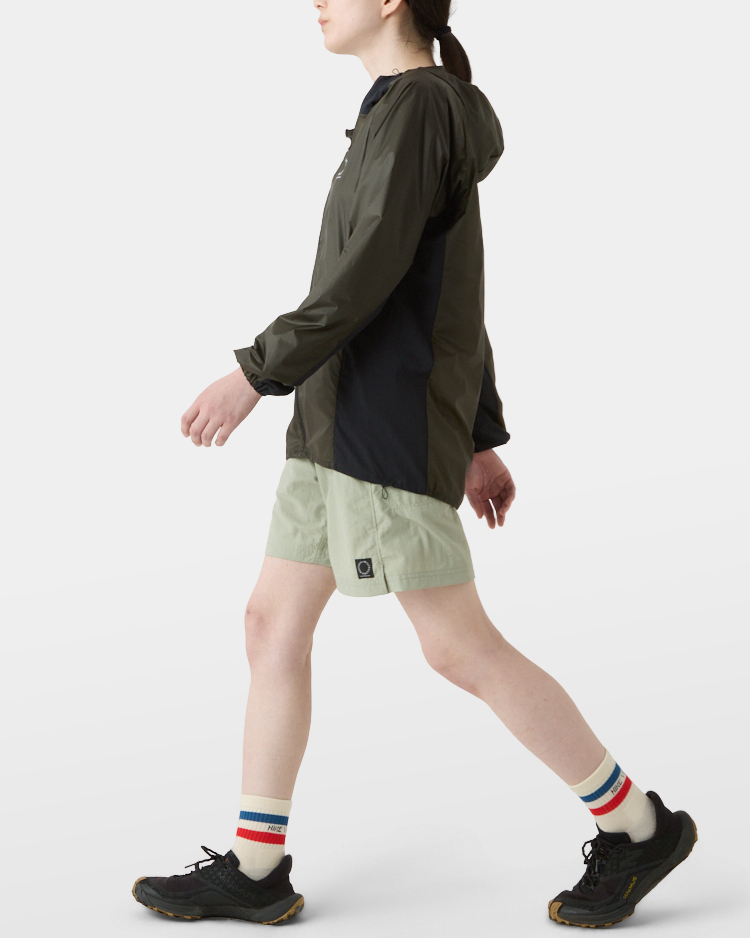
Size M 172cm 60kg
Night Blue (Miwa)
Size XS 153cm 44kg
Slate Khaki (Kotone)
Size S 163cm 54kg
Nomad (Oto)
Size M 172cm 60kg
Night Blue (Miwa)
Size XS 153cm 44kg
Slate Khaki (Kotone)
Size S 163cm 54kg
Nomad (Oto)
Size M 172cm 60kg
Night Blue (Miwa)
Size XS 153cm 44kg
Slate Khaki (Kotone)
Size S 163cm 54kg
Nomad (Oto)
Size M 172cm 60kg
Night Blue (Miwa)
Instructions
Care instructions
- Wash at 40°C or below.
- Hang dry in the shade.
- Tumble dry on low heat (maximum 60°C).
- Do not use fabric softener or bleach.
- Iron on low heat without steam.
- Do not iron directly over snap buttons, other components, or printed areas.
- Do not dry clean.
Care page
For detailed tips on how to wash, store, and take care of your gear, visit our Care page.
Payment
- We only accept payment by credit card for orders from overseas.
- Bank transfer is available only to customers with a Japanese bank account.
- We accept the following credit cards: Visa, Mastercard, American Express, and JCB.
- To download your receipt, please click the link included in the dispatch notice email, which will be sent once your order has been shipped.
Delivery
- You will receive an order confirmation email after completing your purchase.
- Orders paid by 15:00 JST on weekdays or 13:30 JST on weekends and Japanese public holidays will be shipped the same day. Orders paid after these times will be shipped the following day.
- Shipping and delivery may be delayed due to holiday periods, natural disasters, severe weather, high order volumes, additional order verification, or other logistical issues.
- You will receive a shipping confirmation email once your order has been shipped.
- Orders placed separately cannot be combined for shipping.
Shipping Within Japan
When purchasing this product on its own, Yamato Transport’s lower-cost Nekopos service is available.
Shipping: ¥250
- Your order will be delivered to your mailbox or parcel box.
- Loss or damage is not covered.
- Delivery usually takes one to two days after dispatch, though some areas may take longer.
- Tracking is available.
- Delivery dates and times cannot be specified.
Orders containing two or more items will be packed together in a paper bag or cardboard box and shipped by Yamato Transport.
Shipping: ¥500 / ¥950 to Okinawa
International Shipping
- Orders to North America, Oceania, and Europe are shipped via DHL. Orders to Asia, the Middle East, Central and South America, and Africa are shipped via EMS (Express Mail Service). We are currently unable to ship to Russia due to Japanese postal restrictions.
- Shipping fees and delivery times vary depending on the destination and the size and weight of your order. To check the exact shipping fee, add your desired items to your cart and enter your shipping address.
Packaging Options
When purchasing this product on its own, you can choose your preferred packaging for all shipping methods other than Nekopos, including international shipping.
- Standard Packaging: The shipping label is attached directly to the product packaging. We recommend this option to reduce waste.
- Protective Packaging: The product packaging is placed inside a paper bag or cardboard box. Choose this option if you do not want the shipping label attached directly to the product packaging.
Size exchange
Choosing the right size online can be difficult. To make your purchase easier, Yamatomichi offers a size exchange program for eligible items. To request a size exchange, please use our size exchange form here. Please review the conditions below before submitting your request.
- We only accept exchanges when the item is unused (except for fitting).
- If you would like to exchange your item for a different size, please contact us within seven days of receiving your order.
- Exchanges are available only for the same color in a different size.
- If your preferred size is out of stock, we may suggest a different color instead.
- If the product is no longer available, we may need to return the original item to you.
- All shipping costs are the responsibility of the customer.
- We will send the exchanged item after receiving payment for the return shipping cost via PayPal.
- Please note that some countries may charge customs duties depending on the value of the item.
- We are unable to advise on local customs regulations. Please contact your local customs office directly.
Repair
We accept repairs for all of our Yamatomichi products. For inquiries on repair services including patching the holes, repairing with extra components, or fixing the items damaged over time, please feel free to contact us from the “Repair” section of the SUPPORT page.