




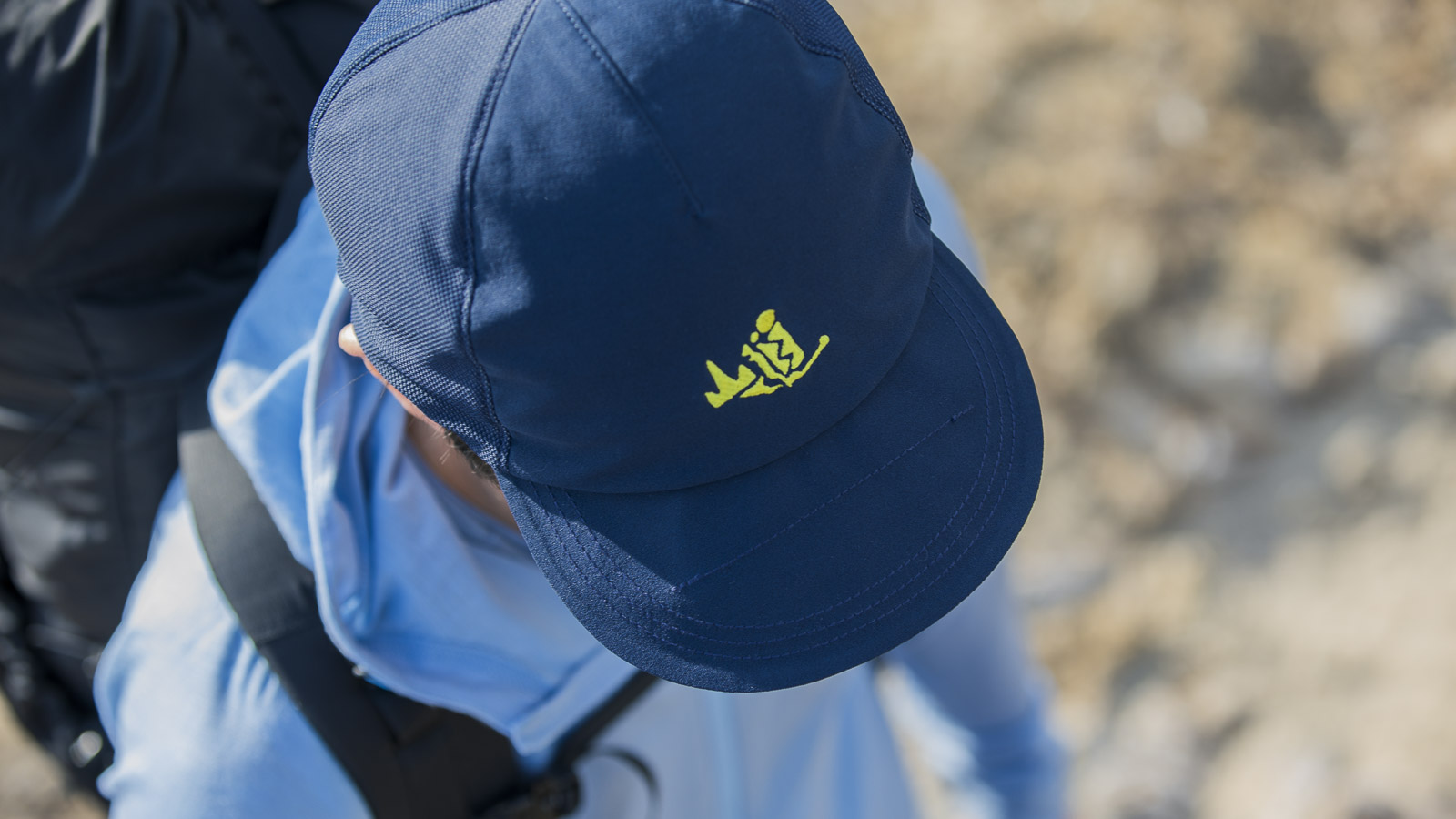
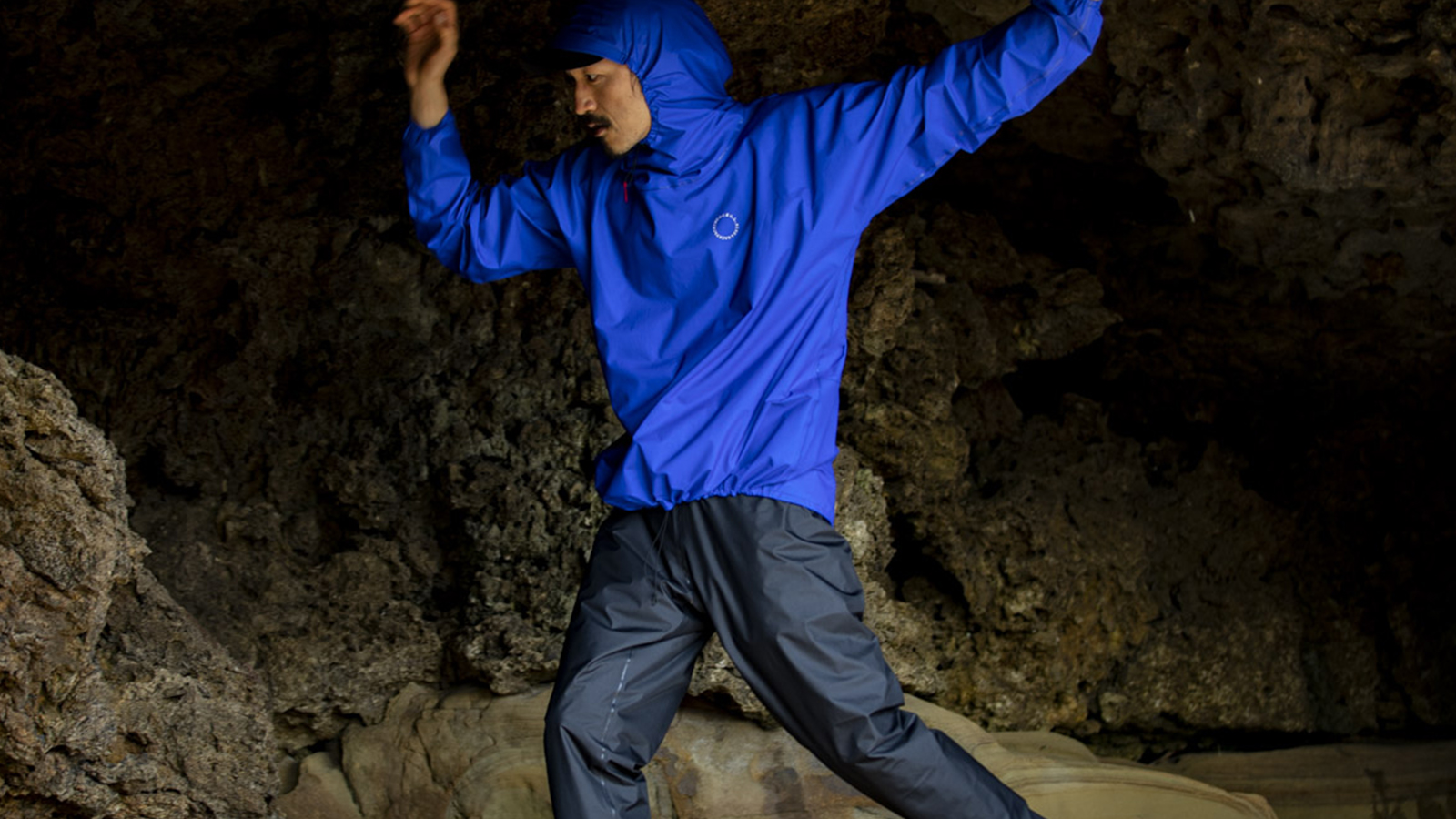
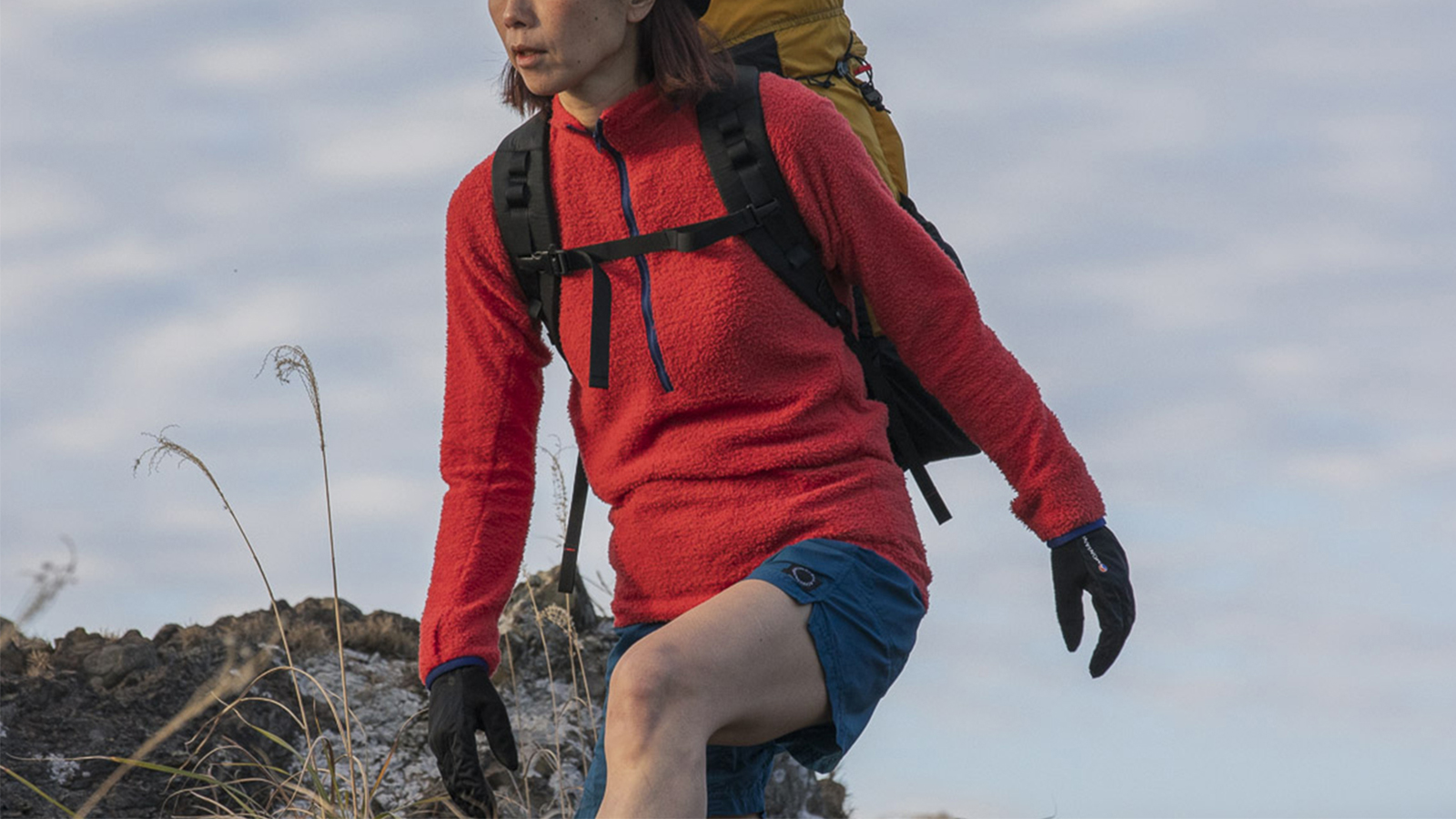
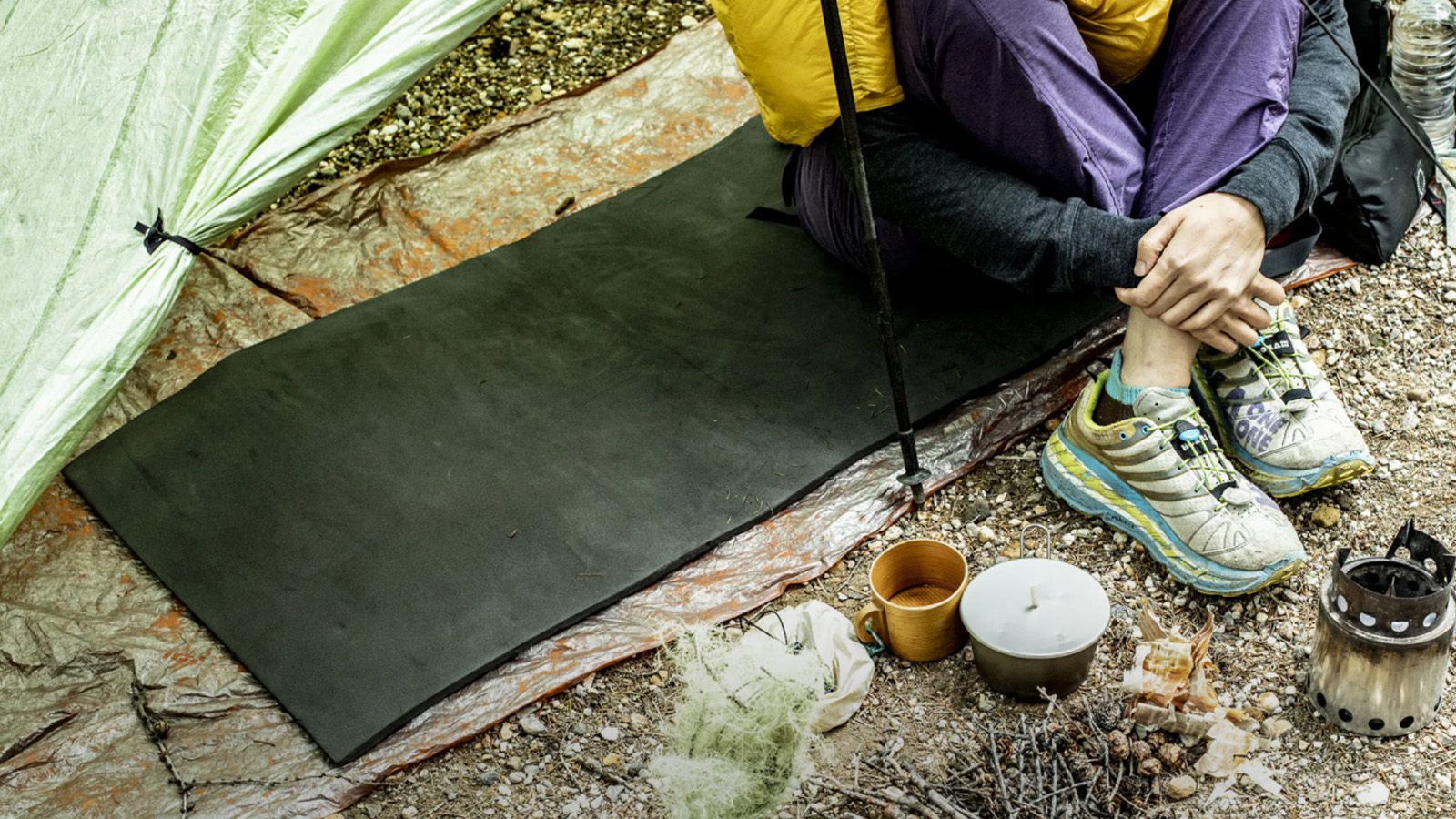

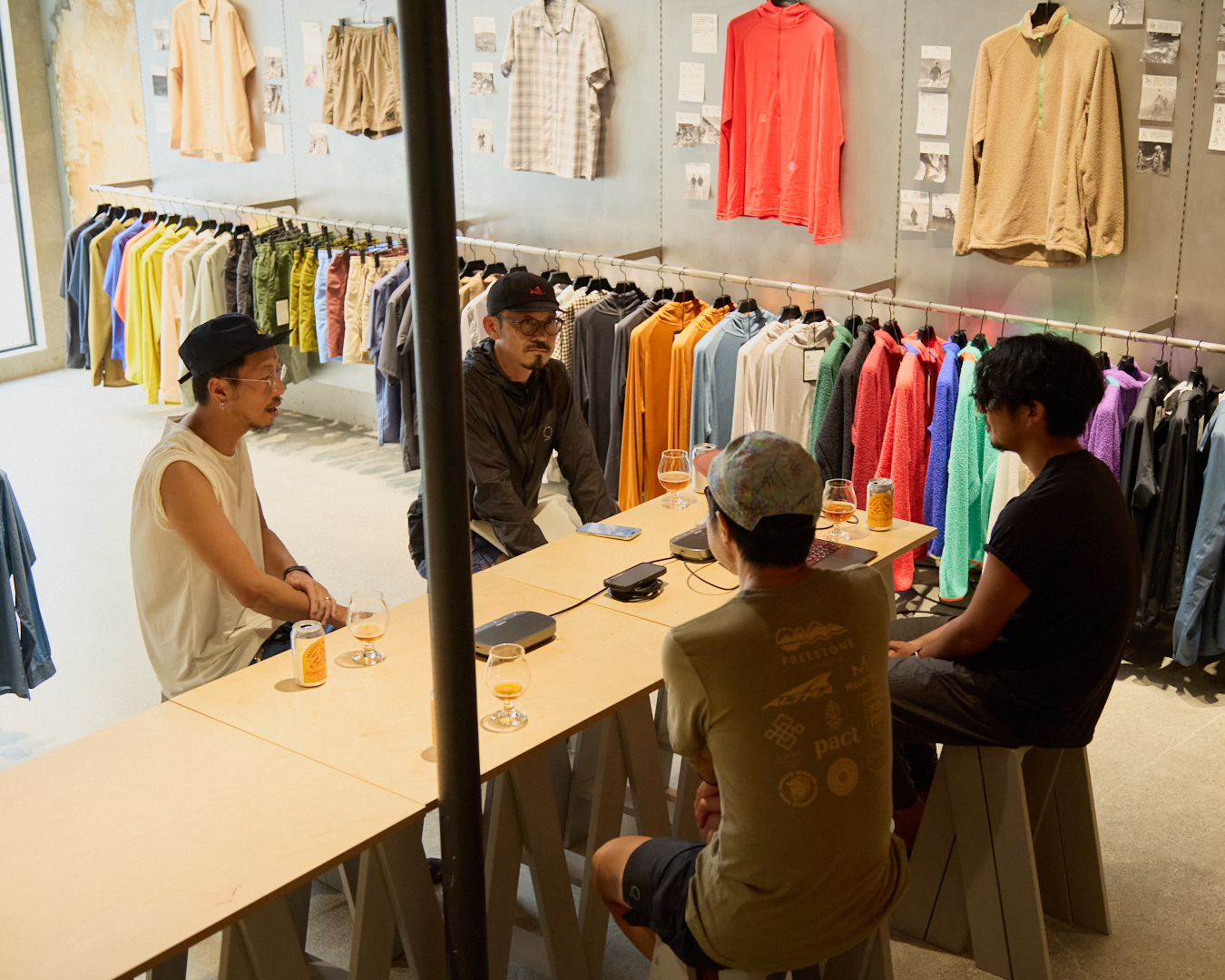
For our seventh PRODUCT FOCUS roundtable, our founder, Akira Natsume, sat down with R&D developer Takahiro Watanabe, Yamatomichi Kamakura store manager Daishi Sonoda, and HLC ambassador Hidenori Maehara to talk about the new Wind Zip Hoody. From the thinking behind its development to its practical uses on the trail, they discuss what makes this new piece stand out.
Staff profiles

夏目 彰|山と道 代表
2011年に妻とふたりで山と道をはじめる。今も新しいメーカーのあり方を模索中。

渡部隆宏|リサーチャー素材やアウトドア市場など各種のリサーチを担当。山は0泊2日くらいで長く歩くのが好き。たまにロードレースやトレイルランニングレースにも参加している。
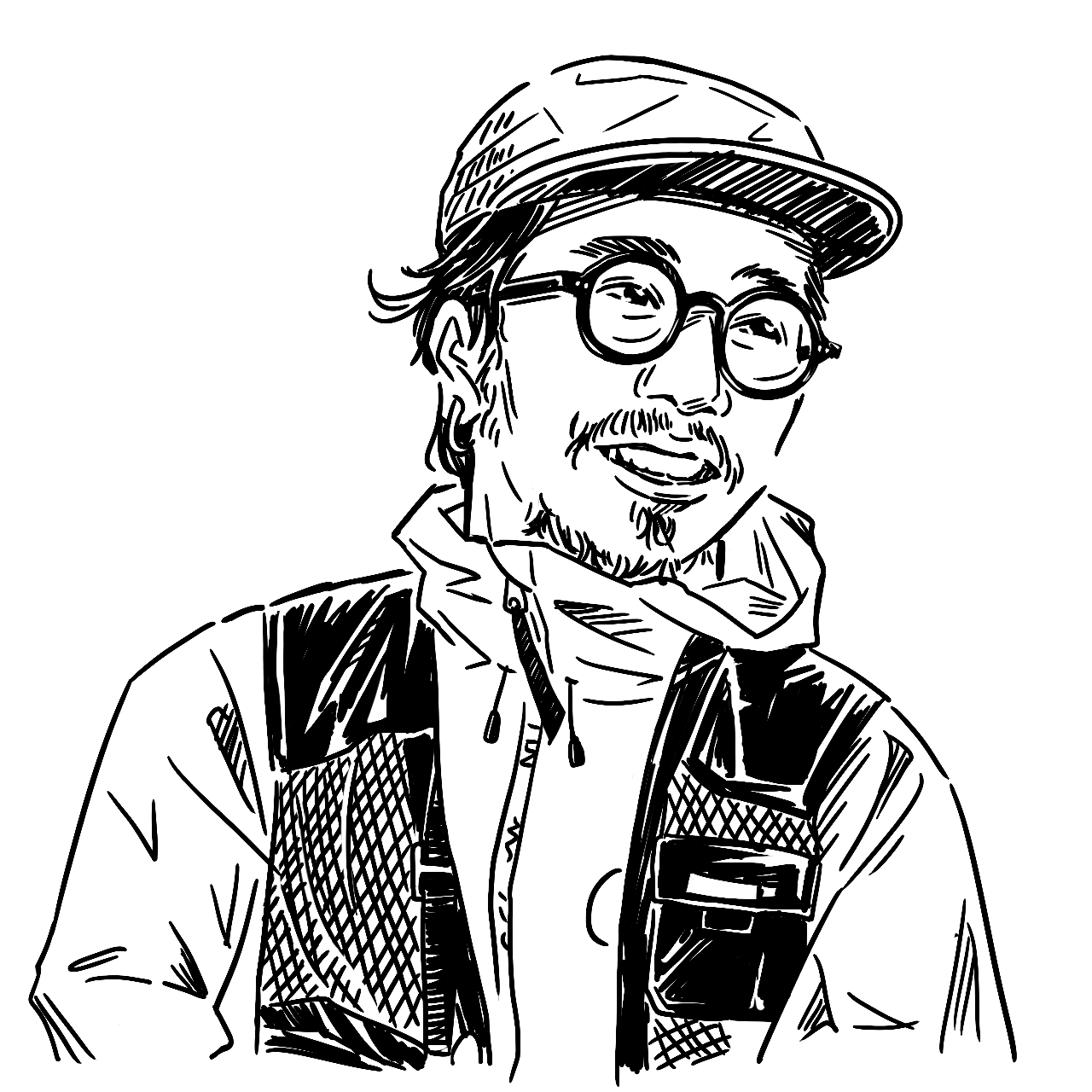
苑田 大士(おーじ)|山と道鎌倉店長/山と道HLCアンバサダー
編集に農業に狩猟と多彩。ウルトラライトのスタイルで山を歩いて10年以上。
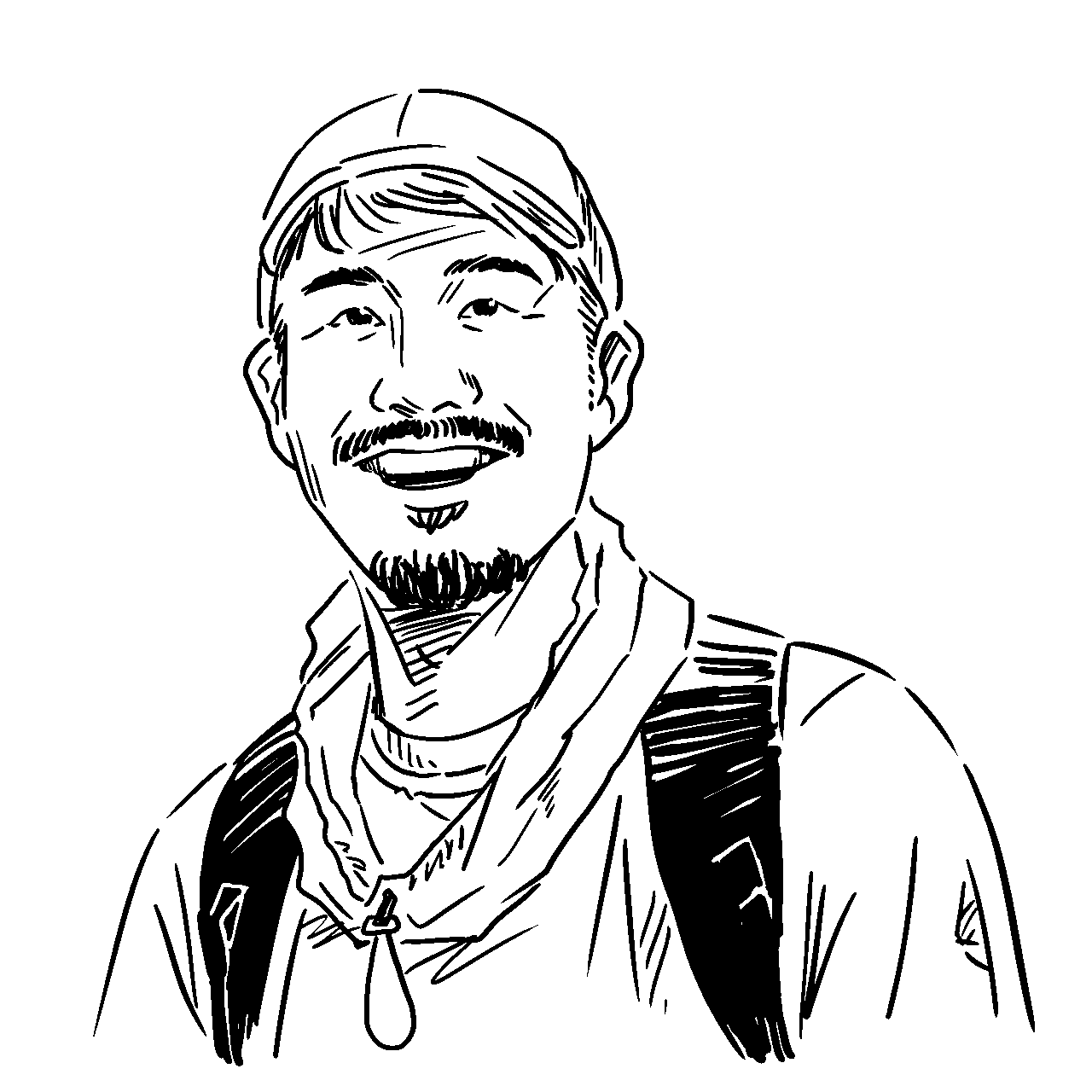
前原 秀則|山と道HLCアンバサダー/グループリーダー
元理学療法士。ニュージーランドの長いトレイルを歩いて、ウルトラライトハイキングに夢中になった人。
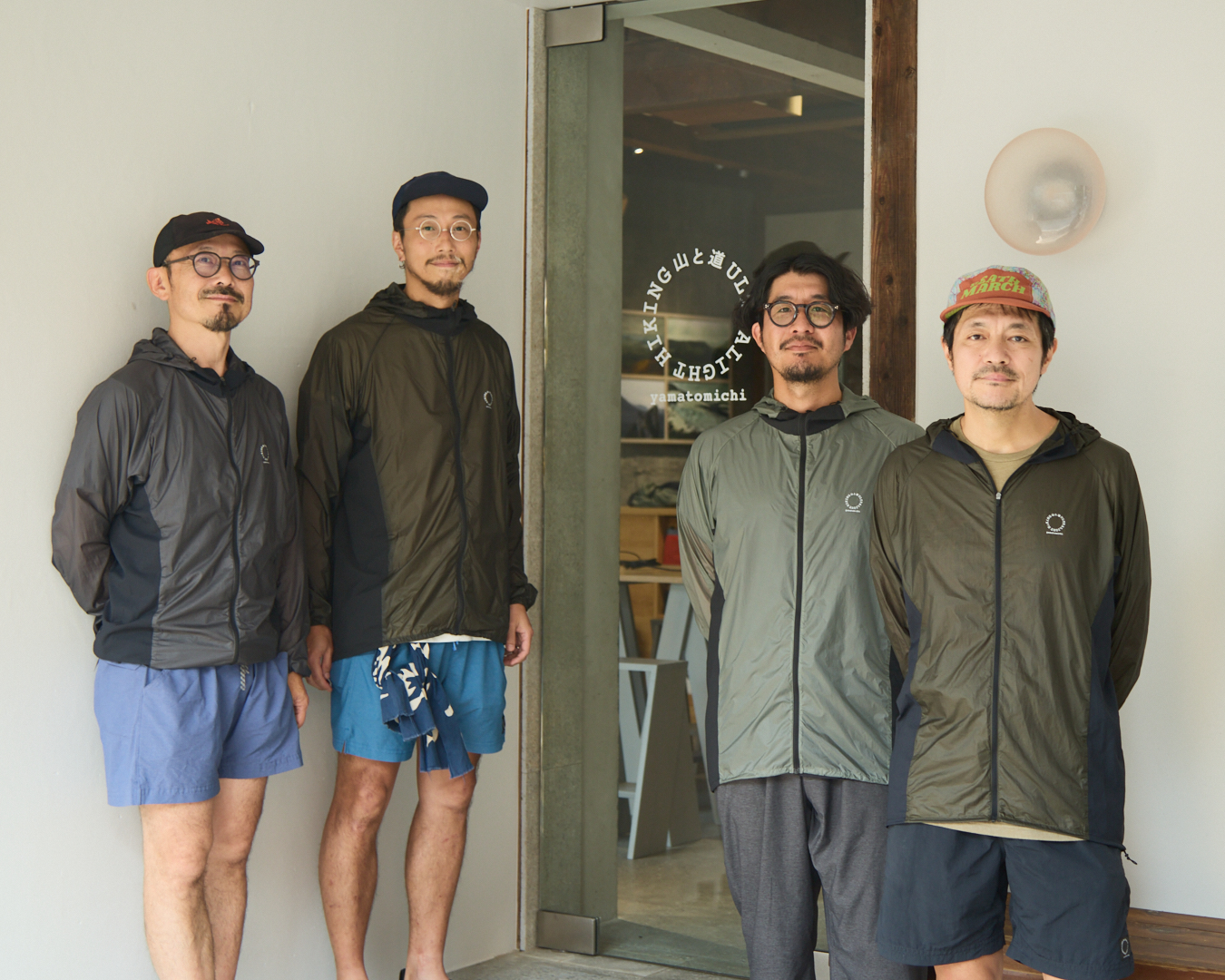
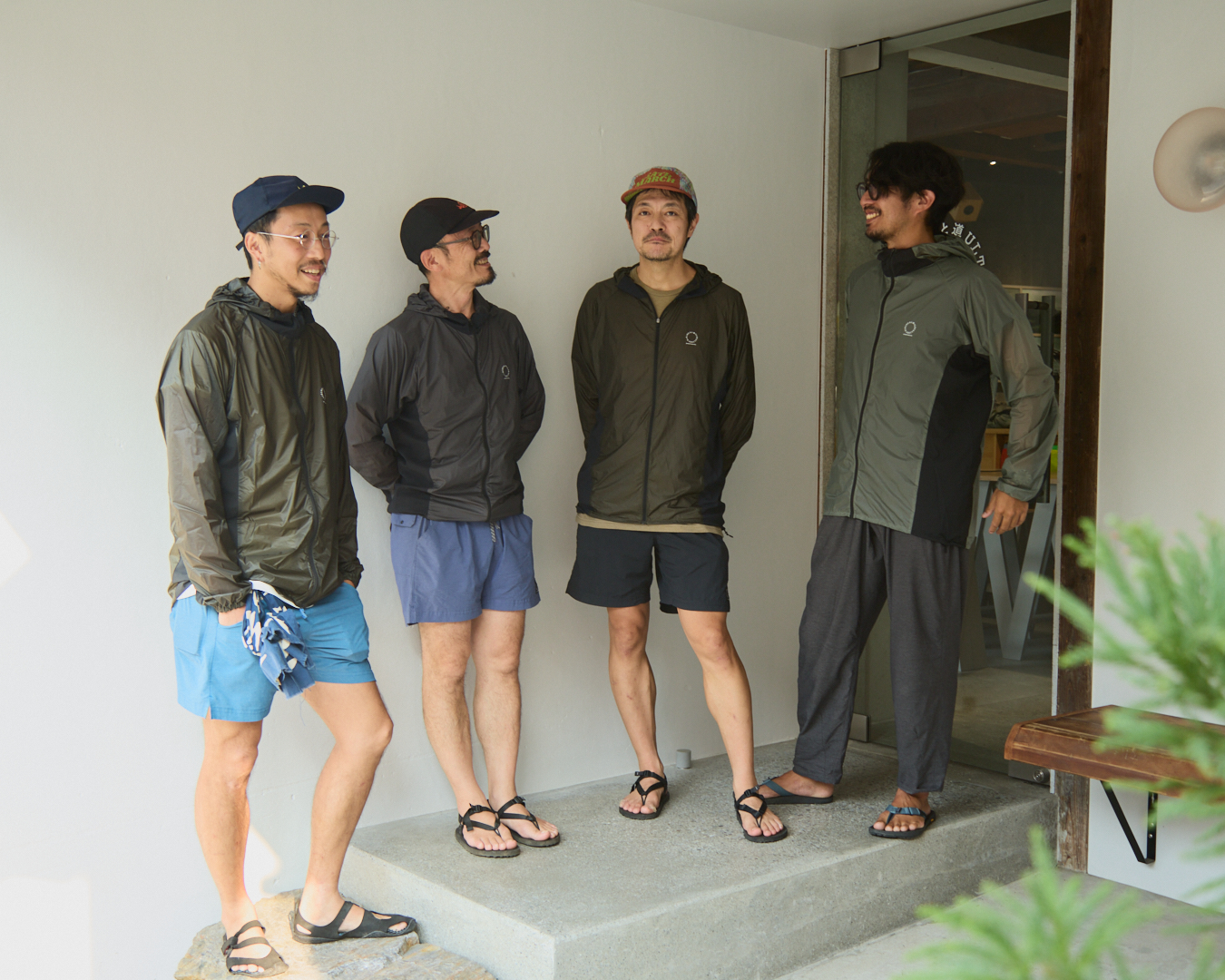
From left: Akira Natsume, Oji Sonoda, Hidenori Maehara, and Takahiro Watanabe.
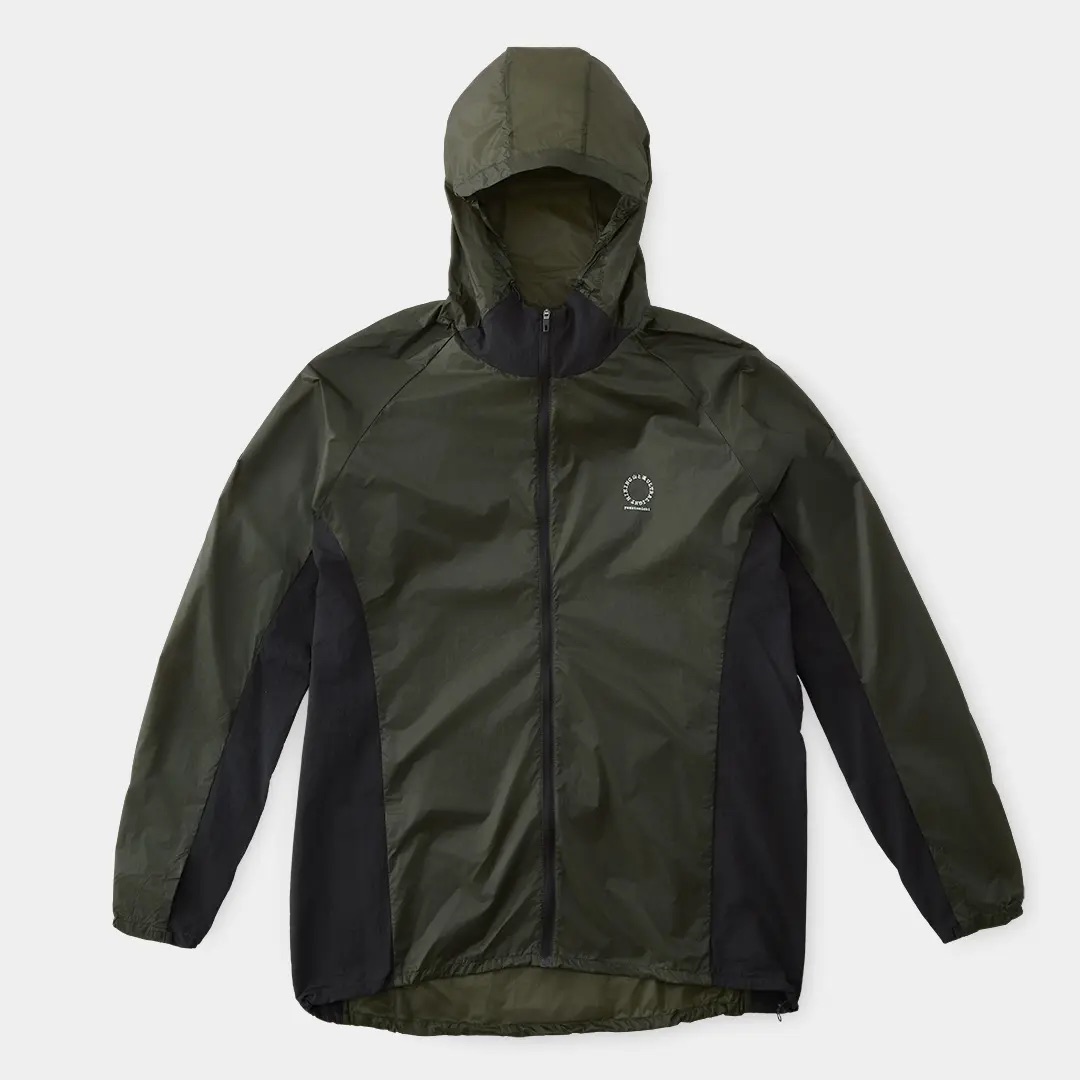
How did the Wind Zip Hoody get started?
ーLet’s start at the beginning. When did this project first get going?
Takahiro It started when Akira said, “We still don’t have a wind shell we’re really happy with.” From there, we began searching for fabrics, and I’ve been involved throughout development.
Hidenori I’d heard a wind shell was being developed, but the first time I actually saw a prototype was about two years ago.
Oji I remember Akira talking about making one around 2019. It was probably about two years ago that it finally started to look like a real product.
ーDevelopment actually started around the same time as the UL Shirt, so 2019 sounds right.
Takahiro We were looking for ultralight fabrics with some structure to them, something like the Pertex Quantum Air used in the Light Alpha Vest/Jacket. We collected a huge number of samples, testing different weights, textures and properties.
Oji How many prototypes did you actually make?
ーAfter seven years, I honestly can’t remember. A lot. (laughs)
Takahiro One early prototype used highly breathable fabric throughout, but it was incredibly cold to wear. Development stalled for a while after that.
ーAbout two years ago, we thought it was ready to launch, but we reconsidered and stopped. We tried again the following year, and stopped again.
Takahiro Part of the problem was that whenever we thought we’d found the right fabric, the manufacturer would come out with something that looked even better. Of course, we wanted to test that too.
Development involved testing a huge number of fabrics and prototypes.
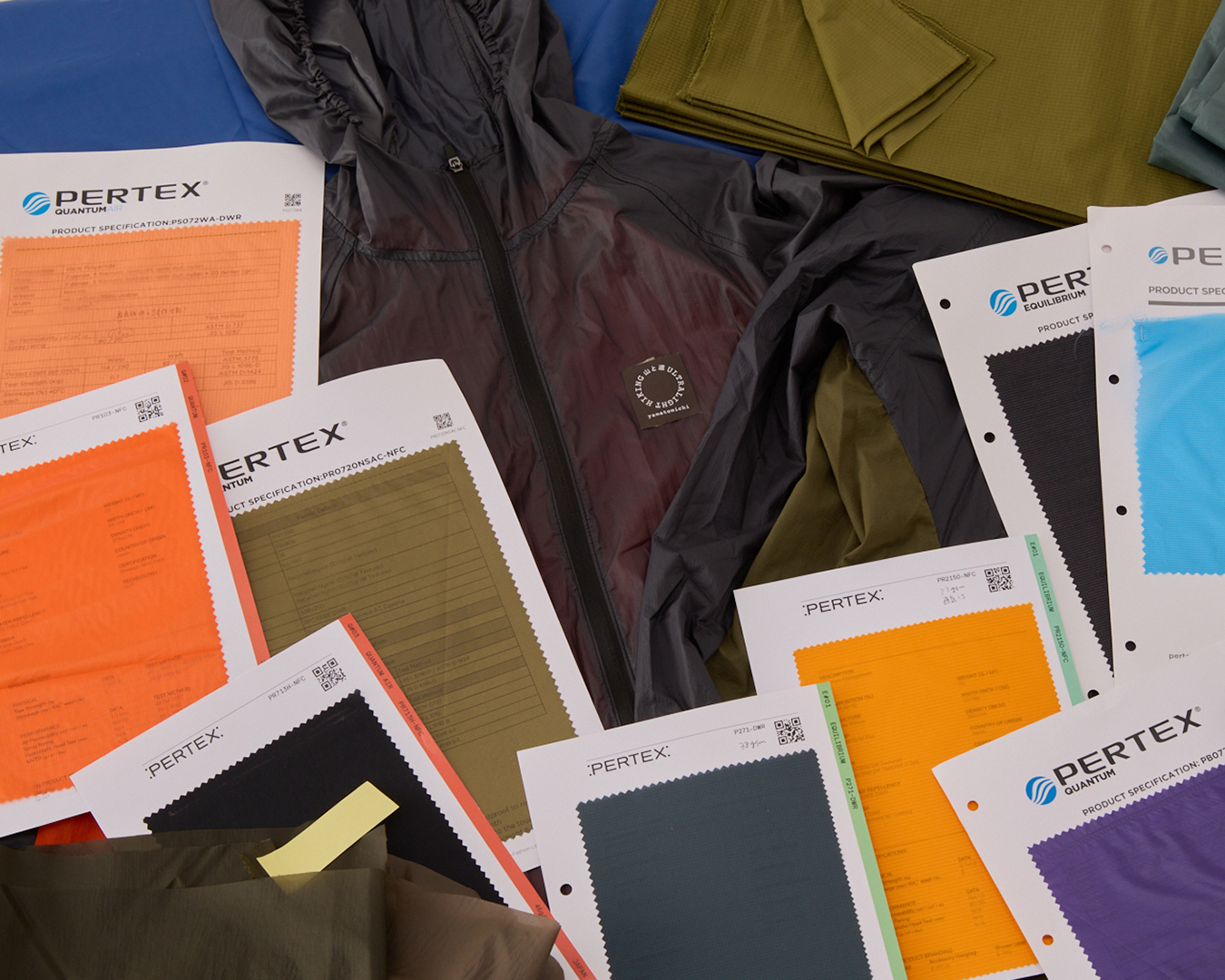
Development involved testing a huge number of fabrics and prototypes.
What stood out when you first tried it?
Hidenori At first, I wasn’t sure we really needed a wind shell. I thought the UL Shirt already did the job.
But once I tried the Wind Zip Hoody, I could feel the difference. Wind can still get through the gaps between the buttons on the UL Shirt, but the Wind Zip Hoody closes completely with a zipper, so it blocks much more wind.
The UL Shirt still has a great balance of comfort and protection, but the Wind Zip Hoody is noticeably lighter and feels like a different piece of gear.
ーI felt the same way for a long time. If it was only lighter, I’d still choose the UL Shirt. We needed to give it a clear reason to exist.
ーWhat else stood out once you started using it?
Oji The different fabrics on the front and back caught my attention straight away.
Until now, I’d mostly used the UL Shirt or UL All-weather series for wind protection, so I was curious how this would feel. I was surprised by how much wind the front and outer sleeves could block, especially considering how thin the fabric is.
ーWhat about you, Takahiro? You’ve been involved from the beginning.
Takahiro I’ve always liked wind shells. I run quite a lot, but I don’t sweat as much as some runners, so they’ve always worked well for me. I also prefer having a hood, which our trail shirts don’t have.
Before this, I mostly used the Patagonia Houdini. A lot of ultralight wind shells cling to sweaty skin, so I preferred something with a little more structure, even if it weighed slightly more.
That’s what impressed me about the Wind Zip Hoody. It’s incredibly light, but the fabric still has that crisp feel.
And being able to push up the sleeves makes a huge difference. Sometimes I want to keep my torso warm, but once I start heating up, it’s my arms where I first notice the fabric against my skin.
Being able to roll up the sleeves means I can keep wearing it much longer.
Oji I noticed that too.
Takahiro I can’t say I can clearly feel air escaping through the back and underarm panels, but the fabric doesn’t cling closely to the skin, and overall it feels well ventilated.
The biggest difference for me is that I can keep it on through a wider range of conditions instead of constantly taking it off and putting it back on.
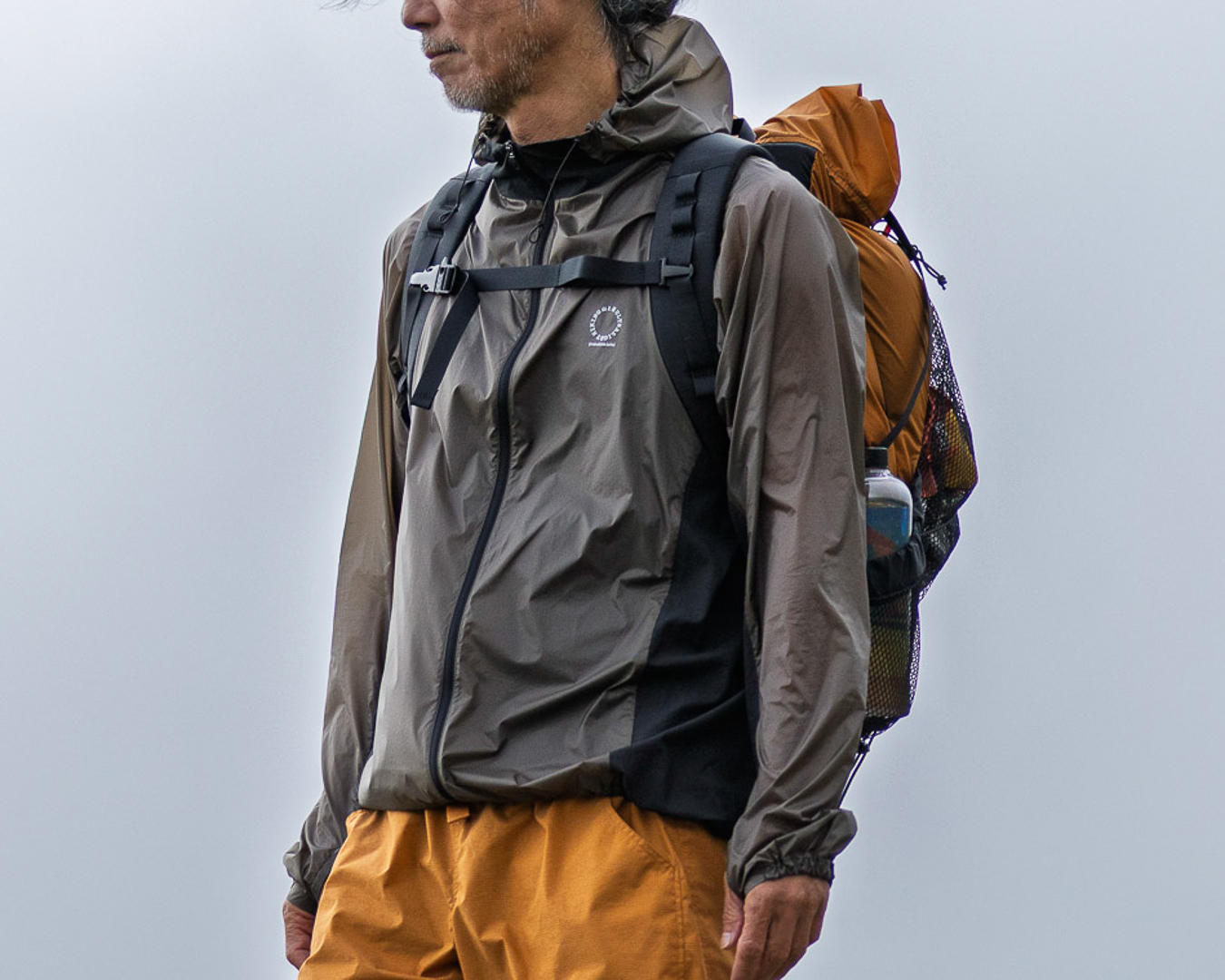
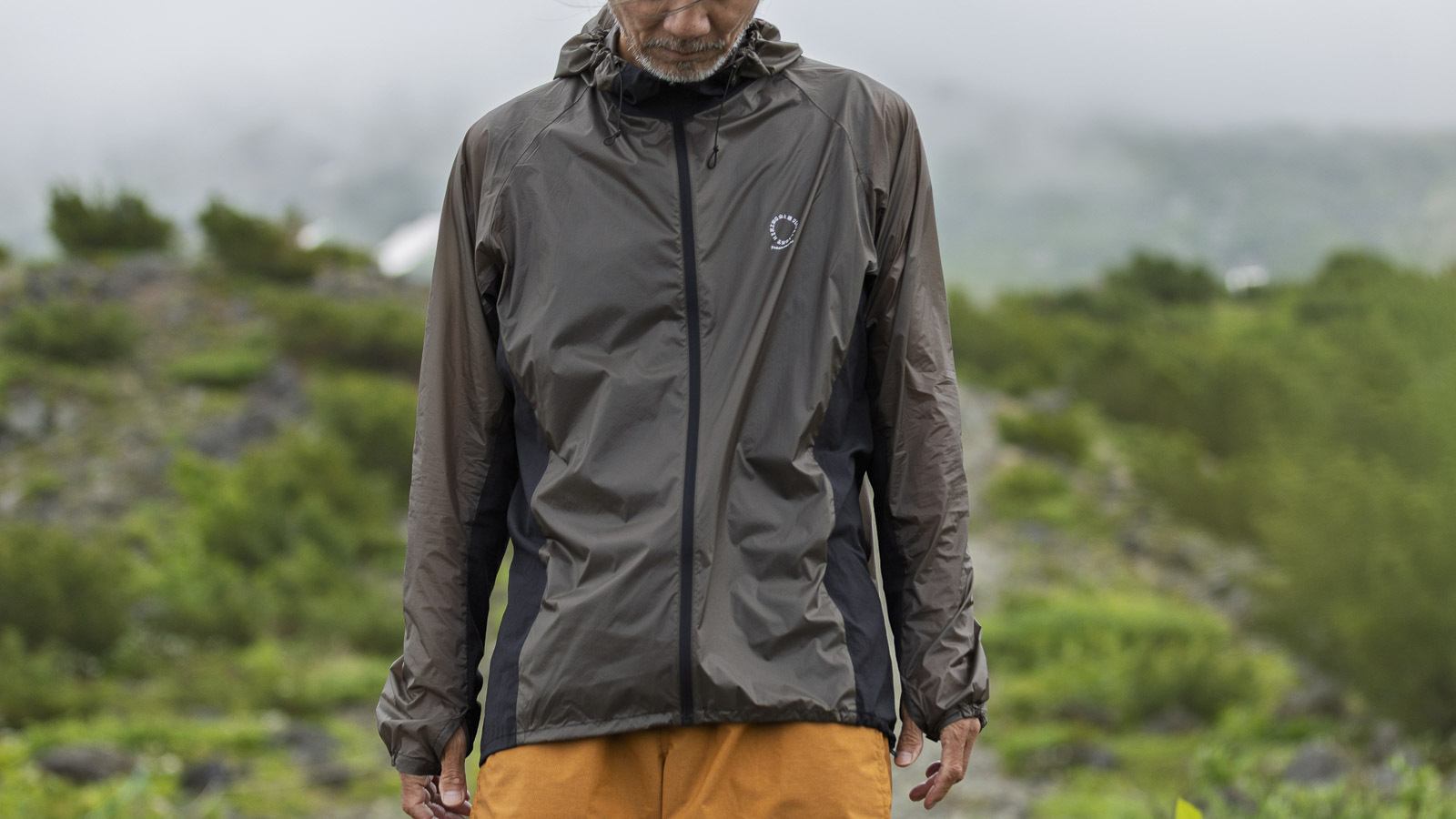
Color: Taupe
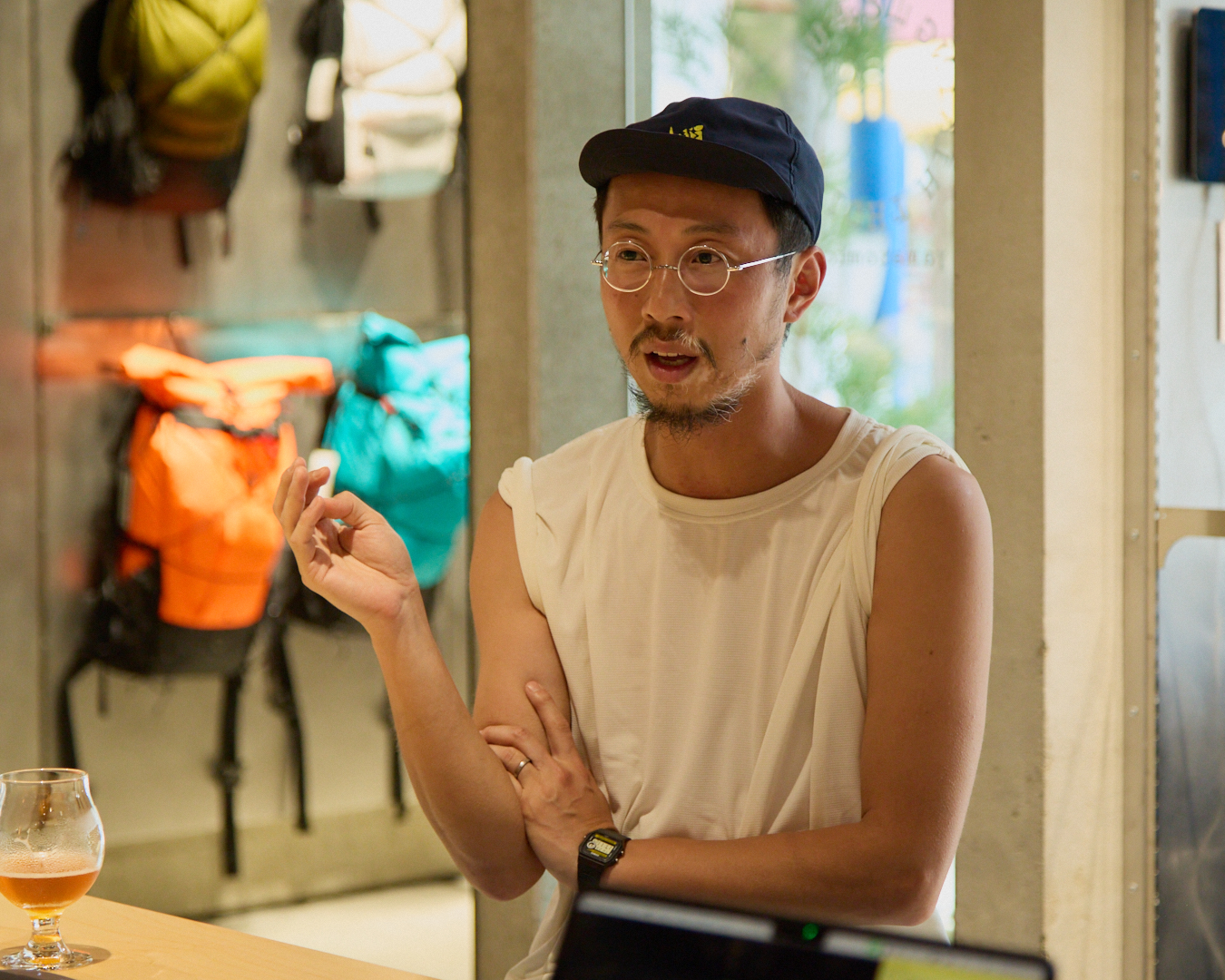
Oji
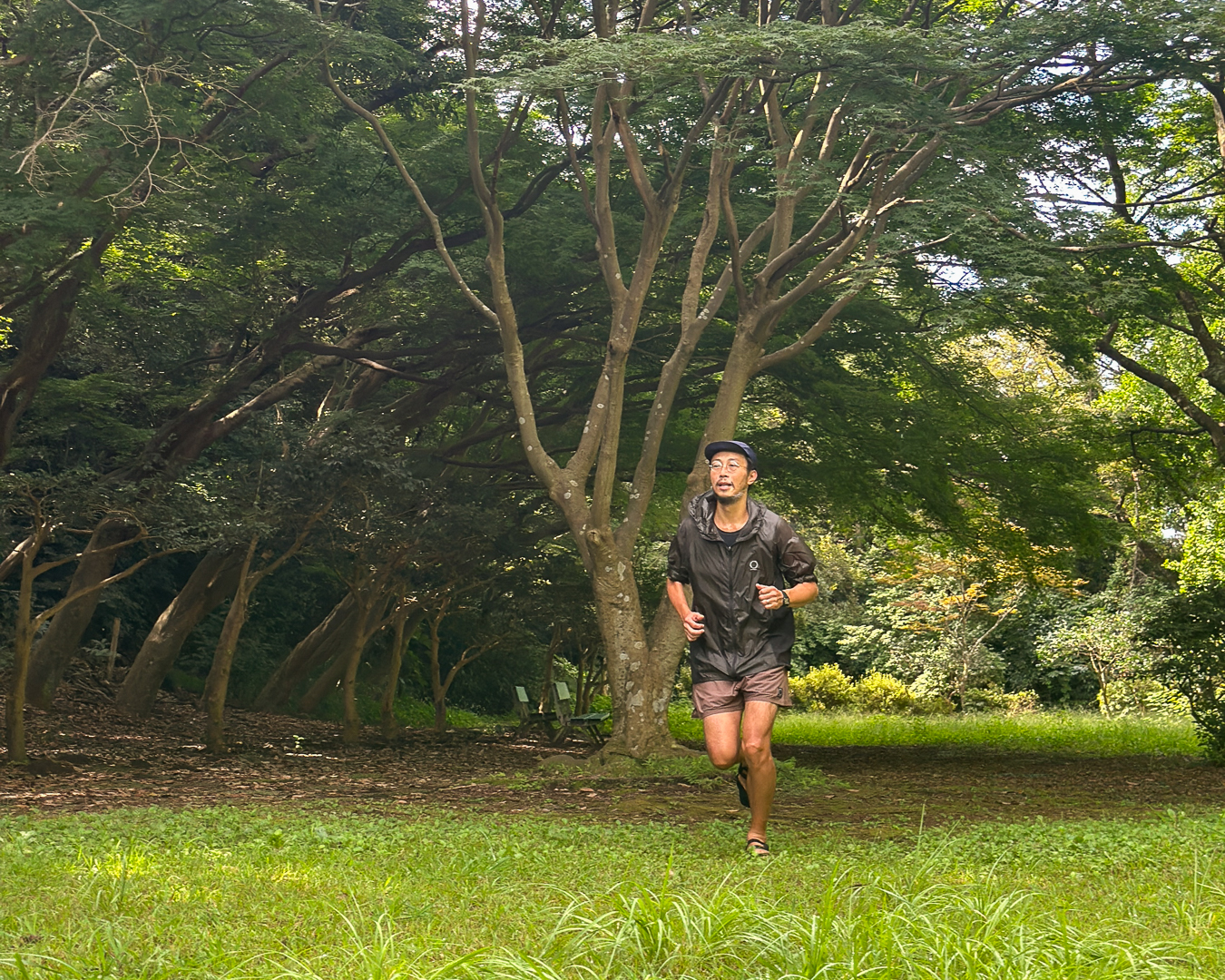
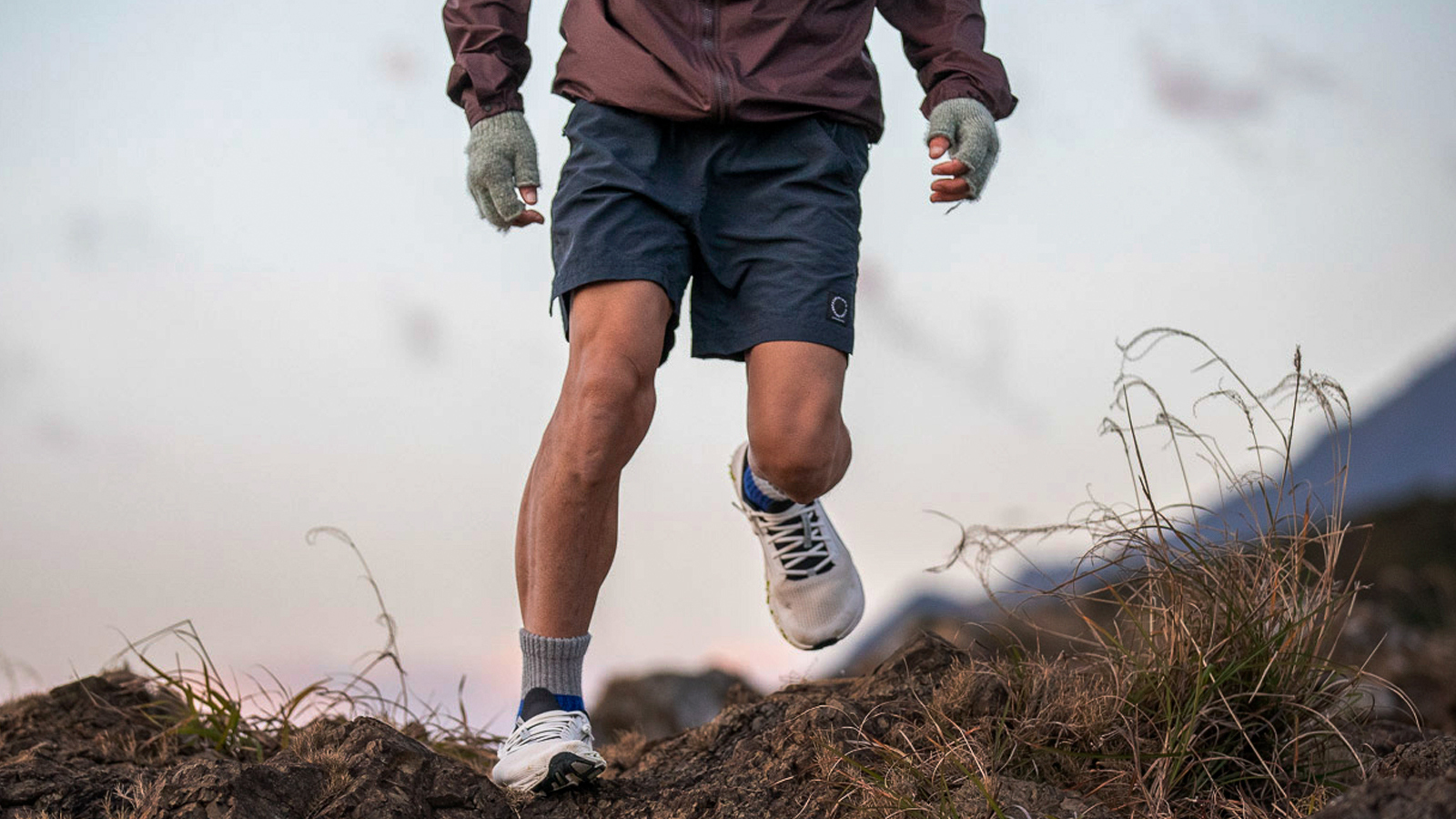
Oji wearing the Wind Zip Hoody while running on Genjiyama in Kamakura.
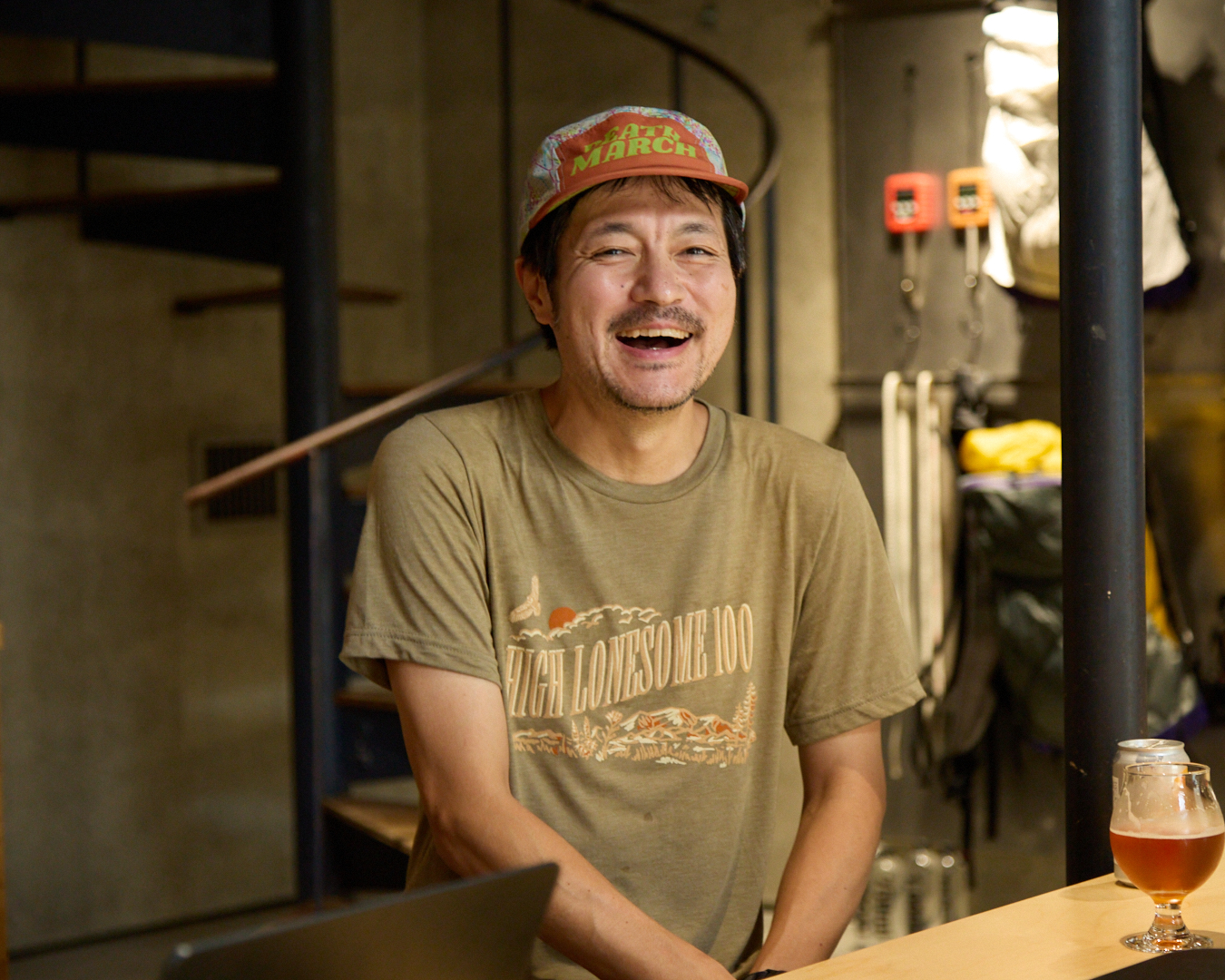
Takahiro
Where has it worked best?
ーOji, where have you been using it?
Oji In March, I wore it on an HLC Kamakura program from Kamakura to Takao.
It worked really well in the low mountains in winter. It didn’t feel too stuffy, the sleeves were easy to push up, and the front zipper made temperature control simple. I could basically leave it on the whole time.
Even when the wind picked up on the ridgeline, it blocked it really well.
ーDo you remember the temperature?
Oji I think it stayed below about 15°C during the day.
I also wore it running around Kamakura. After that, I started using it more casually too, and that’s when I sometimes found it a little too warm.
Oji wearing the Wind Zip Hoody while running on Genjiyama in Kamakura.
ーTakahiro, was there a particular trip where the Wind Zip Hoody really stood out?
Takahiro For a recent race in the US, I chose the Wind Zip Hoody over the Kami Shirt.
The course averaged around 3,100 m and reached about 4,000 m, so I expected strong wind. During the day it was around 35°C, but at night it felt close to 0°C.
At night, wearing the Wind Zip Hoody over an Active Pullover was enough for me. Some runners barely changed layers, but at aid stations I saw people shivering pretty badly. That burns a lot of energy, so being able to stay warm without stopping was a big advantage.
The Active Pullover and Wind Zip Hoody together weigh just over 200 g. For conditions that swung between extremely hot and cold, that combination worked incredibly well.
ーAnd you didn’t need more wind protection?
Takahiro No. The wind was really strong, but the Wind Zip Hoody blocked enough of it while still letting me move comfortably.
If I’d worn a UL All-weather Jacket, I think it would have gotten too humid inside, and I’d have had to slow down to avoid overheating.
The Kami Shirt would have been too cold at night, so the Wind Zip Hoody was definitely the right choice.
ーHidenori, what about you?
Hidenori I used it a lot last October around the Gunma–Nagano border near Mt. Asama. Temperatures ranged from around 5°C to 25°C, and we were moving between roads and trails.
What surprised me most was wearing it through dense bamboo grass.
It was already warm, but the bamboo was reaching chest to head height, and I didn’t want it scratching my skin. So I zipped the Wind Zip Hoody all the way up, put on the hood and used the thumbholes.
I expected to get pretty sweaty, but I barely did. It was surprisingly comfortable, especially considering how much of my body was covered.
ーWhat was everyone else wearing?
Hidenori Some people were sweating heavily in UL All-weather Jackets, while others were just wearing tank tops or T-shirts because it was warm.
For me, being able to keep the Wind Zip Hoody on through all that really showed how versatile it could be.
Hidenori found the Wind Zip Hoody comfortable even while bushwhacking in October with the hood up and thumbholes in use.

Hidenori
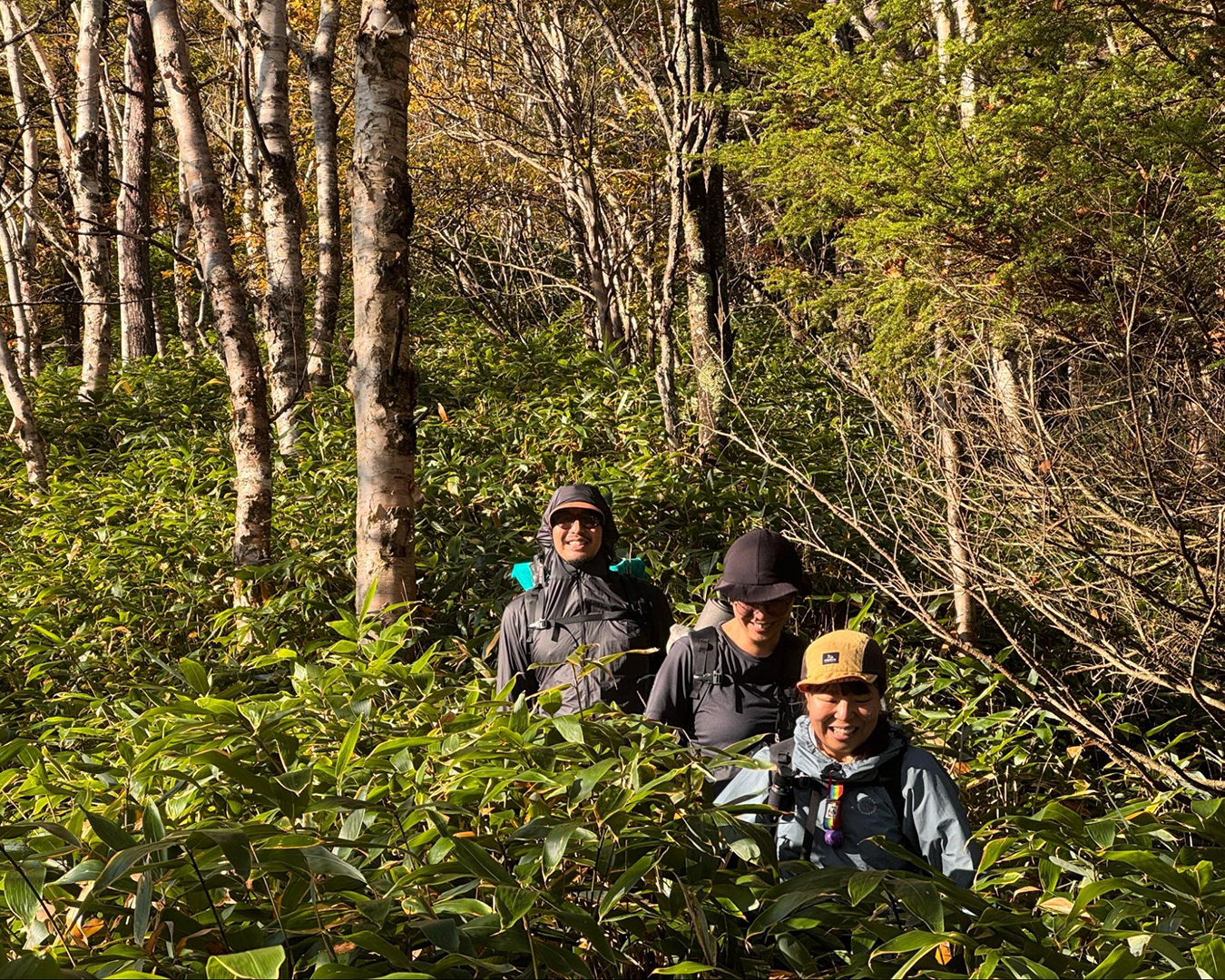
Hidenori found the Wind Zip Hoody comfortable even while bushwhacking in October with the hood up and thumb holes in use.
How does it compare with our other shells and shirts?

ーTakahiro, how would you choose between the Wind Zip Hoody and Kami Shirt?
Takahiro They’re both very light, but I choose based on the weather.
In mist, high humidity or conditions where I expect to stay a little wet while moving, I prefer the Kami Shirt. If they’re both completely soaked, the Kami Shirt actually dries faster.
But if strong wind is the bigger concern, the Wind Zip Hoody gives me more confidence.
I wore the Kami Shirt in a race in Europe last year where it was foggy and the weather stayed poor all day. It was more comfortable in those conditions.
On the other hand, if it’s around 0°C with winds over 10 m/s, I’d definitely choose the Wind Zip Hoody. The hood makes a difference too.
ーWhat about you, Hidenori?
Hidenori I’d bring the Wind Zip Hoody when I expect bigger changes in the weather and want more protection.
At lower elevations, though, I can get pretty sweaty around the outer arms, where the more wind-resistant fabric is used. Sometimes it starts to cling to my skin.
I can roll up the sleeves, but in warmer conditions, the Kami Shirt or UL Shirt feels more comfortable against my arms.
So in summer at lower elevations, I’d probably choose one of the shirts. As I move higher, the Wind Zip Hoody starts to make more sense.
Oji I agree. I notice the same thing around the arms.
For me, the Wind Zip Hoody makes the most sense in the higher mountains in autumn, low mountains in winter, or anywhere I’m expecting strong wind.
I still want to try it in the Northern Alps in summer, but I suspect it would be too warm in a lot of situations. When it’s hot, I usually want the wind to reach me.

ーAnd how does it compare with the UL All-weather series?
Hidenori Once rain becomes a factor, the UL All-weather series comes into the picture.
It offers more protection than the Wind Zip Hoody, so as conditions get wetter or rougher, I’d start leaning that way.
But if it’s cold and windy at higher elevations and rain isn’t the main concern, the Wind Zip Hoody is a good option.
And if rain is likely, I could see carrying both. The Wind Zip Hoody is light enough that it doesn’t feel excessive.
Before, I often thought, “I already have a UL All-weather Jacket, so I don’t need a wind shell.” Now I see them as having different roles.
Takahiro I prefer not to wear a rain shell unless I really need to. Even breathable rainwear feels more substantial, and if I can keep moving comfortably in a wind shell, I’d rather do that.
What I’m wearing underneath also makes a difference. Nylon can feel clammy directly against sweaty skin, whereas the Kami Shirt handles that moisture more comfortably.
But with a long-sleeve layer underneath the Wind Zip Hoody, it bothers me much less.
Hidenori I do think the Wind Zip Hoody works across quite a wide range of conditions. Even when it gets warm, you can unzip the front completely or push up the sleeves.
I’ve worn it cycling and in warmer weather too, and it was more comfortable than I expected for such a wind-resistant piece of gear.
ーSo while the Kami Shirt or UL Shirt might be more comfortable in warmer conditions, the Wind Zip Hoody gives you another option when you need more protection.
Takahiro Exactly. And at 68 g, it’s light enough that I’m happy to carry it even if I’m not sure I’ll need it.
What worked, and what could be better?
ーAfter spending time with it, what stood out as either a strength or something that could be improved?
Oji The biggest thing for me is how much wind the fabric on the front and outer arms blocks.
Of course, that’s what a wind shell is supposed to do, but sometimes it feels almost too protective. I wonder if a little more airflow there would make the ventilation from the back and underarms more noticeable.
One thing I really like, though, is the collar.
I’m not a big fan of hoodies because the skin around my neck is sensitive. With really soft, thin fabrics, the collar can collapse and rub against my skin.
The Wind Zip Hoody has enough structure to stay away from my neck, which makes a huge difference. Sweat doesn’t build up there as much either.
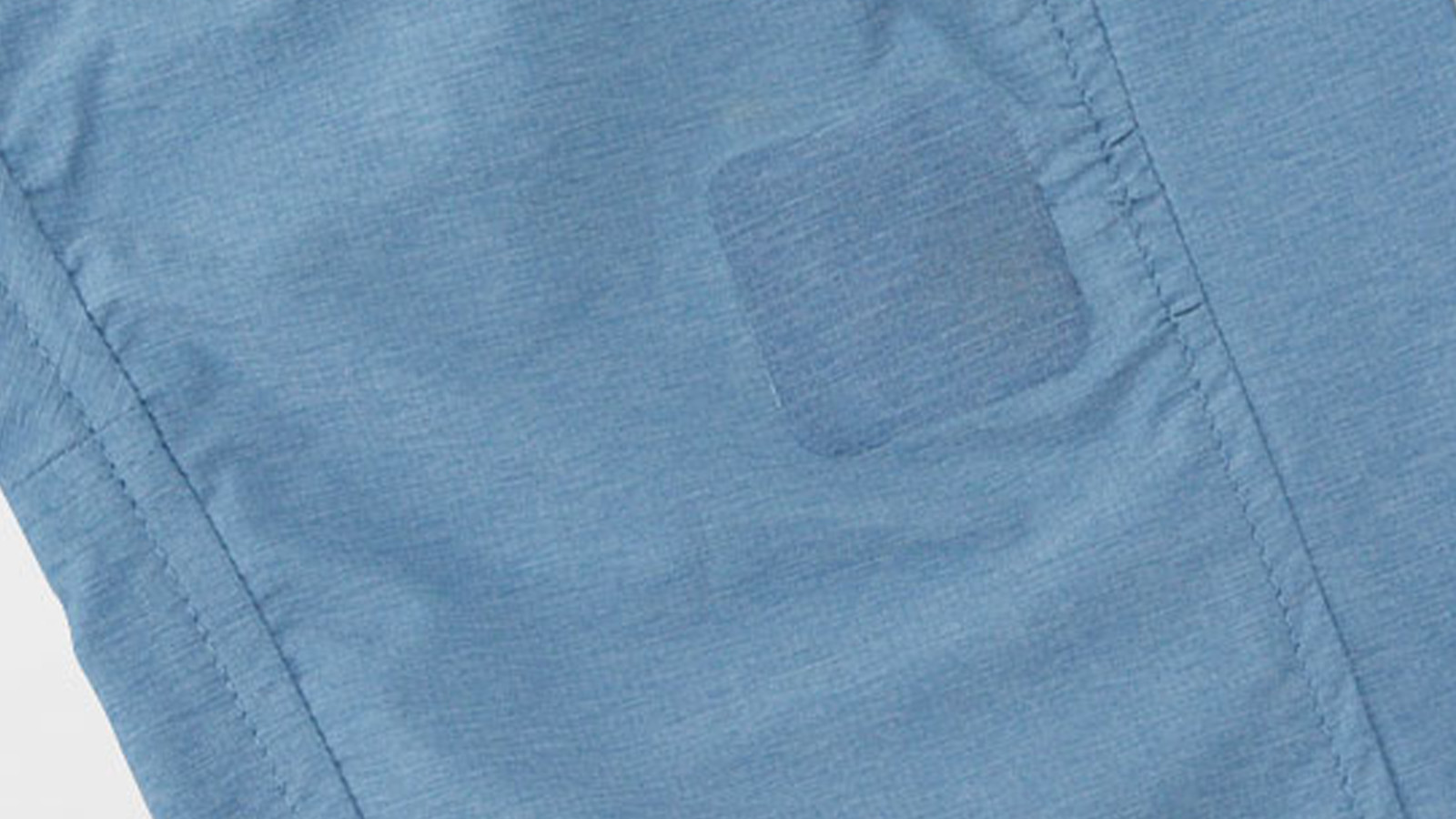
A slightly stiffer fabric supports the collar so it stays off the neck, while the wind-resistant inner fabric helps block cold air around the neckline.
Hidenori I really like the idea of using three different fabrics. The front blocks wind, while the back and sides are more breathable. It’s an interesting approach, and you can see how much thought went into it.
For me, the biggest advantage is how light it is while still giving you ways to manage ventilation.
The one issue is the fabric on the outer arms. I run hot, and when I sweat heavily, that part can get wet and cling to my skin.
But I can just push up the sleeves when it starts bothering me.
Takahiro I think that’s something that comes down to the person. Even with breathable fabric, some people will still find a wind shell too humid.
A lot of trail runners don’t wear wind shells for exactly that reason.
I personally haven’t had much trouble with it, but I wouldn’t expect it to work for everyone.
Undo the wrist snap buttons and the sleeves can be pushed up quickly for ventilation.
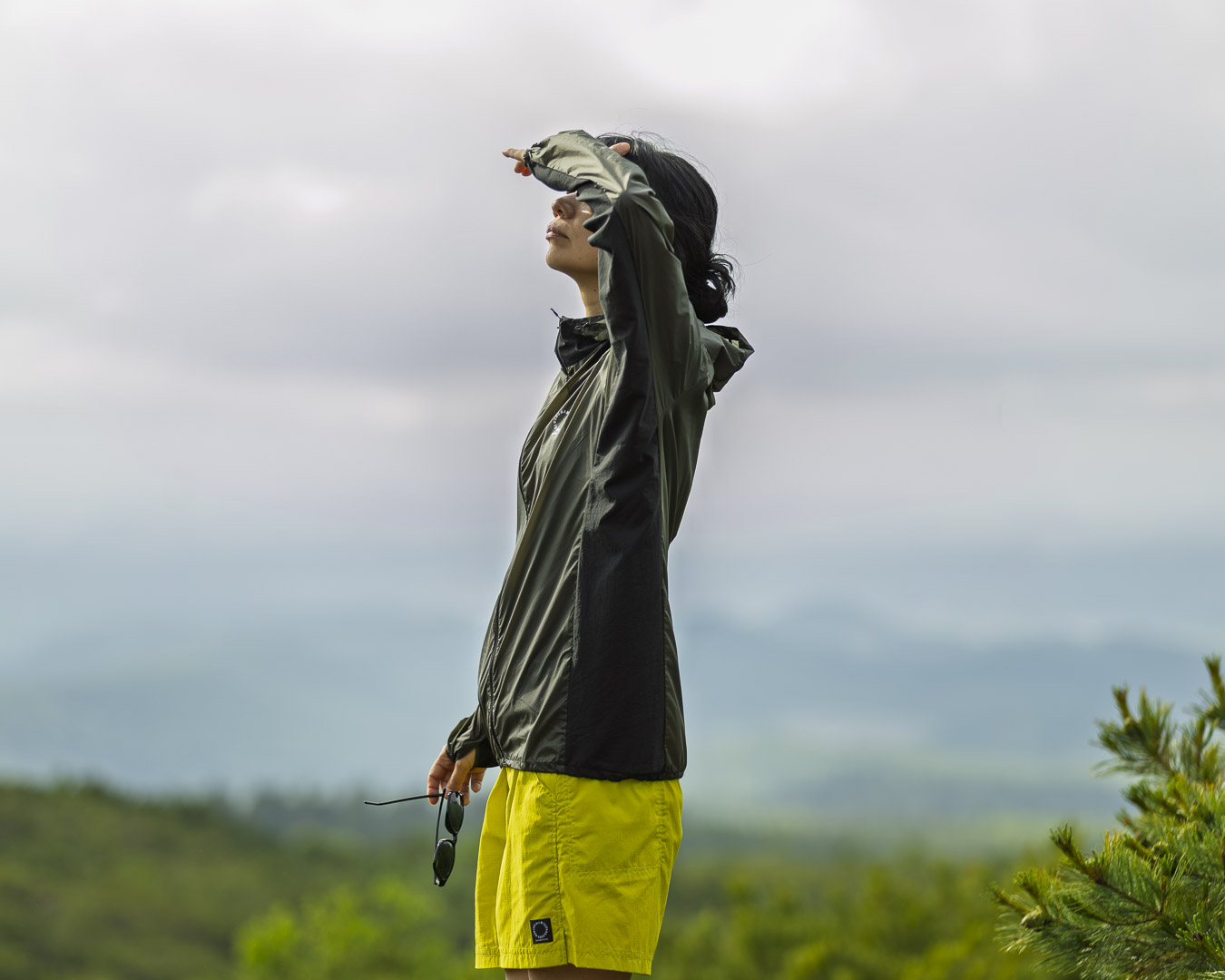
Color: Dark olive
What finally made it ready?
Hidenori There’s something I’ve wanted to ask. At first, I wasn’t sure why we needed a wind shell when we already had the UL Shirt and UL All-weather series. What made you want to develop one in the first place?
ーFor me, there was still a gap between a T-shirt and the UL All-weather series.
Trail shirts and merino can fill that gap, but I wanted something even lighter. Something simple that could block wind without being too uncomfortable to keep on while moving.
Takahiro I’ve always found wind shells useful for running too.
In winter, it’s often too cold to start in just a base layer, but Alpha Direct can already feel too warm. A wind shell is useful for keeping the cold air out until your body warms up.
For a short run from home, weight doesn’t matter much. In the mountains, though, every gram counts.
Hidenori So after seven years of development, was there a moment when you finally thought, “This is ready”?
ーFor me, it was pretty clear. We shouldn’t release something I wouldn’t choose to use myself.
It needed a reason to exist alongside our other products, the right balance between wind protection and ventilation, and fabric that wouldn’t feel unbearably sticky against the skin.
Once it became something I genuinely wanted to use, I knew it was ready.
Takahiro A big reason it took so long was getting the fabrics right.
We’d make a prototype with the air permeability we wanted, but when we moved to a larger production run, the fabric wouldn’t perform quite the same way.
That was a serious problem when we were trying to combine fabrics with different levels of breathability.
At first, we tried controlling air permeability through coatings, but the results varied depending on the season and production conditions. Eventually the manufacturer told us they couldn’t control it precisely enough.
So we moved toward fabrics where the air permeability comes mainly from the weave itself. That’s much more consistent.
ーWe didn’t realize at first how much those coated fabrics could vary. We learned that the hard way.
Takahiro Exactly. You might imagine being able to specify a certain level of air permeability and have every production run meet it.
But with fabrics this light, we found that you often don’t know exactly what you’ve got until the finished material arrives and you test it.
It took a lot of trial and error to get there.

Who would you recommend it to?
Hidenori I’d especially like people who think they don’t need a wind shell to try it.
Traditional wind shells can block wind well but often feel sticky or uncomfortable, so I think some people have stopped using them altogether.
The Wind Zip Hoody feels quite different. It’s worth trying even if you’ve avoided wind shells in the past.
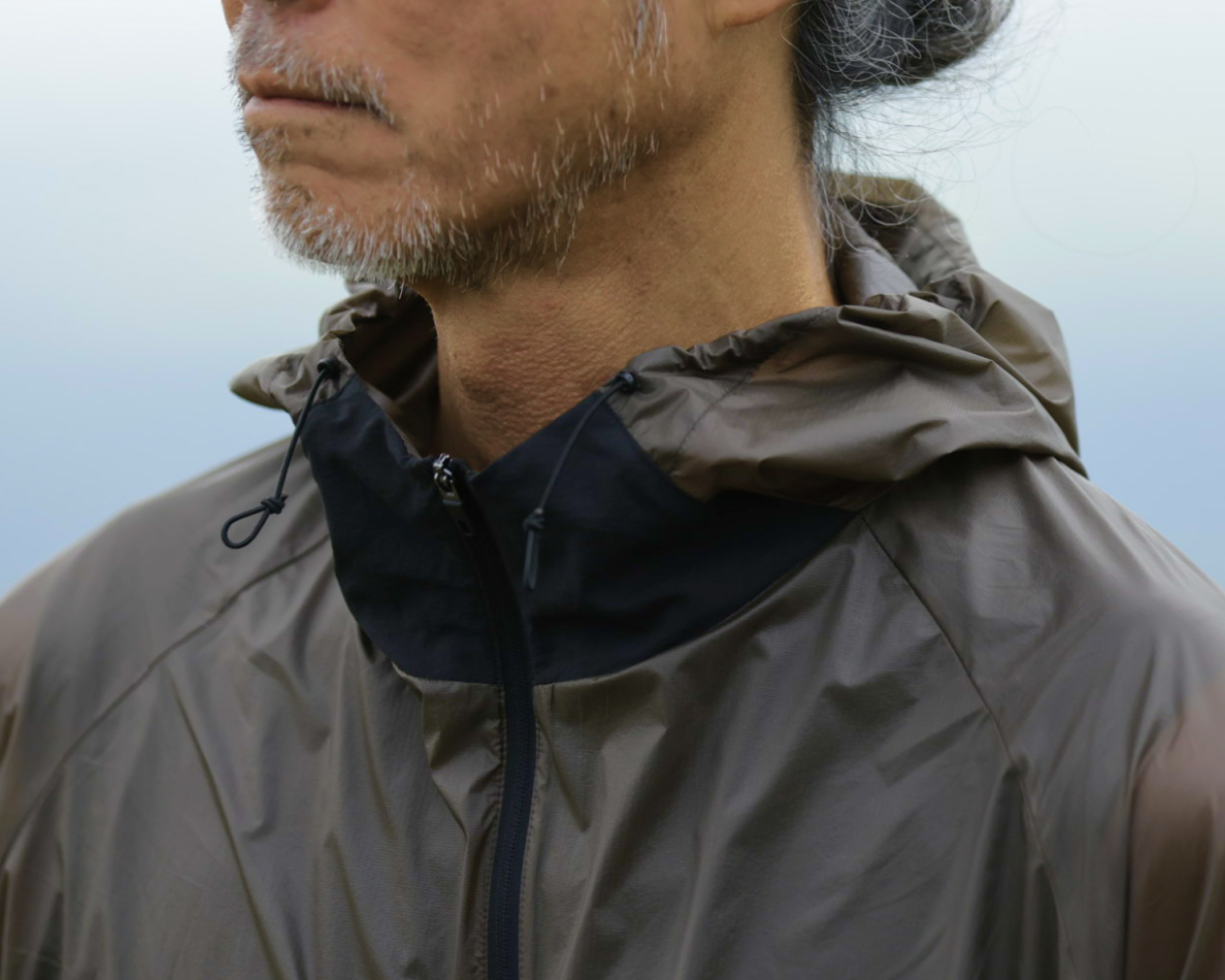
A slightly stiffer fabric supports the collar so it stays off the neck, while the wind-resistant inner fabric helps block cold air around the neckline.
Takahiro People might assume that because it’s breathable, it’s mainly for trail runners or people moving really fast. But I think it actually makes a lot of sense for normal hiking.
If you’re working extremely hard, you might still find it too warm. But at a regular hiking pace, the balance of protection and ventilation can be just right.
We’ve become known for trail shirts and merino hoodies, and those cover a lot of situations. But wind shells have been part of outdoor gear for a long time, and they’re still useful.
Oji A lot of people hike in trail shirts now, but if you’re new to the mountains, you might not realize how quickly the wind can make you cold.
That’s why I think a wind shell is worth considering.
When we started hiking, they were almost standard equipment. Wind protection is still incredibly important in the mountains, and I’d like us to communicate that more clearly in the store.
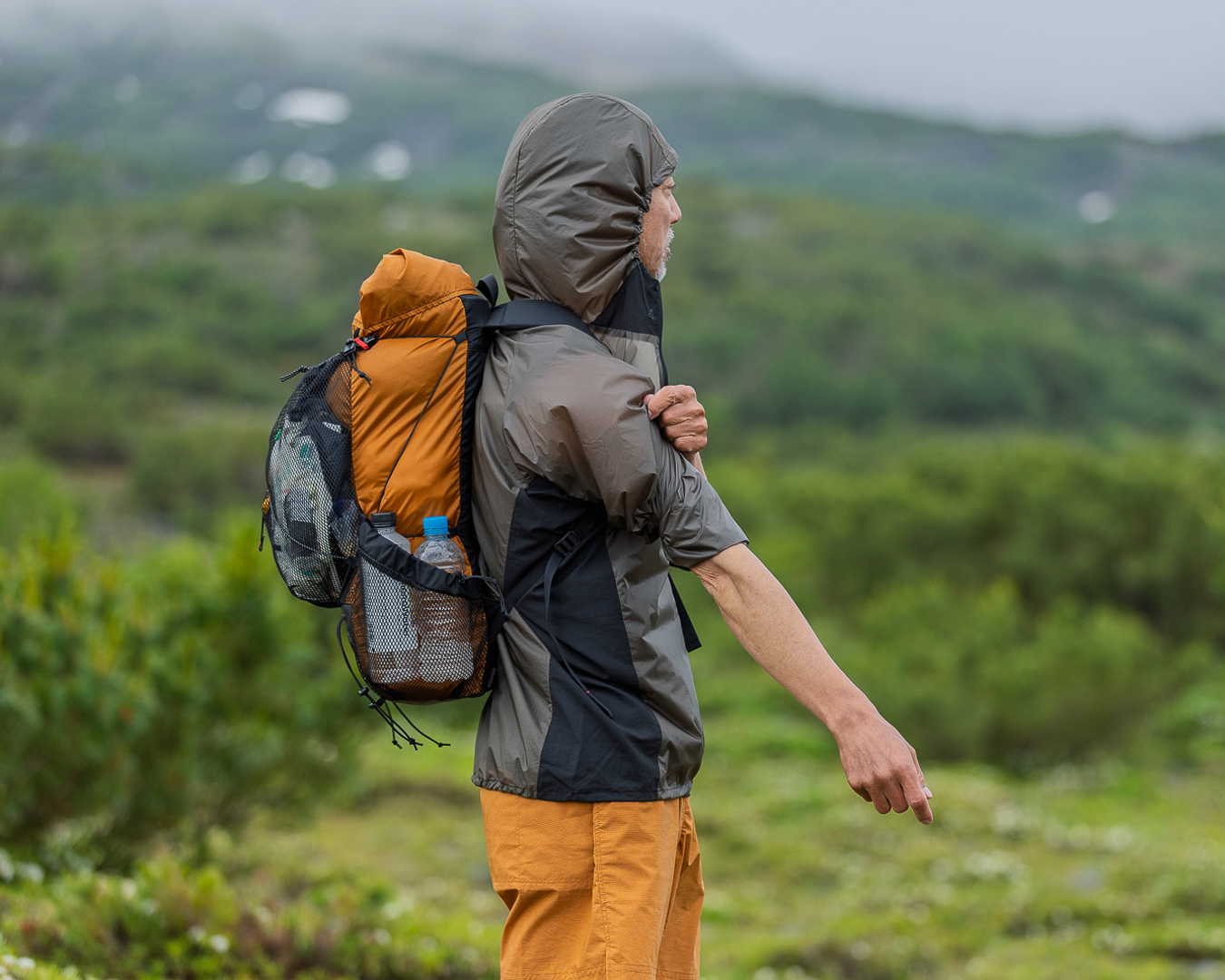
Undo the wrist snap buttons and the sleeves can be pushed up quickly for ventilation.
Hidenori What about you, Akira?
ーI wanted to make something ultralight and simple that people could use in different situations.
Something with a hood that stays extremely light, but still has its own role alongside products like the UL Shirt.
I’d especially like people who want to move light, keep things simple and spend long days walking in the mountains to try it.
Different hikers will find different uses for the Wind Zip Hoody. We hope these experiences help you decide where it might fit into your own kit.
You can explore the Wind Zip Hoody in person at Yamatomichi Kamakura, where these conversations continue through PRODUCT FOCUS displays and STORE PROGRAMS.

Series: PRODUCT FOCUS Roundtable