





#2 Kyoto: How Do We Choose What to Wear?
#2 Kyoto: How Do We Choose What to Wear?
For this second roundtable, our founder, Akira Natsume, sat down with staff from our Yamatomichi Kyoto store as they brought questions of their own. From layering the Active Pullover with UL All-weather to sleeping in a Kami Shirt and finding new uses for the Minimalist Pad, the conversation revealed another set of approaches to familiar gear.
Staff Profiles

Akira Natsume | Yamatomichi Founder
Akira founded Yamatomichi with his wife in 2011 and continues to lead the company across everything from product development to how we communicate, make, and think about our gear.

Ryo Kubota | Yamatomichi Kyoto Staff
Ryo likes to travel light, whether hiking or on the road. He once spent 24 days walking the Shiga Round Trail and also runs the YouTube channel Miso Shiru Egao.
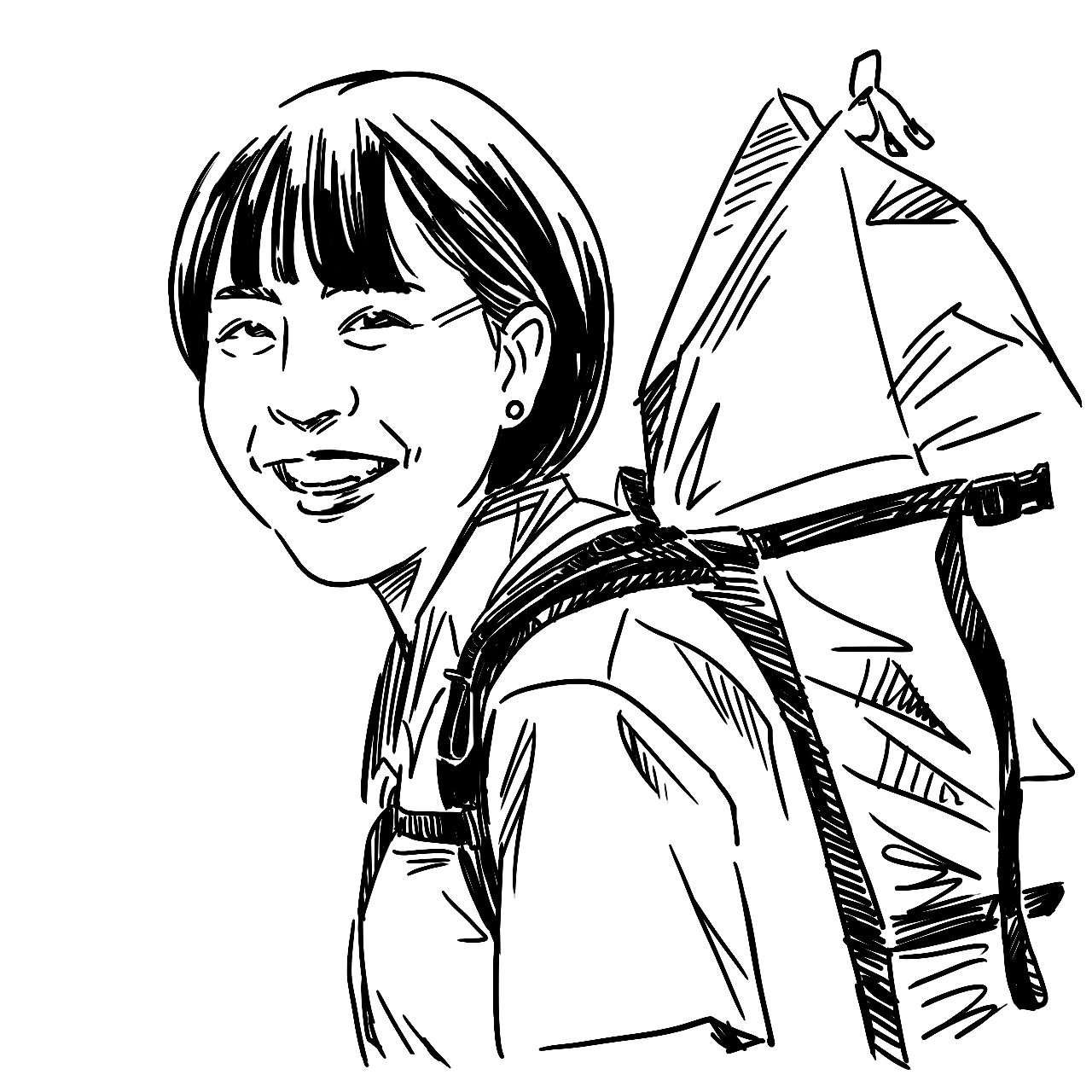
Ayana Nagai | Yamatomichi Kyoto Staff
Ayana has been backpacking since college and has hiked overseas trails including the John Muir Trail and routes through Patagonia. She also trail runs, bringing a lighter, faster perspective to how she approaches the mountains.
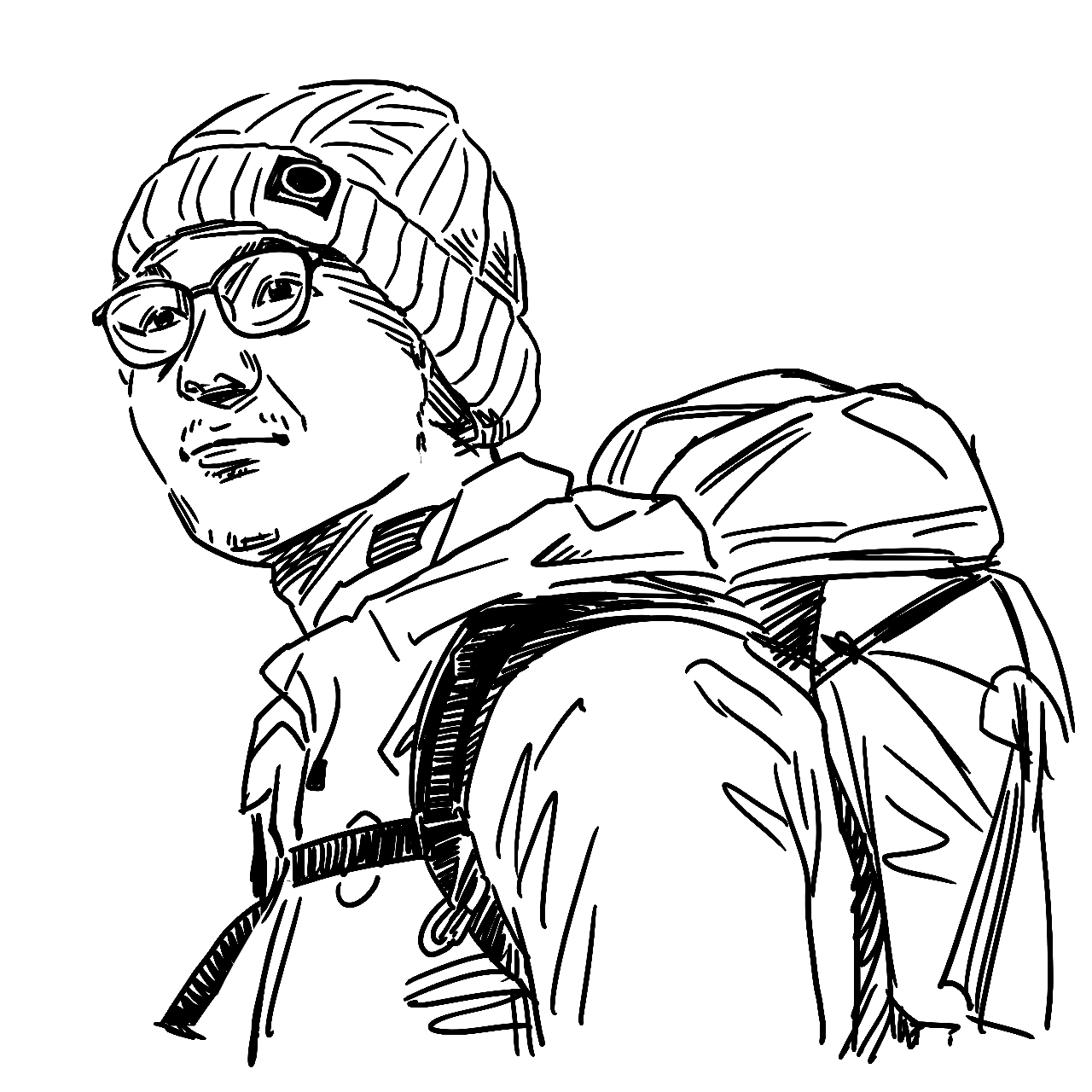
Ryota “Mabu” Mabuchi | Yamatomichi Kyoto Staff
A former professional musician who grew up around the mountains and eventually found his way back to the trail. He started ultralight hiking in 2023 and has been figuring out what works for him ever since.

Andy Ando| Yamatomichi Kyoto Staff
Coming from a trail running background, Andy’s approach to hiking is still strongly shaped by running, and that influence shows in many of his gear and layering choices.
Choosing a base layer
Akira leads the conversation with members of the Kyoto team.
ーMerino or synthetic? Preferences varied in Kamakura. How about Kyoto?
Ryo I like how Chemical B stays off the skin, so I choose it when that matters. If odor is the bigger concern, I’ll go with merino.
Ayana Merino for hiking, Chemical B for running. Chemical B dries incredibly fast, but when I’m hiking I like having a natural material against my skin.
Andy DF Mesh Merino is my favorite merino option because the mesh keeps wet fabric off the skin. I use Chemical B for running, DF Mesh Merino for long, hard days, and 100% Light Merino when I’m taking it easy.
Ryo I had an interesting experience with Chemical B on the Ito Shindo last October. I slept in a Chemical B Sleeveless under DF Mesh Merino, and at around -2°C I was freezing. The second night, I left out the Chemical B layer and actually felt warmer.
It made me realize that what works well while moving isn’t always what feels best when you stop.
100% Light Merino Half Zip Hoody
ーHow do you all use the 100% Light Merino Half Zip Hoody?
Ryo In the Japanese Alps, from around July to mid-September, I’ll often wear just this. I like keeping my layering simple, and it works well for me through most of the day.
Ayana I’m pretty similar. I wear it on its own from spring through early September. Once it starts getting colder, I usually switch to the DF Mesh Merino Half Zip Hoody.
Mabu It was actually the first Yamatomichi product I bought. I liked how versatile it was, and these days I usually wear it directly against my skin.
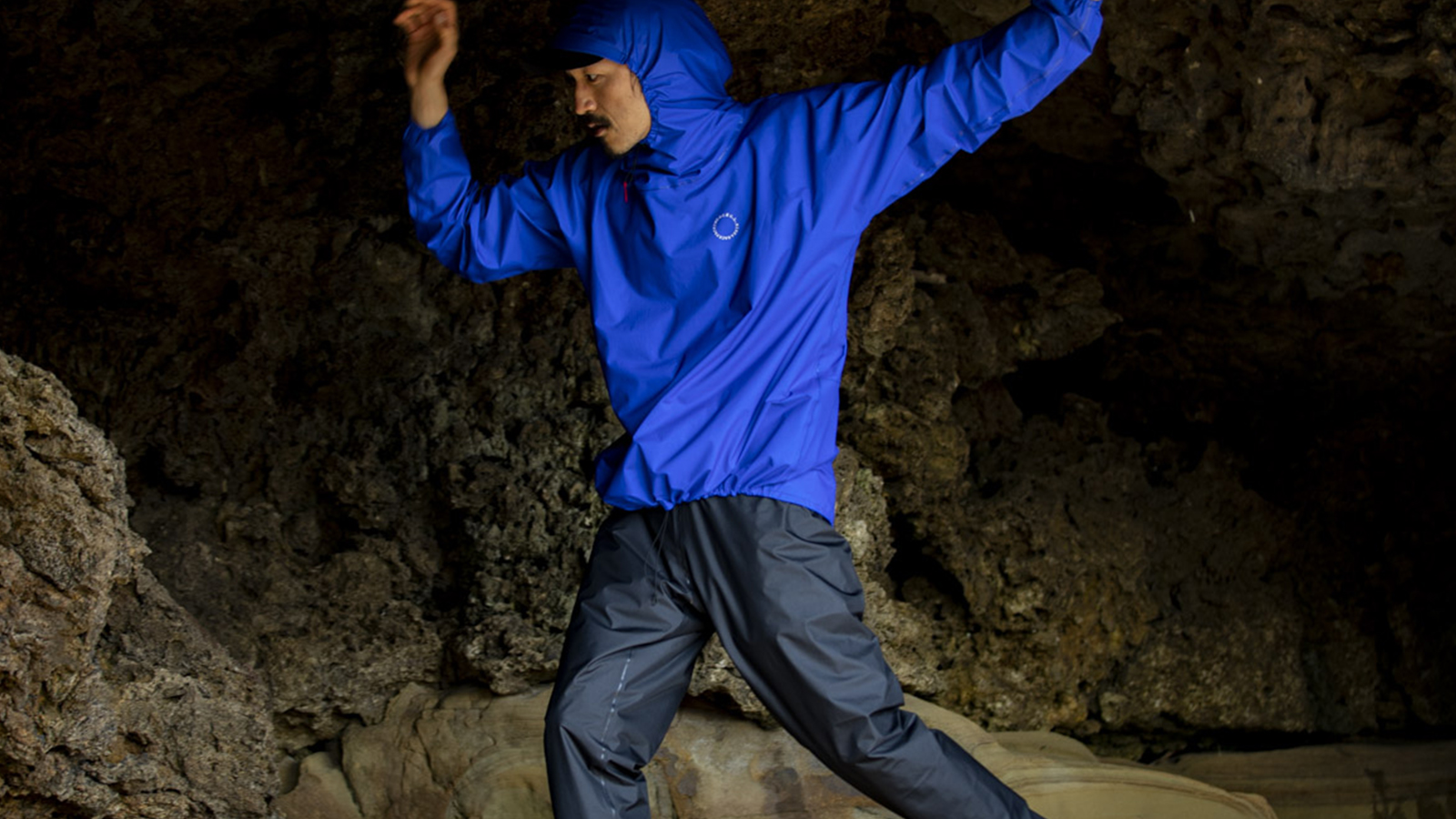
Active Pullover + UL All-weather
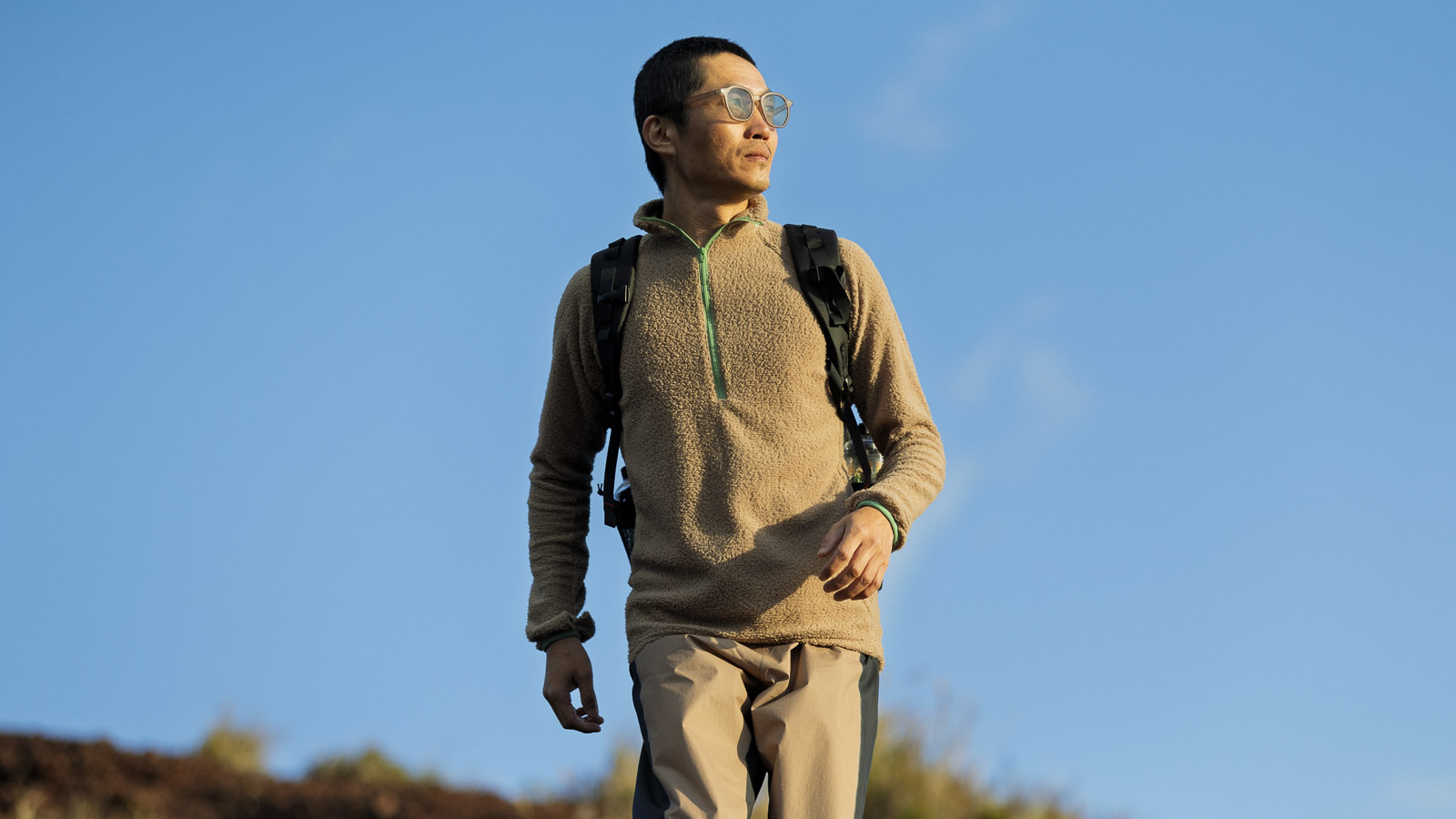
ーHow does the Active Pullover work with UL All-weather when conditions turn cold, wet, or windy?
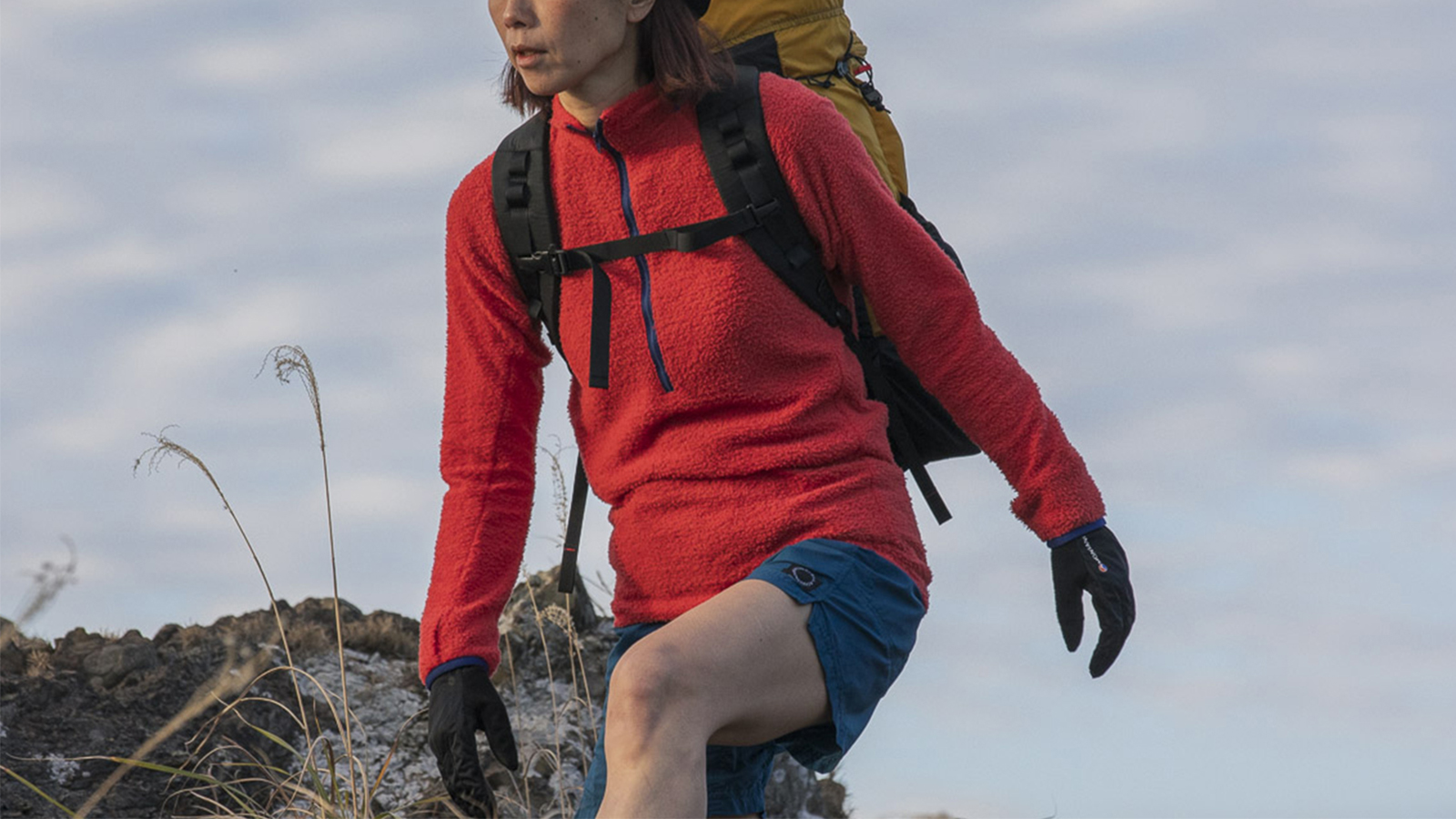
Ayana I used that combination recently on a day hike in the Southern Japanese Alps. I wore Chemical B on the climb, then added the Active Pullover and UL All-weather once I reached the cold, windy ridge. It gave me just enough warmth without feeling too stuffy.
Mabu I really like the combination. In the Northern Japanese Alps in autumn, I could spend most of the day in those two layers. As long as there’s some airflow, they stay comfortable even when you’re working hard.
Ryo That’s been my experience too. I like wearing the Active Pullover next to skin, and with something breathable over it, it stays comfortable even when things get damp.
ーSo the key is keeping enough airflow while still holding onto some warmth.
Trail Shirts
Yamatomichi Trail Shirts
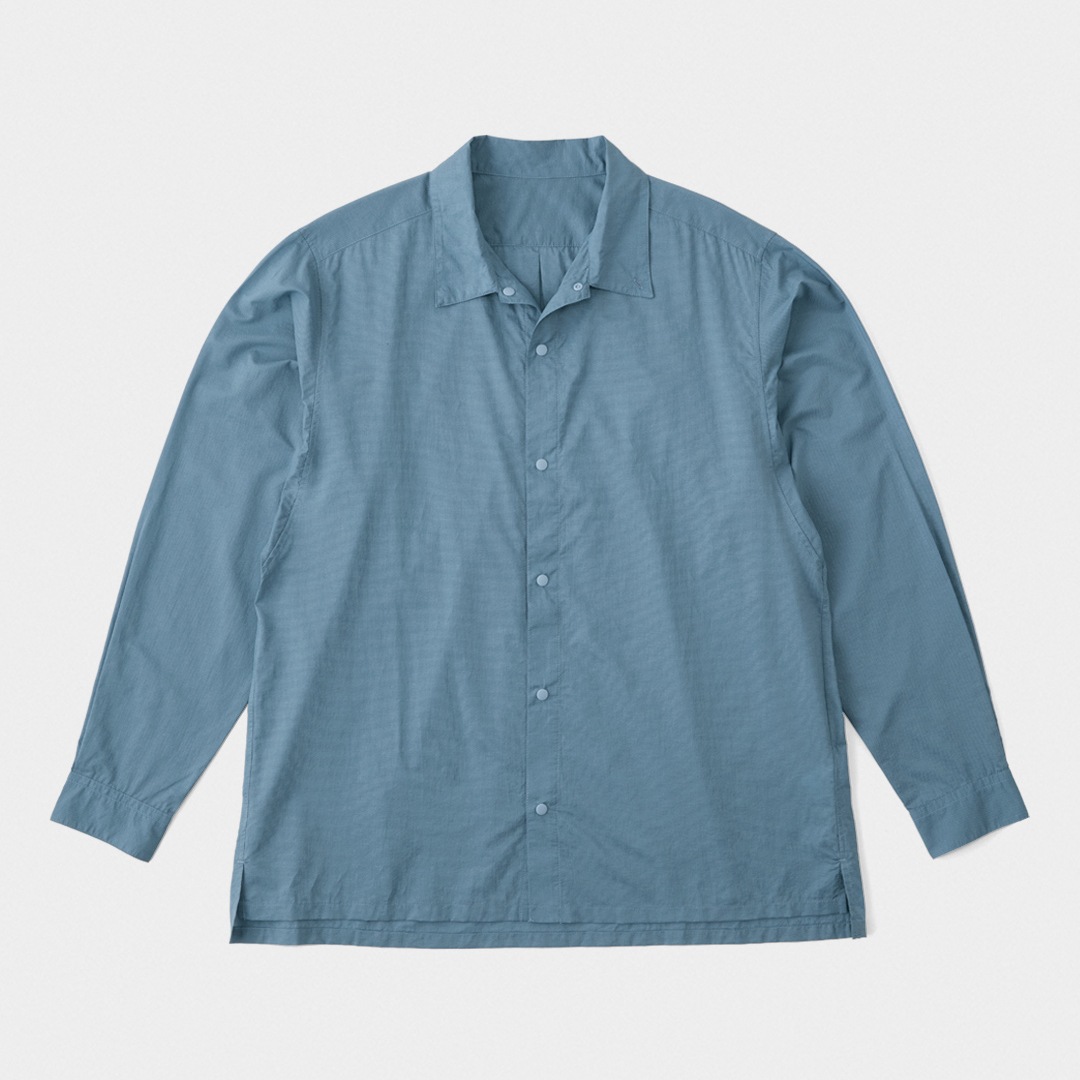
Kami Shirt
72% Recycled Nylon / 28% Washi
The lightest and fastest-drying option.
Washi helps regulate humidity inside the shirt and absorbs sweat, while the extremely thin fabric dries quickly. Its textured structure limits contact with the skin, helping it remain dry and comfortable in summer. The tradeoff is a delicate fabric that requires more care.
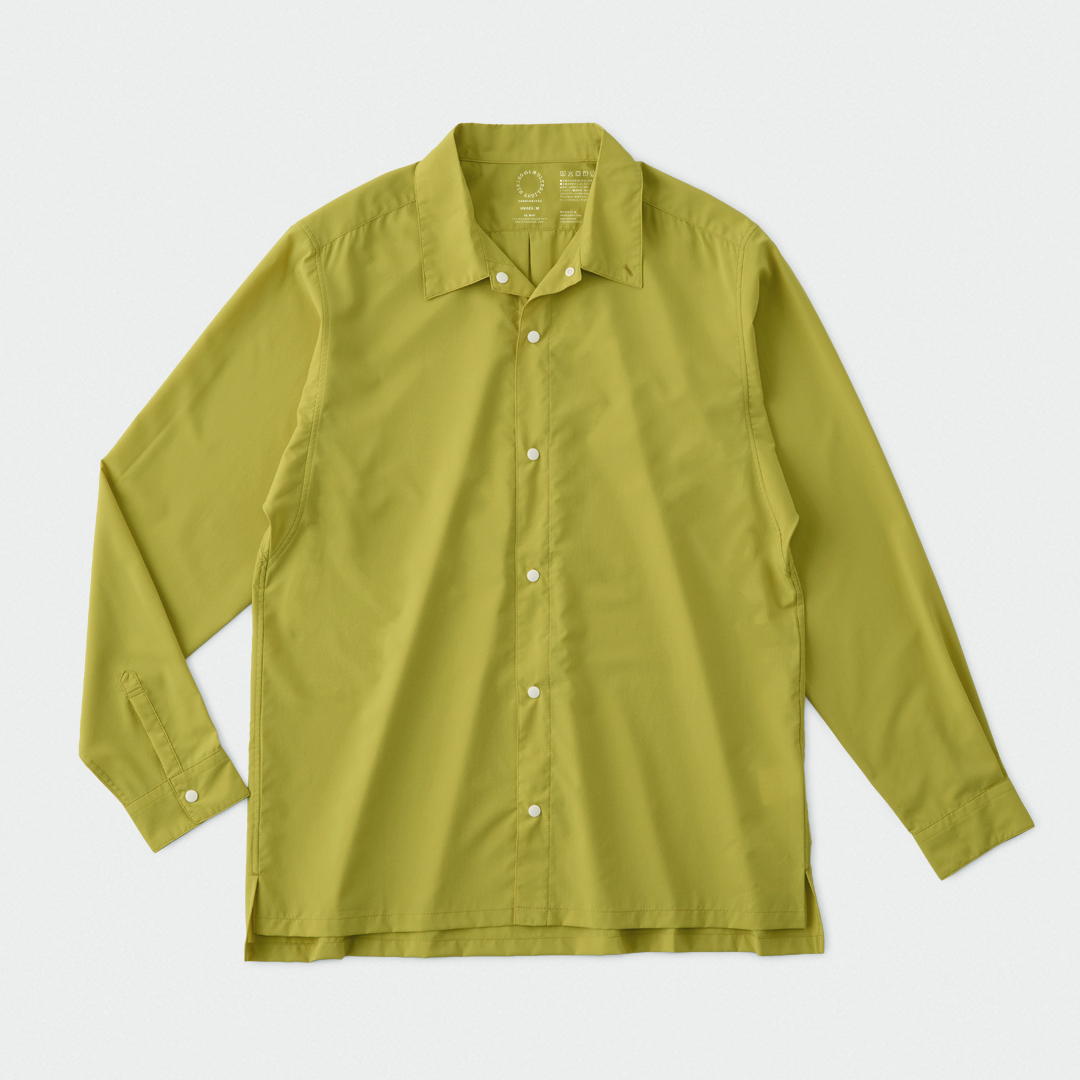
UL Shirt
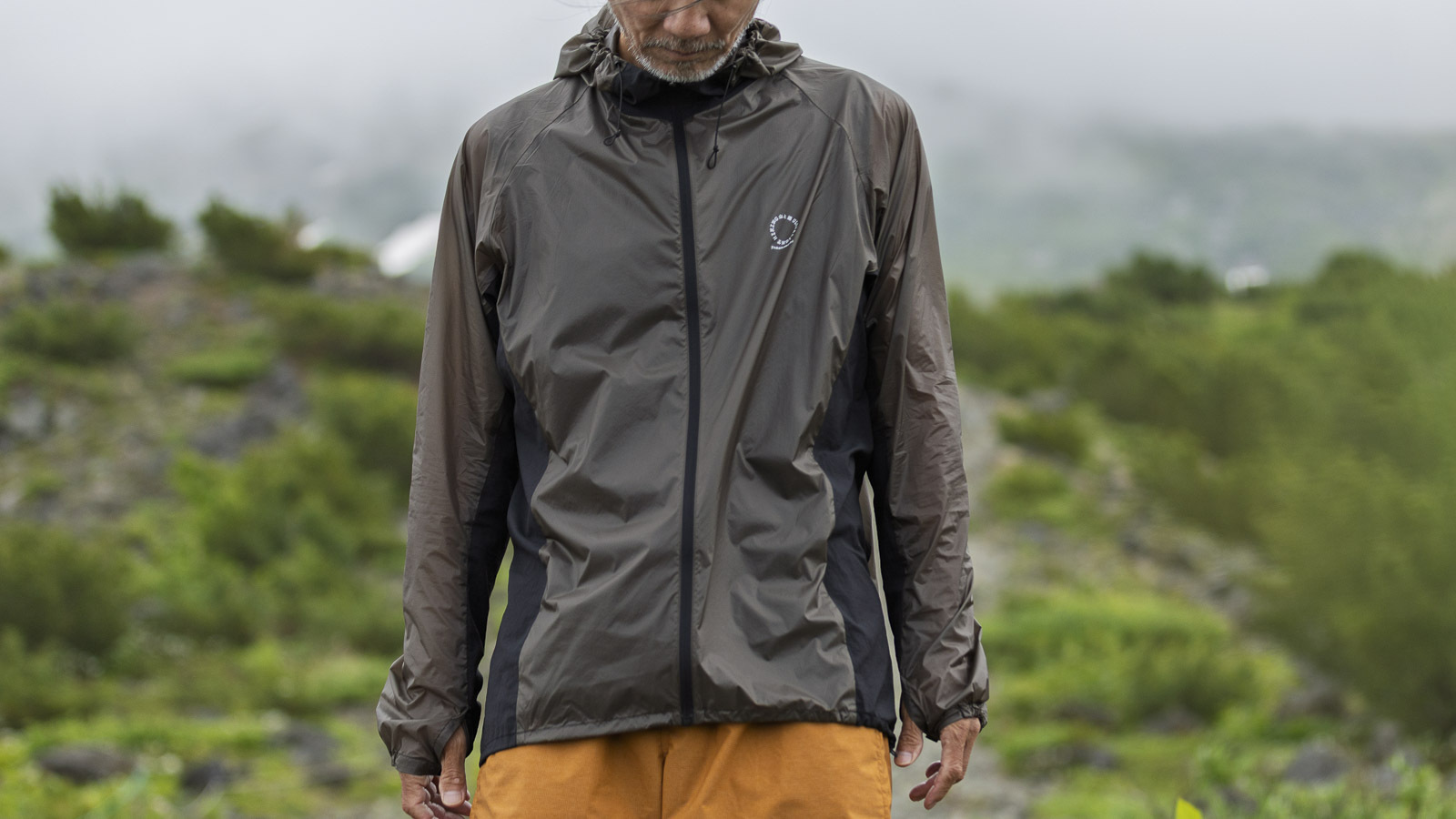
Shadow Rip(100% Polyester)
A wind shell for year-round use.
Exceptionally light yet durable, with a DWR finish, excellent wrinkle resistance and moderate airflow. It blocks enough wind to be useful across the seasons without becoming excessively stuffy. With few obvious weaknesses, it is an easy shirt to carry almost anywhere.
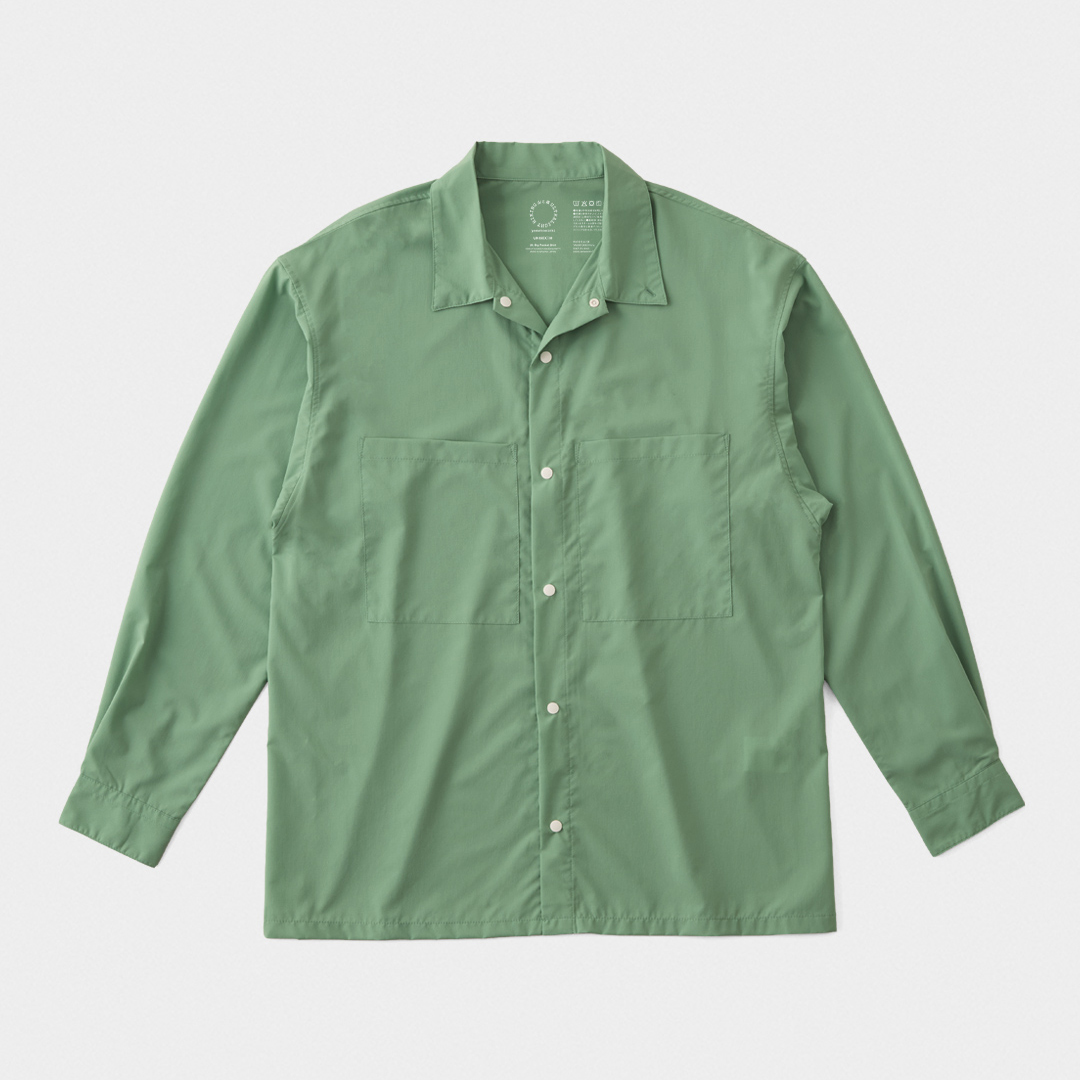
UL Big Pocket Shirt
Shadow Rip(100% Polyester)
A trail shirt with extra storage.
Made from the same fabric as the UL Shirt, with large chest pockets positioned to avoid backpack straps. A roomier cut through the shoulders and arms adds mobility, while the shirt maintains a clean silhouette under a backpack.
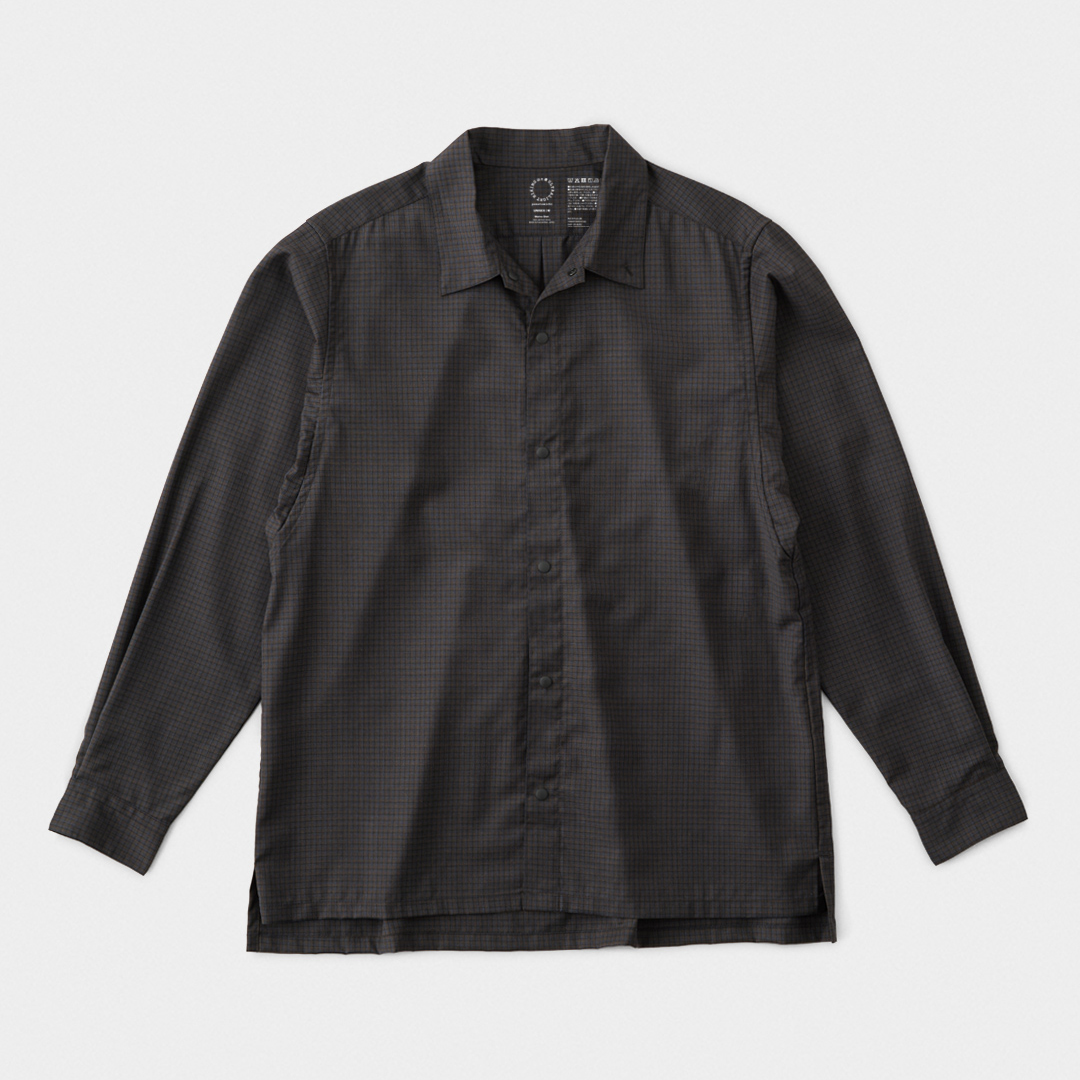
Merino Shirt
100% Merino Wool
A natural regulator.
The merino has a crisp, linen-like feel and naturally manages moisture and odor. It can feel warm in low mountains at the height of summer, but comes into its own at elevation where moving air can pass through the fabric.
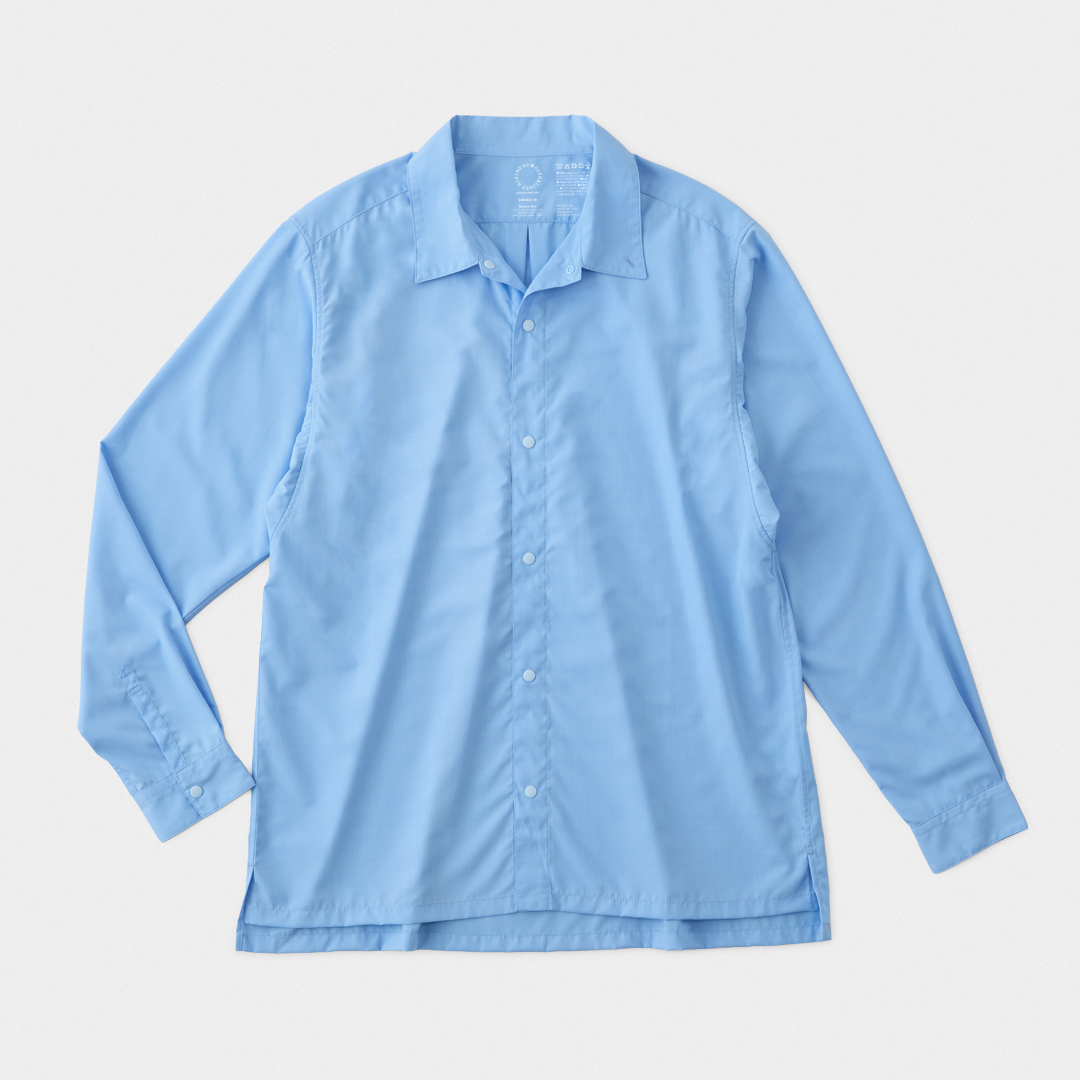
Bamboo Shirt
Bamboo Polyester (50% Rayon, 50% Polyester)
Durable and warm.
Bamboo Polyester combines wool-like odor and moisture regulation with the practicality of polyester. It is the most durable, wind-resistant and warmest of the four main fabrics, with a soft, supple feel that works well in cooler seasons or as a midlayer.
Kami Shirt
72% Recycled Nylon / 28% Washi
The lightest and fastest-drying option.
Washi helps regulate humidity inside the shirt and absorbs sweat, while the extremely thin fabric dries quickly. Its textured structure limits contact with the skin, helping it remain dry and comfortable in summer. The tradeoff is a delicate fabric that requires more care.
UL Shirt
Shadow Rip(100% Polyester)
A wind shell for year-round use.
Exceptionally light yet durable, with a DWR finish, excellent wrinkle resistance and moderate airflow. It blocks enough wind to be useful across the seasons without becoming excessively stuffy. With few obvious weaknesses, it is an easy shirt to carry almost anywhere.
UL Big Pocket Shirt
Shadow Rip(100% Polyester)
A trail shirt with extra storage.
Made from the same fabric as the UL Shirt, with large chest pockets positioned to avoid backpack straps. A roomier cut through the shoulders and arms adds mobility, while the shirt maintains a clean silhouette under a backpack.
Merino Shirt
100% Merino Wool
A natural regulator.
The merino has a crisp, linen-like feel and naturally manages moisture and odor. It can feel warm in low mountains at the height of summer, but comes into its own at elevation where moving air can pass through the fabric.
Bamboo Shirt
Bamboo Polyester (50% Rayon, 50% Polyester)
Durable and warm.
Bamboo Polyester combines wool-like odor and moisture regulation with the practicality of polyester. It is the most durable, wind-resistant and warmest of the four main fabrics, with a soft, supple feel that works well in cooler seasons or as a midlayer.
ーWith so many trail shirts to choose from now, how do you decide which one to wear?
Andy I use the UL Shirt almost like a wind shell when I’m moving hard. It gives me more airflow than the UL All-weather Jacket.
Ayana In summer, I usually reach for the UL Shirt when I want sun and insect protection. If staying cool is the priority, I go with the Kami Shirt.
Mabu For longer trips that include time in towns, I like the Merino Shirt because I don’t have to worry as much about odor.
Ryo I used to think I didn’t need a short-sleeve trail shirt, but the UL Short Sleeve Shirt changed my mind. It makes a big difference in hot weather.
Sleeping in a Kami Shirt
ーWhen do you find yourself sleeping in the Kami Shirt?
Ayana I first tried it at a guesthouse in Taiwan when it was over 25°C and very humid. The 100% Light Merino felt too warm, so I changed into the Kami Shirt and immediately felt more comfortable.
Since then, I’ve used it a lot for sleeping in hot weather. It feels light, cool, and easy to sleep in.
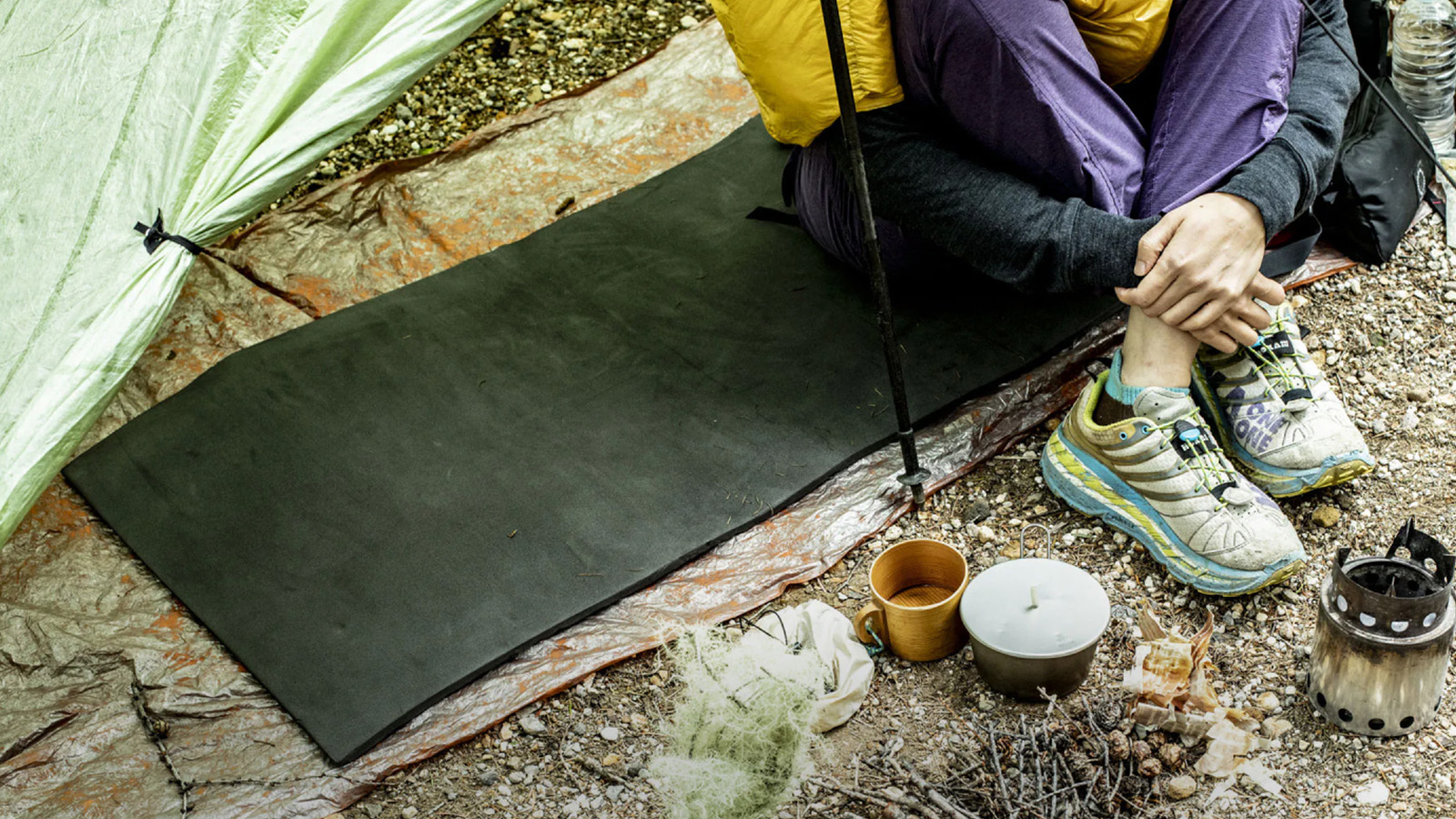
Why we love the Minimalist Pad
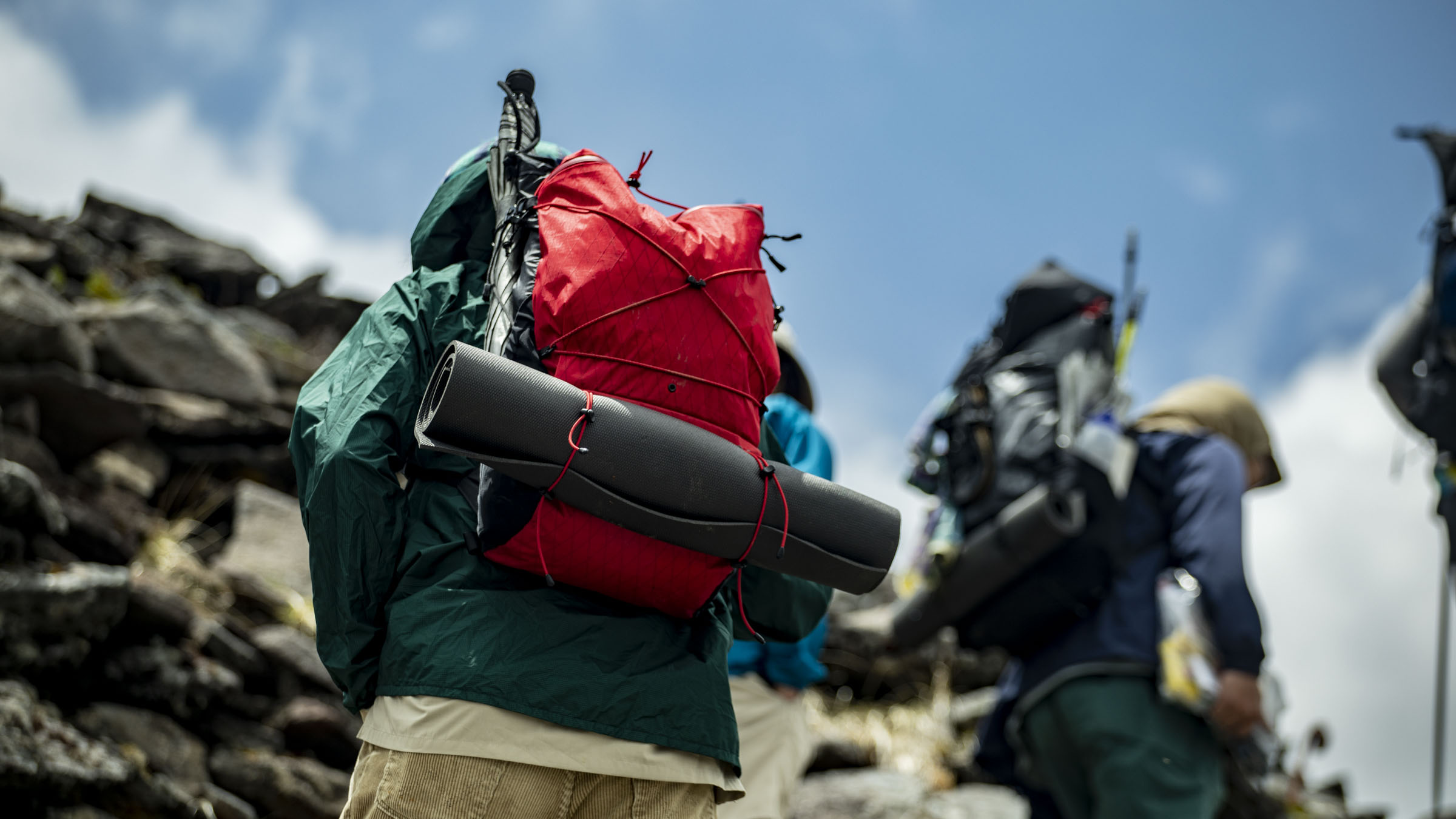
ーHow else do you use the Minimalist Pad?
Ayana I usually use the pad from my MINI2 under my feet at night. I’d never really thought about using it in other ways.
Ryo I’ve wrapped it around my stomach while hiking in the cold, and around my feet at night. Once you stop thinking of it as just a sleeping pad, there are a lot of ways to use it.
Ayana That’s what I like about it. For almost no extra weight, it gives you a surprising amount of flexibility.

Series: PRODUCT FOCUS Roundtable